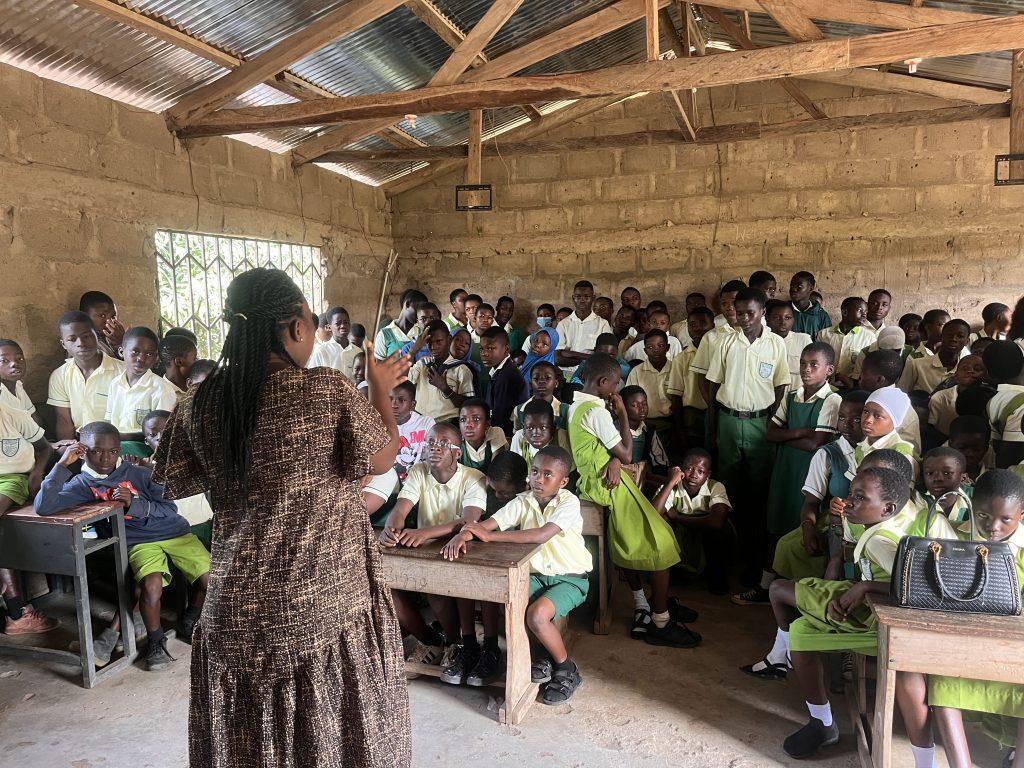
Eastern Regional Peace Council Promotes Conflict Prevention and Tolerance in Schools
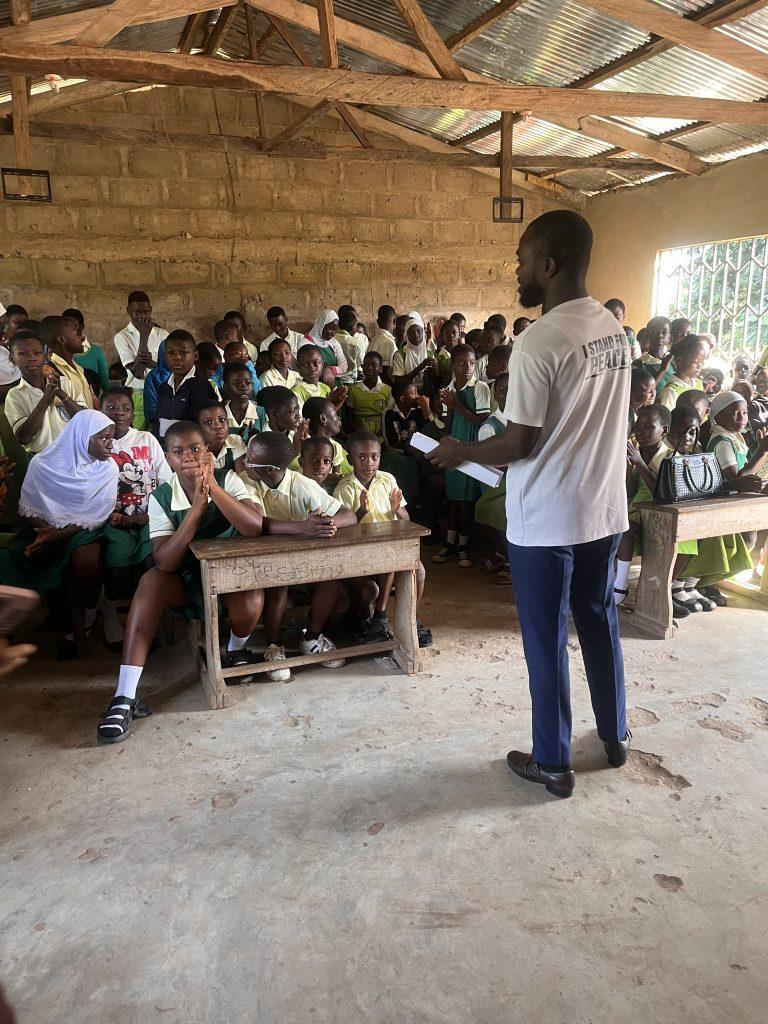
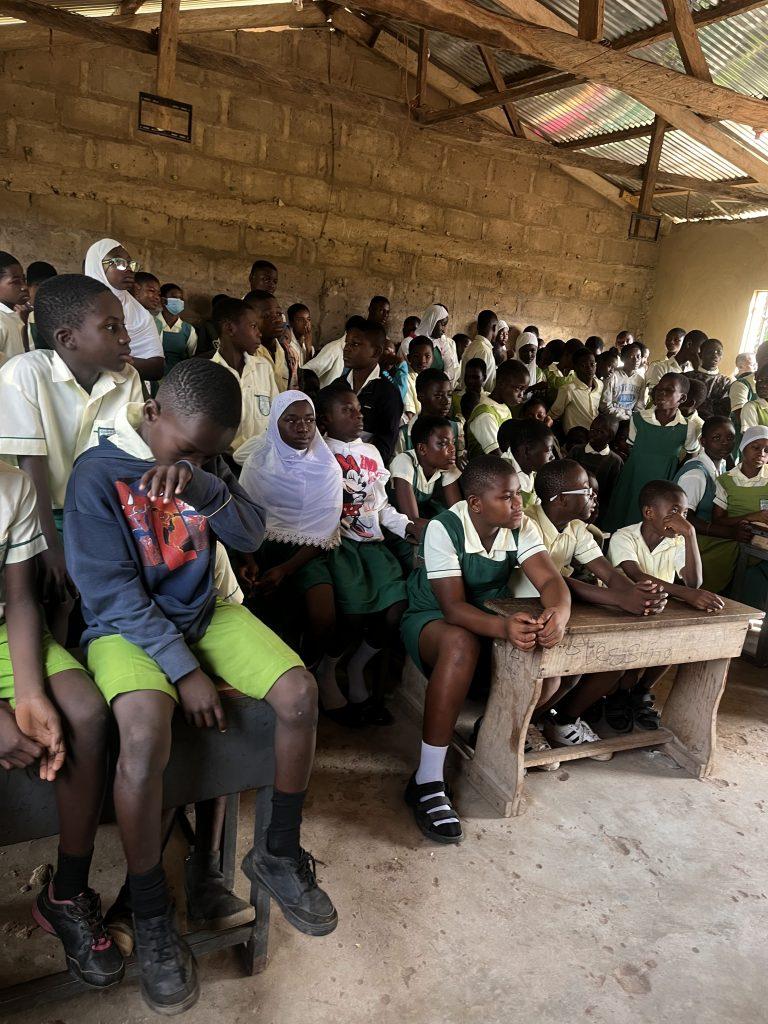
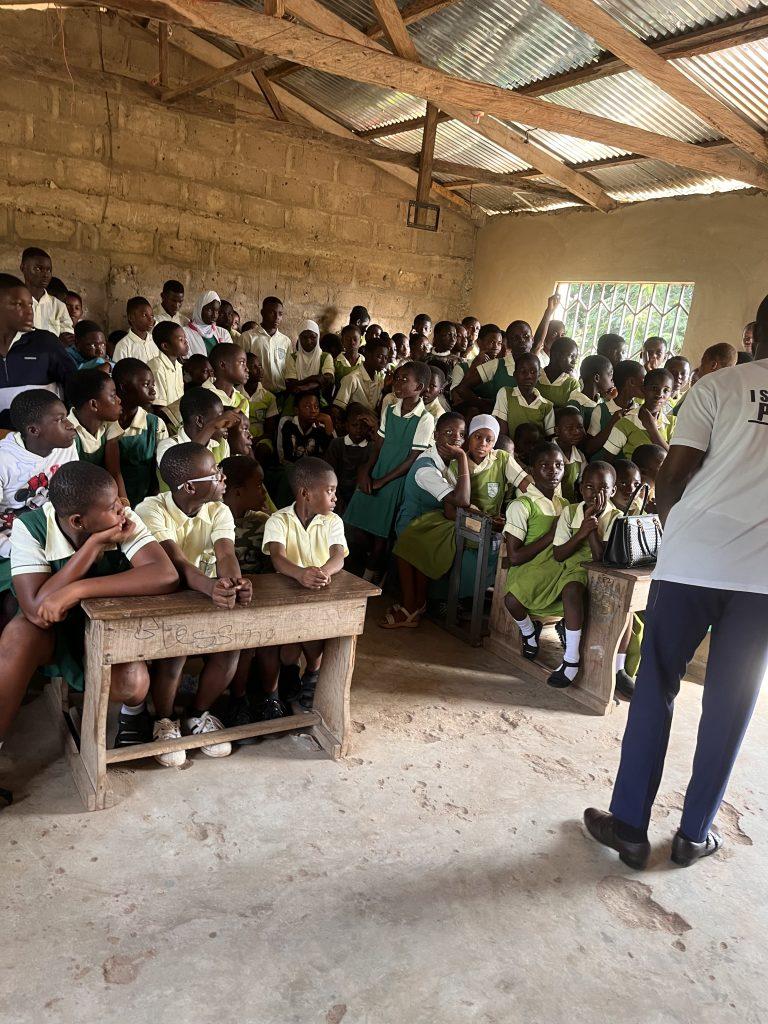
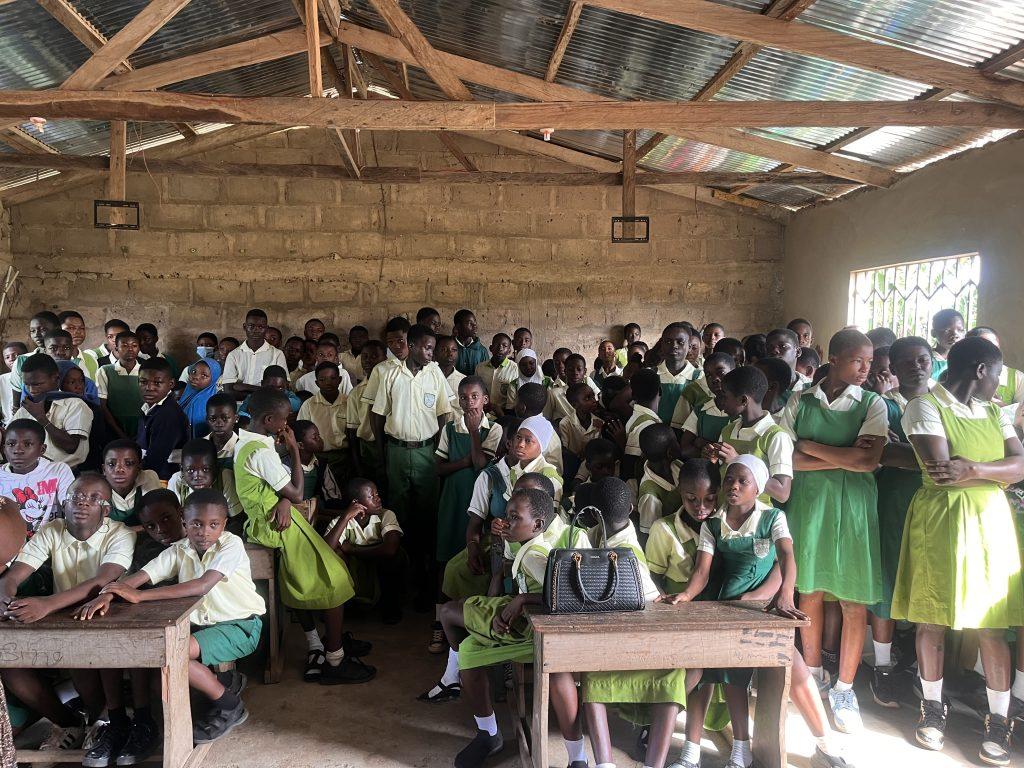
The Eastern Regional Peace Council (ERPC) organized a peace education programme on Conflict Prevention, Management and Tolerance in Basic and Senior High Schools at Osabene English and Arabic Basic School on 11th February 2026.
The initiative aimed to equip students and teachers with practical knowledge and skills in conflict prevention and non-violent conflict resolution within the school environment. It also sought to promote tolerance, mutual respect, and peaceful coexistence among students from diverse religious, ethnic, and socio-economic backgrounds, while strengthening collaboration between schools and peacebuilding institutions.
Objectives of the Engagement
The programme focused on:
-
Enhancing understanding of the causes of conflict and appropriate non-violent dispute resolution mechanisms
-
Promoting tolerance, discipline, and respect for school rules and authority
-
Increasing awareness of the legal implications and consequences of violent and criminal behaviour
Key Messages from the Presentations
Mr. Osmond Appiah Danquah, Programs Manager of ERPC, emphasized the critical role schools play in shaping character and values. He noted that conflict is natural in school settings due to differences among students; however, how conflicts are managed determines whether they lead to violence or personal growth.
He encouraged students to embrace dialogue, patience, and respect when resolving disputes, stressing that tolerance is a sign of strength and maturity. He further explained that peaceful schools create an enabling environment for academic excellence and contribute to national development. He called on students, teachers, parents, and peace institutions to work collaboratively to sustain discipline and harmony.
Mrs. Rose Padiki Ayertey, Administrator of ERPC, addressed the legal and social consequences of violent behaviour among minors. She explained that acts such as bullying, physical assault, destruction of property, and group violence may constitute criminal offences under Ghanaian law.
She informed students that minors involved in serious violent acts may face legal action, including arrest and prosecution. Depending on the severity of the offence, consequences could include probation, rehabilitation orders, or custodial sentences in juvenile correctional facilities. While the law considers the age of minors, she clarified that it does not excuse criminal conduct.
Mrs. Ayertey concluded by urging students to uphold discipline, self-control, and respect for the law as foundations for personal success and a peaceful society.
Participation
The programme was attended by:
-
Eastern Regional Peace Council (ERPC) representatives
-
Management and teaching staff of Osabene English and Arabic Basic School
-
Students of the school
The engagement is expected to improve understanding of conflict management, reduce violent incidents, and strengthen the culture of peace within the school community.
The Eastern Regional Peace Council remains committed to promoting safe, inclusive, and peaceful learning environments across the region.