Peace Council equips Navrongo nursing students to guard against violent extremism
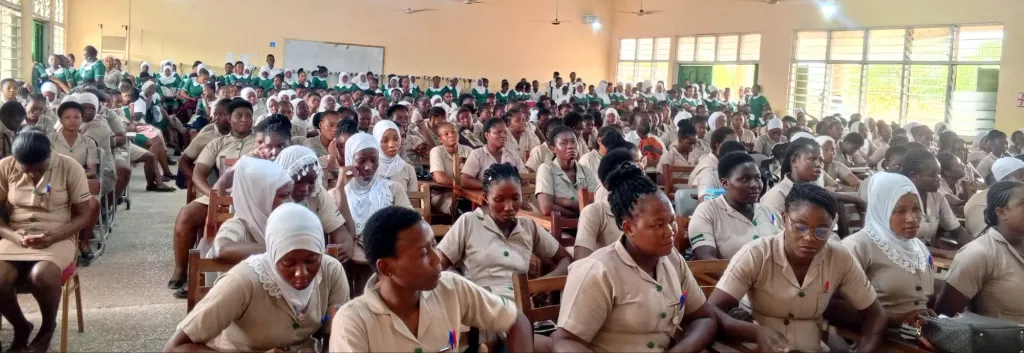
Navrongo (U/E), April 16, GNA – The Upper East Regional office of the National Peace Council has sensitised Nursing students of the Navrongo Community Health Nursing College on information disorder, violent extremism, and hate speech, to guard themselves against acts of violent extremists.
The engagement, held under the Atlantic Corridor Project with funding support from the Embassies of Norway and Denmark through the United Nations Development Programme (UNDP), aimed to equip students with knowledge and practical tools to resist radicalisation and contribute to early warning and response systems.
The programme also created a platform for open dialogue, allowing students to share concerns and explore constructive ways of addressing grievances without resorting to violence.
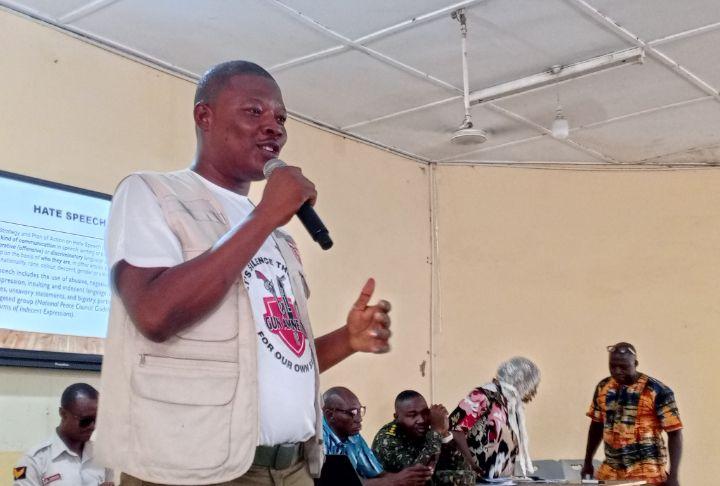
Mr. Damien Asobayire, the Upper East Regional Executive Secretary of the National Peace Council, said the initiative sought to expose students to the tactics used by violent extremist groups to recruit and manipulate young people.
He explained that extremists often exploit vulnerabilities, misinformation, and personal struggles to lure individuals, stressing the need for vigilance among the youth.
“The aim is to enlighten students on how these groups communicate, the signs to detect, and how to protect themselves and others,” he said.
Mr.Asobayire noted that the active participation of students, including asking critical and sensitive questions, demonstrated the impact of the engagement.
“We believe the knowledge gained will not only benefit them individually but also their communities,” he added.
He reiterated that the National Peace Council as a state institution established under Act 818 of 2011, tasked with preventing, managing, and resolving conflicts to sustain national peace was committed to its mandate.
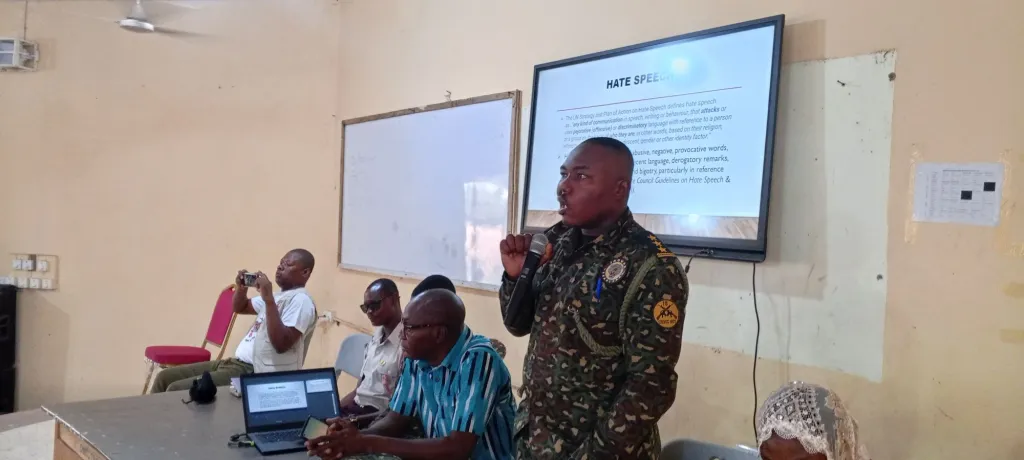
DSI Asalima A. Richard, Second-in-Command at the Ghana Immigration Service in Navrongo, urged the students to support national security efforts by reporting suspicious activities.
He emphasized that safeguarding the country required collective responsibility and encouraged the students to adopt the “see something, say something” approach.
SNDO Asiha Roland of the Paga Command of the Narcotics Control Commission also linked drug abuse to violent extremism, noting that extremist groups often exploit drug networks to facilitate their activities and recruit vulnerable individuals.
He urged the students to desist from engaging in illicit drugs and work towards shaping their future.
Mr. Victor Abo-Ame Akanbonga, the Upper East Regional Programmes Officer of the National Commission on Small Arms and light Weapons, cautioned the students against engaging in illicit activities online, including accessing dangerous platforms where illegal weapons and materials were traded.
He advised them to focus on their studies and pursue legitimate opportunities, stressing that education remained a key pathway to personal and national development.
“Security is a shared responsibility. We therefore expect you, as students, to promptly report any individuals in your community suspected of possessing illicit arms to the appropriate authorities, to enable timely intervention and appropriate security response,” he added.
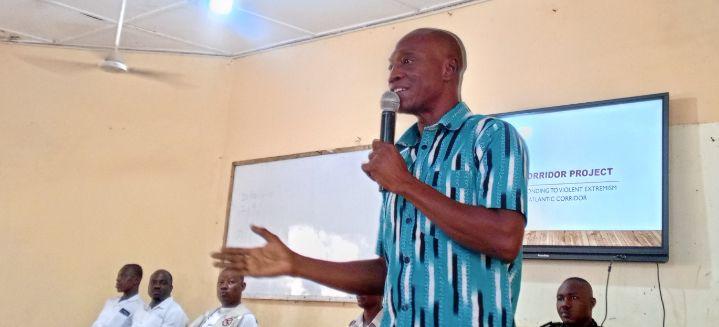
Mr. Kombian Bisianin, Vice Principal of the college, expressed appreciation to the organisers, stating that the programme had significantly broadened the students’ understanding of conflict resolution and peaceful coexistence.
“This engagement will not only enlighten the students but also influence how they manage conflicts and live harmoniously with others,” he said, adding that the school looked forward to more such initiatives.
The programme forms part of broader efforts to strengthen community resilience and prevent the spread of violent extremism in vulnerable regions across the country.
GNA