Greater Accra Regional Peace Council Leads Preventive Engagement Ahead of Ayawaso East By-Election
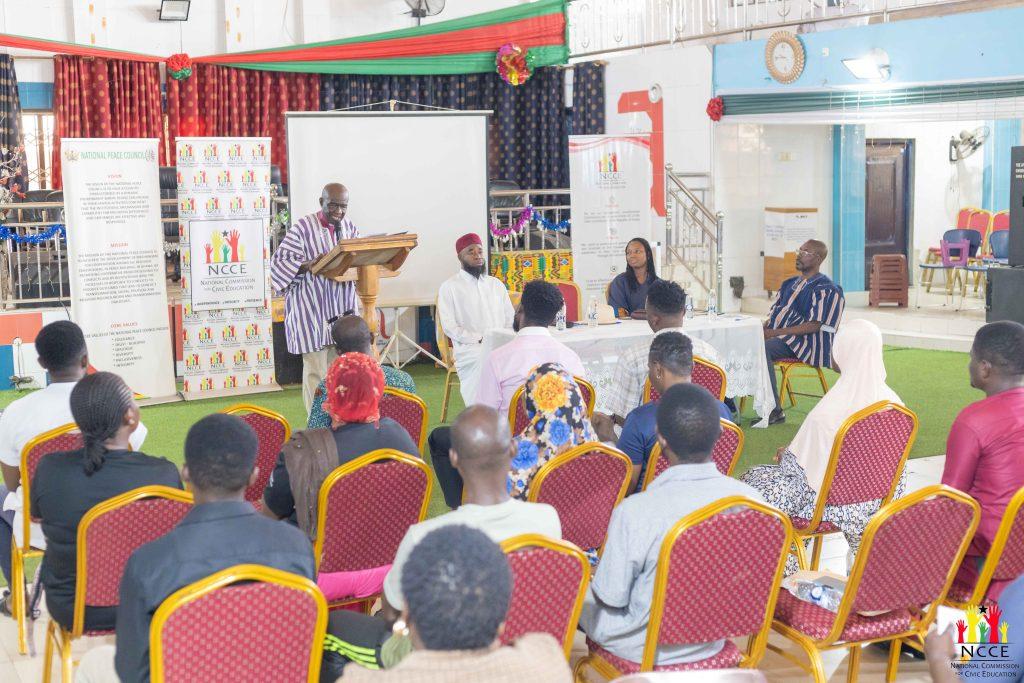
The Greater Accra Regional Peace Council (GARPC), in collaboration with the National Commission for Civic Education (NCCE), organized a preventive stakeholder engagement in the Ayawaso East Constituency ahead of the upcoming by-election scheduled for 3rd March 2026.
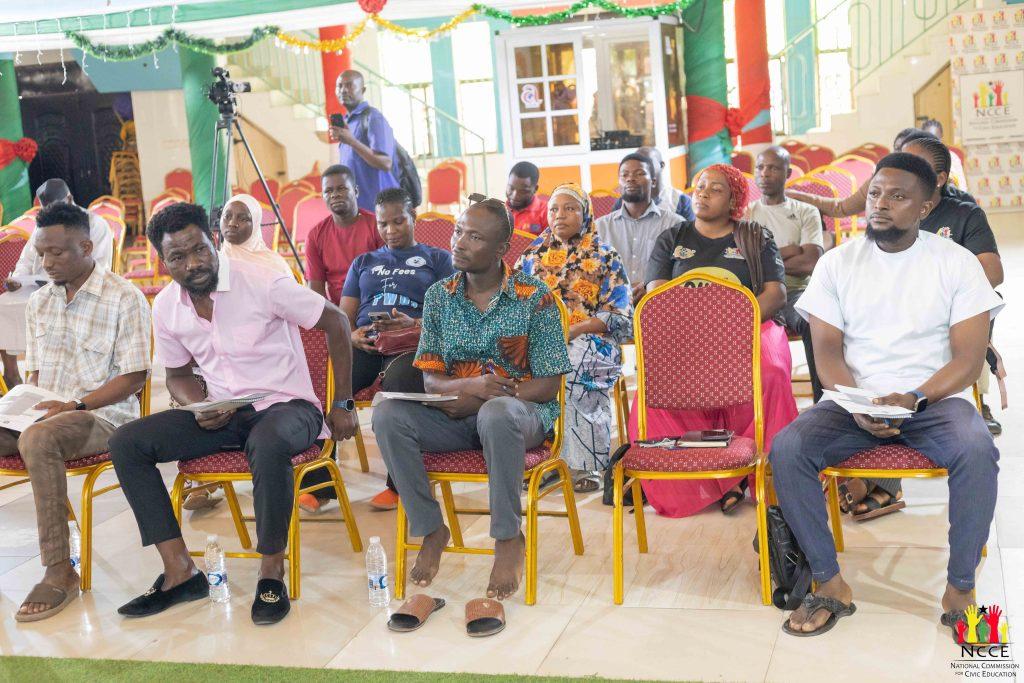
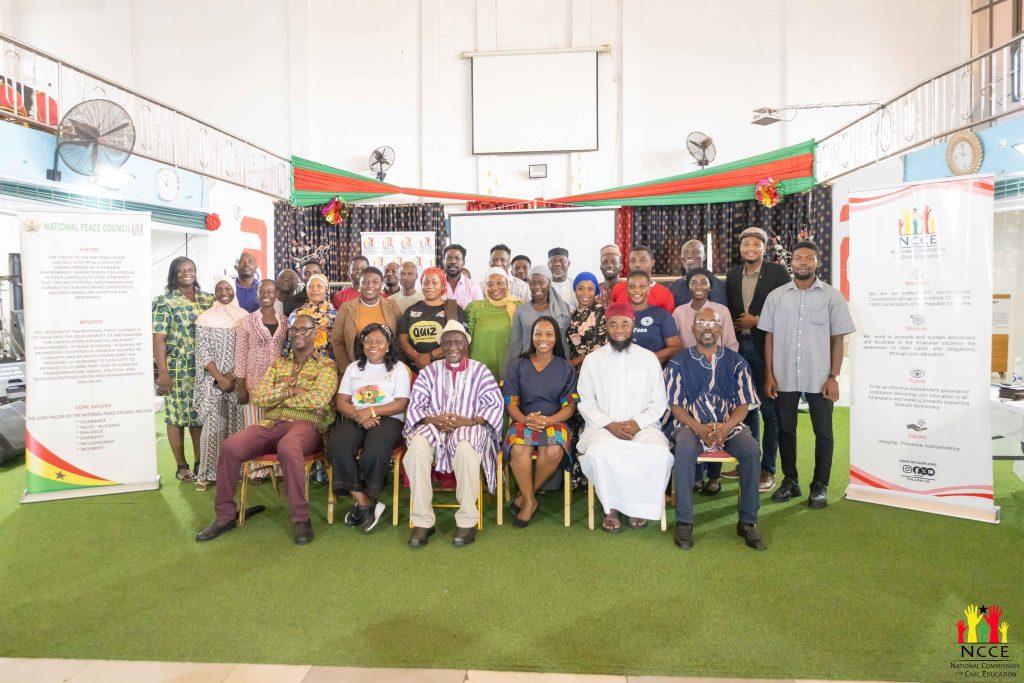
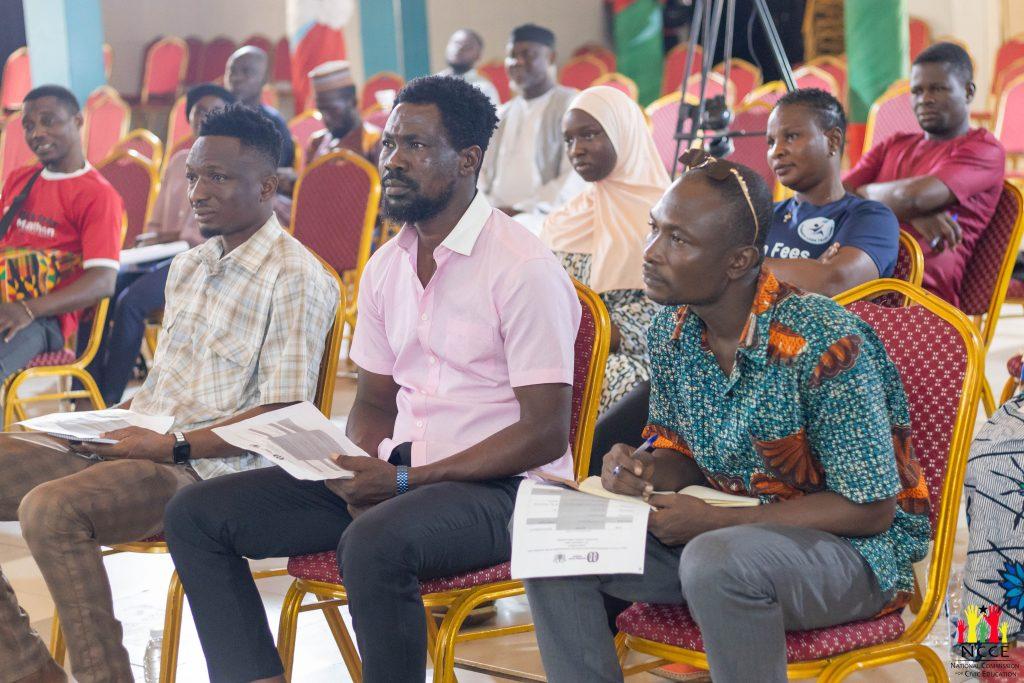
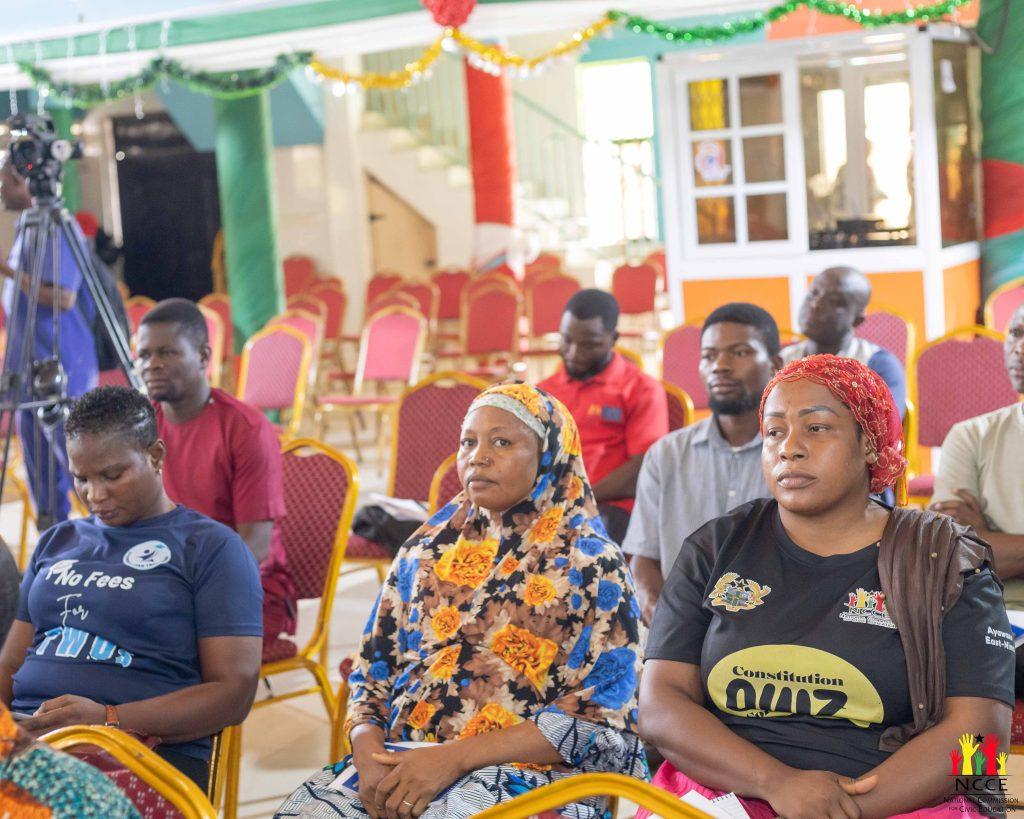
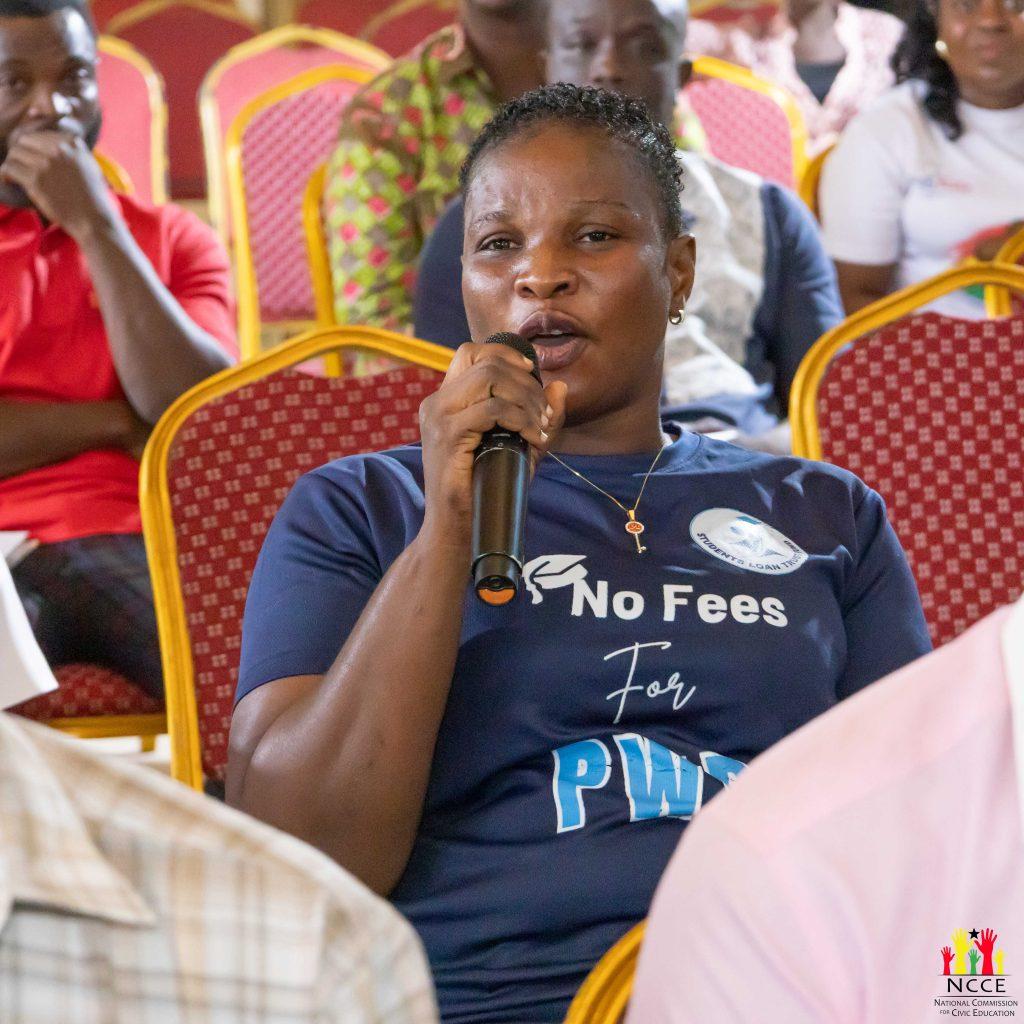
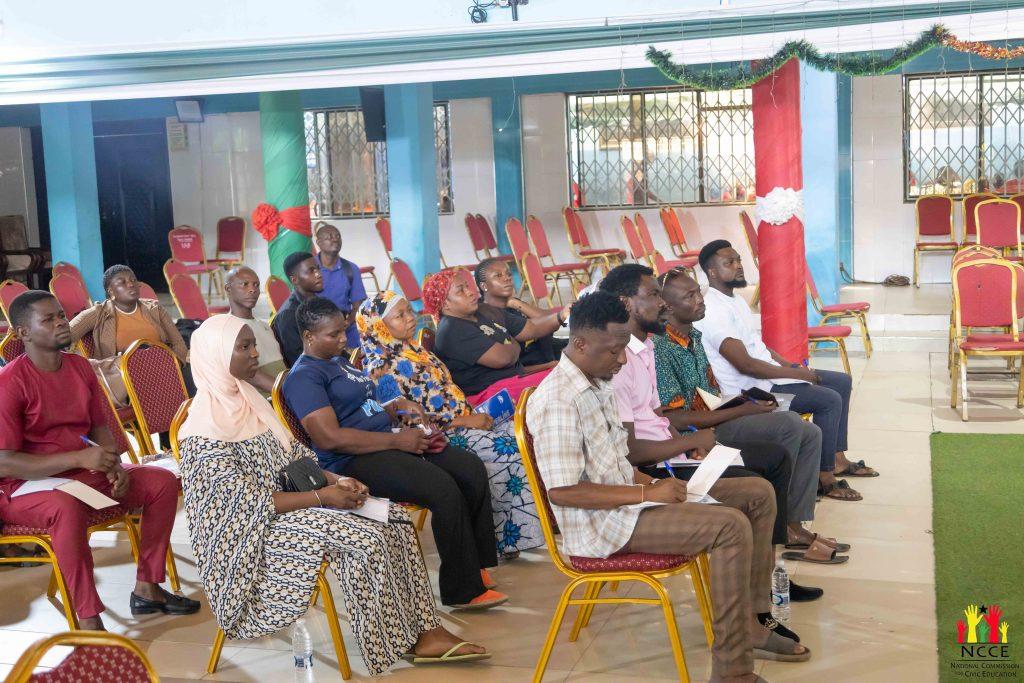
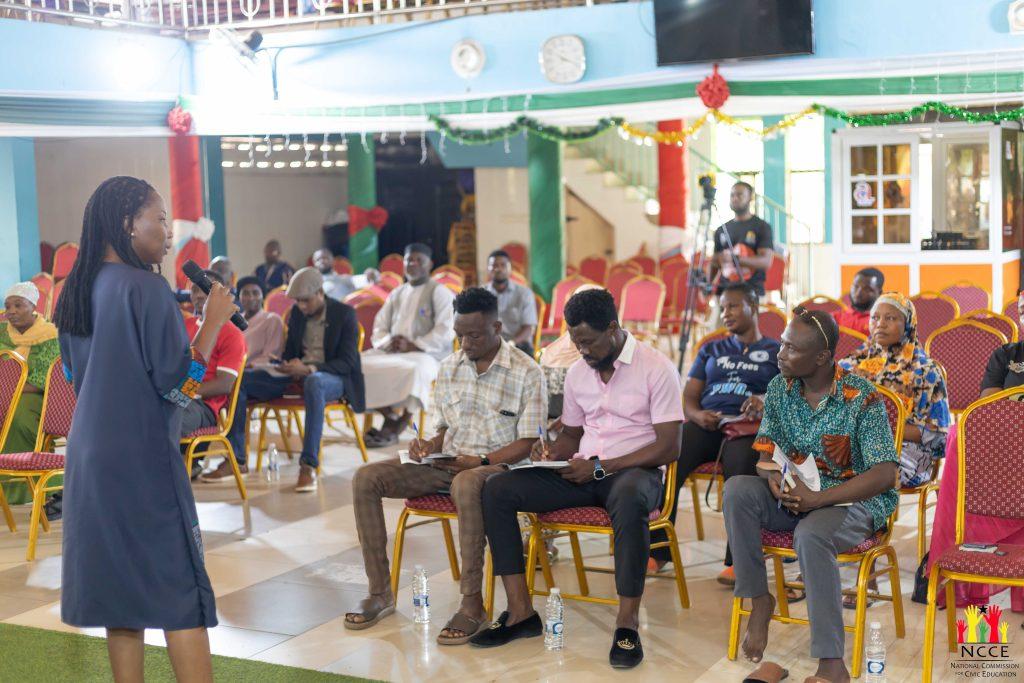
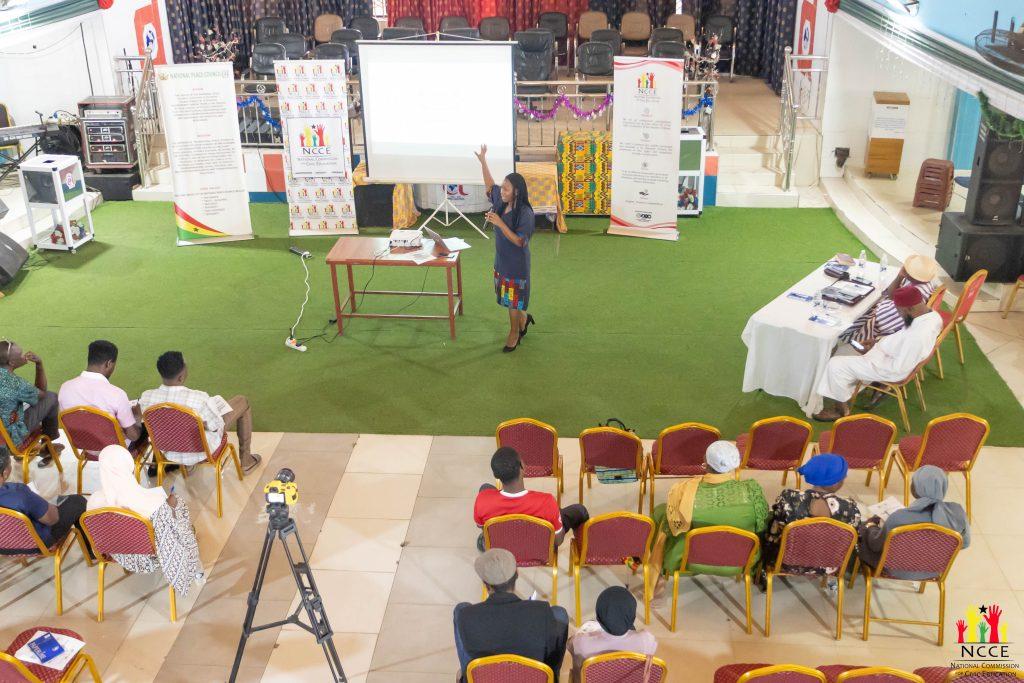
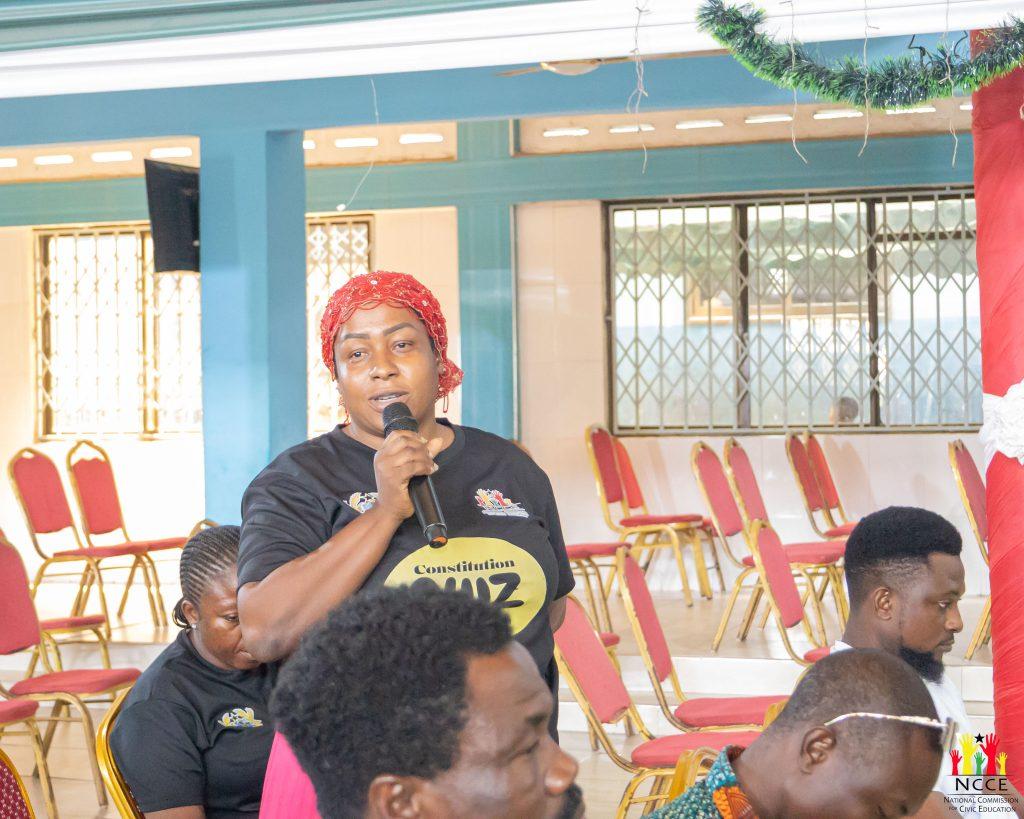
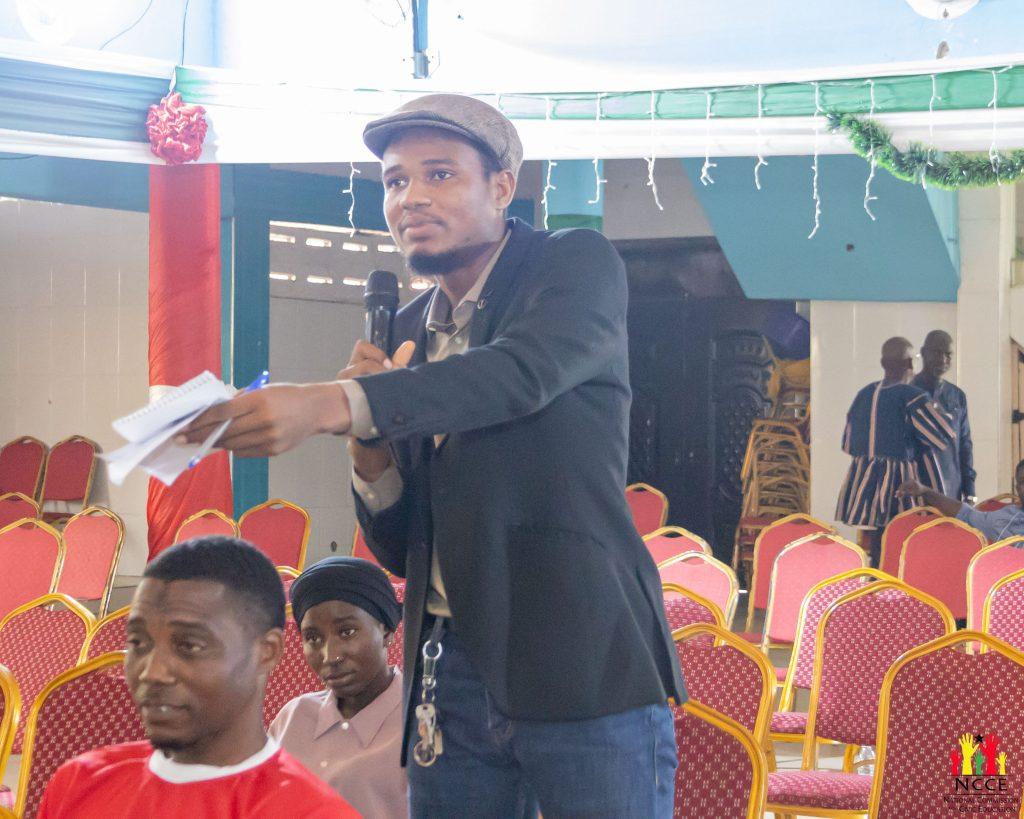
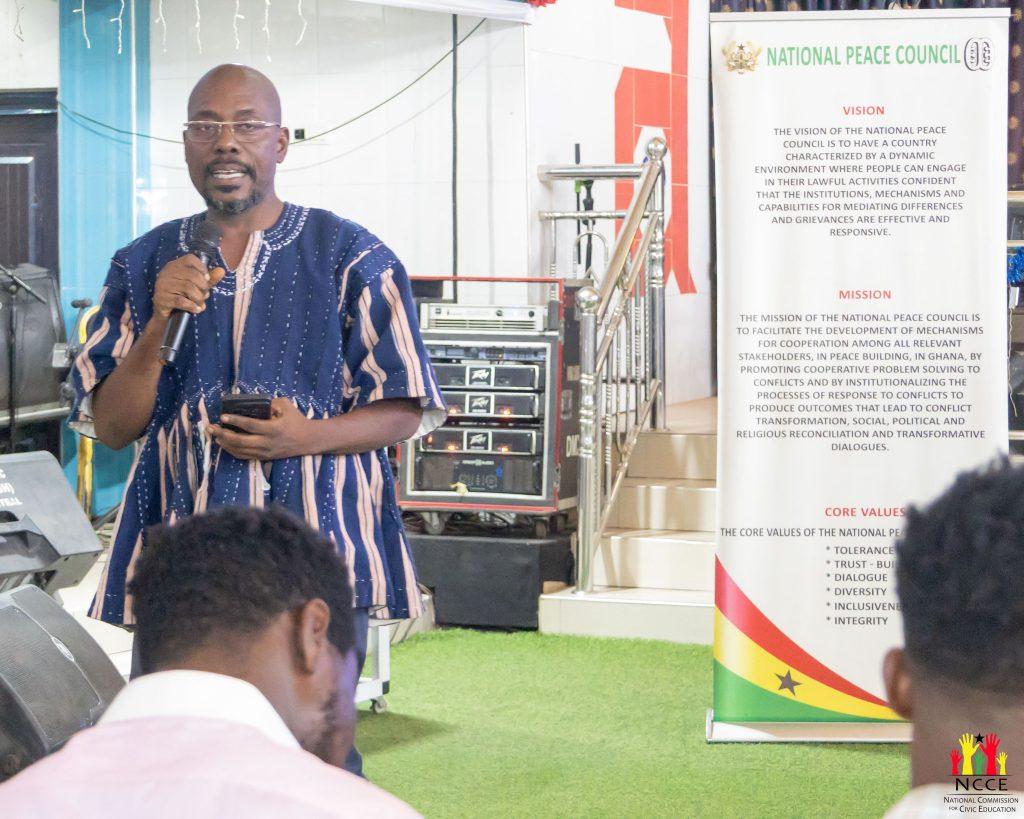
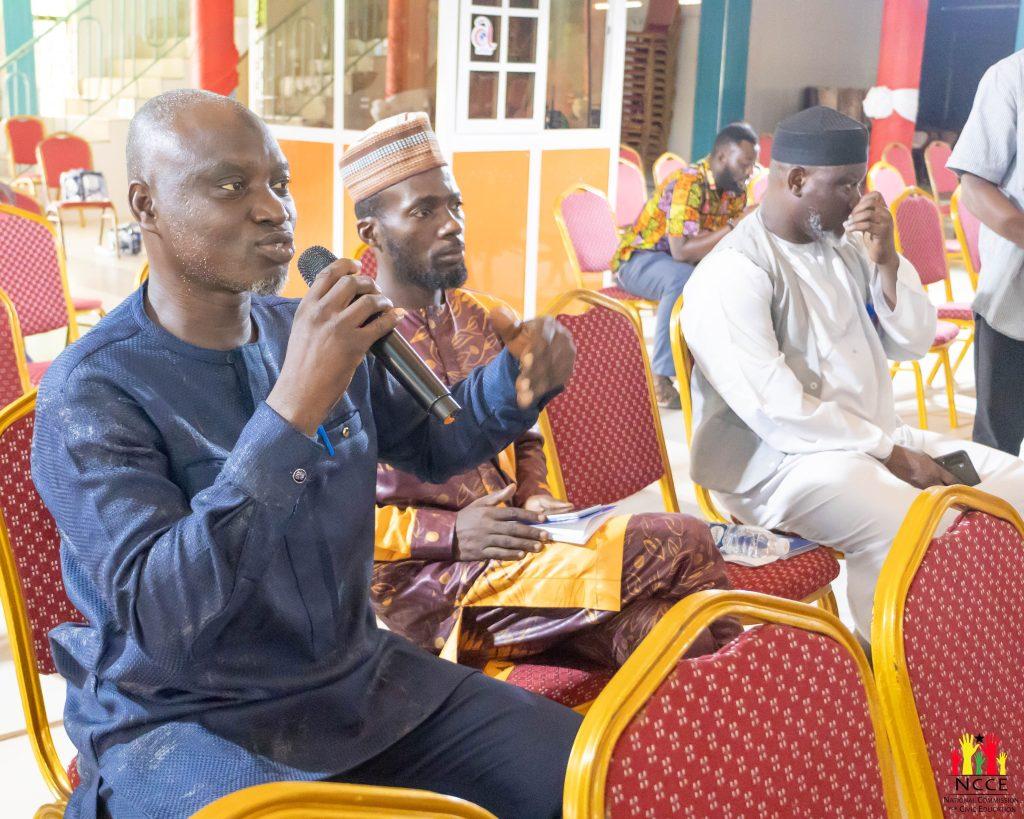
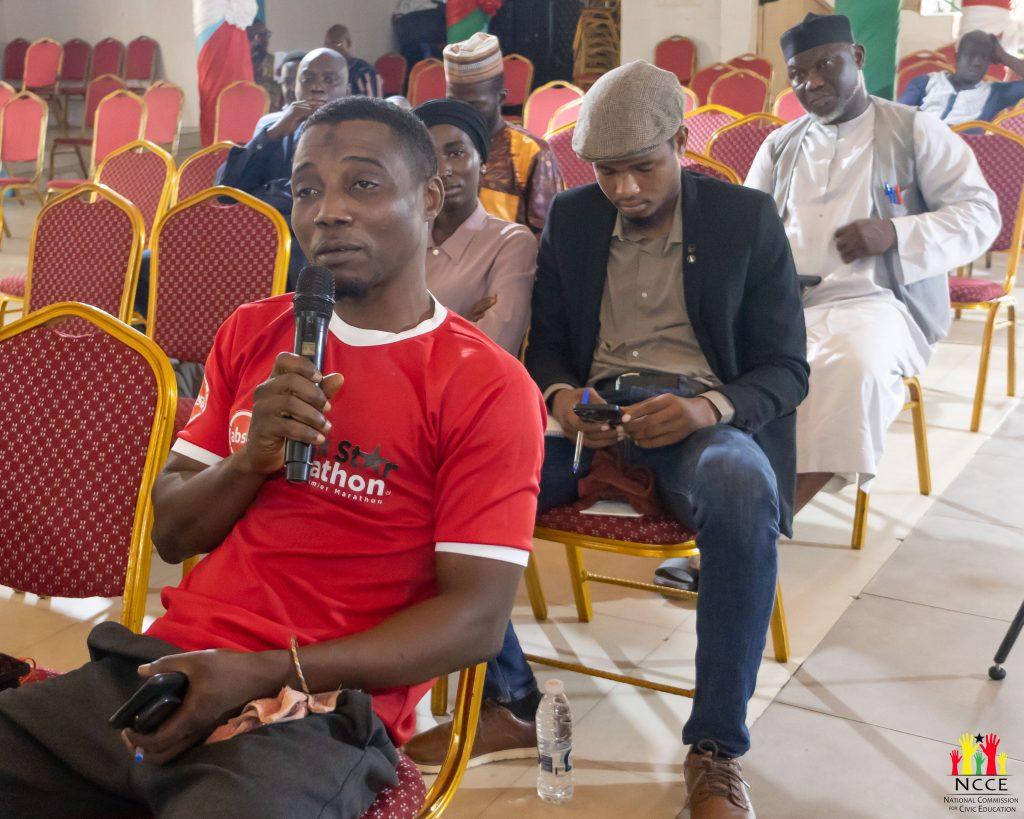
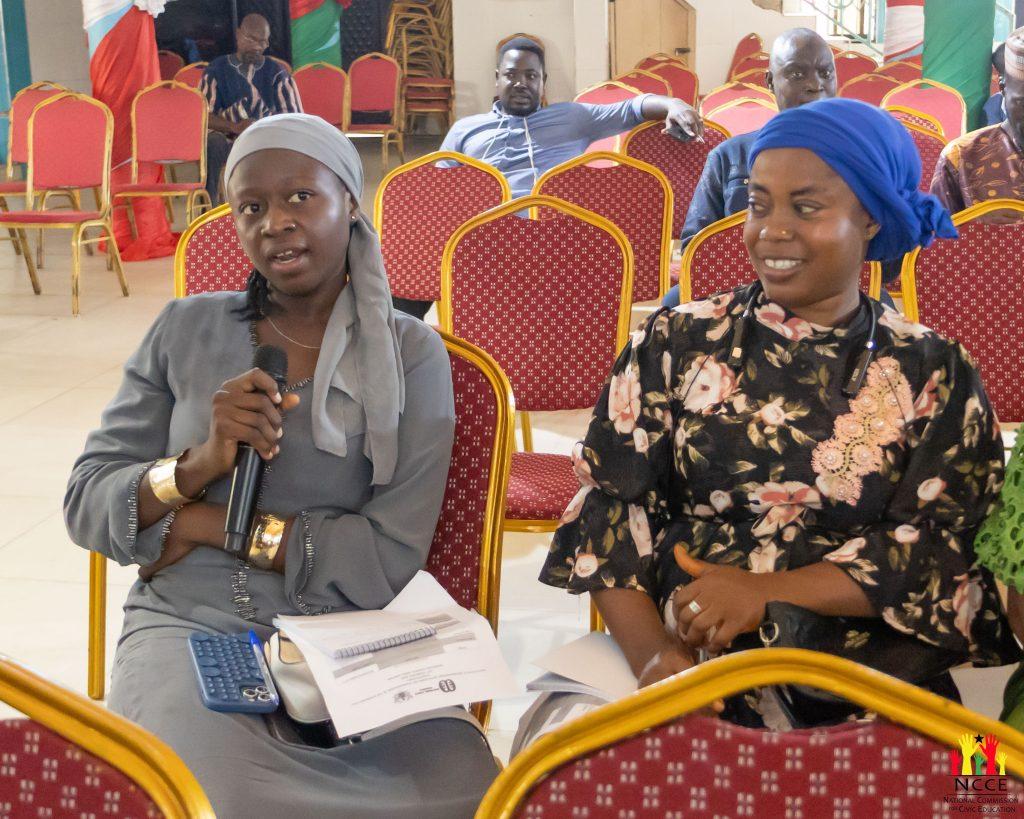
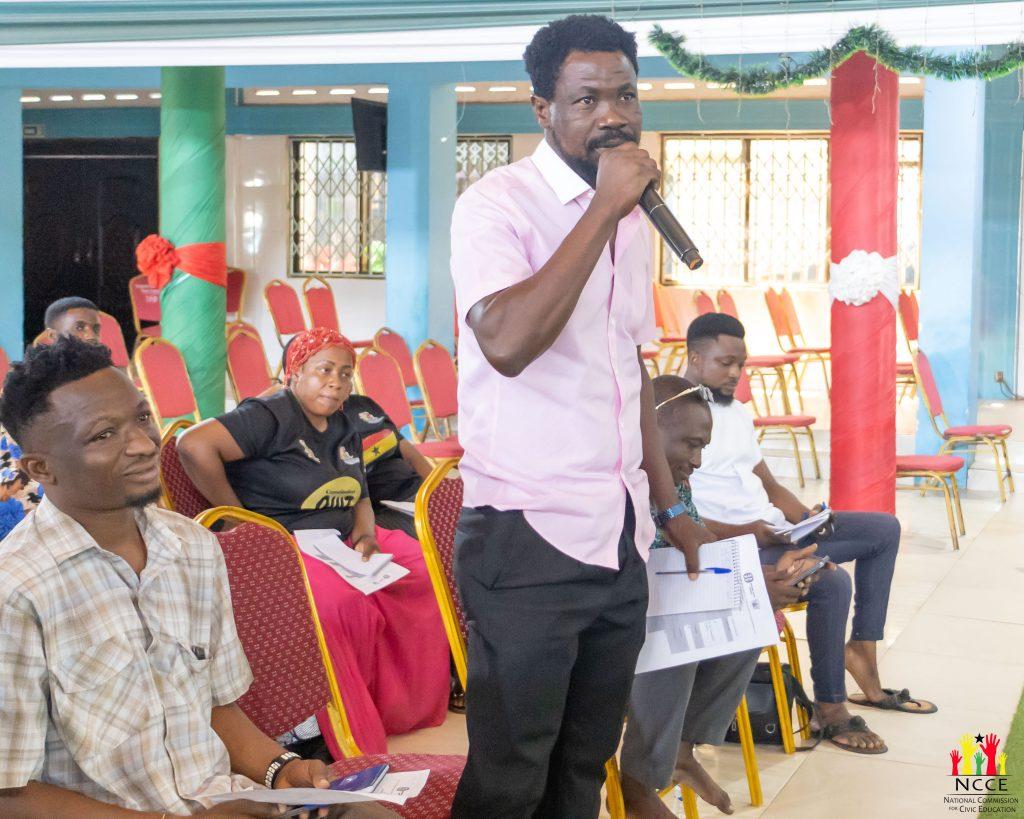
The programme was held at The Apostle Church, Nima Central, on Thursday, 12th February 2026, and brought together key stakeholders, including youth groups, community-based organisations, political actors, and security representatives.
Objectives of the Engagement
The initiative sought to:
-
Decrease the risk of electoral violence in the constituency
-
Provide a neutral platform for stakeholders to commit to peaceful conduct
-
Promote political tolerance, patriotism, and peaceful coexistence
-
Facilitate the signing of a Peace Pact among political parties and their supporters
-
Reinforce the responsibility of security services to maintain law and order before, during, and after the by-election
Expected Impact
The engagement aimed to:
-
Strengthen resilience among political party participants against electoral violence and vigilantism
-
Foster patriotism and renewed commitment to peace among stakeholders
-
Enhance youth understanding of electoral-related violence and its management
-
Increase awareness of the Vigilantism and Related Offences Act, 2019 (Act 999) and the legal consequences of engaging in vigilante activities
-
Build community resilience against violent extremism and radicalization during election periods
Key Highlights from Presentations
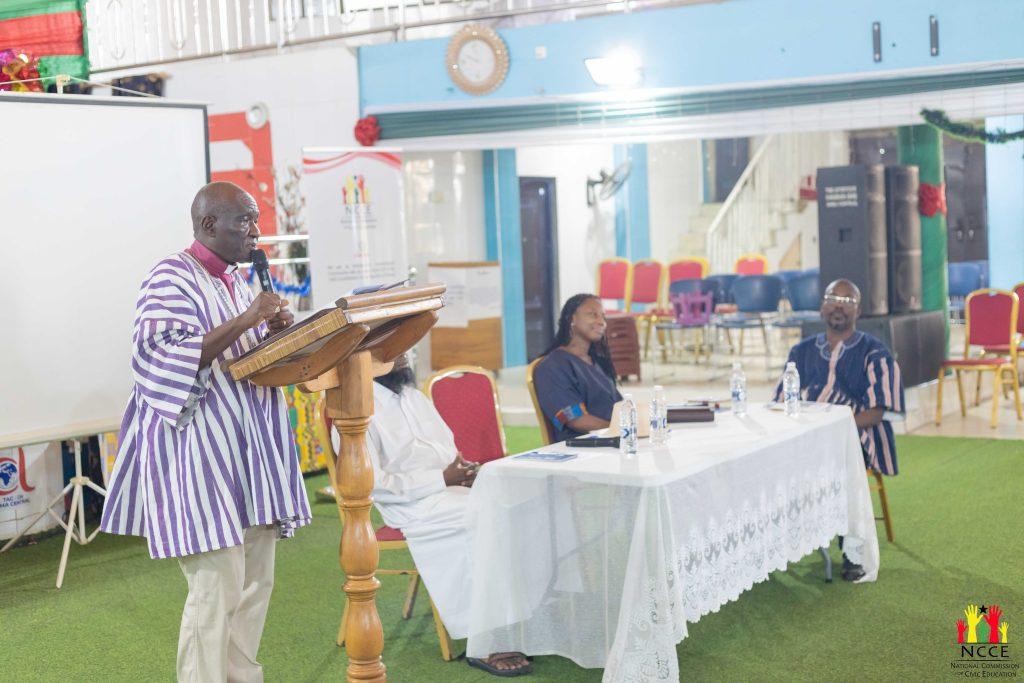
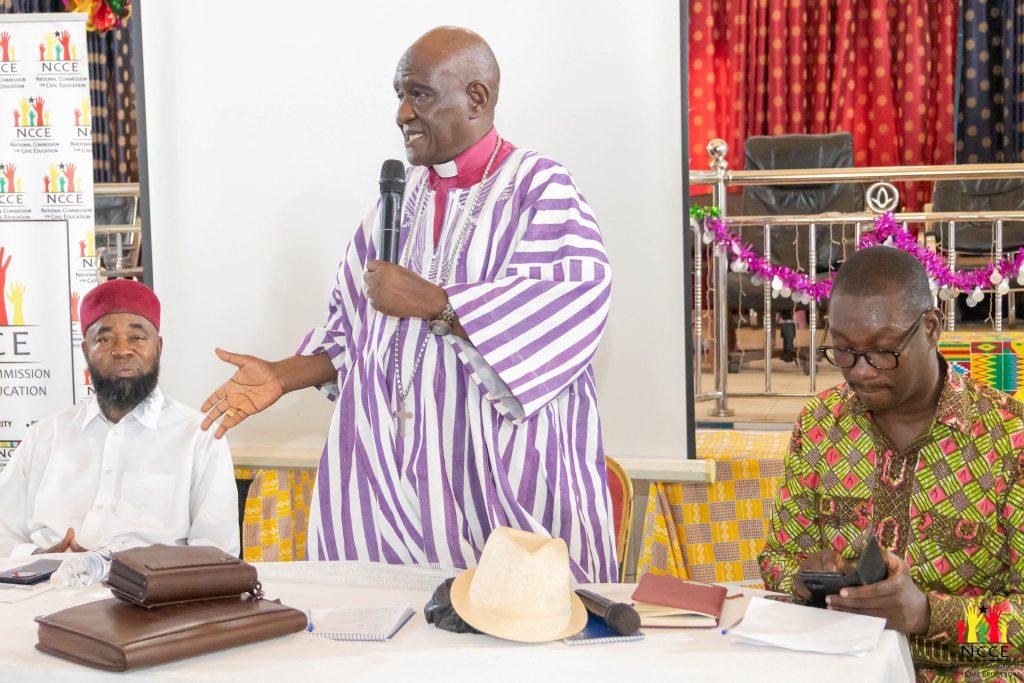
Rt. Rev. Samuel Kofi Osabutey
Chairman, Greater Accra Regional Peace Council
Rt. Rev. Osabutey expressed concern about growing fears of violence during by-elections, stressing that elections are fundamental to parliamentary democracy and that every citizen has a constitutional right to freely express political choices.
He emphasized political tolerance, respect for differing opinions, and the principle of “agreeing to disagree” as pillars of healthy democratic competition. He noted that youth participation is essential to democratic governance and peacebuilding, cautioning young people against taking the law into their own hands or engaging in acts that may tarnish the image of the region.
Theodore William Anti
Council Member
Madam Anti addressed the risks of violent extremism and radicalization, particularly during election periods marked by heightened tensions and polarization.
She explained that radicalization can be a precursor to violent extremism and urged youth to reject extreme ideologies that justify violence. She outlined preventive measures, including community engagement, education, interfaith and inter-school dialogues, youth clubs, drama troupes, and constructive debates. She encouraged leaders to avoid inflammatory statements that could escalate political tensions.
Mawuli Agbenu
Regional Director, NCCE
Mr. Agbenu highlighted the provisions of the Vigilantism and Related Offences Act, 2019 (Act 999), warning of severe penalties for individuals involved in vigilante activities.
He explained that the law covers both political vigilantism and land guarding, with significant prison terms prescribed for offenders, including those who finance or support such activities. He cautioned youth that involvement in vigilantism could result in imprisonment and disqualification from holding public office.
Sheikh Abass Saleh Haroun
Council Member
Sheikh Haroun underscored the importance of dialogue, mutual respect, and understanding in resolving conflicts peacefully. He advised the youth to avoid rhetoric that promotes division and discord.
Henry Attoh Okai
Ag. Regional Executive Secretary
Mr. Okai addressed election-related violence and its management, noting that political violence often intersects with human rights violations. He stressed the need for intensified public education on peace and the dangers of political vigilantism. He advocated for peace education at all levels of formal education as a long-term strategy for preventing electoral violence.
Participation
The engagement was attended by:
-
Greater Accra Regional Peace Council (GARPC)
-
National Commission for Civic Education (Regional Office)
-
Representatives of youth groups
-
Representatives of community-based organisations
The programme reaffirmed GARPC’s commitment to fostering peaceful elections and strengthening democratic stability in the Greater Accra Region.