National Peace Council and Dallaire Institute Convene Stakeholders on Early Warning to Early Action (EW2EA) in Ghana
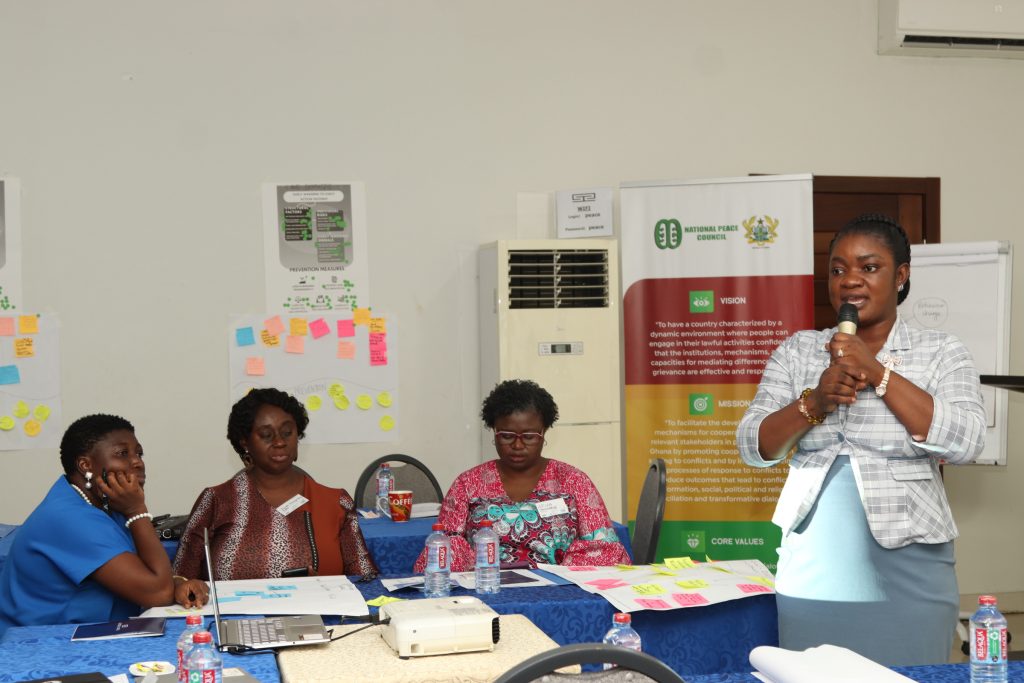
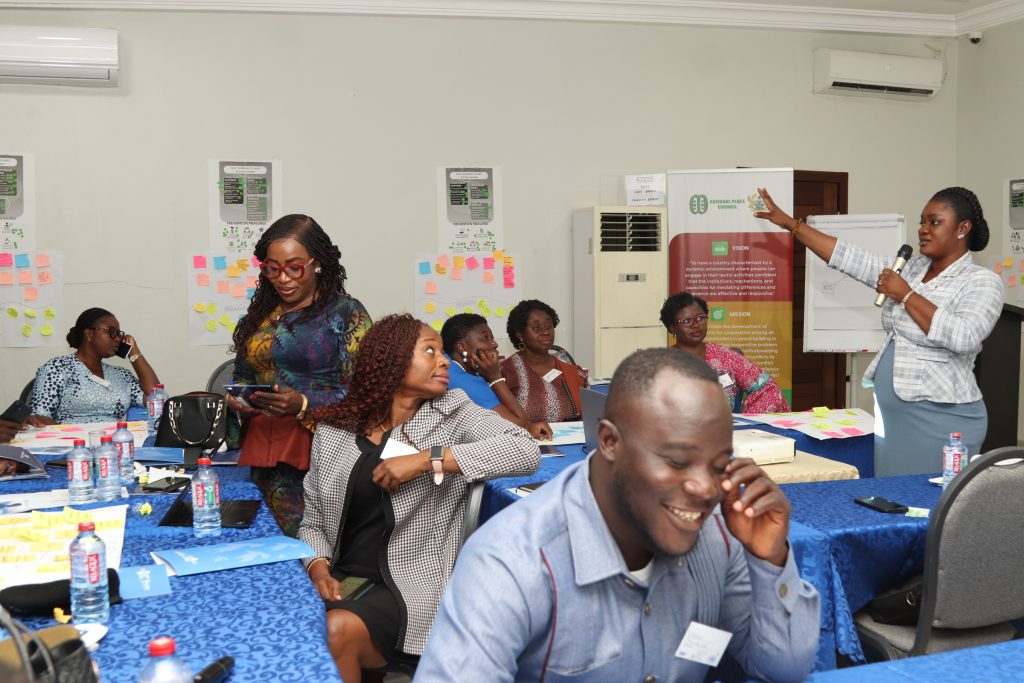
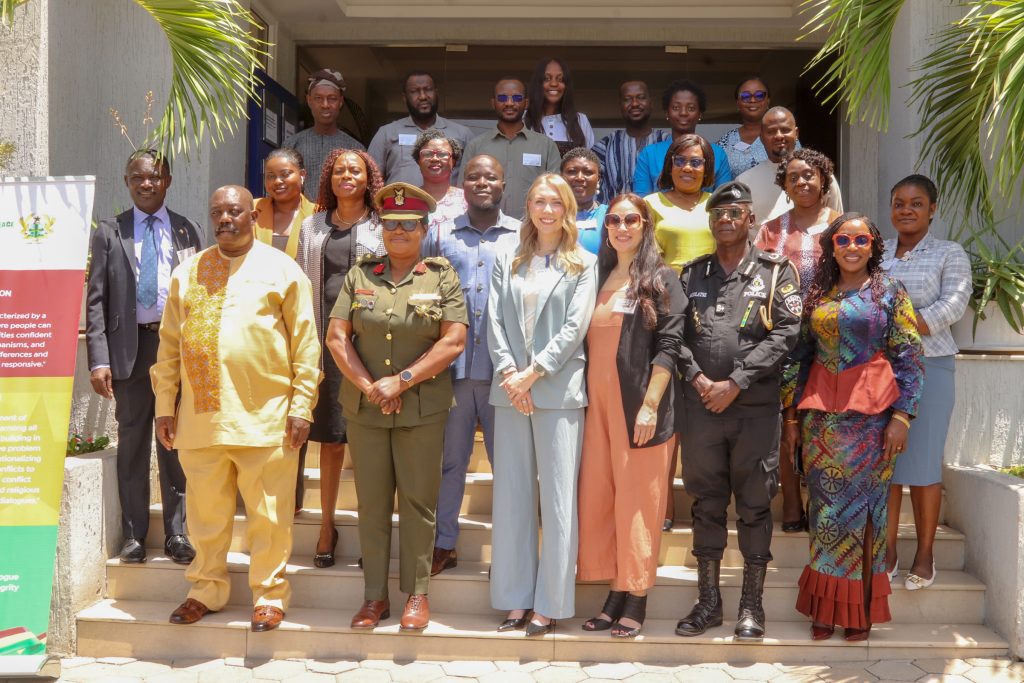
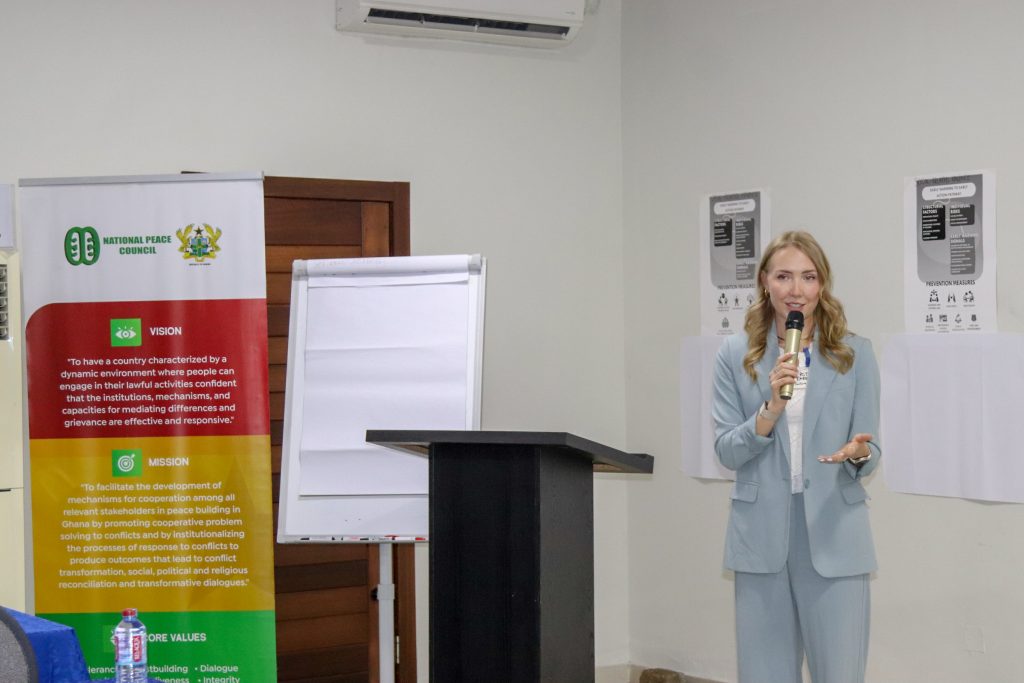
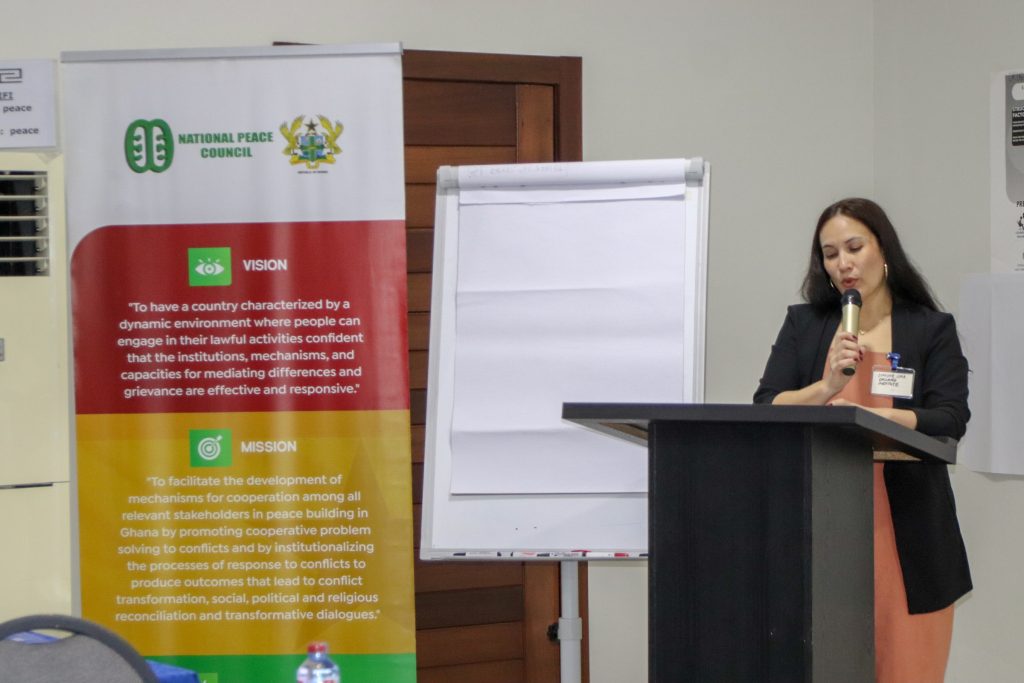
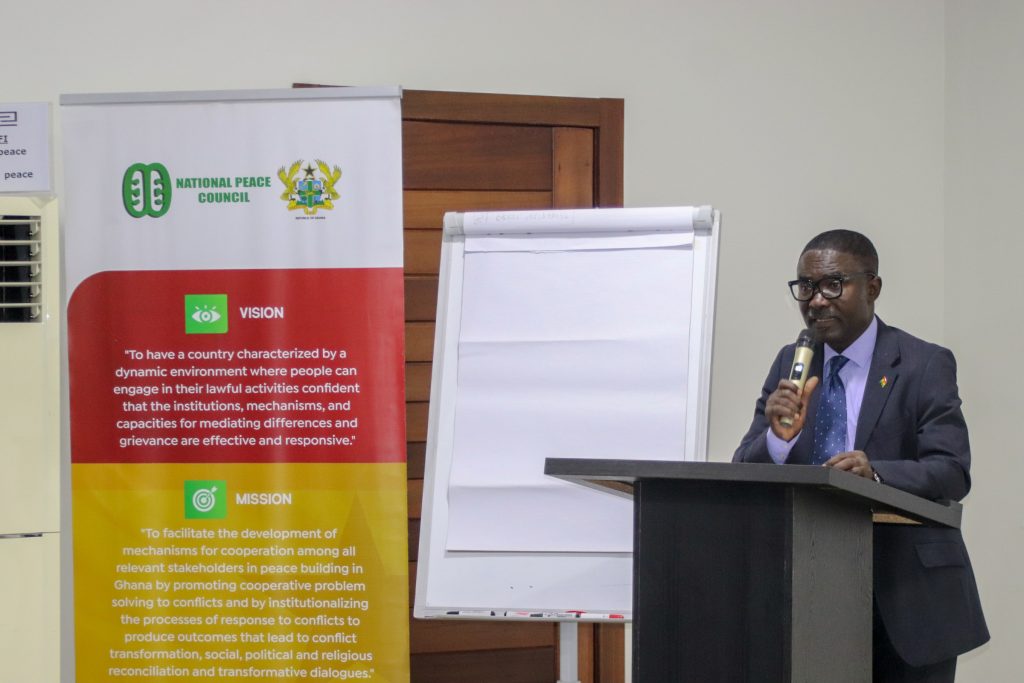
The National Peace Council (NPC), in collaboration with the Dallaire Institute for Children, Peace and Security, successfully convened the Early Warning to Early Action (EW2EA) Stakeholder Engagement Workshop in Accra on 30th April 2026.
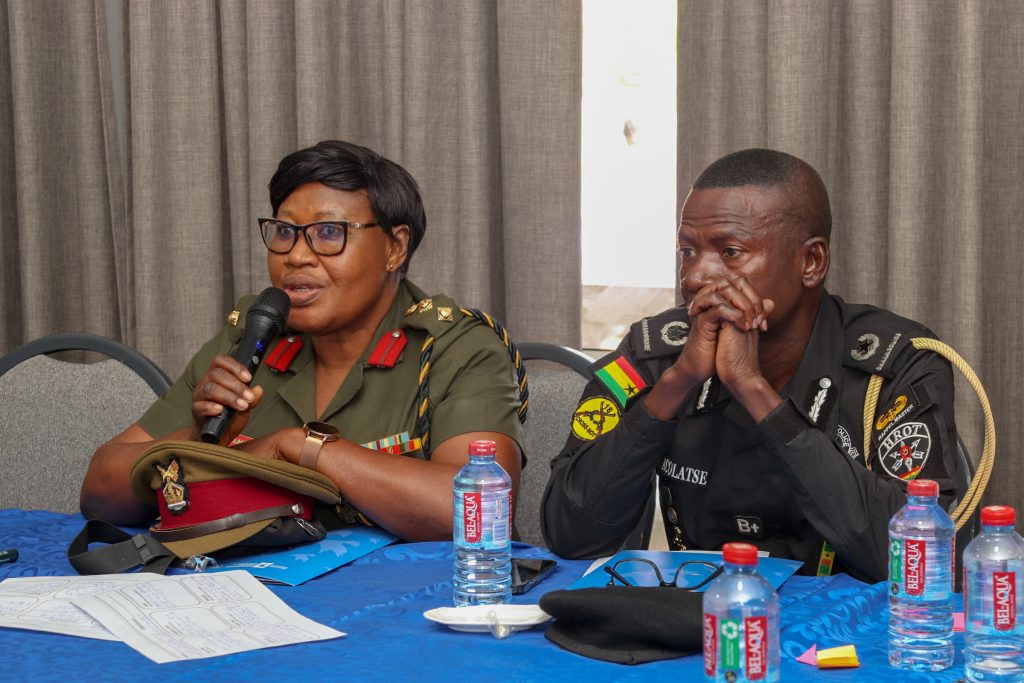
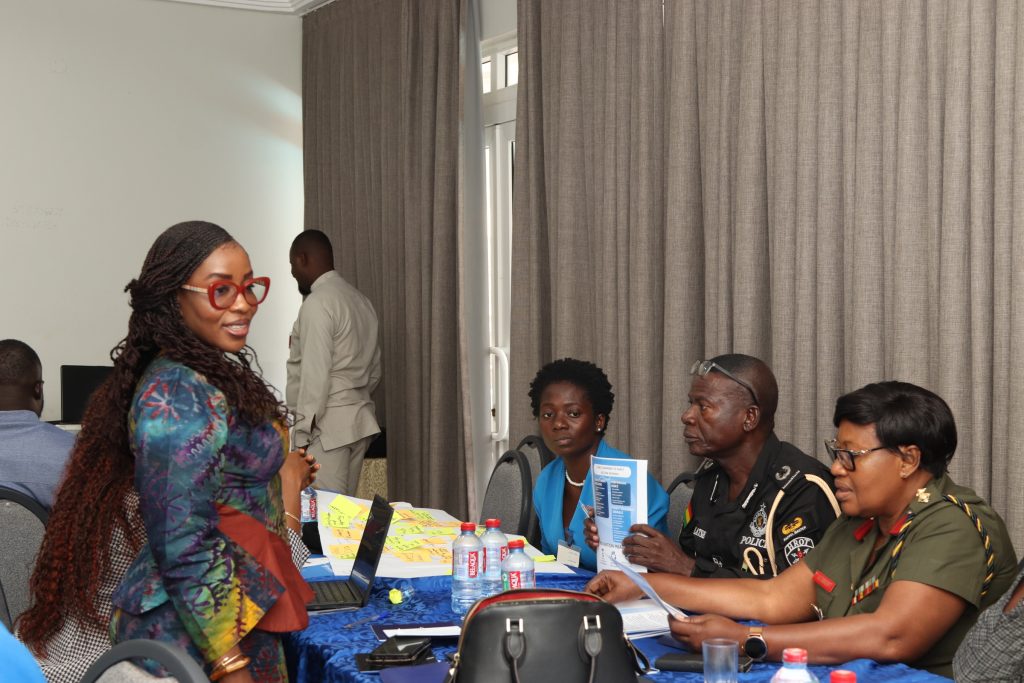
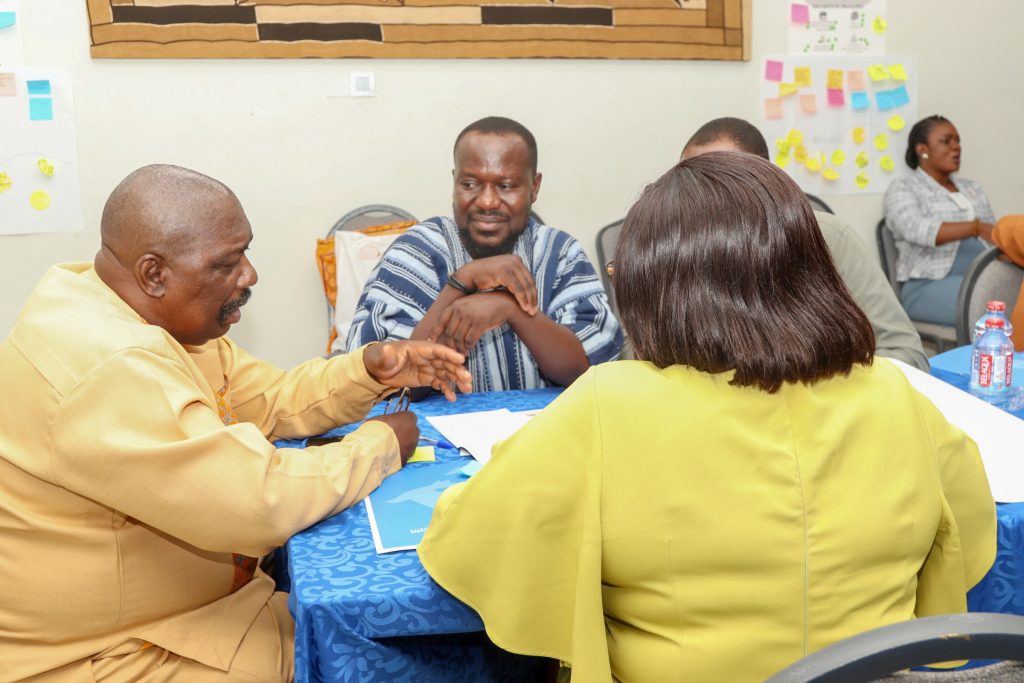
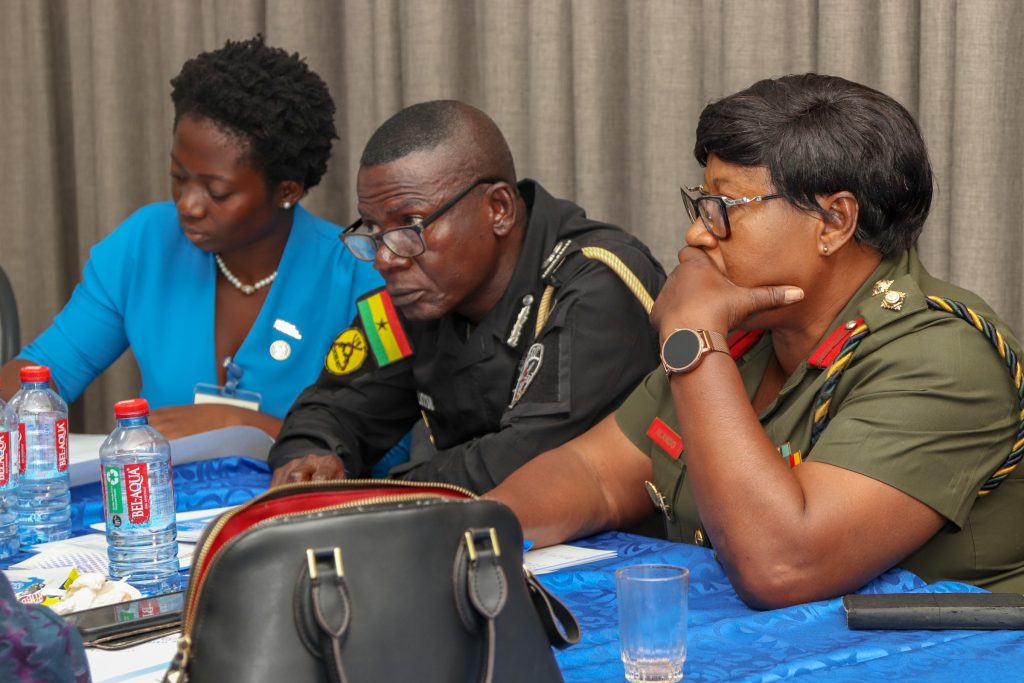
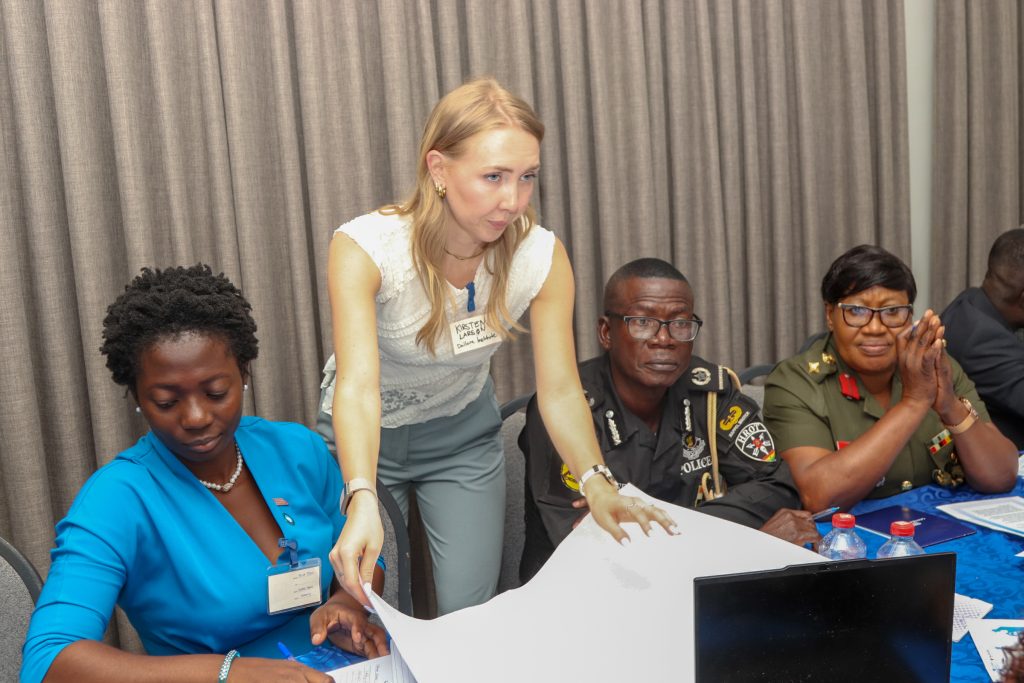
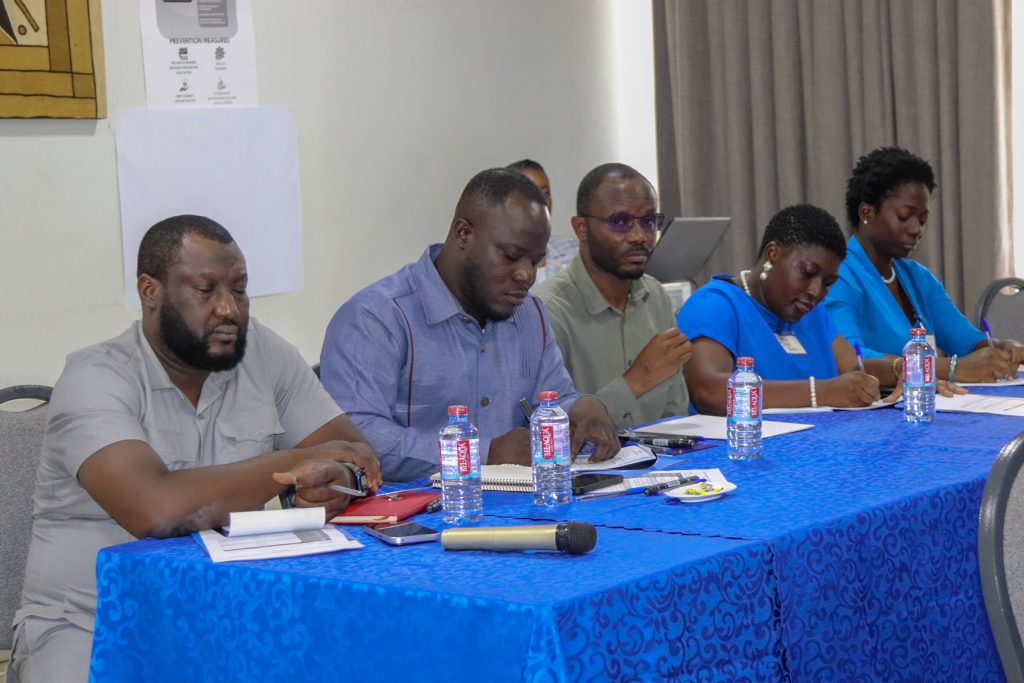
The engagement brought together representatives from government institutions, security agencies, civil society organizations, academia, international partners, and peacebuilding practitioners to strengthen collaboration and develop coordinated strategies for preventing the recruitment and use of children and youth in armed violence in Ghana.
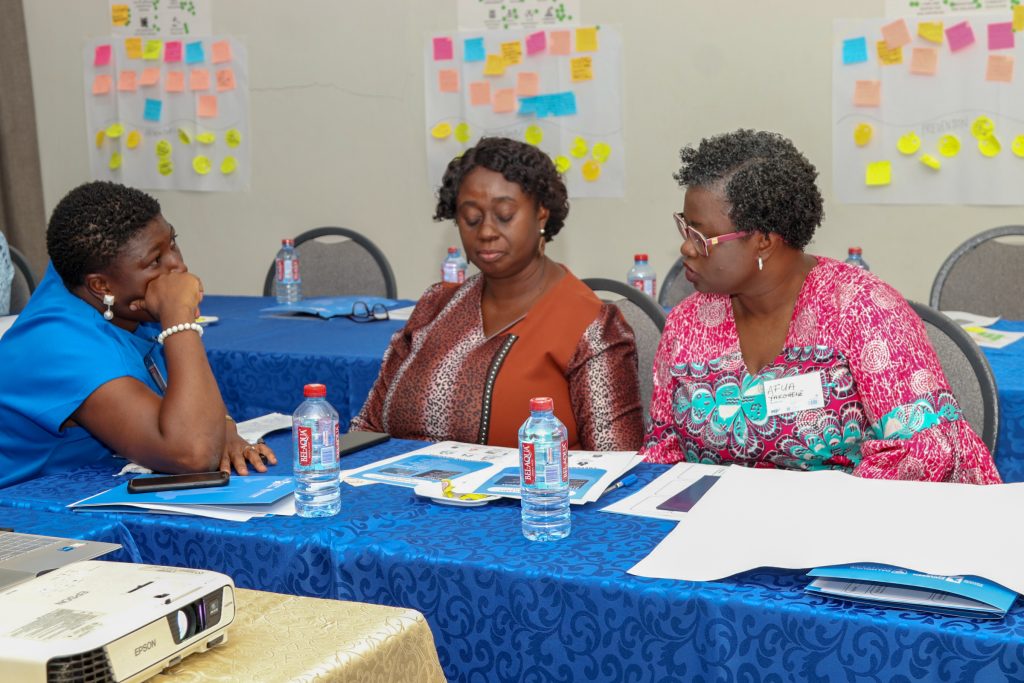
The workshop builds on earlier community-based engagements organized in March 2026 in Accra and Tamale, where youth and community leaders from conflict-affected areas examined the drivers, risks, and protective factors associated with youth recruitment into armed violence. Through participatory discussions, participants co-developed community-informed EW2EA pathways, identifying local risk factors, early warning signs, escalation points, and opportunities for timely prevention and response.
Recognizing that early warning signs often emerge at the community level, the stakeholder engagement workshop focused on bridging community insights with institutional mandates and capacities to ensure timely and coordinated action. Discussions emphasized the importance of stronger collaboration among government agencies, security actors, civil society organizations, and international partners in building an effective prevention system.
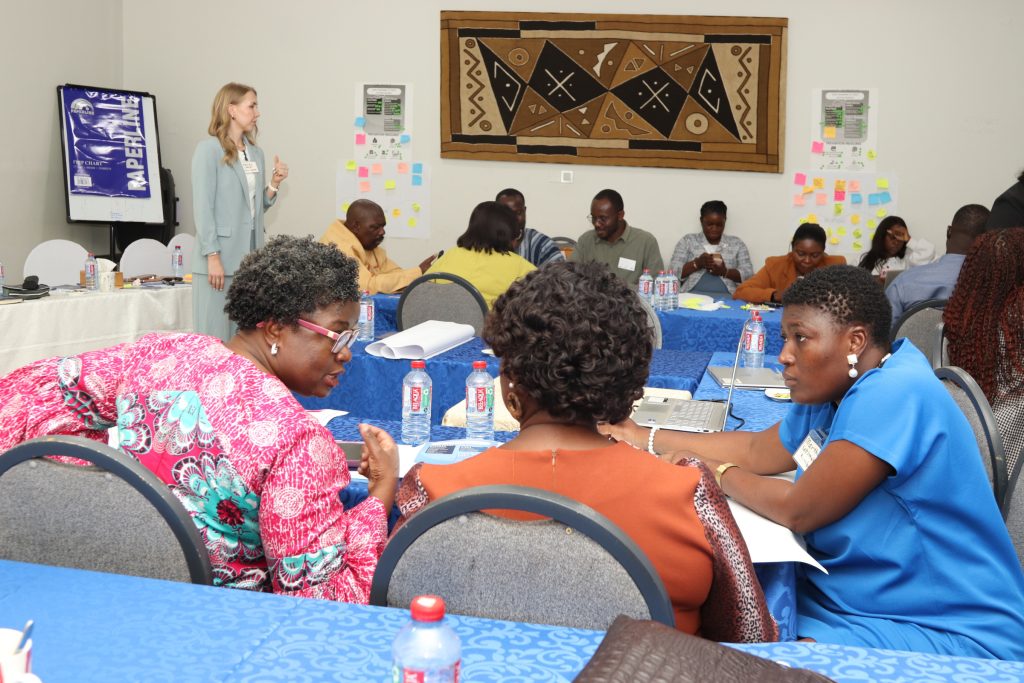
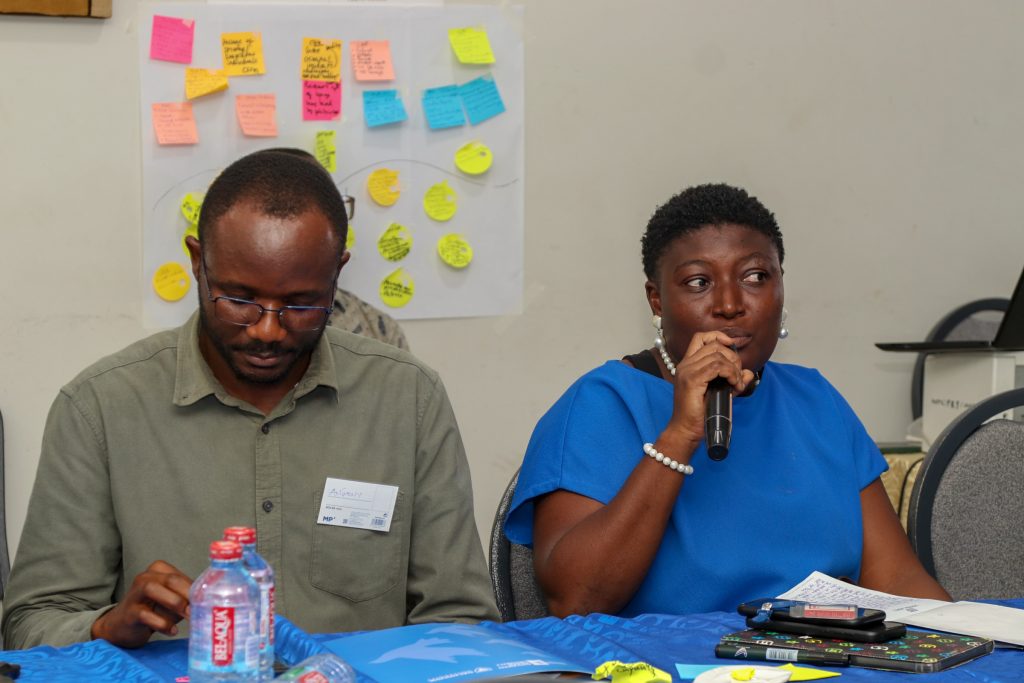
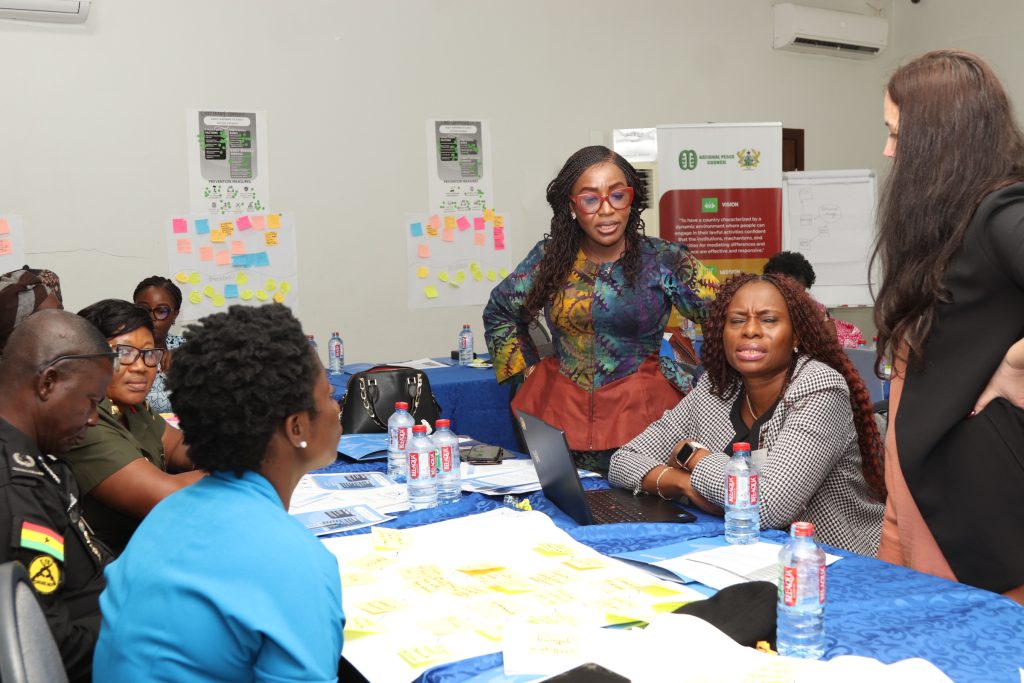
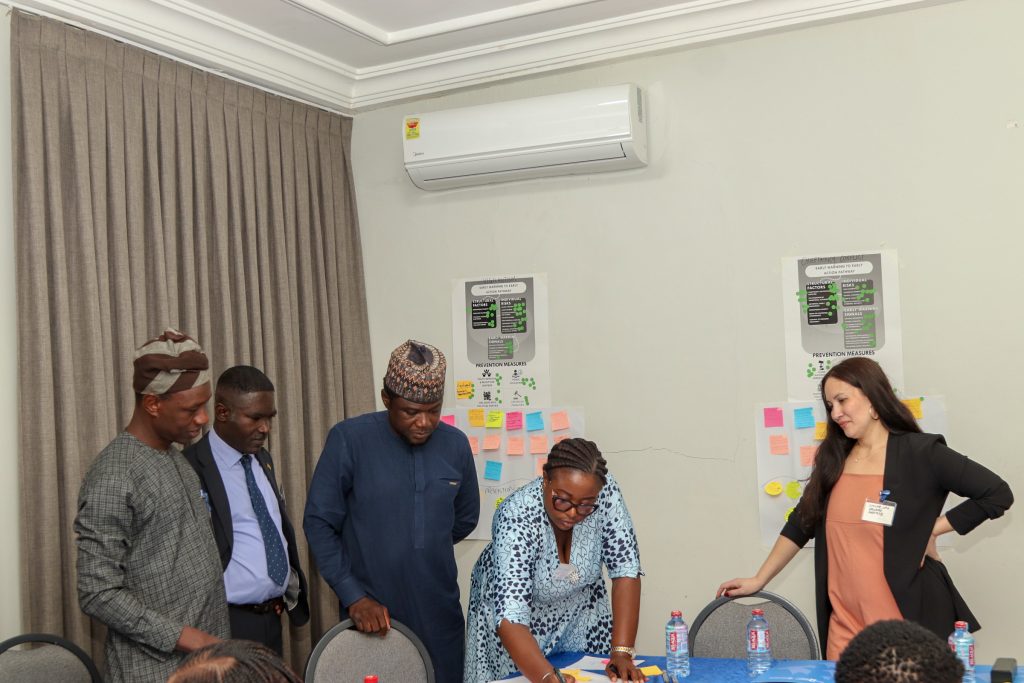
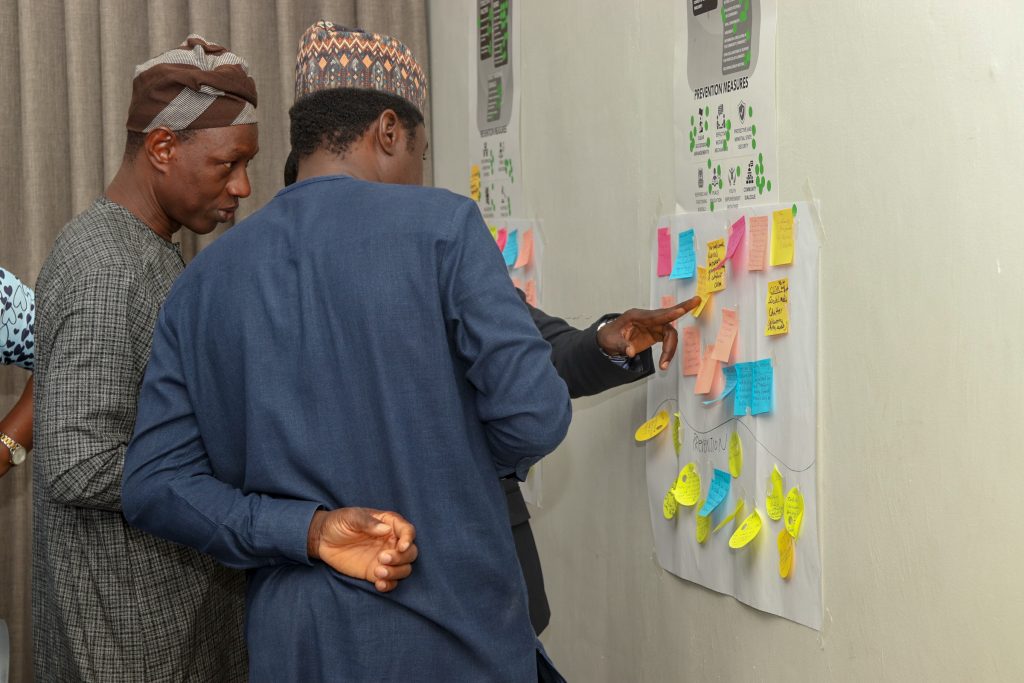
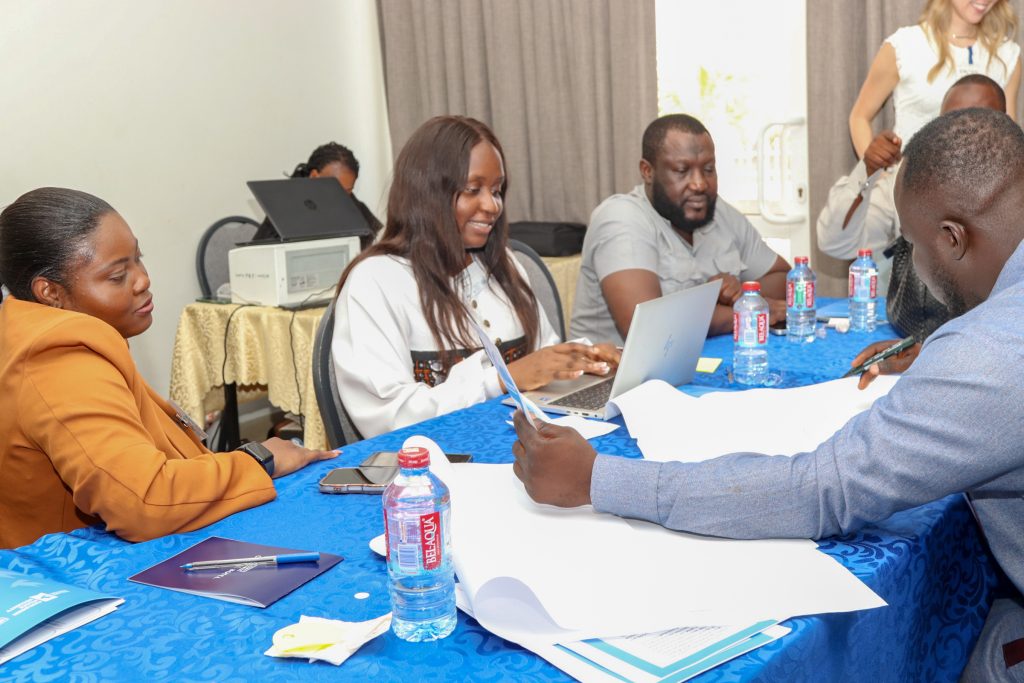
Participants reviewed and validated the EW2EA pathways developed during the community consultations and explored practical approaches to translating early warning into coordinated early action. Key areas of discussion included identifying drivers and indicators linked to recruitment into armed violence, clarifying stakeholder roles and response mechanisms, strengthening coordination systems, and embedding child protection considerations within peacebuilding and early warning frameworks.
The workshop also highlighted the need for sustainable multi-stakeholder coordination, increased information sharing, and stronger community-level prevention systems to address vulnerabilities facing children and youth.
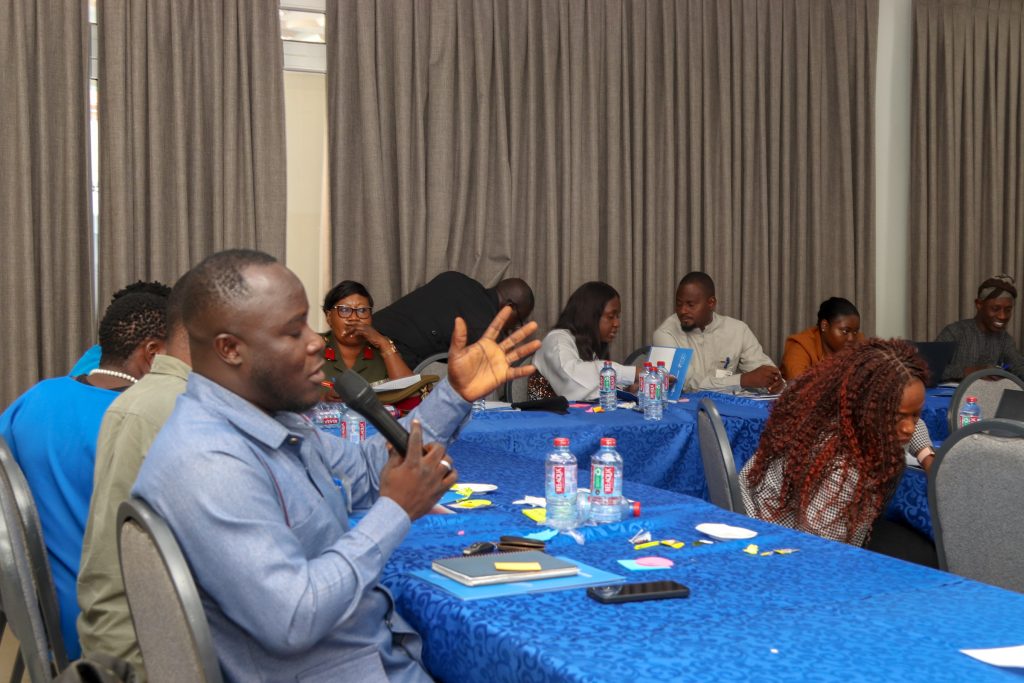
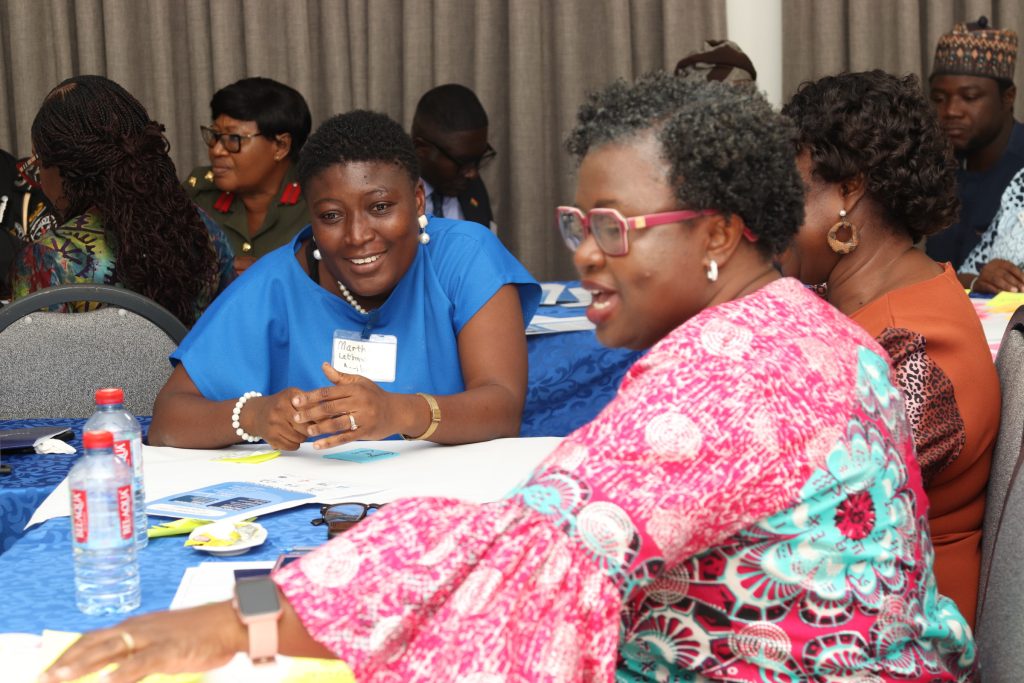
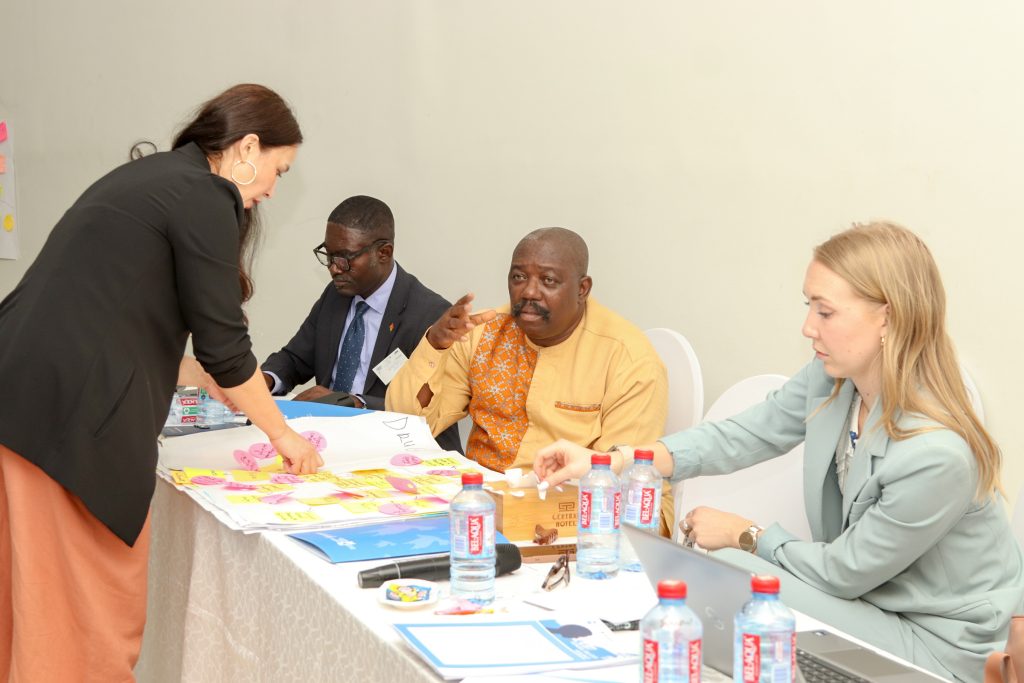
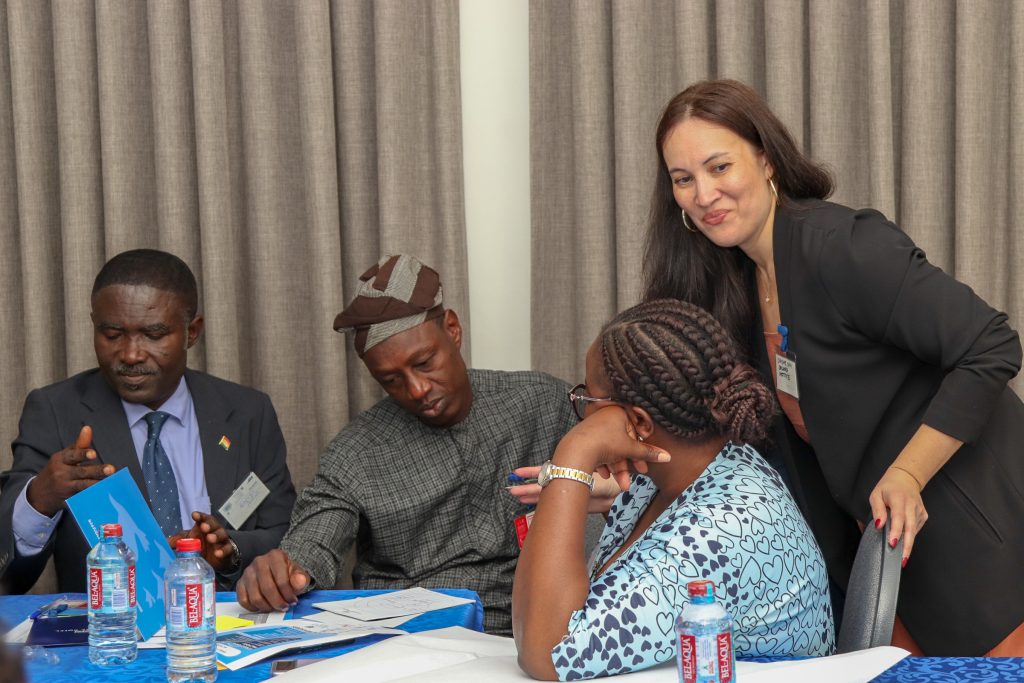
The one-day engagement adopted an interactive and participatory format, featuring presentations, breakout discussions, collaborative reflections, and strategy-building sessions aimed at enhancing collective readiness for coordinated prevention efforts in Ghana.
The outcomes of the workshop are expected to inform the next phase of EW2EA implementation in Ghana, focusing on practical action, sustained institutional collaboration, and integration into existing peace, security, and child protection systems.
Participating stakeholders included representatives from government ministries and agencies, security institutions, the National Peace Council, civil society and community-based organizations, academic institutions, international NGOs, UN agencies, and peacebuilding and child protection experts.
The National Peace Council expressed appreciation to all stakeholders and partners for their commitment and contributions toward strengthening preventive action and safeguarding children and youth from recruitment into armed violence in Ghana.
Funded by: Dallaire Institute for Children, Peace and Security -Dalhousie University