Harmonious Living and Peaceful Coexistence: Mediation as a Pathway to Conflict Resolution – Eastern Region
Region: Eastern Region
Date & Venue: 22nd March 2026 – Church of Pentecost, Nkurakan District
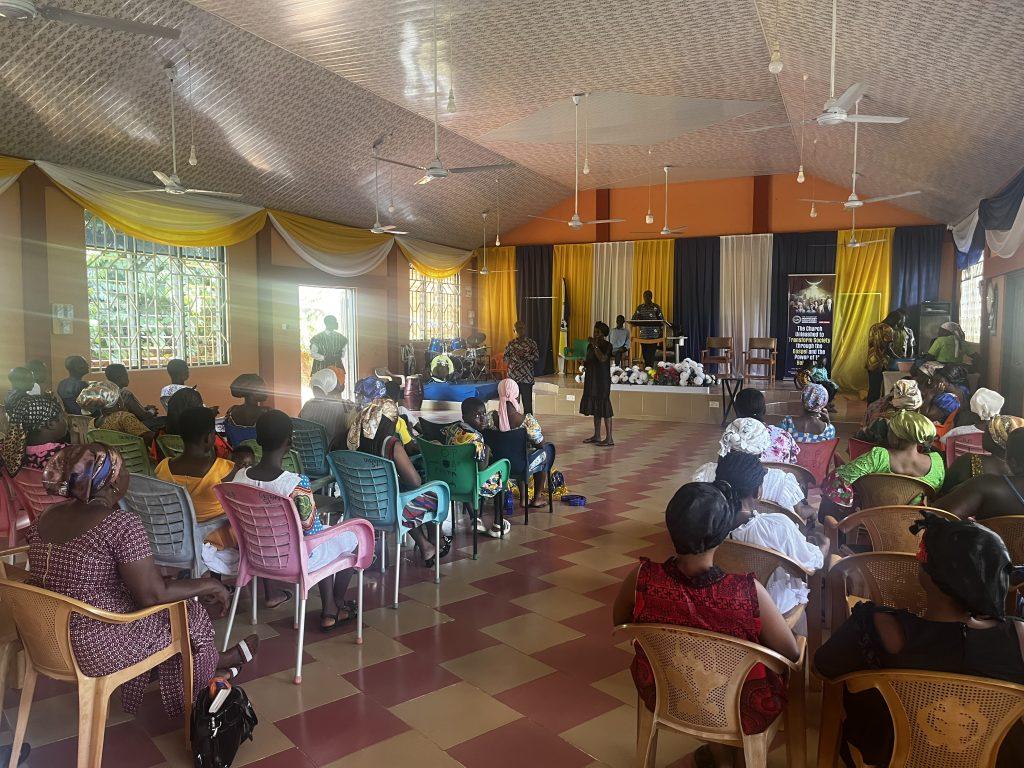
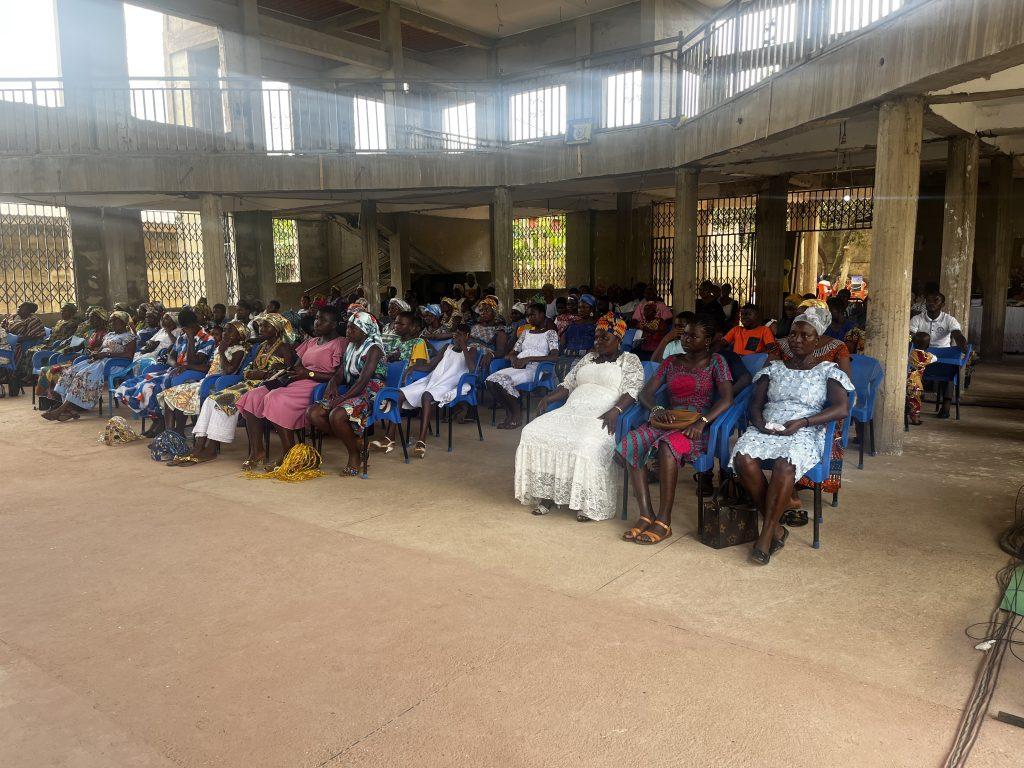
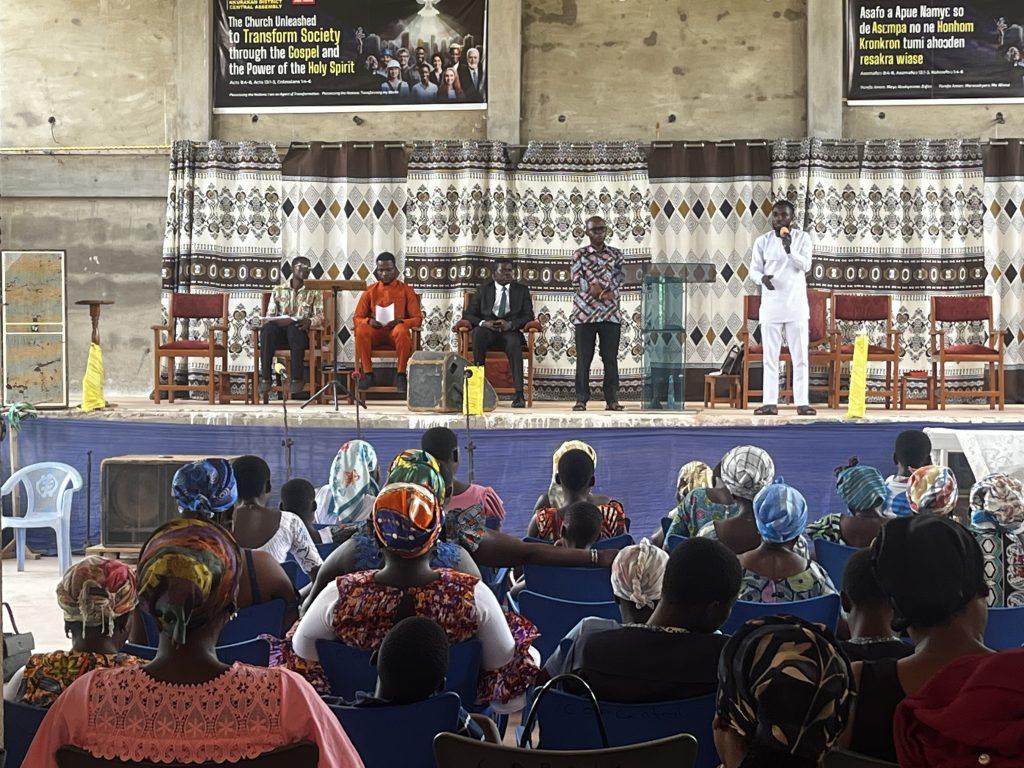
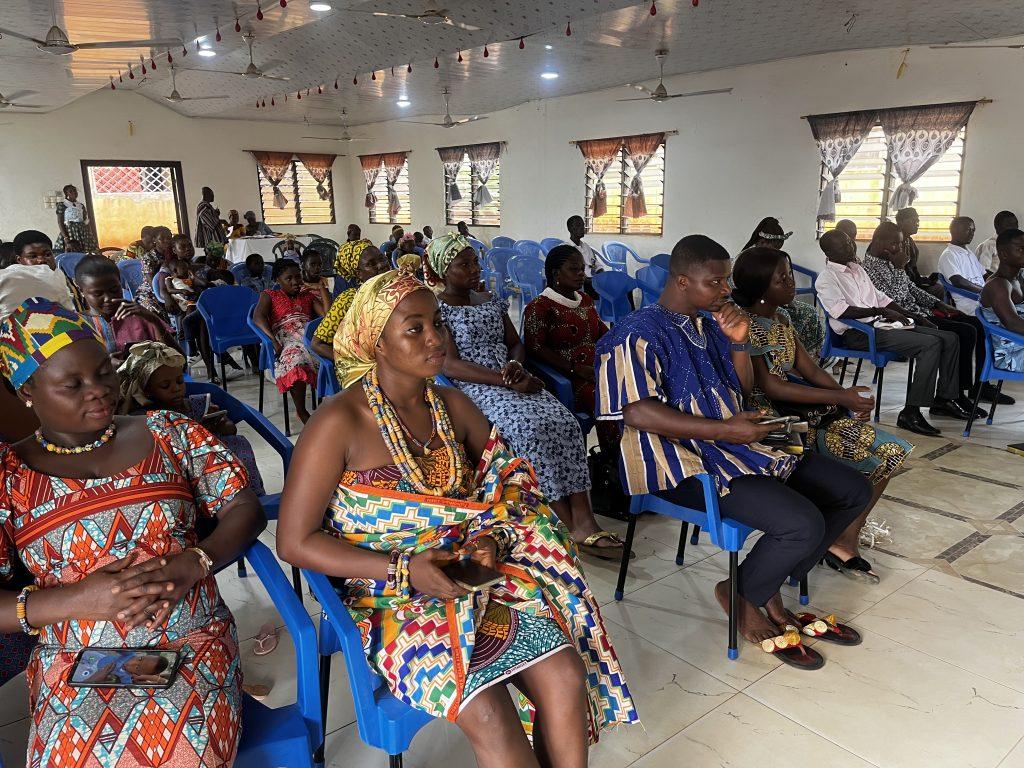
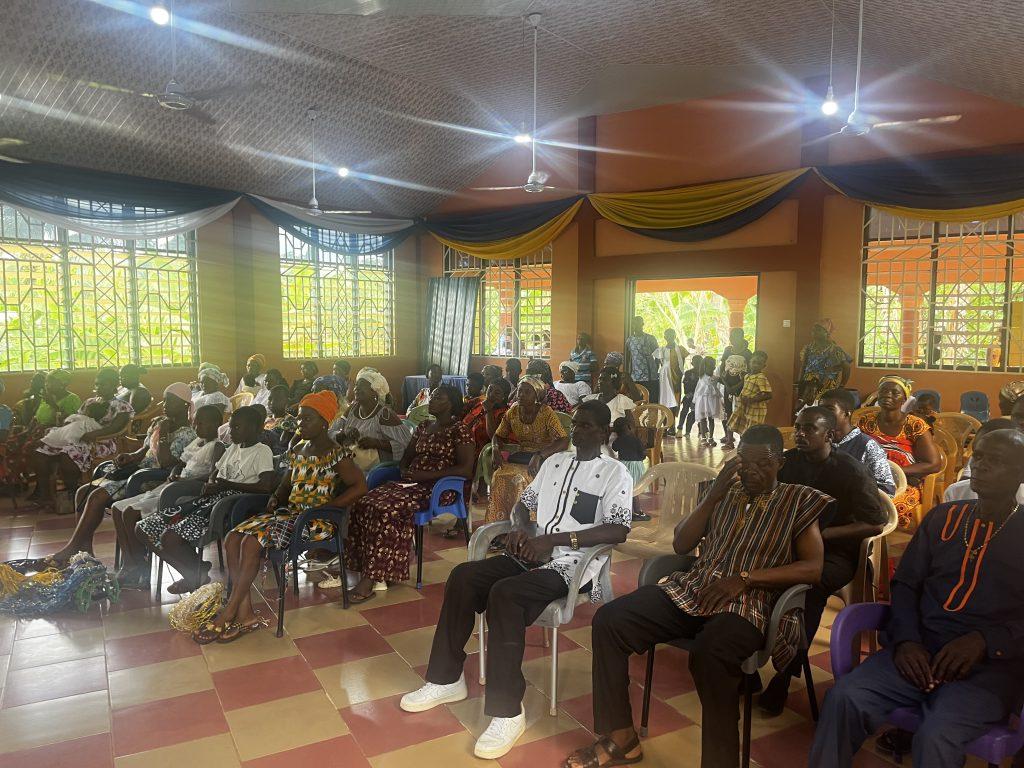
The Eastern Regional Peace Council (ERPC) organized a community peace education program focused on promoting harmonious living and peaceful coexistence through mediation. The initiative engaged community members and church leaders, equipping them with practical conflict resolution skills.
Objectives of the Program
The program aimed to:
- Promote understanding of peaceful coexistence and the importance of living in harmony.
- Equip participants with basic mediation skills for resolving conflicts amicably.
- Encourage dialogue, tolerance, and mutual respect as tools for preventing disputes and sustaining peace.
Expected Outcomes
Participants were expected to:
- Increase awareness of the value of peaceful coexistence and unity.
- Improve their ability to resolve conflicts through mediation and dialogue rather than confrontation.
- Strengthen relationships within the community, reducing tensions and disputes.
Highlights from Key Addresses
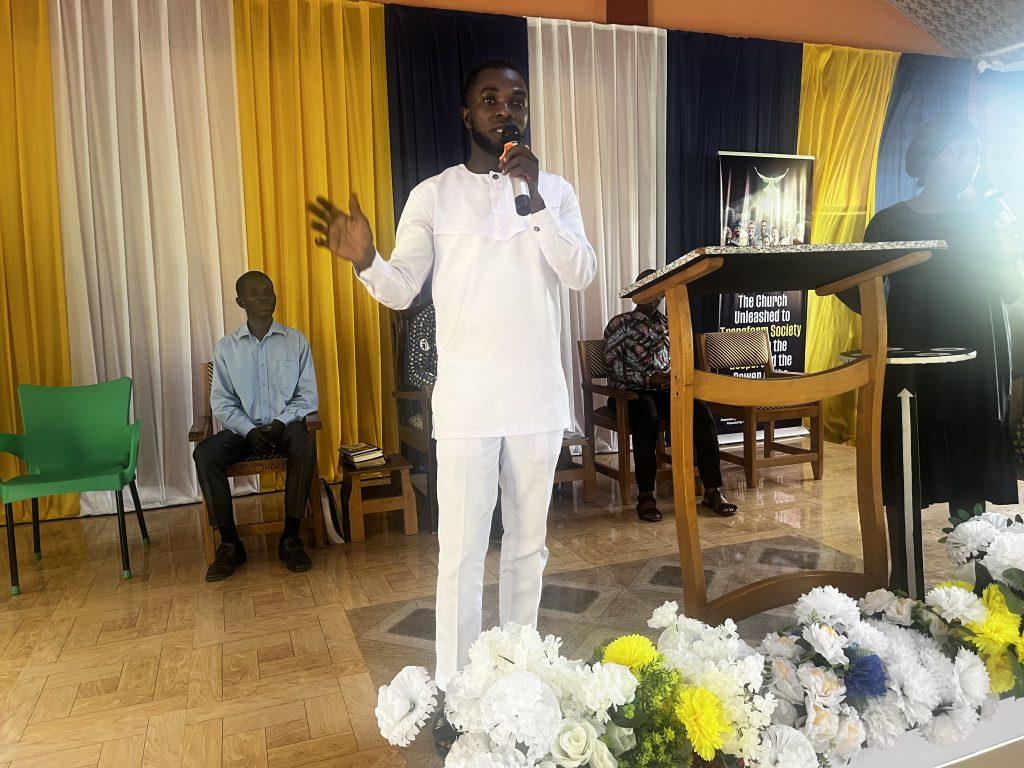
Mr. Osmond Appiah Danquah – Senior Programs Manager, ERPC
Mr. Danquah emphasized that peaceful coexistence is essential for community development and social stability. He noted that while conflicts are inevitable, effective management determines whether they lead to division or unity.
He introduced mediation as a practical approach that allows parties to communicate openly, understand each other’s perspectives, and reach mutually acceptable solutions without hostility. He further stressed that harmonious living requires patience, respect, forgiveness, and active listening. Participants were encouraged to apply mediation in their daily lives—within families, churches, and the broader community—to foster lasting peace.
Participating Institutions
- Eastern Regional Peace Council (ERPC)
- The Church of Pentecost, Nkurakan District
This program strengthened community members’ capacity to manage disputes constructively, fostering a culture of dialogue, understanding, and sustainable peace in Nkurakan.