Savannah Regional Peace Council Strengthens Community Resilience Against Violent Extremism in Bole Municipality
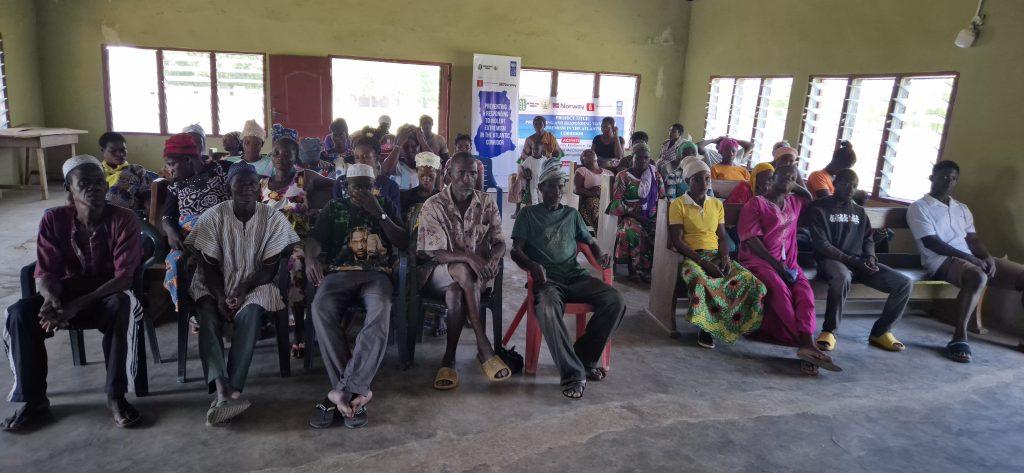
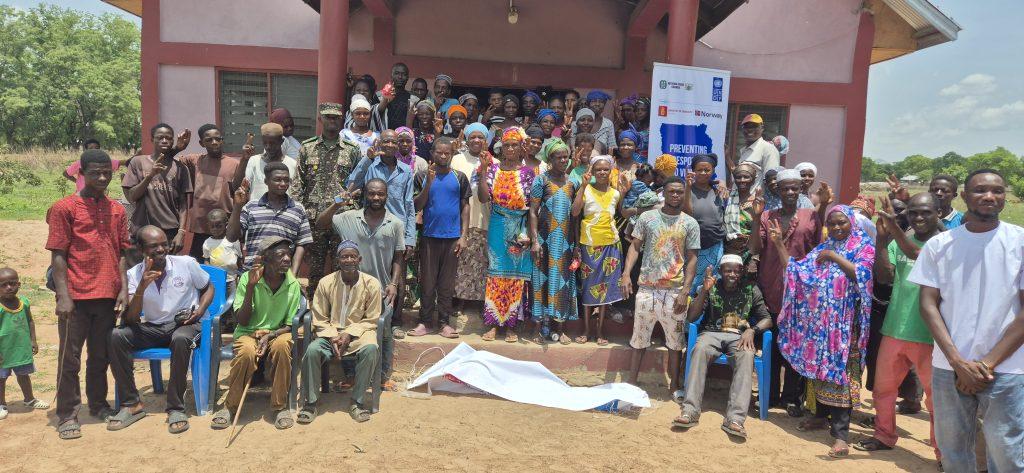
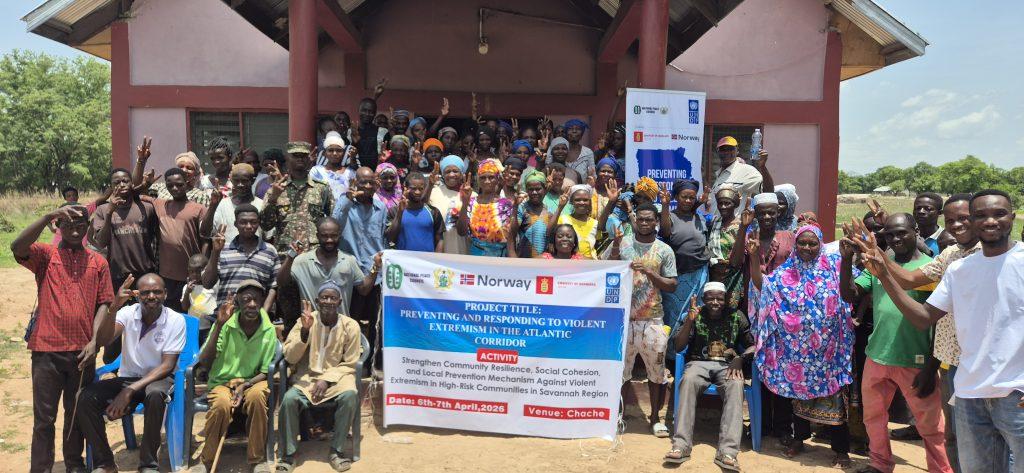
The Savannah Regional Peace Council organized a two-day training programme in Chache, within the Bole Municipality of the Savannah Region, as part of efforts to prevent and respond to violent extremism in the Atlantic Corridor.
The training, held from 6th to 7th April 2026 at the Chache Pentecost Church, was supported by the United Nations Development Programme (UNDP), with co-funding from the Embassies of Norway and Denmark.
Programme Overview
The initiative, themed Preventing and Responding to Violent Extremism in the Atlantic Corridor, focused on strengthening community resilience, social cohesion, and local prevention mechanisms in high-risk communities including Chache, Chieyiri, Jang, and Mempeasem.
Objectives of the Training
The programme aimed to:
- Enhance the capacity of community leaders to understand violent extremism dynamics, drivers, and prevention strategies
- Strengthen community-based Early Warning and Early Response (EWER) systems
- Promote inclusive, community-led dialogue and collaboration among stakeholders
Expected Outcomes
The training was designed to:
- Improve knowledge and awareness of violent extremism, radicalization pathways, and prevention strategies
- Strengthen early warning systems for timely identification and response to emerging threats
- Enhance collaboration and trust among traditional authorities, religious leaders, local government actors, women, and youth
- Reduce tolerance for extremist narratives through increased sensitization
- Increase participation of women and youth in peacebuilding and prevention efforts
- Improve local capacities for conflict prevention and mediation
Key Topics Covered
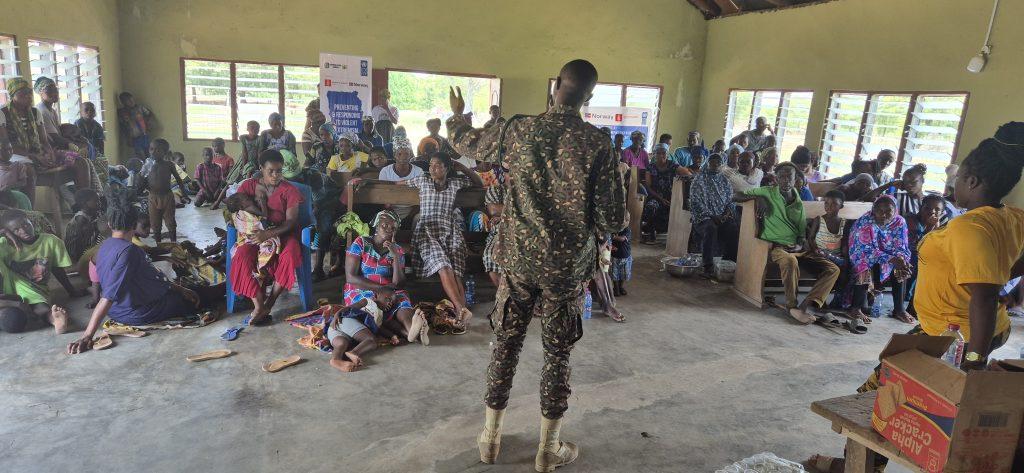
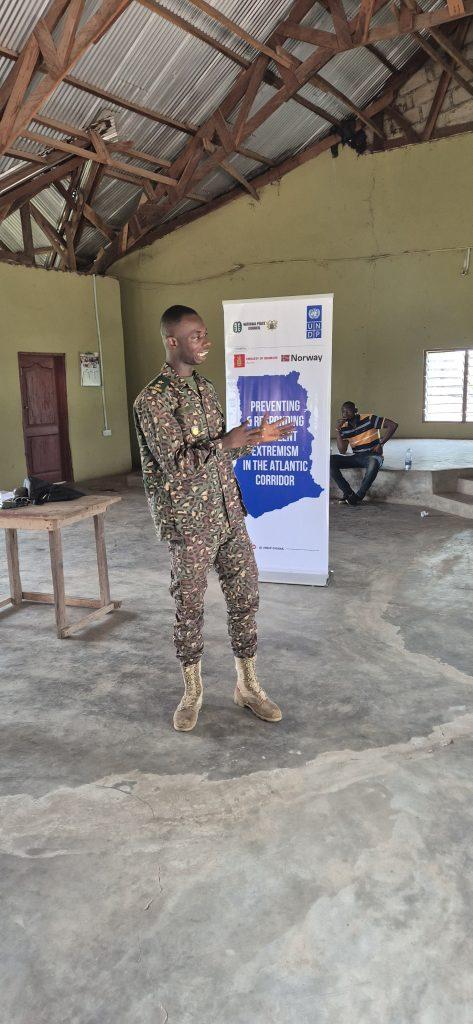
Participants were taken through:
- Understanding violent extremism trends, triggers, and local risk factors
- Early Warning and Early Response (EWER) mechanisms and stakeholder roles
Participation and Stakeholders
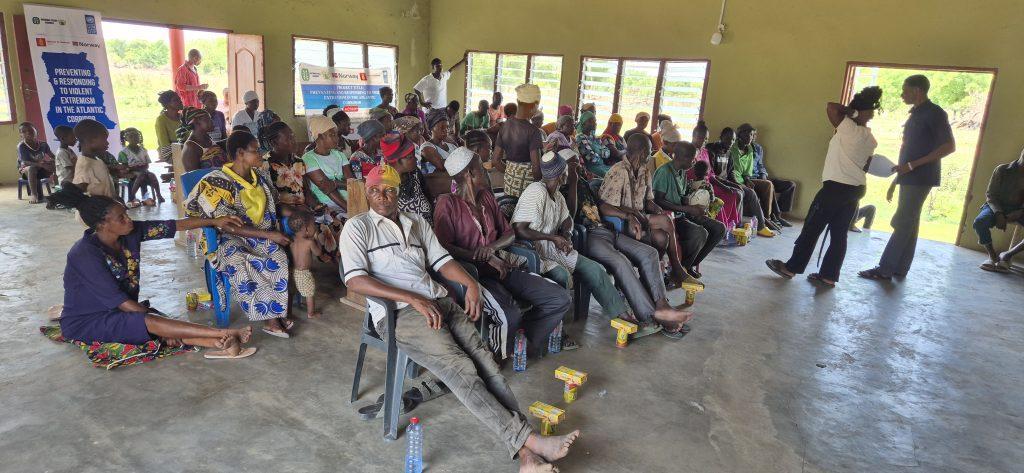
The programme brought together over 50 participants, including assembly members, unit committee members, women, youth groups, traditional and religious leaders from the beneficiary communities.
Key stakeholders included the Ghana Immigration Service (Bole Command) and traditional authorities, highlighting a collaborative, multi-sectoral approach to addressing security and social cohesion challenges in the region.
The engagement reinforced the importance of community-driven approaches in preventing violent extremism and sustaining peace, particularly in border and high-risk communities.