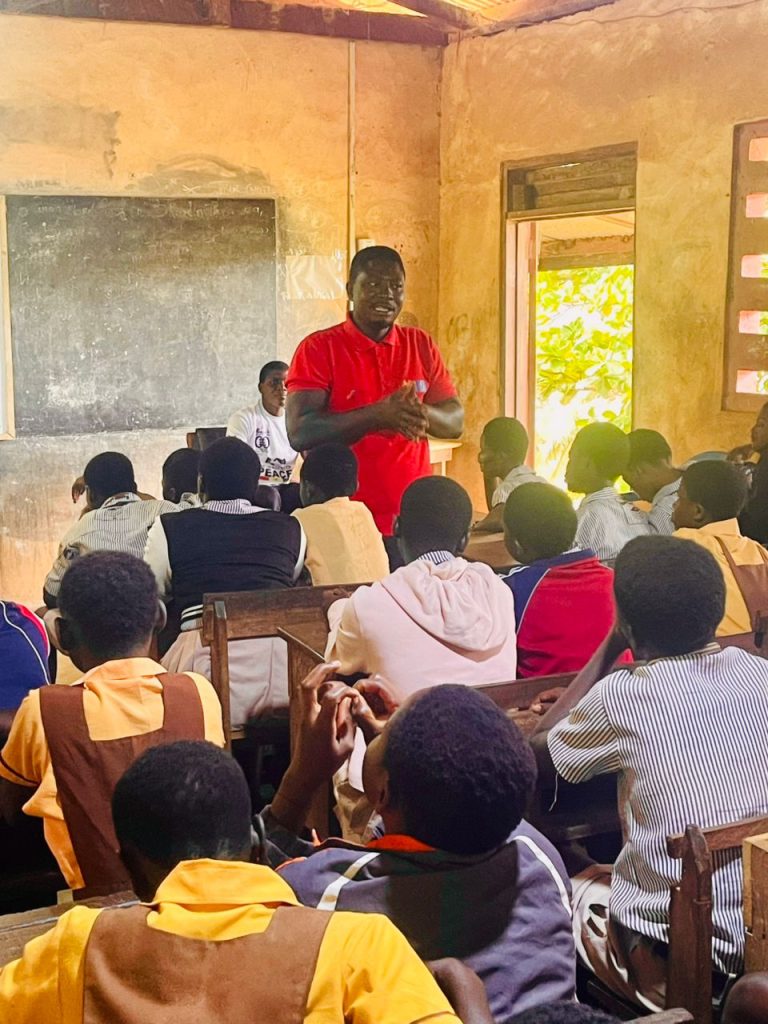
Western North Regional Peace Council Organizes Peace Education and Sensitization Programme for Junior High School Students
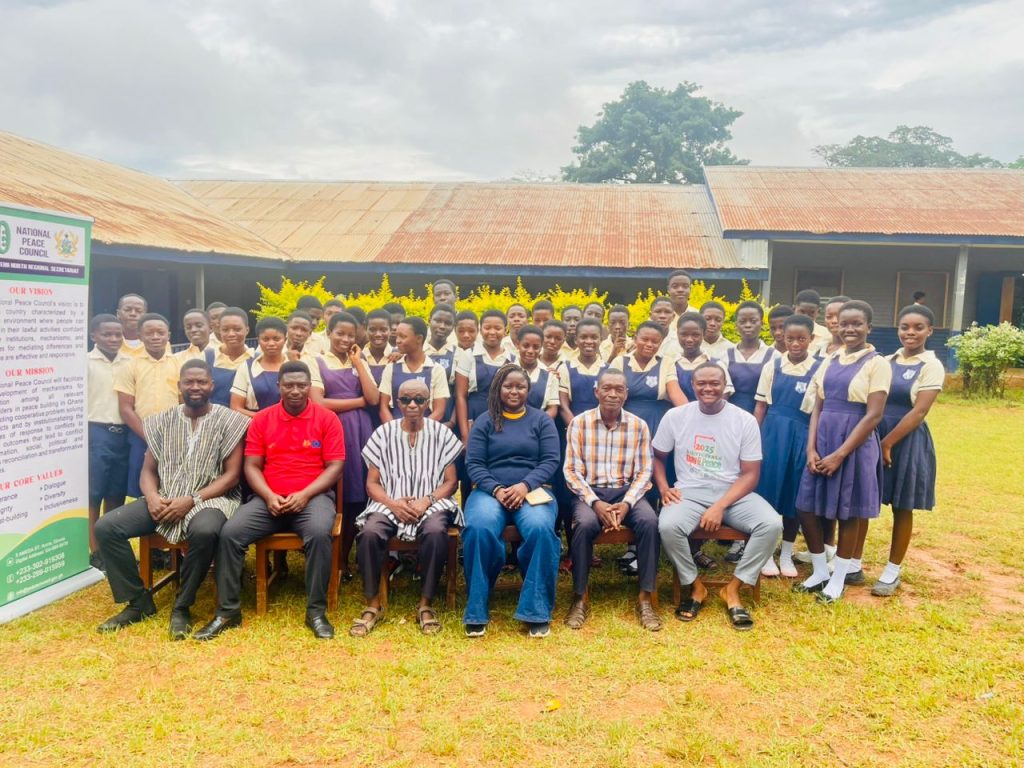
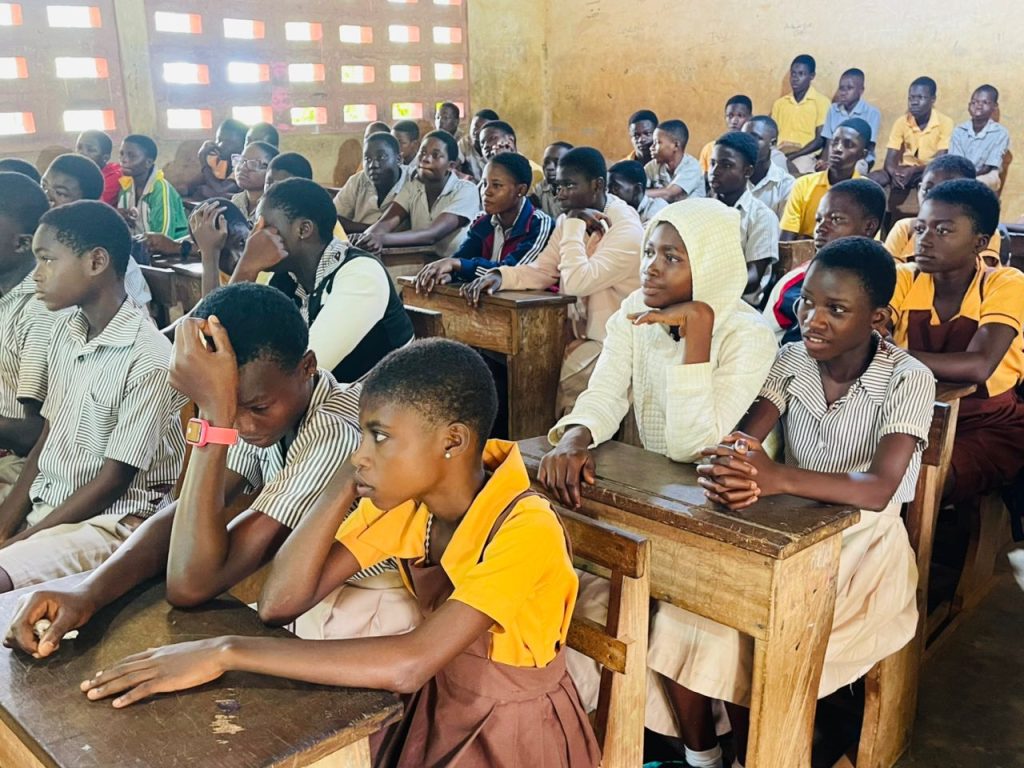
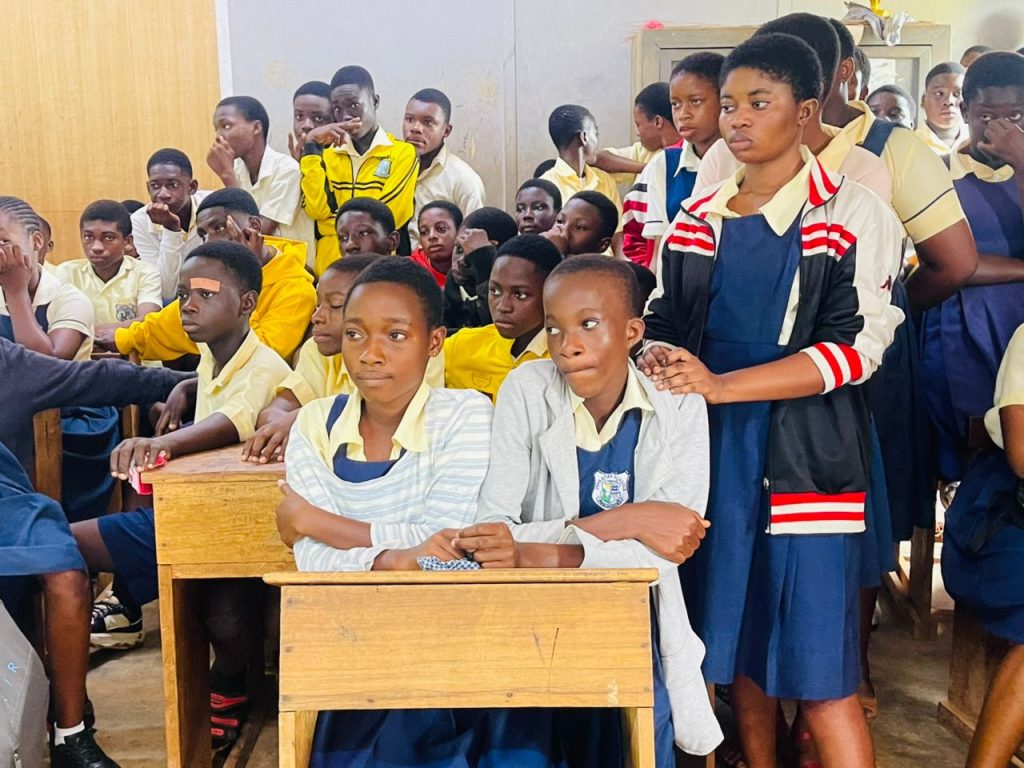
The Western North Regional Peace Council (WNRPC), in collaboration with the National Commission for Civic Education (NCCE), organized a Peace Education and Sensitization programme for students of John Bitar Junior High School and Amafie M/A Junior High School on 4th May 2026.
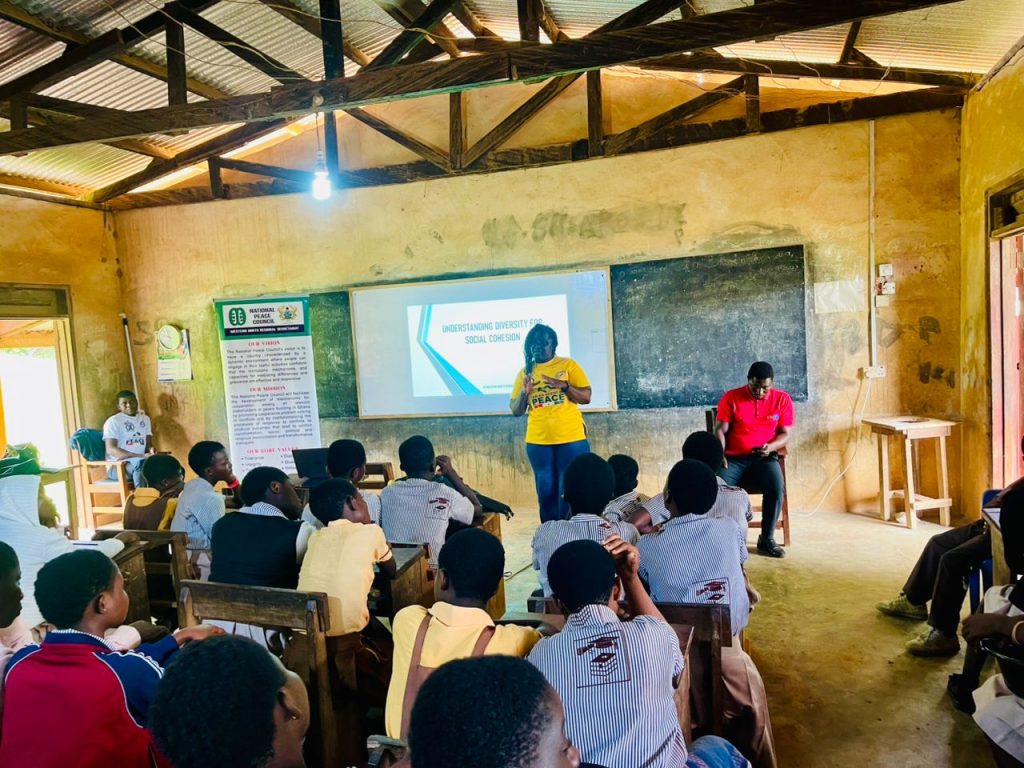
The programme focused on promoting diversity, inclusion, peaceful coexistence, and child protection among students. It formed part of the Council’s ongoing efforts to cultivate values of tolerance, unity, and non-violent conflict resolution within schools and communities across the region.
Speaking during the engagement, Elizabeth Boduwah, Ag. Regional Executive Secretary of the WNRPC, explained that diversity reflects the differences among individuals, including tribe, religion, language, culture, and ways of thinking. She emphasized that schools and communities are made up of people from different backgrounds and that these differences should be respected rather than used as grounds for discrimination or exclusion.
She noted that exclusion and prejudice can create division and conflict, while inclusion promotes friendship, cooperation, mutual respect, and peaceful coexistence among students. She encouraged participants to appreciate one another’s uniqueness and work together to build harmonious school environments.
Also addressing the students, Stephen Owusu, Programmes Manager of the NCCE, highlighted the Commission’s mandate to educate, empower, and mobilize citizens on their rights and responsibilities, particularly regarding child safety and protection.
He reminded students that they have a right to protection and urged them to remain vigilant in light of increasing cases of child kidnapping and related crimes within the country. He cautioned students against accepting gifts, assistance, or invitations from strangers, noting that kidnappers may sometimes appear friendly in order to gain trust.
The programme equipped students with practical knowledge on respecting diversity, preventing conflict, and ensuring personal safety. It also reinforced the importance of creating inclusive and peaceful school environments where every student feels respected, protected, and valued.
The engagement was attended by teaching staff, students, and officials from both the Western North Regional Peace Council and the National Commission for Civic Education.