Eastern Regional Peace Council Educates Students on Conflict and Violence Prevention under the Safe School Project
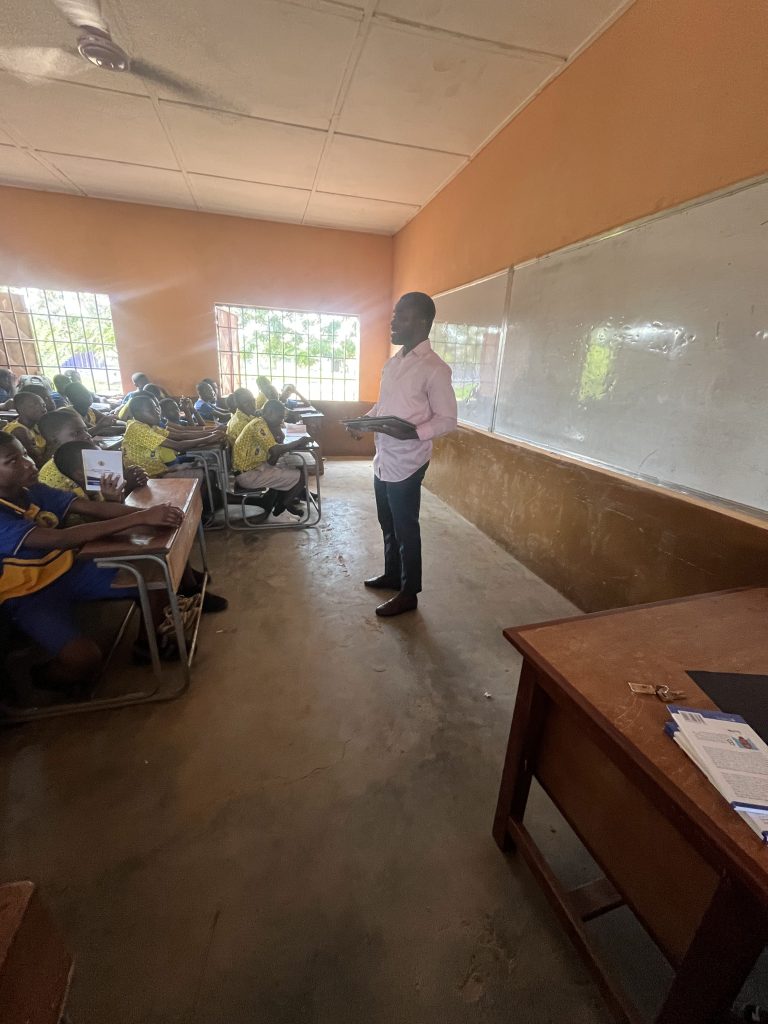
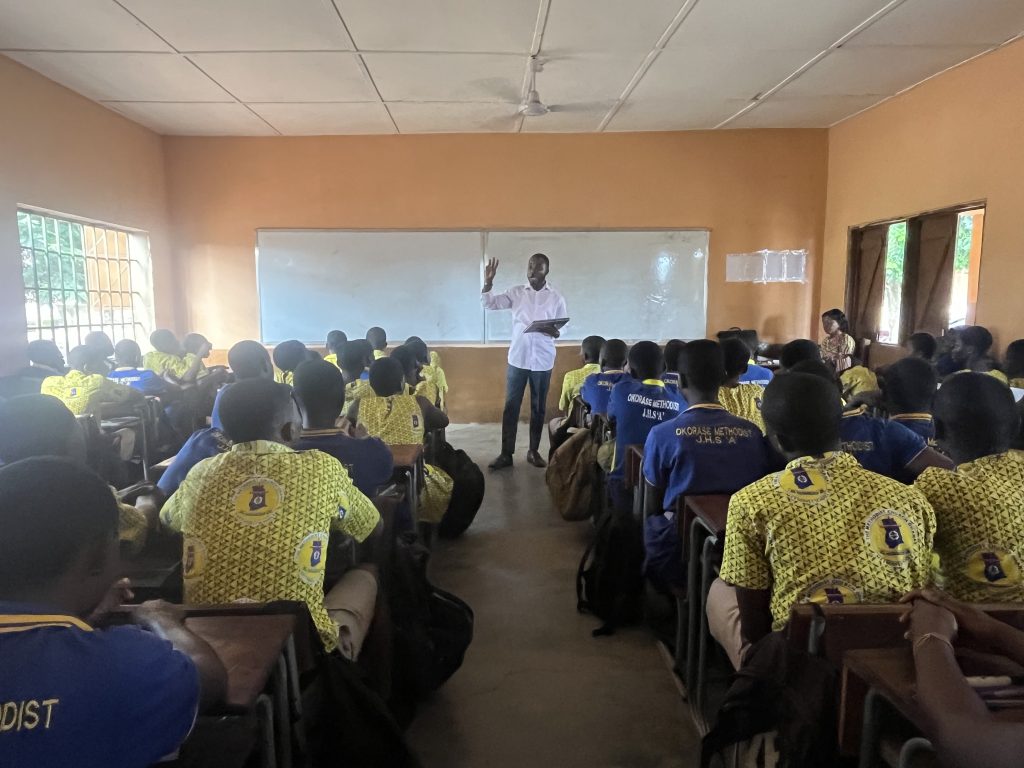
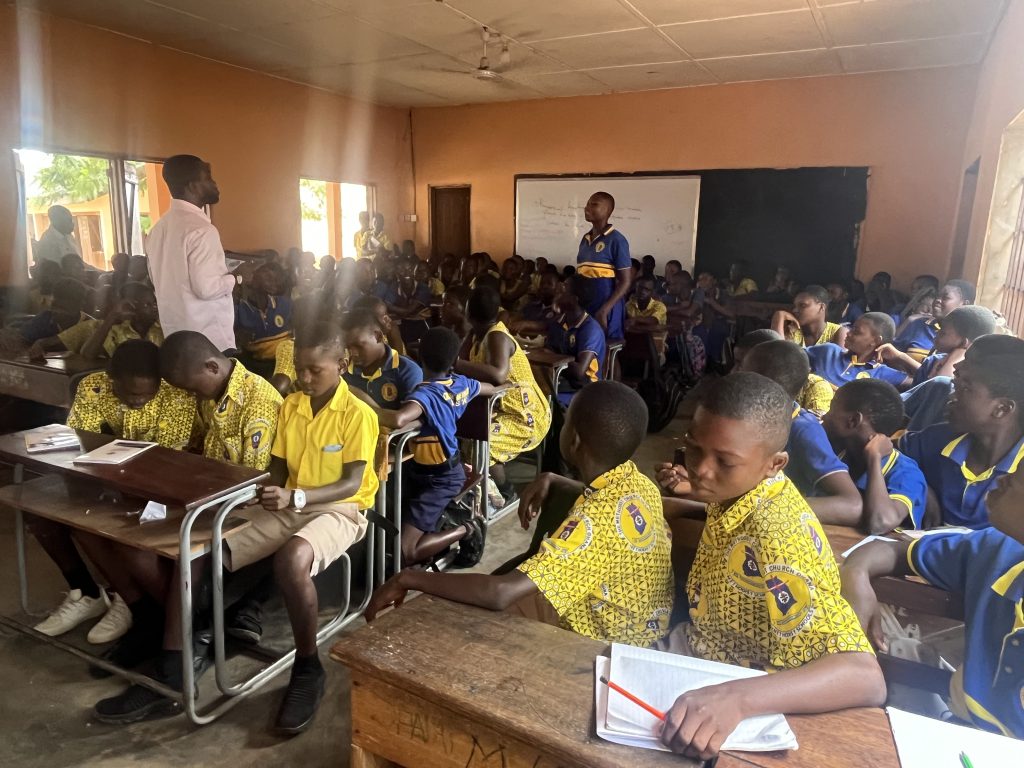
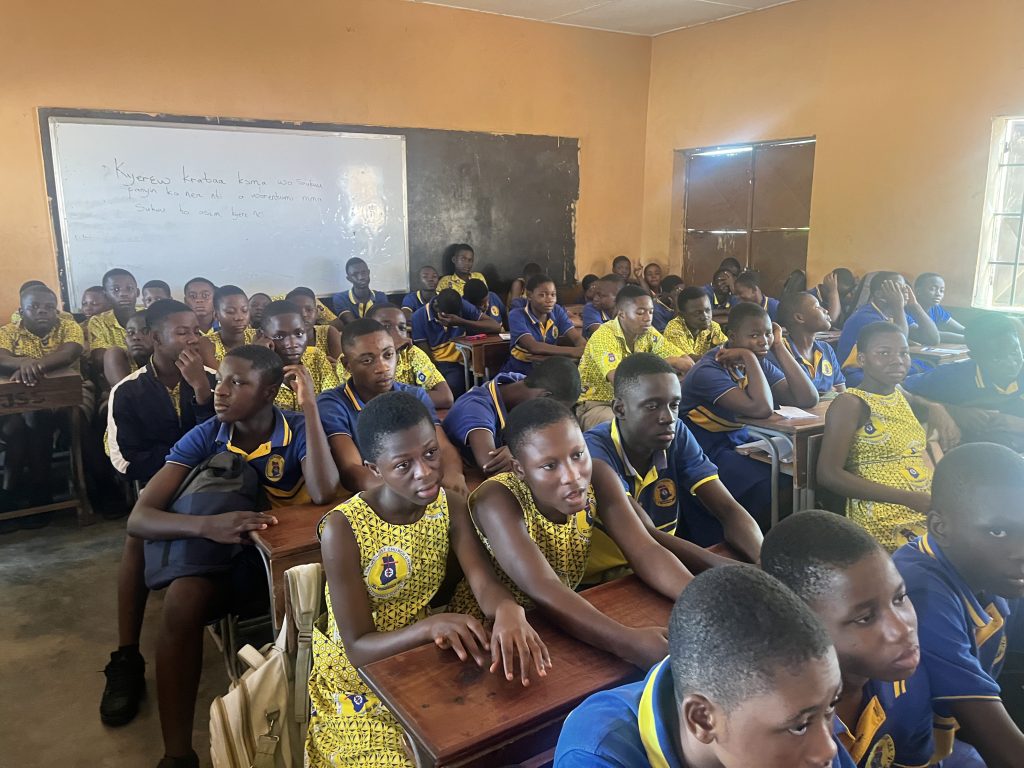
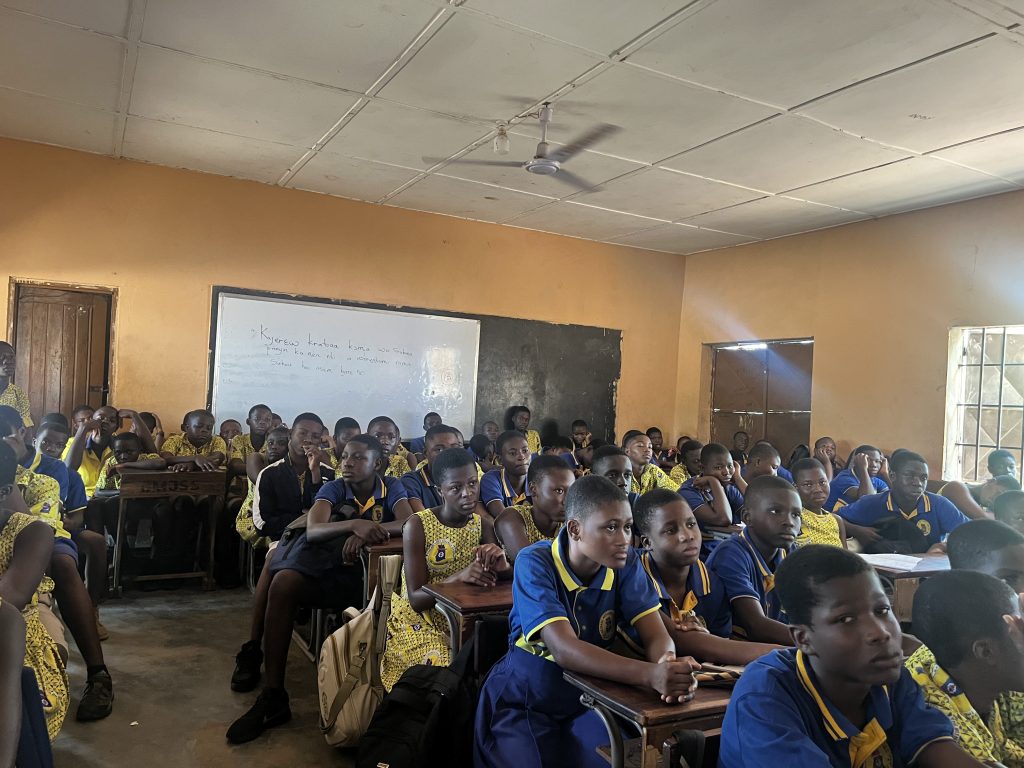
The Eastern Regional Peace Council (ERPC) organized a sensitization programme on Understanding Conflict and Violence Prevention at Okorase Methodist JHS A on Wednesday, 3rd June 2026, as part of its ongoing Safe School Project aimed at promoting peaceful learning environments and strengthening peacebuilding among students.
The programme sought to educate students on the causes, forms, and consequences of conflict and violence, while equipping them with practical skills for peaceful conflict resolution and violence prevention. It also aimed to promote responsible behaviour, tolerance, discipline, and peaceful coexistence among students.
Promoting Peaceful Conflict Resolution in Schools
Addressing the students, Mr. Osmond Appiah Danquah, Senior Programs Manager of the Eastern Regional Peace Council, delivered a presentation on Understanding Conflict and Violence Prevention.
He explained that conflict is a natural part of human interaction and can occur in schools, homes, and communities. However, he emphasized that when conflicts are not properly managed, they can escalate into violence with serious consequences for individuals and society.
Mr. Danquah highlighted some of the common causes of conflict among students, including misunderstandings, bullying, peer pressure, poor communication, and intolerance. He noted that such issues, when left unresolved, can negatively affect relationships, discipline, and academic performance.
Understanding the Effects of Violence
Students were educated on the harmful effects of violence, including physical injuries, fear, insecurity, indiscipline, emotional trauma, and poor academic outcomes. Participants were encouraged to recognize the dangers associated with violent behaviour and to reject actions that threaten peace within the school environment.
Mr. Danquah stressed that violence is never the solution to disagreements and encouraged students to adopt peaceful approaches to resolving conflicts.
Encouraging Students to Become Peace Ambassadors
The presentation emphasized the importance of dialogue, mutual respect, tolerance, patience, and understanding as effective tools for resolving disputes. Students were encouraged to seek assistance from teachers, school authorities, parents, and trusted adults whenever conflicts arise.
He further challenged students to become ambassadors of peace by promoting non-violence, discipline, respect for diversity, and positive behaviour among their peers and within their communities.
According to him, creating safe and peaceful schools requires the collective effort of students, teachers, parents, and community members.
Building Safe Learning Environments
The sensitization programme forms part of the Eastern Regional Peace Council’s broader efforts to strengthen peace education and conflict prevention within educational institutions. Through the Safe School Project, the Council continues to empower young people with the knowledge and skills needed to prevent violence and contribute positively to peaceful and supportive learning environments.
Participating Institutions
The programme was attended by representatives from:
- Eastern Regional Peace Council (ERPC)
- Okorase Methodist JHS A
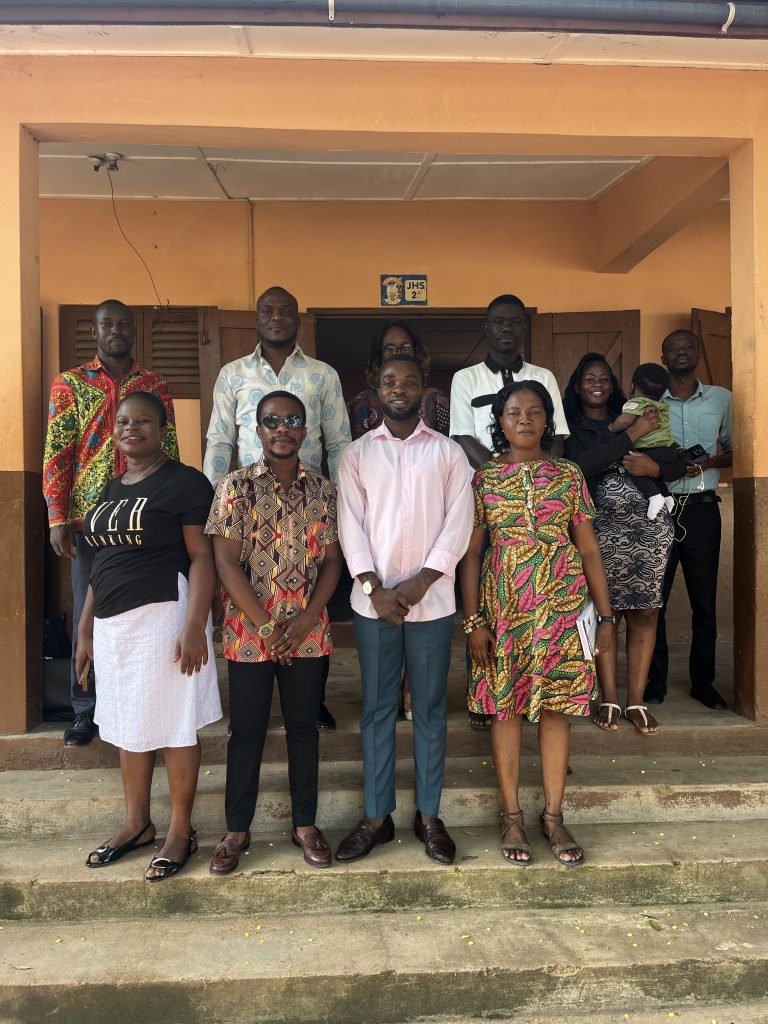
Dignitaries present included:
- Mr. Osmond Appiah Danquah, Senior Programs Manager, ERPC
- Mrs. Vida Amponsah Amoako, Headmistress, Okorase Methodist JHS A
- Mr. Joshua Sarpong Boafo, National Service Personnel, ERPC
- Teachers and staff of Okorase Methodist JHS A
Approximately 150 students participated in the educational sensitization programme.
Conclusion
The programme successfully enhanced students’ understanding of conflict, violence prevention, and peaceful coexistence. By encouraging dialogue, tolerance, and responsible behaviour, the initiative contributes to the creation of safer schools and the development of a new generation of young peacebuilders within the Eastern Region.