NPC Empowers Queen Mothers as Key Agents of Community Peacebuilding
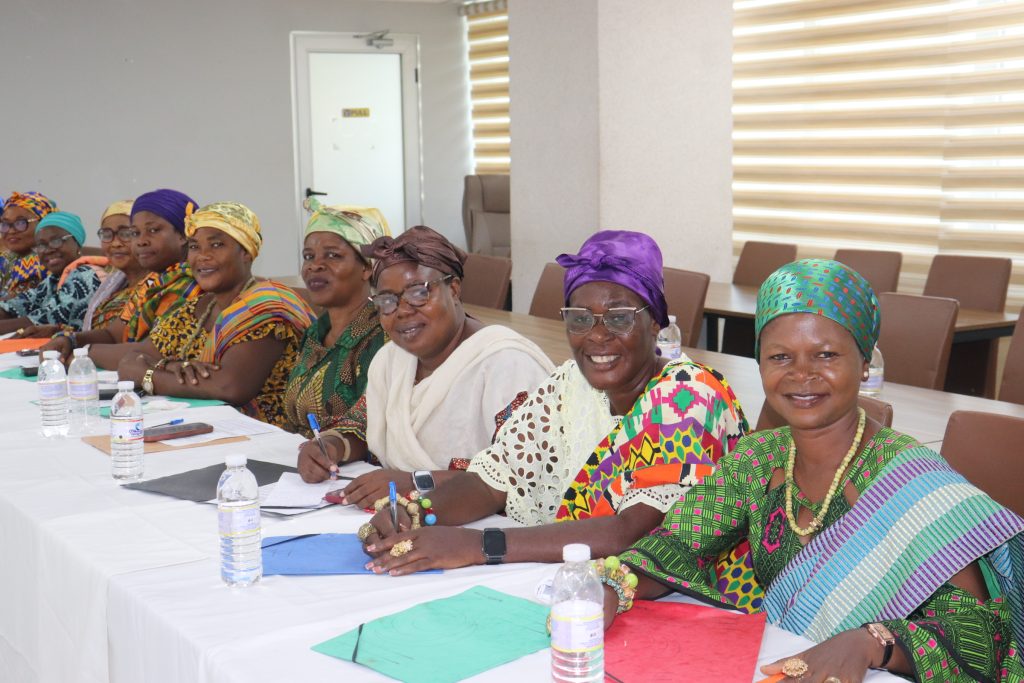
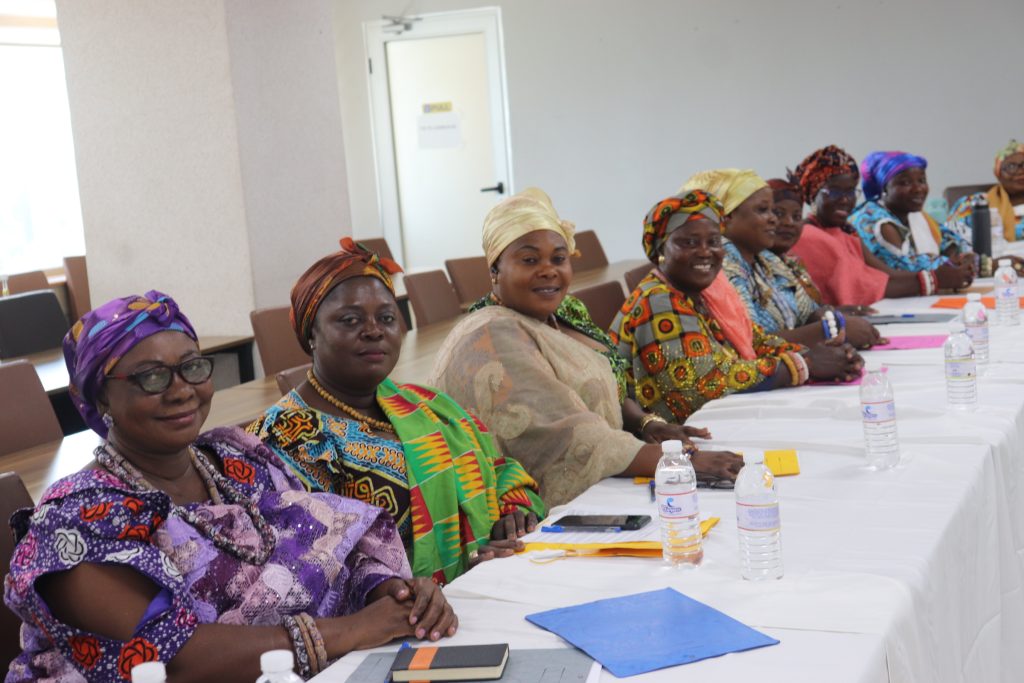
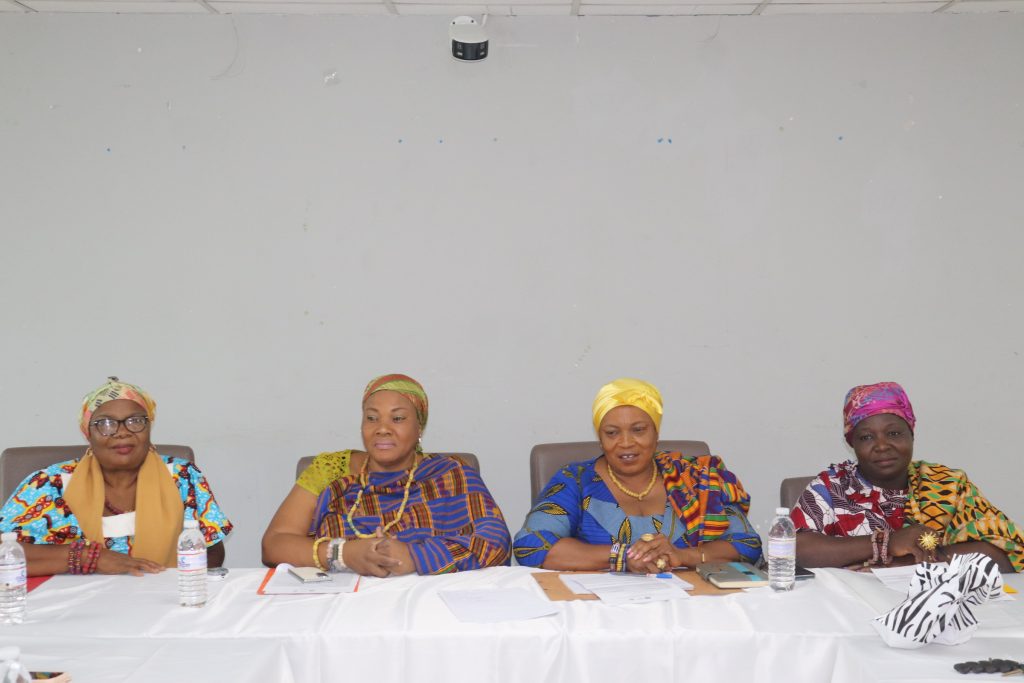
The National Peace Council (NPC) has reaffirmed its commitment to grassroots peacebuilding through a two-day capacity-building workshop designed to equip Queen Mothers with practical skills in peacebuilding, conflict resolution, social cohesion, and community leadership.
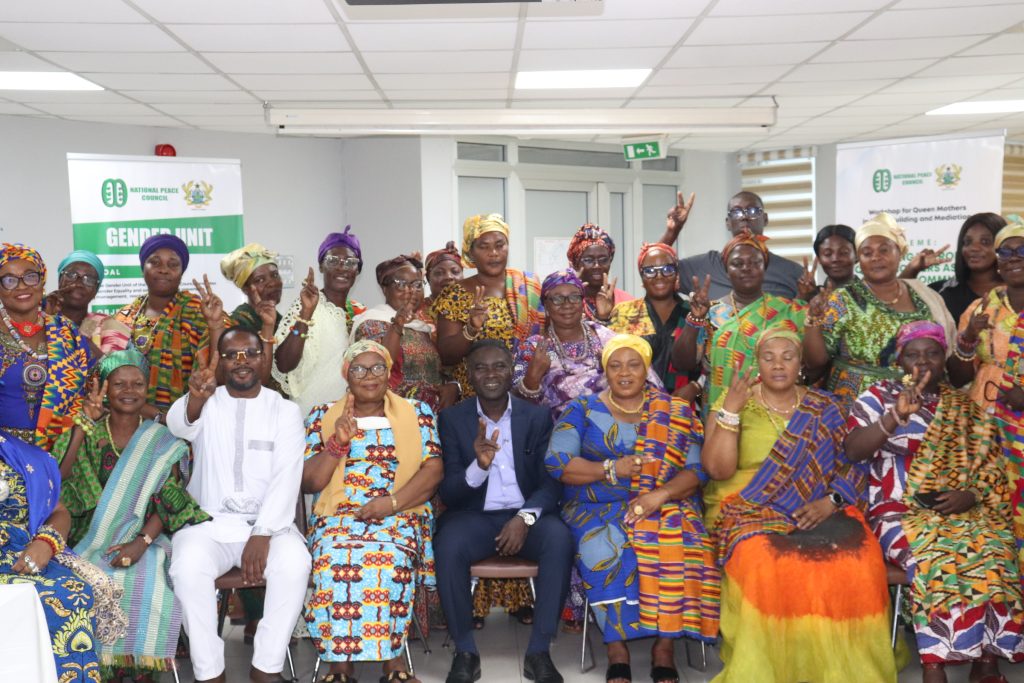
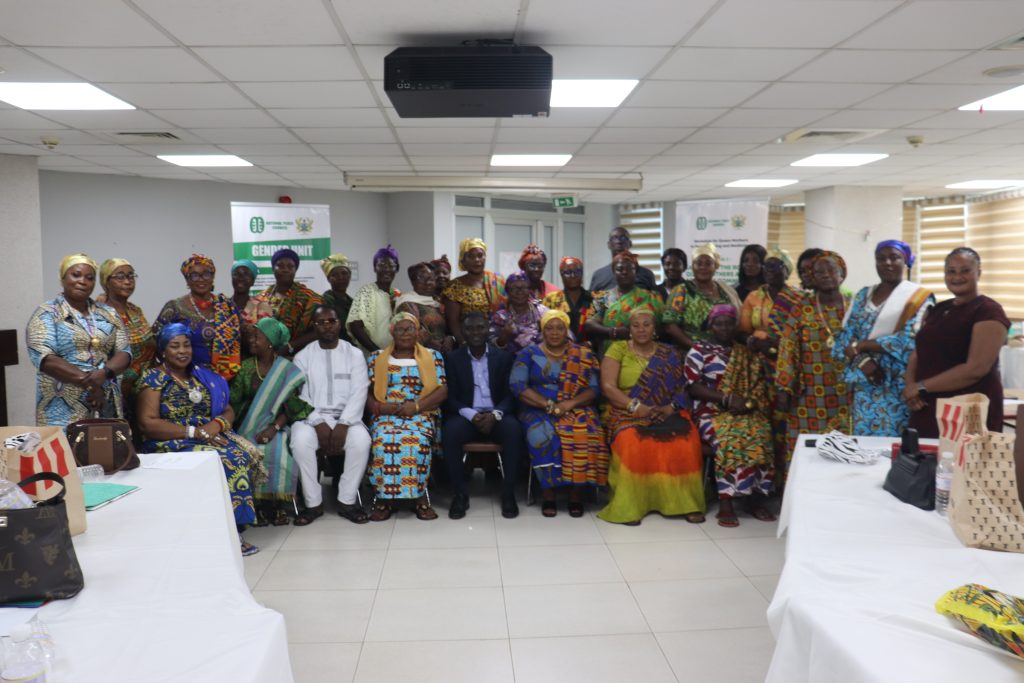
The training, held under the theme, “Amplifying the Role of Queen Mothers as Key Agents of Community Peacebuilding,” brought together Queen Mothers from across the country to strengthen their capacity to contribute meaningfully to peace and stability within their traditional areas.
Recognising the Unique Role of Queen Mothers
For generations, Queen Mothers have played a pivotal role in Ghanaian society as custodians of culture, guardians of moral values, and mediators in community disputes. Their influence extends beyond traditional leadership, often shaping attitudes, behaviours, and decisions within families and communities.
Recognising this important role, the National Peace Council continues to promote the inclusion of traditional women leaders in peacebuilding processes. The workshop was therefore aimed at enhancing participants’ knowledge and skills to effectively address conflicts, foster dialogue, and promote peaceful coexistence within their communities.
Strengthening Capacity for Grassroots Peacebuilding
Addressing participants at the opening session, Madam Susan Aryeetey, a Member of the NPC Governing Board, underscored the importance of empowering Queen Mothers to become stronger advocates for peace.
She highlighted the critical role they play in conflict prevention and resolution and encouraged them to use their positions to promote tolerance, dialogue, and unity within their respective traditional areas.
Madam Aryeetey also took participants through the provisions of the National Peace Council Act, 2011 (Act 818), outlining the Council’s mandate, functions, and achievements over the years. She encouraged the Queen Mothers to support and promote the work of the Council as partners in advancing sustainable peace across the country.
Building Sustainable Peace Through Inclusion
The workshop attracted support and commendation from development partners who acknowledged the importance of women’s leadership in peacebuilding.
Mr. Carl Ampah, National Professional Officer for Culture at UNESCO, noted that sustainable peace cannot be achieved solely through political settlements or legal frameworks. According to him, lasting peace requires community participation, cultural understanding, and inclusive leadership. He commended the National Peace Council for recognising the potential of Queen Mothers and creating a platform to strengthen their peacebuilding capacities.
Similarly, Madam Charity Nikoi, Social and Behavioural Change Specialist at UNICEF Ghana, praised the initiative and reaffirmed UNICEF’s commitment to supporting women-led efforts that promote peace and social cohesion. She emphasised the influence of Queen Mothers in shaping community values and fostering positive social change.
Queen Mothers Reaffirm Commitment to Peace
The Paramount Queen Mother of the Osudoku Traditional Area and President of the National Queen Mothers Platform Ghana, Nana Amposah Dokua III, expressed appreciation to the National Peace Council for the initiative.
She described Queen Mothers as custodians of culture, peace, and social harmony, stressing that they remain well-positioned to contribute significantly to conflict prevention and mediation efforts across the country.
Nana Amposah Dokua III reaffirmed the commitment of Queen Mothers to promoting peaceful communities and serving as agents of peace rather than victims of conflict. She also appealed to the National Peace Council to intensify efforts towards resolving chieftaincy disputes and other conflicts that continue to affect community development and national cohesion.
Promoting Effective Traditional Leadership
In his remarks, the Executive Secretary of the National Peace Council, Dr. George Amoh, encouraged Queen Mothers to strengthen their leadership structures by establishing registries and maintaining proper records of their activities and engagements.
He emphasised that documentation and record-keeping are essential for institutional memory, accountability, and the preservation of traditional knowledge.
Dr. Amoh further urged the Queen Mothers to uphold the dignity and integrity of the chieftaincy institution by conducting themselves in ways that inspire public trust and confidence.
Equipping Participants with Practical Skills
A major component of the workshop focused on practical approaches to conflict management and mediation. Participants received training from the NPC’s Director of Research, Monitoring and Evaluation, Mr. Suallah Quandah, who facilitated sessions on understanding conflict dynamics, mediation techniques, and strategies for peaceful dispute resolution.
The Head of the NPC Gender Unit, Ms. Semefa Asimenu, also led discussions on women’s inclusion in peacebuilding and highlighted the important role women play as agents of change in promoting peace, security, and development.
These sessions provided participants with valuable tools and knowledge to effectively address disputes, promote dialogue, and strengthen social cohesion within their communities.
Looking Ahead
As conflicts become increasingly complex and communities face new social challenges, the role of traditional leaders in peacebuilding remains indispensable. Queen Mothers, with their unique influence and deep community connections, have the potential to serve as powerful advocates for peace and reconciliation.
By investing in their capacity and leadership, the National Peace Council is helping to strengthen community-based mechanisms for conflict prevention and resolution, thereby contributing to a more peaceful and cohesive Ghana.
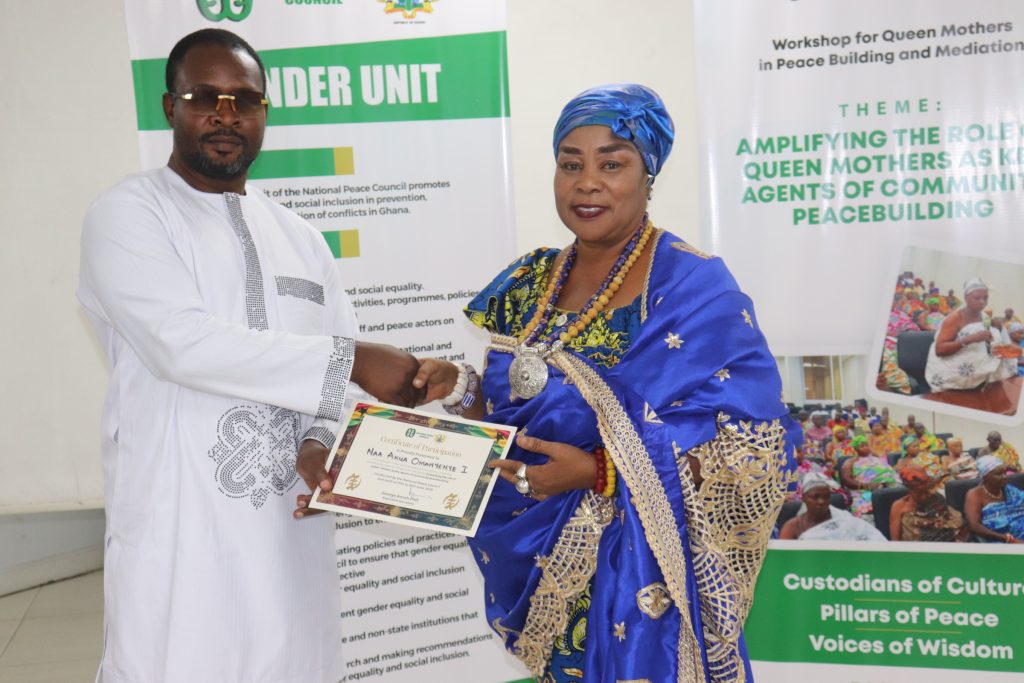
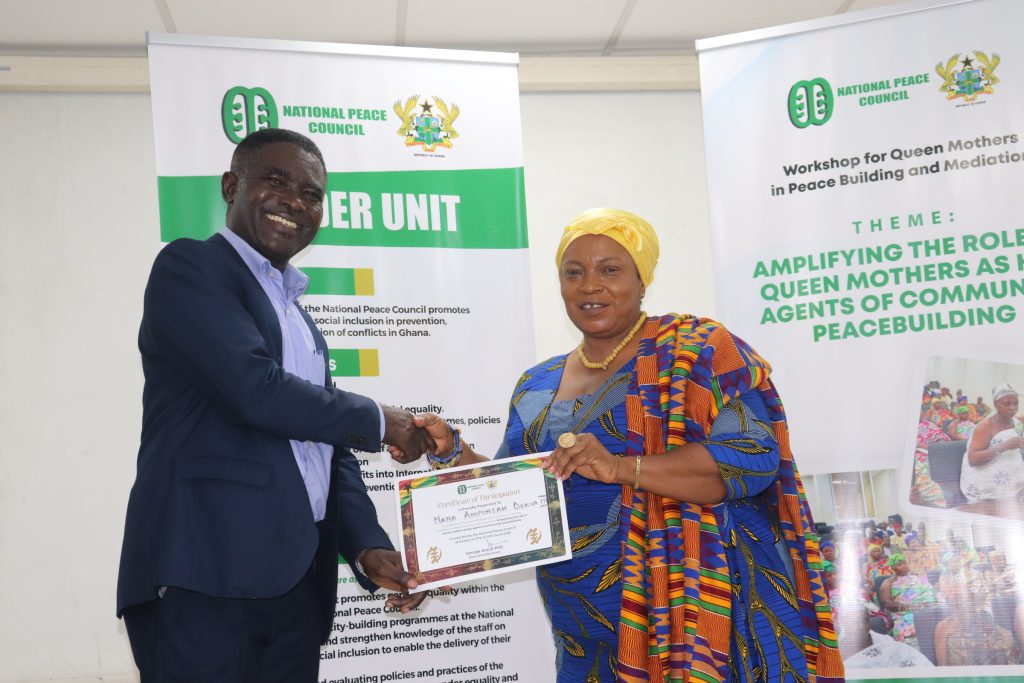
The workshop concluded with the presentation of certificates to participants in recognition of their successful completion of the training and their commitment to advancing peacebuilding efforts in their respective communities.