Safe School Project: Addressing Substance Abuse as a Pathway to Conflict Prevention (Eastern Region Report)
The Eastern Regional Peace Council (ERPC), in collaboration with the Akuapem South Municipal Assembly (Peace Desk Officers), the Narcotics Control Commission, and Aburi Presby Senior High Technical School, implemented a “Safe School Project” aimed at addressing substance abuse among students as a critical pathway to conflict prevention and the promotion of safe school environments.
The project was designed to educate students on the dangers and consequences of substance abuse and its impact on health, education, and future development; deepen understanding of the link between substance abuse, violence, indiscipline, and conflict in schools and communities; and promote responsible behaviour among students, including early reporting and help-seeking regarding drug-related activities and abuse.
The expected outcomes included increased awareness among students of the harmful effects of substance abuse and drug misuse; a reduction in violent behaviours and conflicts associated with drug and substance abuse; and strengthened student participation in peacebuilding, conflict prevention, and the promotion of safe school environments.
The programme was funded by the Eastern Regional Peace Council (ERPC) and implemented in collaboration with Akuapem South Municipal Assembly, the Narcotics Control Commission, and Aburi Presby Senior High Technical School. It took place on Thursday, 18th June 2026 at Aburi Presby Senior High Technical School, Aburi.
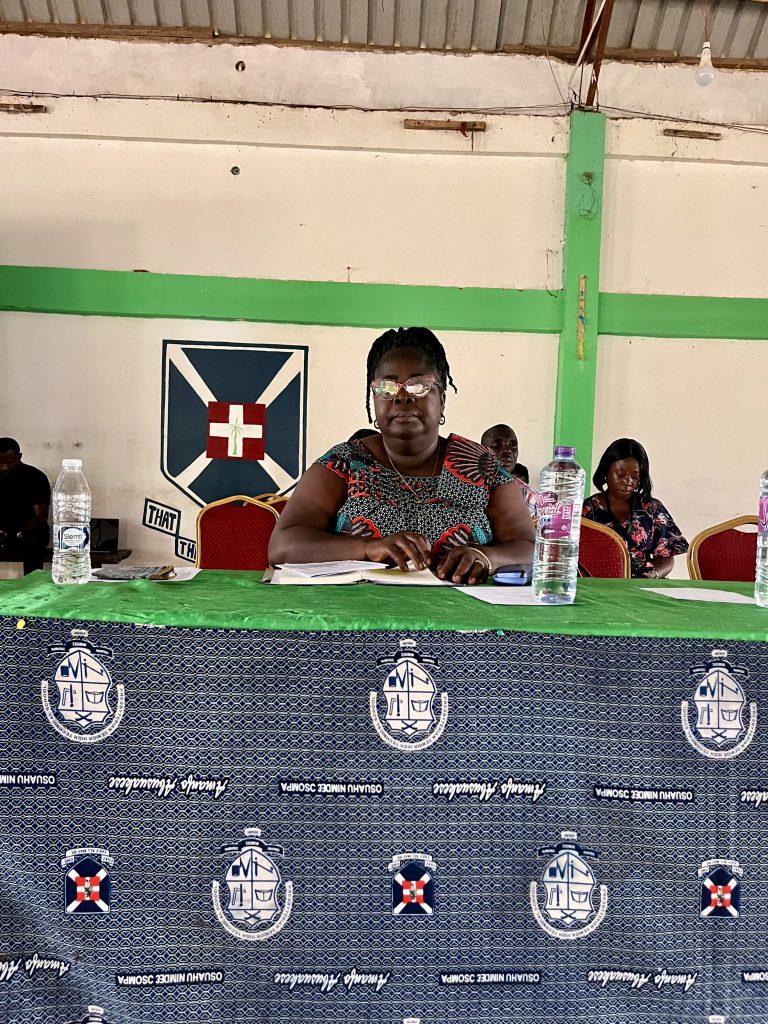
Dignitaries present included representatives from the Eastern Regional Peace Council, Peace Desk Officers from the Akuapem South Municipal Assembly, officials from the Narcotics Control Commission, the Municipal Director of Education (Akuapem South Municipal Assembly), as well as management, staff, and students of Aburi Presby Senior High Technical School.
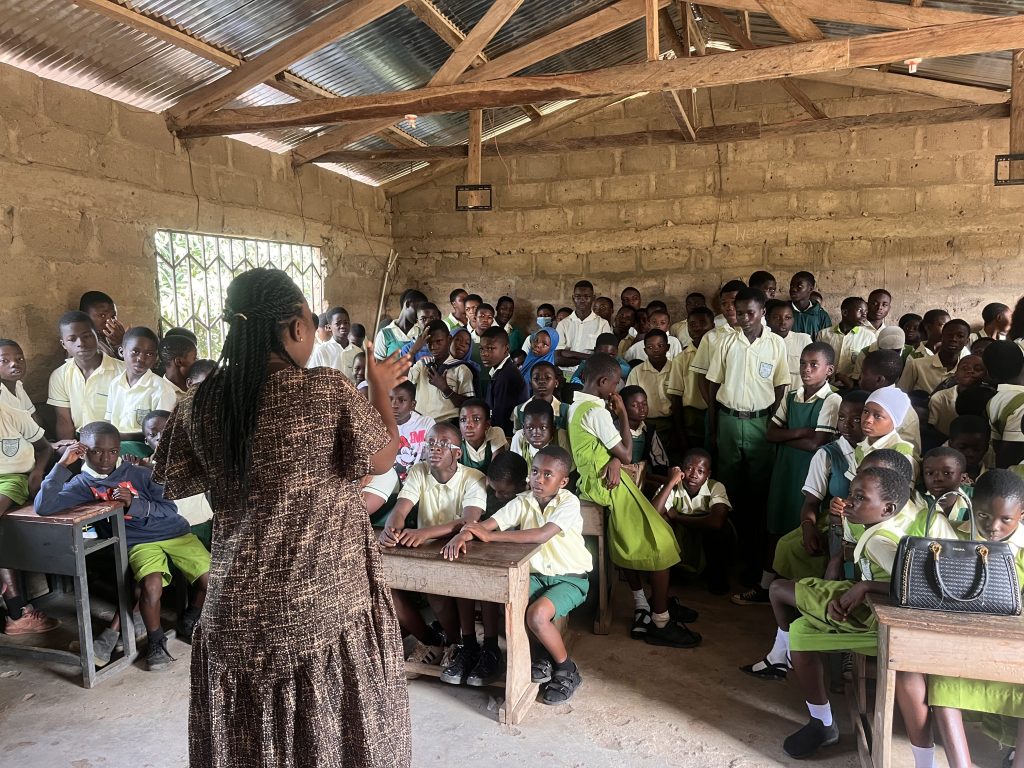
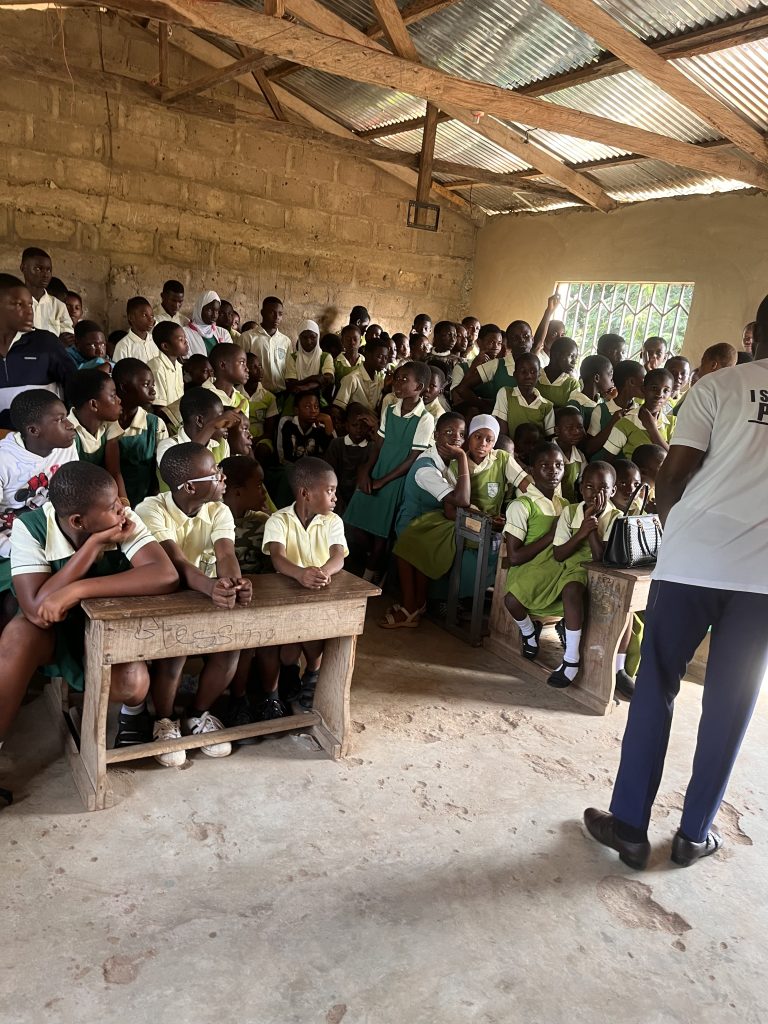
In their presentation, officials from the Narcotics Control Commission educated students on substance abuse, the types of drugs commonly misused among young people, and the harmful effects associated with drug abuse. They emphasized that substance abuse negatively affects students academically, socially, mentally, and physically, and can lead to indiscipline, violent behaviour, criminal activity, and conflict in schools and communities. Students were also informed about the legal consequences of possession, use, and trafficking of illegal substances in Ghana, including arrest, prosecution, imprisonment, suspension, or expulsion from school. They encouraged students to resist peer pressure, make informed decisions, and seek help from teachers, parents, counsellors, and relevant authorities when facing drug-related challenges.
Mr. Osmond Appiah Danquah further explained the link between substance abuse and violence, noting that drug use often contributes to aggression, poor judgement, indiscipline, and criminal behaviour, which can escalate into conflict in schools and communities. He encouraged students to make responsible choices, associate with positive peer groups, and seek guidance and counselling when needed. He also urged students to become peace ambassadors by promoting discipline, tolerance, dialogue, and peaceful coexistence, emphasizing that preventing substance abuse is key to building safer schools and reducing violence.
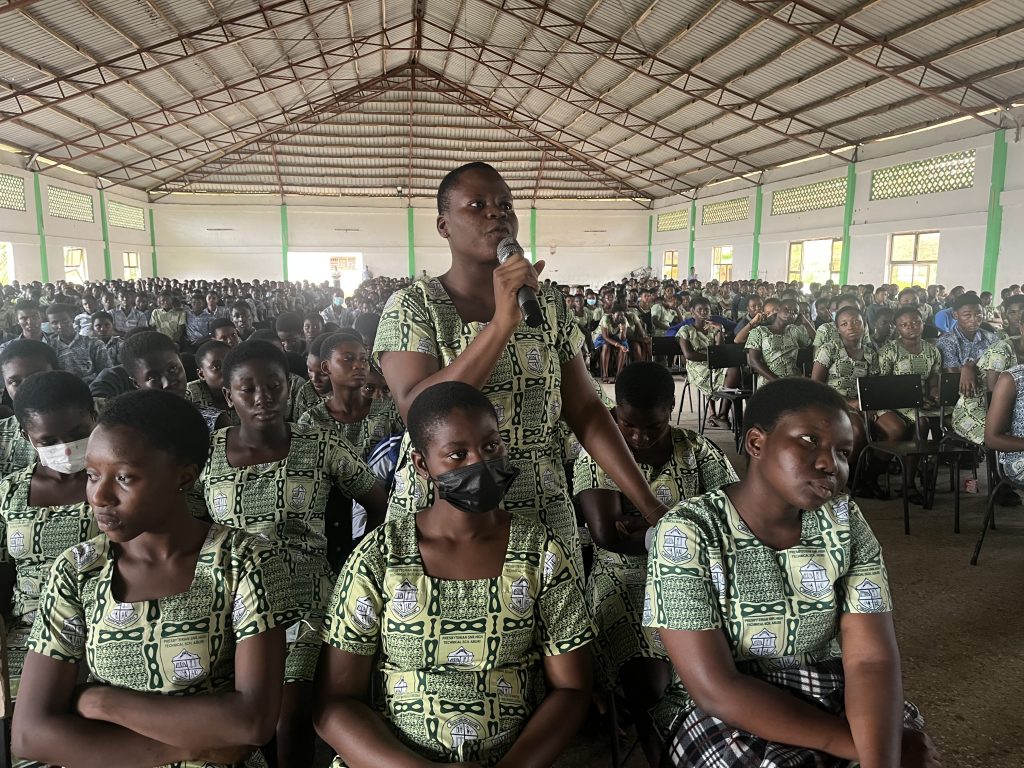
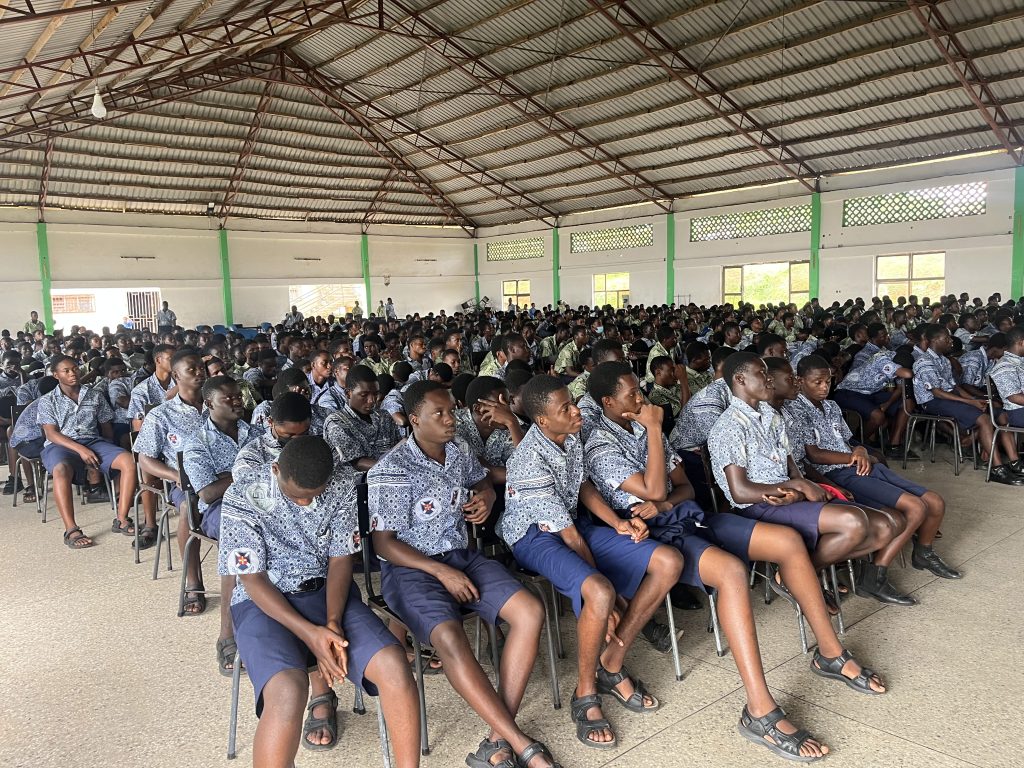
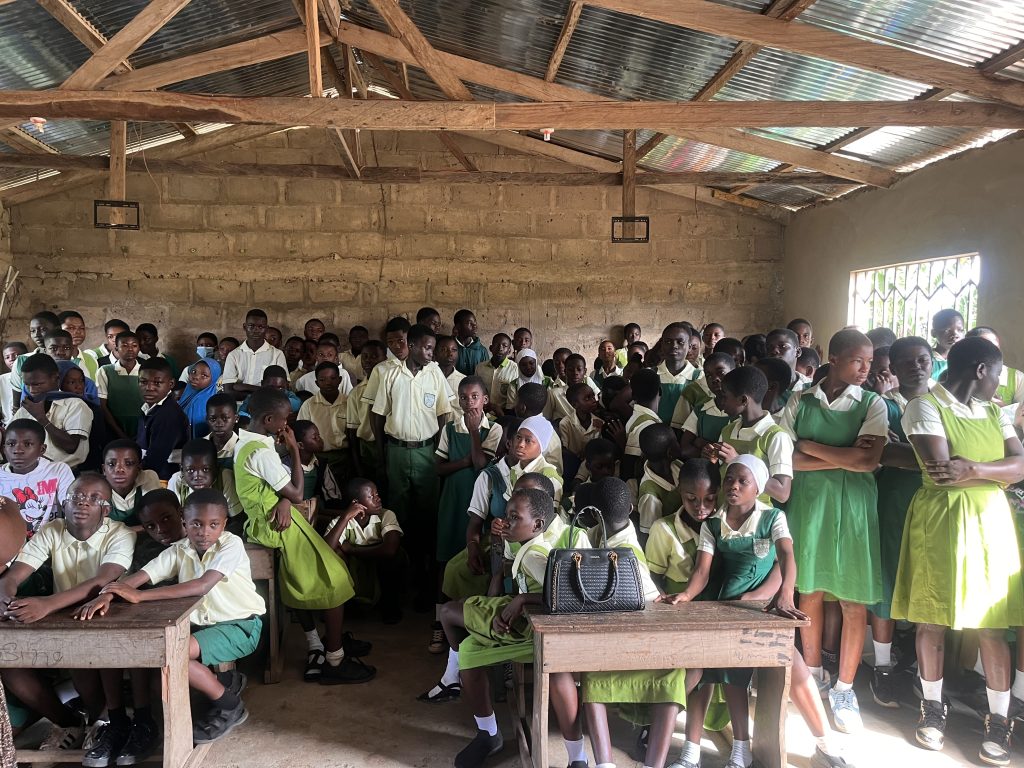
The programme was highly interactive, with approximately 1,200 Form Two students actively participating in discussions and engaging facilitators with questions on substance abuse, conflict prevention, and responsible decision-making. The sensitization exercise was successful and significantly contributed to raising awareness on the dangers of substance abuse and its implications for peace, security, and academic development.