Vigilantism and Student Violence: Promoting Peace, Lawfulness, and Responsible Citizenship (Central Region Peace Education)
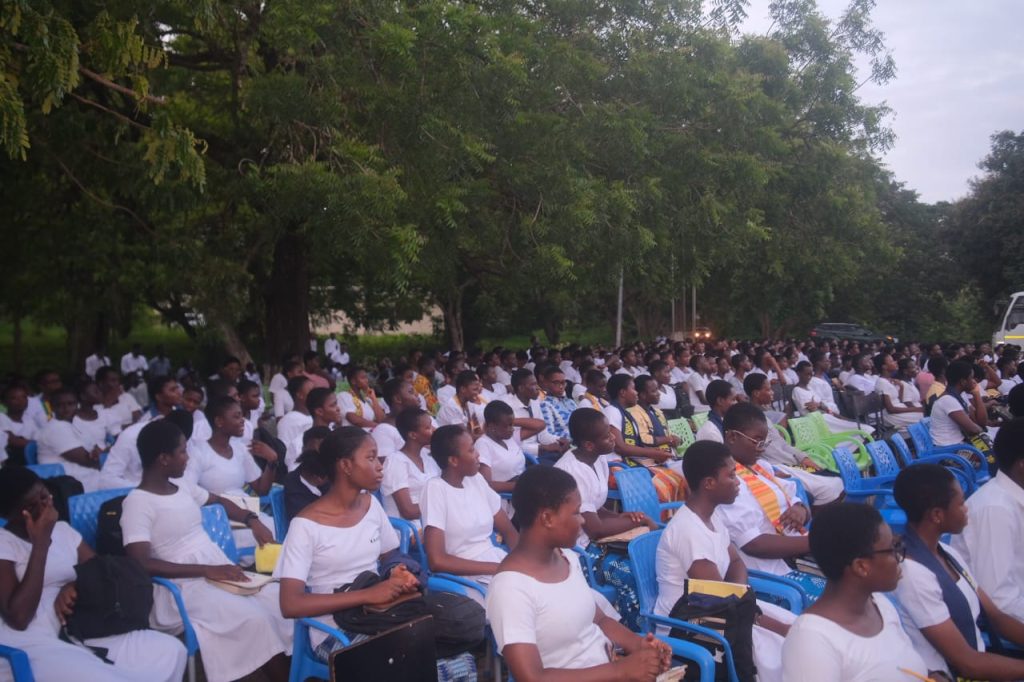
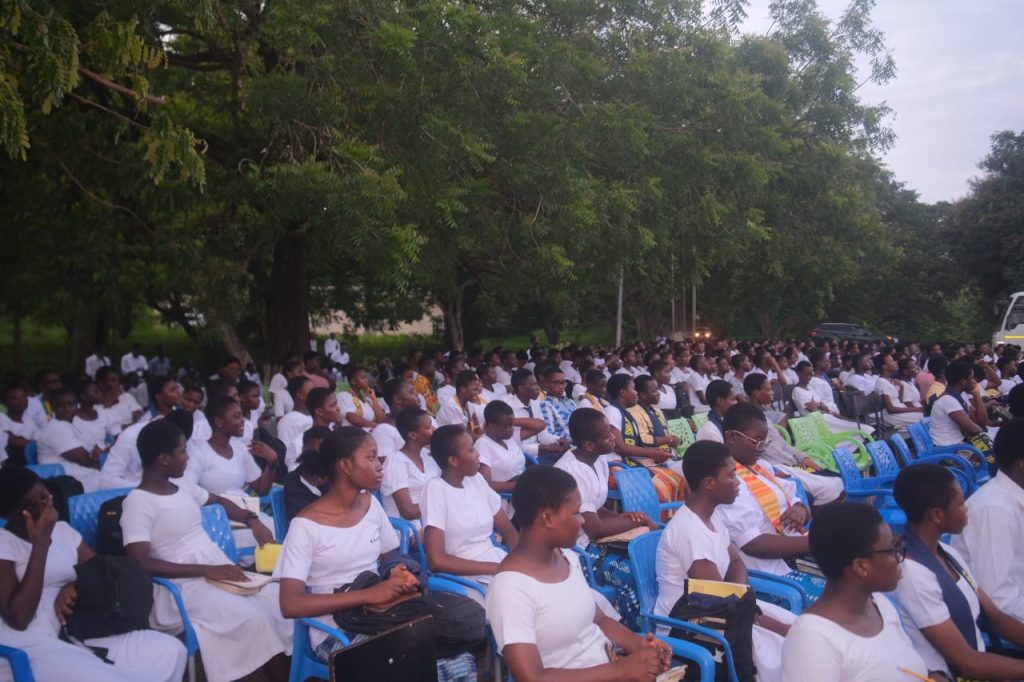
The Central Regional Peace Council (CRPC) organized a peace education engagement at University Practice Senior High School, University of Cape Coast (UCC), Cape Coast, aimed at sensitizing students on the Vigilantism and Related Offences Act, 2019 (ACT 999) and addressing the growing concerns of student violence and unlawful conduct.
The project sought to educate students on the key provisions of ACT 999, increase awareness of the legal, social, and academic consequences of student violence and organised unlawful behaviour, and promote peaceful conflict resolution, responsible behaviour, and active citizenship. It further aimed to encourage students to serve as peace ambassadors and upstanders in preventing violence while strengthening their understanding of their role in maintaining peace within their schools and communities.
The expected outcomes included improved understanding of vigilantism, violence, and their consequences among students; increased awareness of the legal implications associated with violent and unlawful conduct; enhanced commitment to peaceful coexistence, tolerance, and responsible citizenship; strengthened capacity of students to identify, prevent, and report potential threats to peace; and increased appreciation of peaceful conflict resolution approaches within the school environment.
The programme was funded by the Central Regional Peace Council (CRPC) and held on 7th June 2026 at University Practice Senior High School, University of Cape Coast (UCC), Cape Coast. No official dignitaries were listed for the event. Participating institutions included the Central Regional Peace Council (CRPC), University Practice Senior High School, and the school administration and teaching staff.
In his keynote address, Dr. Charles Ohene Amoh emphasized that violence, regardless of where it occurs, has consequences that can affect a student’s education, future opportunities, and relationships. He noted that peace is not merely the absence of conflict but the ability to manage disagreements constructively through dialogue, tolerance, and mutual respect. He further encouraged students to serve as peace ambassadors by rejecting violence, resisting misinformation, and promoting positive values within their school and community, stressing that young people can become agents of positive change through responsible decision-making.
The programme directly benefited approximately 1,000 students, who were sensitized on lawful behaviour, peacebuilding, and the importance of avoiding violence in all forms.