Central Regional Peace Council Builds Capacity of Youth Peace Ambassadors in Mfantsiman Municipality
The Central Regional Peace Council (CRPC) has organised a capacity-building workshop for young people in the Mfantsiman Municipality to strengthen their understanding of conflict prevention, early warning, and peacebuilding approaches.
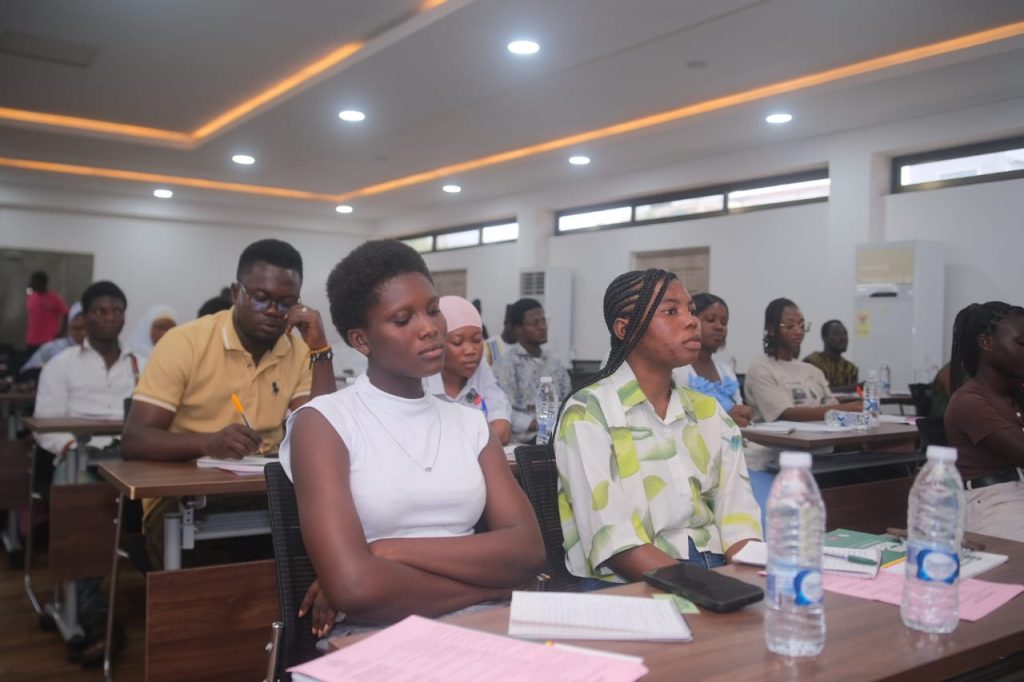
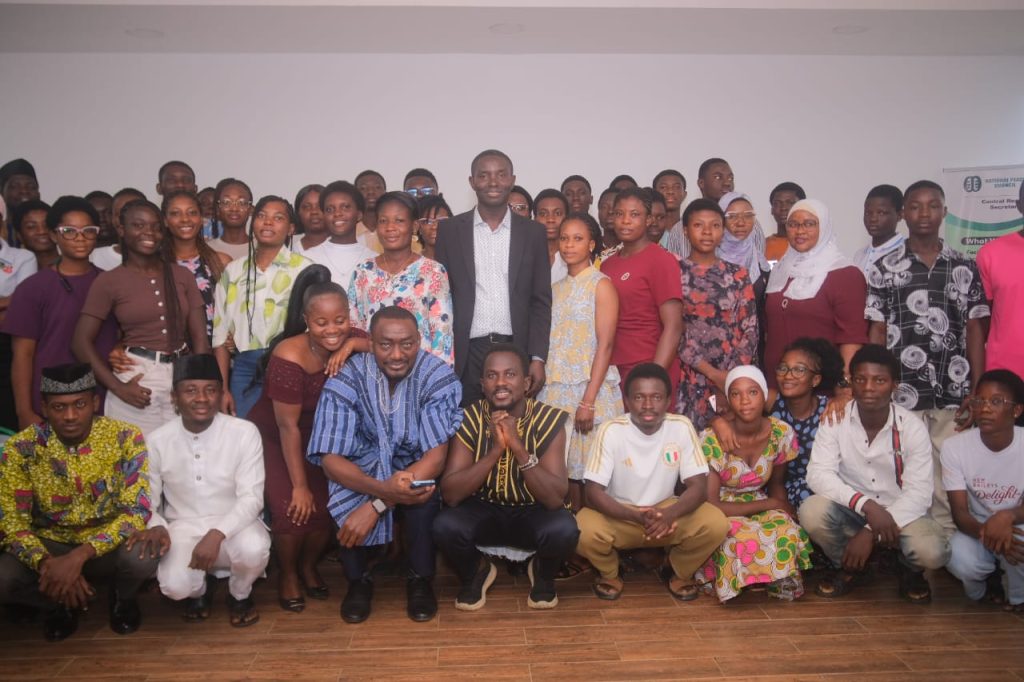
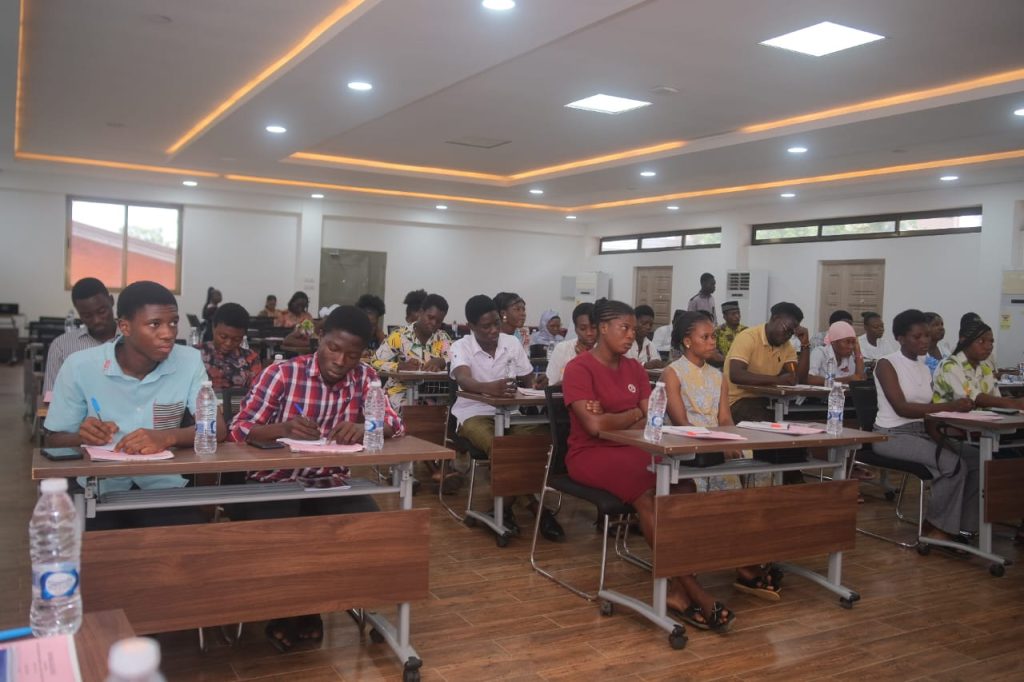
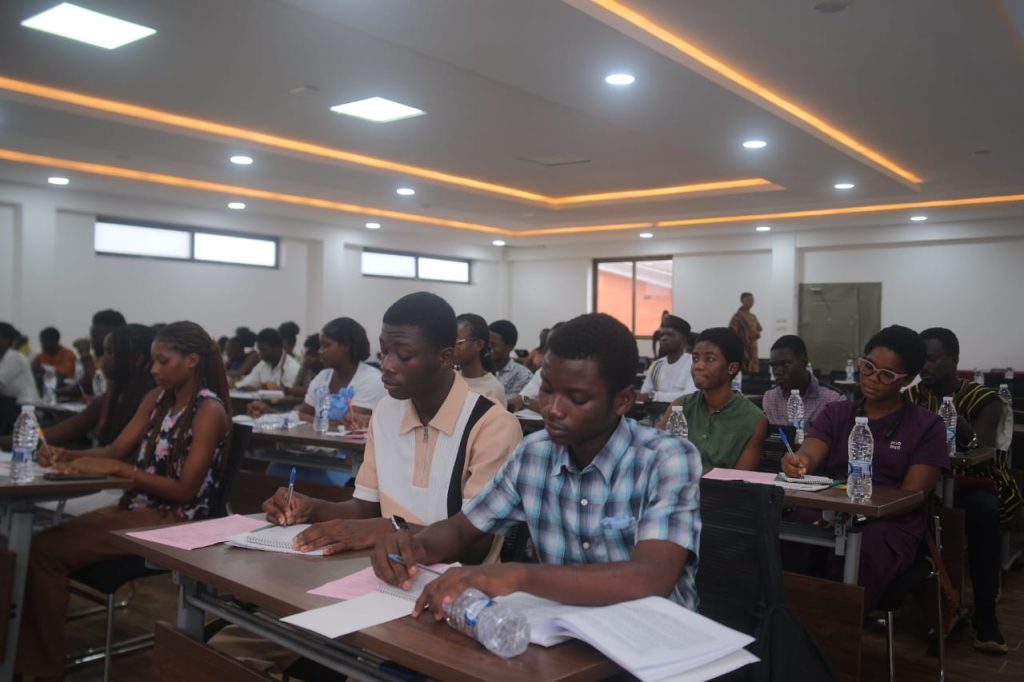
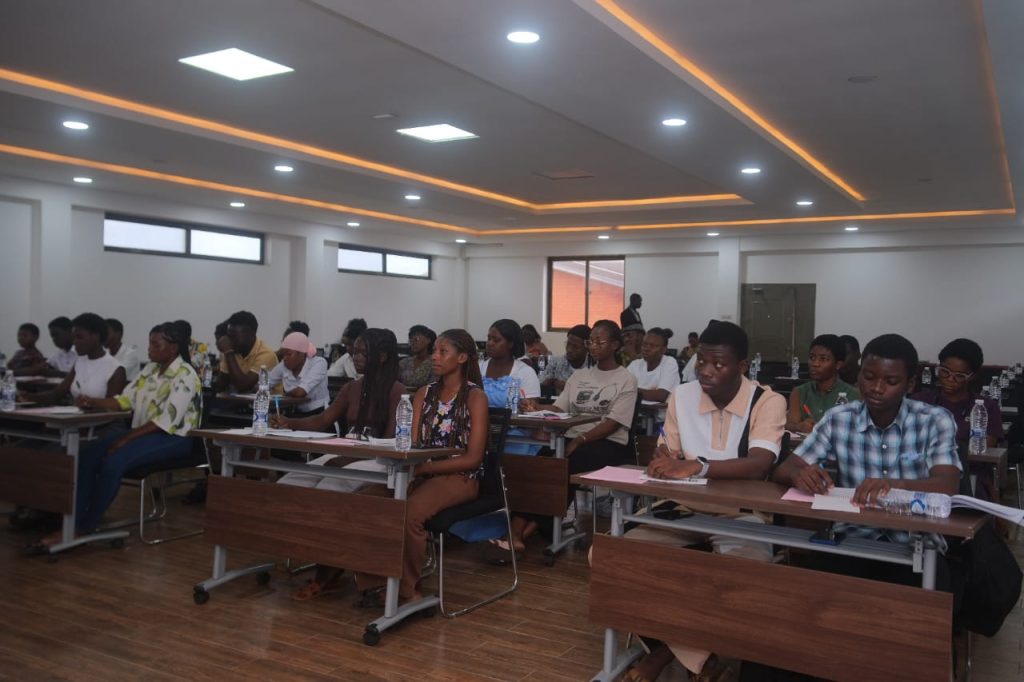
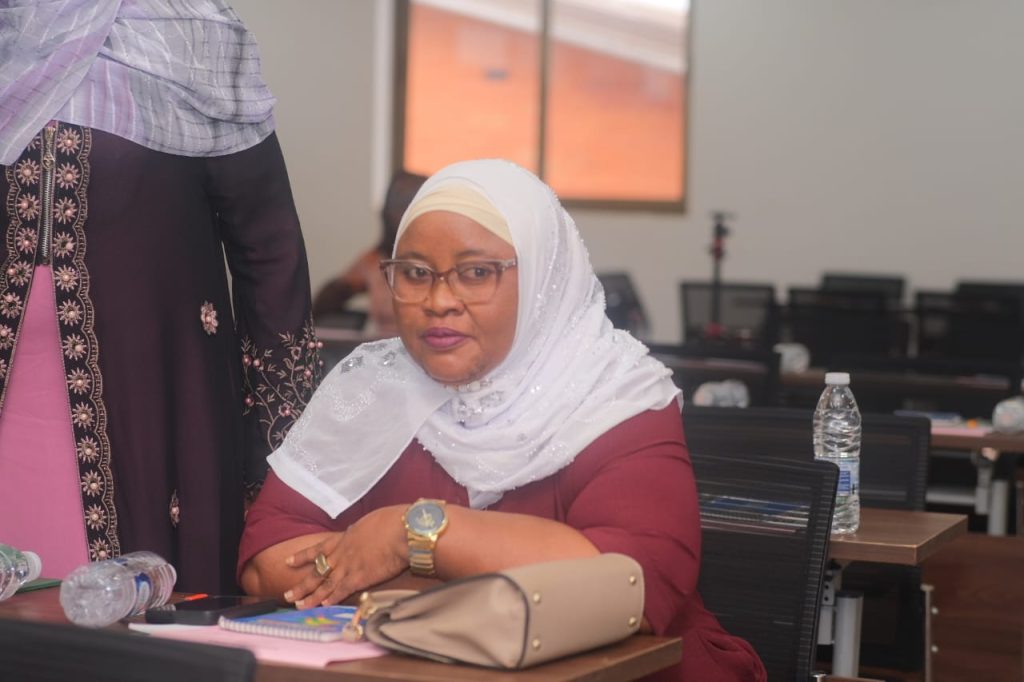
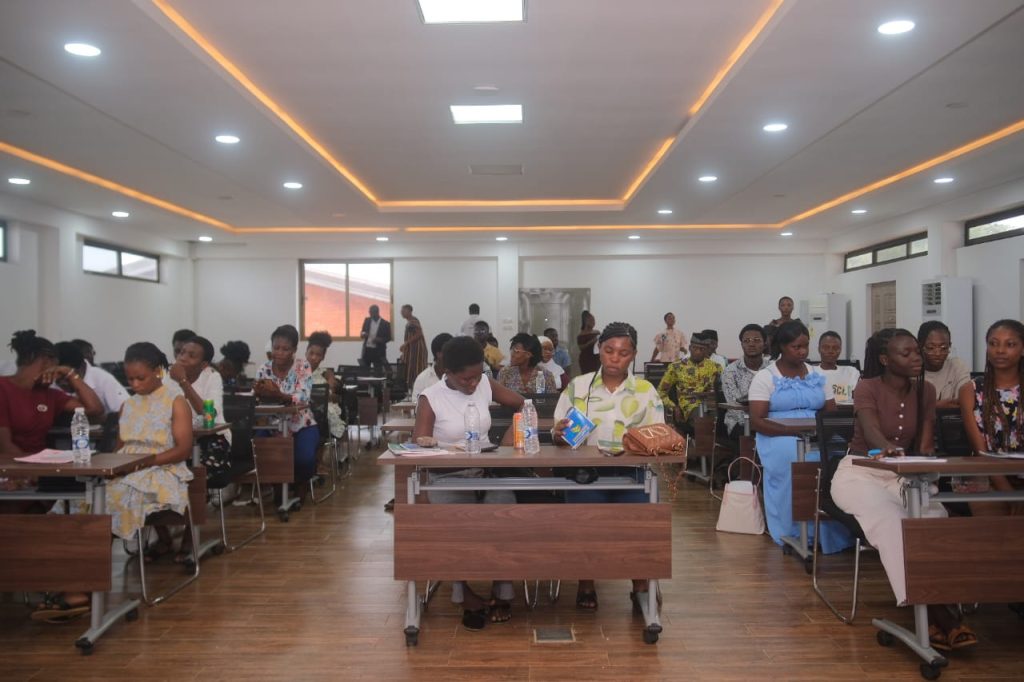
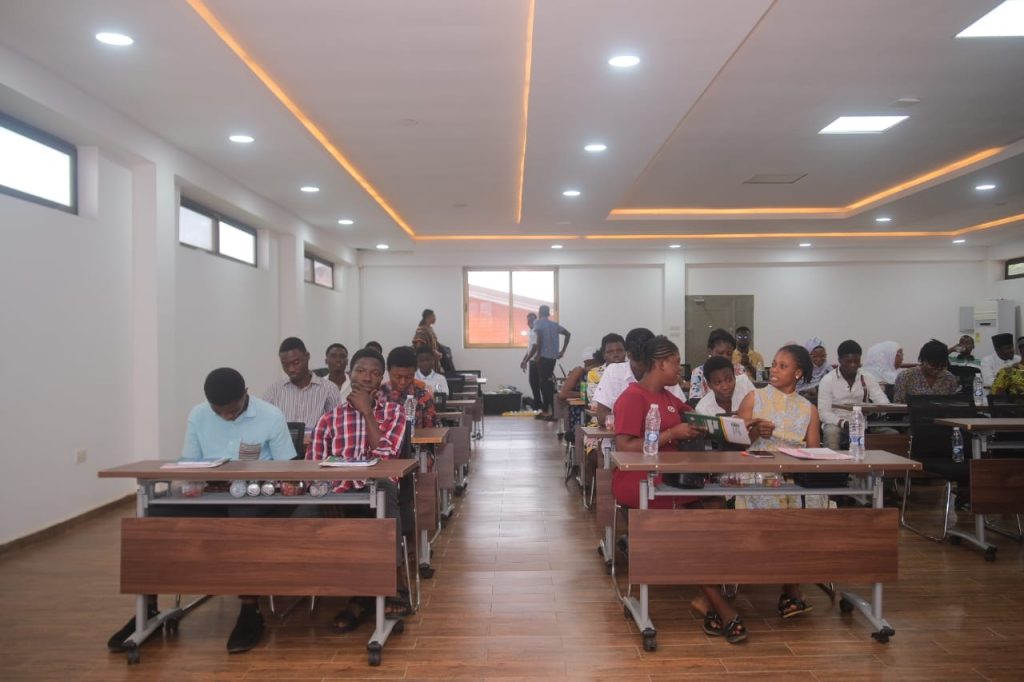
The workshop, held on 16th July 2026 at Manna Heights Hotel and Conference Centre, Mankessim, brought together 70 participants, the majority of whom were female, from youth groups within the municipality. The initiative formed part of efforts by the Council to empower young people with the knowledge and skills needed to identify conflict risks, promote tolerance, and contribute to peaceful coexistence in their communities.
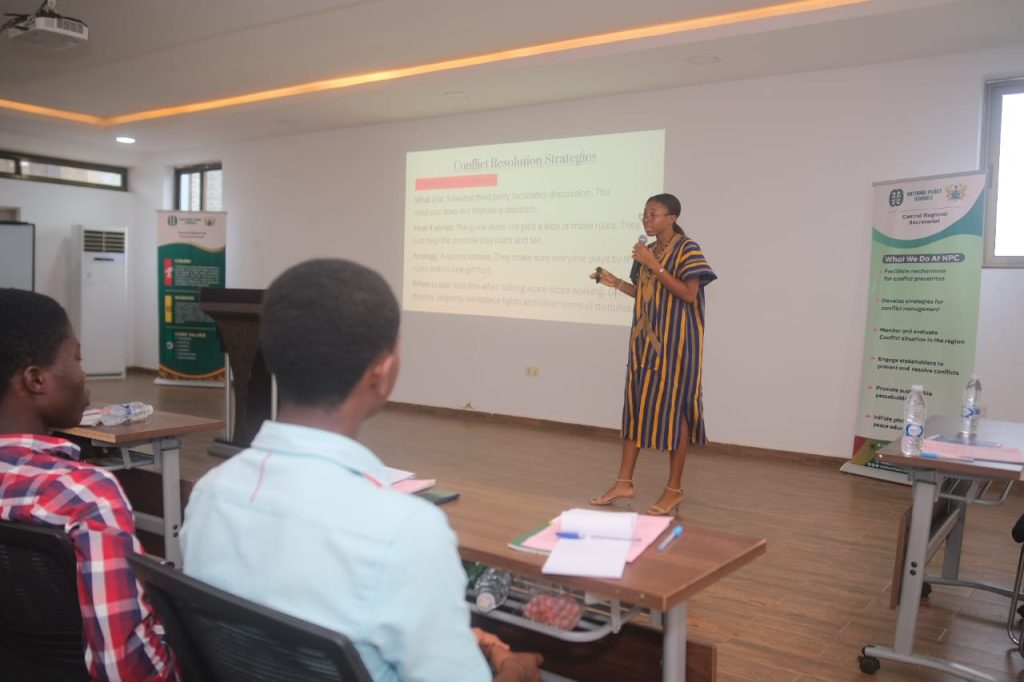
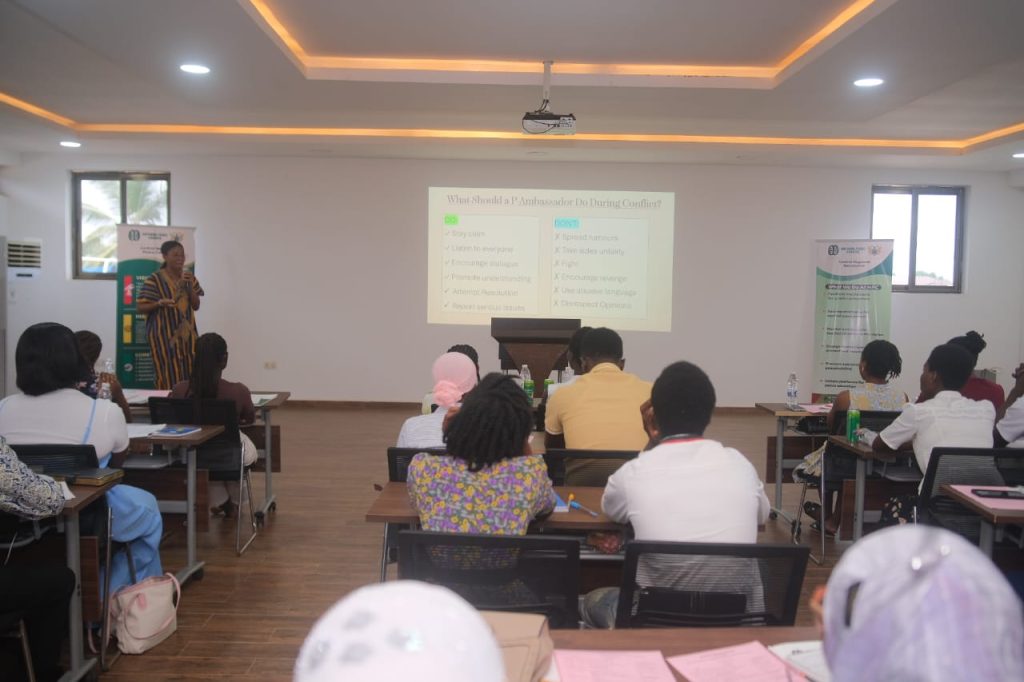
The workshop focused on enhancing participants’ understanding of the causes, types, and dynamics of conflict, while equipping them with practical approaches for conflict prevention and resolution. Participants were also introduced to the importance of early warning mechanisms and their role in reporting potential threats to peace within their communities.
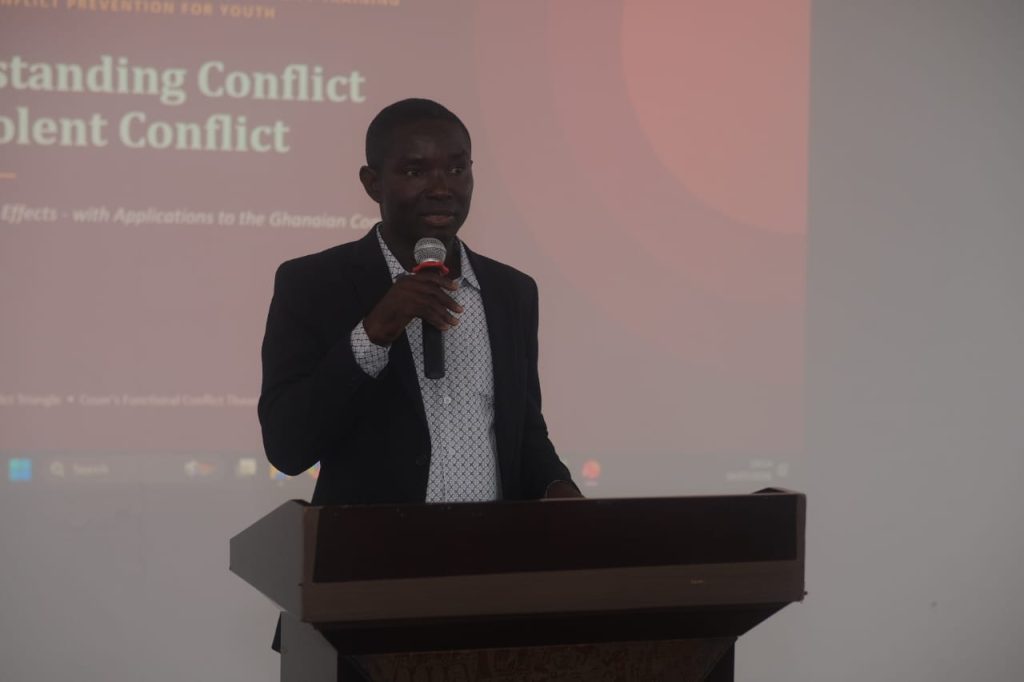
Addressing the participants, the Regional Executive Secretary of the Central Regional Peace Council, Dr. Charles Ohene-Amoh, emphasized the importance of peace as a foundation for community development. He noted that unresolved conflicts, including chieftaincy disputes, continue to affect investment, delay development initiatives, and weaken social cohesion within communities.
Dr. Ohene-Amoh encouraged chiefs, opinion leaders, government institutions, political actors, and young people to embrace dialogue, tolerance, and lawful approaches in addressing disagreements. He cautioned the youth against allowing themselves to be used as instruments of violence and urged them to become ambassadors of peace within their communities.
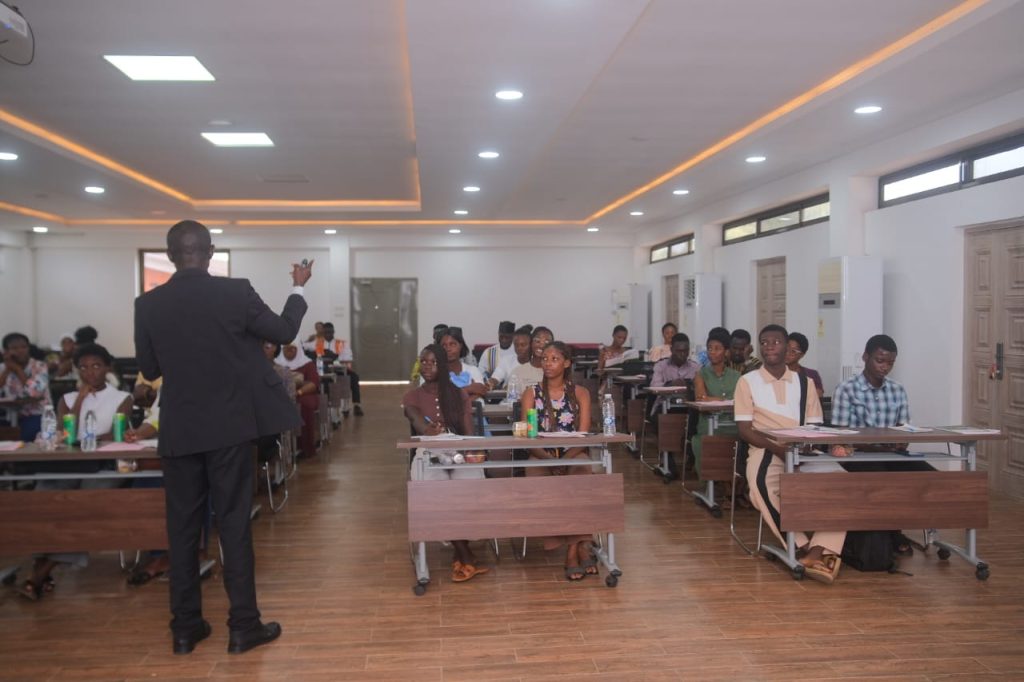
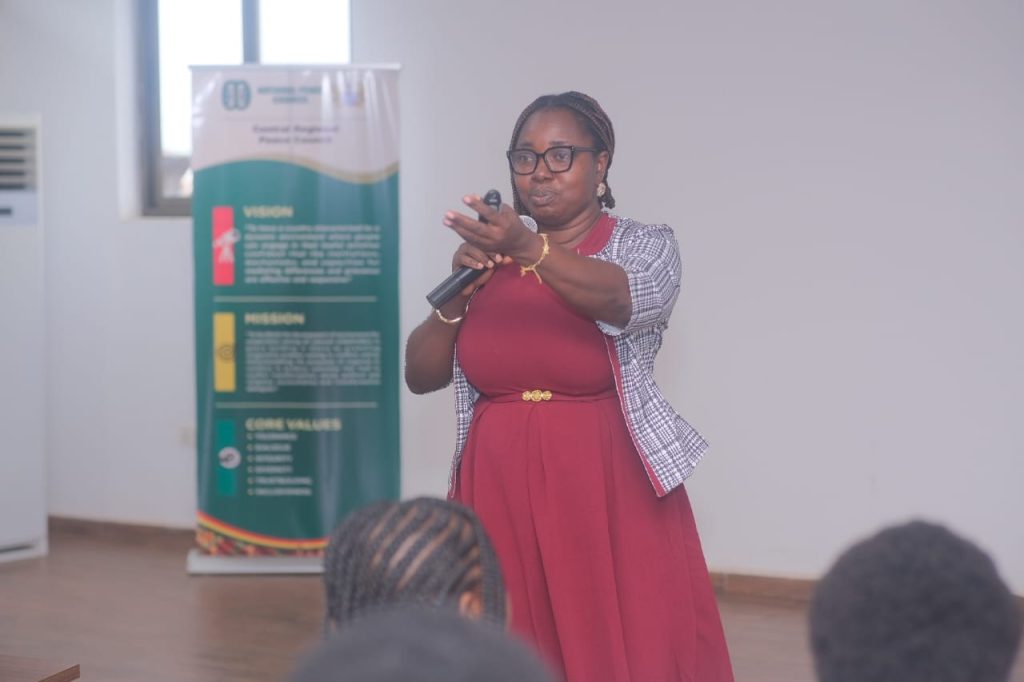
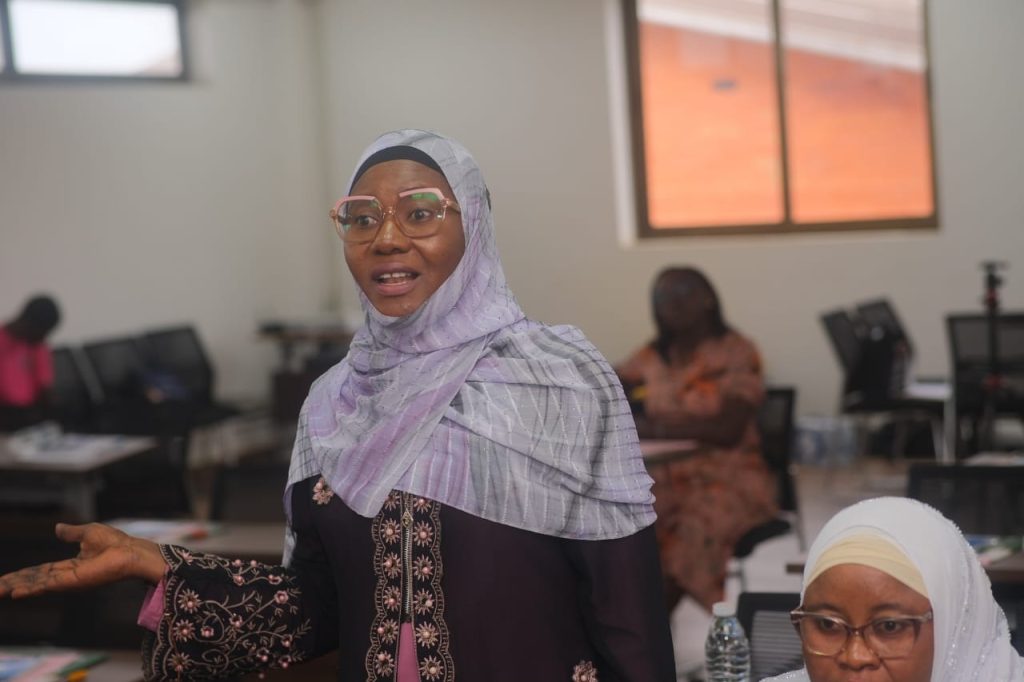
The facilitator for the workshop, Mrs. Mercy Sackey, a lecturer at the University of Education, Winneba, highlighted that conflict is a natural part of human interaction but stressed that violence is not an inevitable outcome. She explained that understanding the causes, stages, and dynamics of conflict enables individuals and communities to manage disagreements constructively.
Mrs. Sackey encouraged participants to promote mutual respect, dialogue, and critical thinking, noting that young people have the capacity to transform conflicts into opportunities for cooperation and sustainable peace.
The Programmes Manager of the Central Regional Peace Council, Miss Barbara Yabom, encouraged participants to see themselves as future Peace Ambassadors. She reminded them that peace begins with everyday choices, including how people communicate, respond to disagreements, and treat others.
She urged the youth to reject rumours, intolerance, and violent behaviour while promoting unity, dialogue, and peaceful coexistence in their homes, schools, workplaces, and communities.
The workshop also provided an opportunity for participants to share community-level conflict concerns and provide information that will support future peacebuilding interventions by the Council. The engagement is expected to contribute to the establishment of a network of Youth Peace Ambassadors who will support peace education efforts and promote conflict prevention across the Mfantsiman Municipality.
The programme was organised by the Central Regional Peace Council in collaboration with the Mfantsiman Municipal Assembly, with participation from youth groups in the municipality and the University of Education, Winneba.