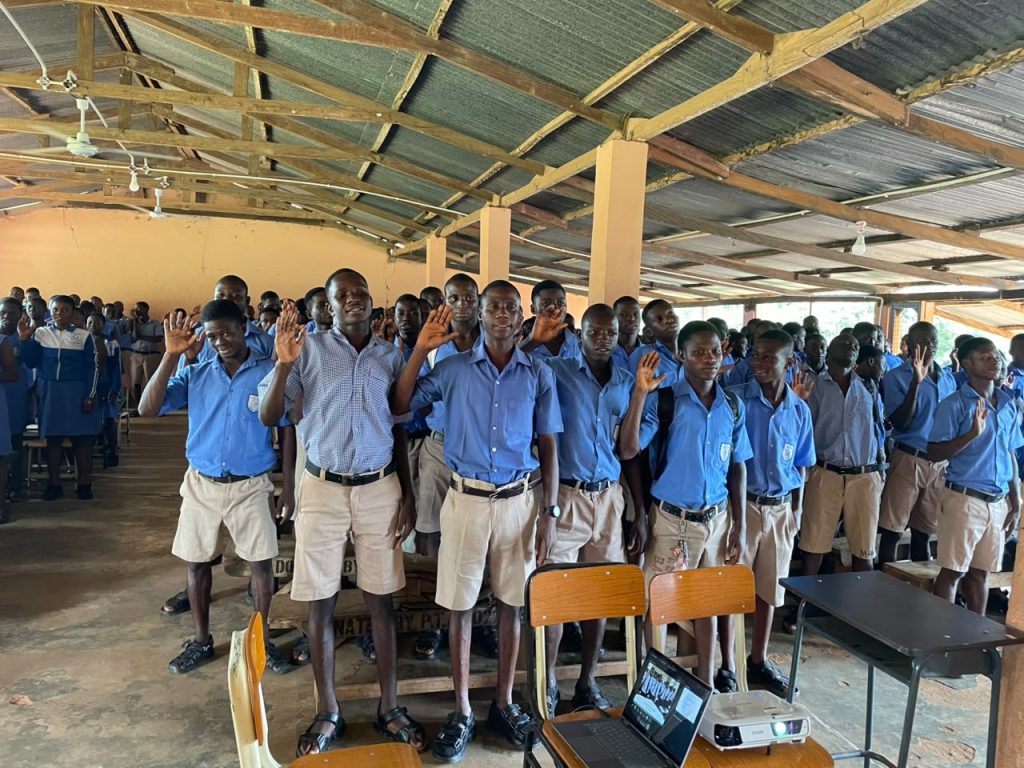
North East Regional Peace Council Empowers Students with Non-Violent Conflict Management Skills
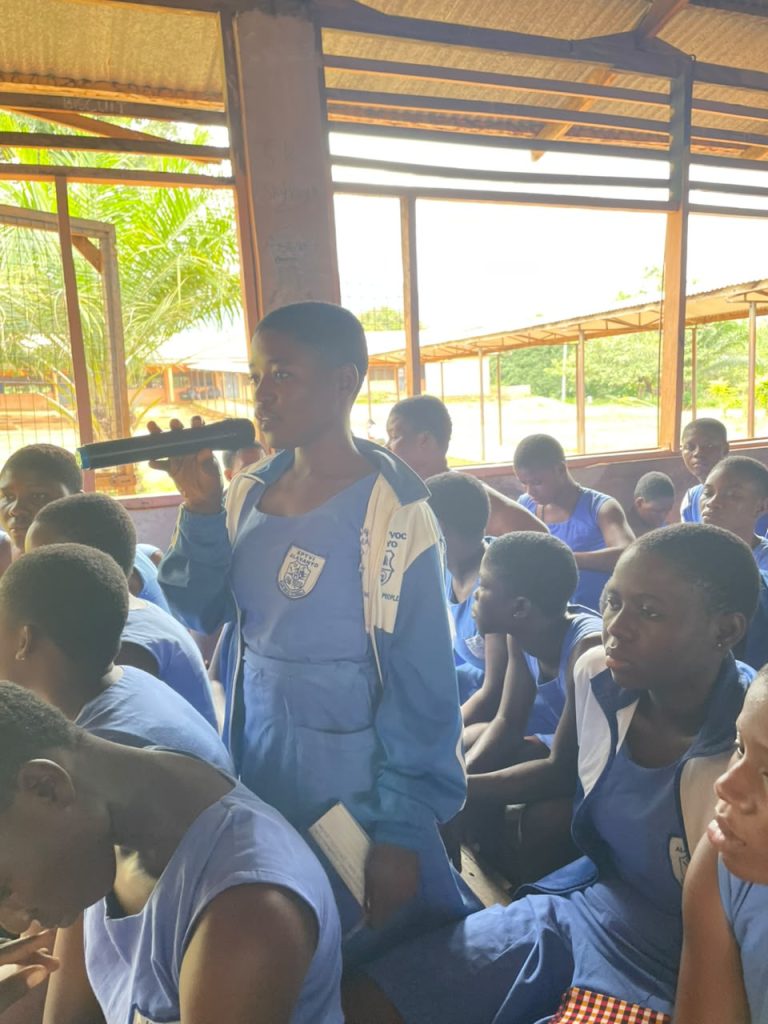
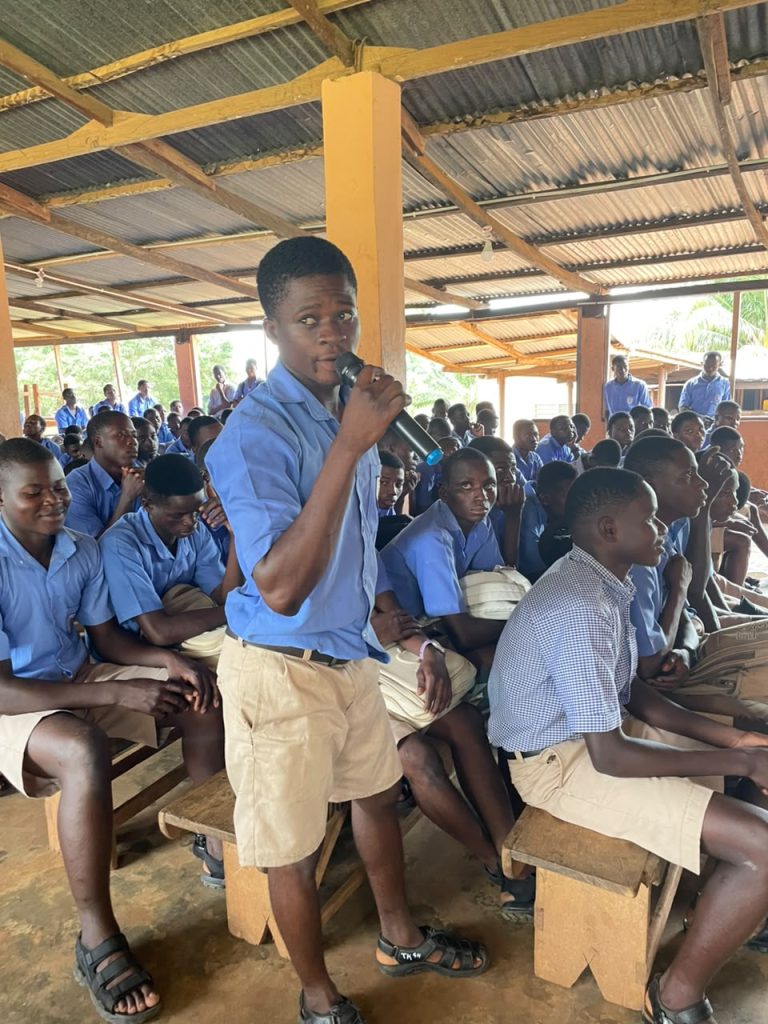
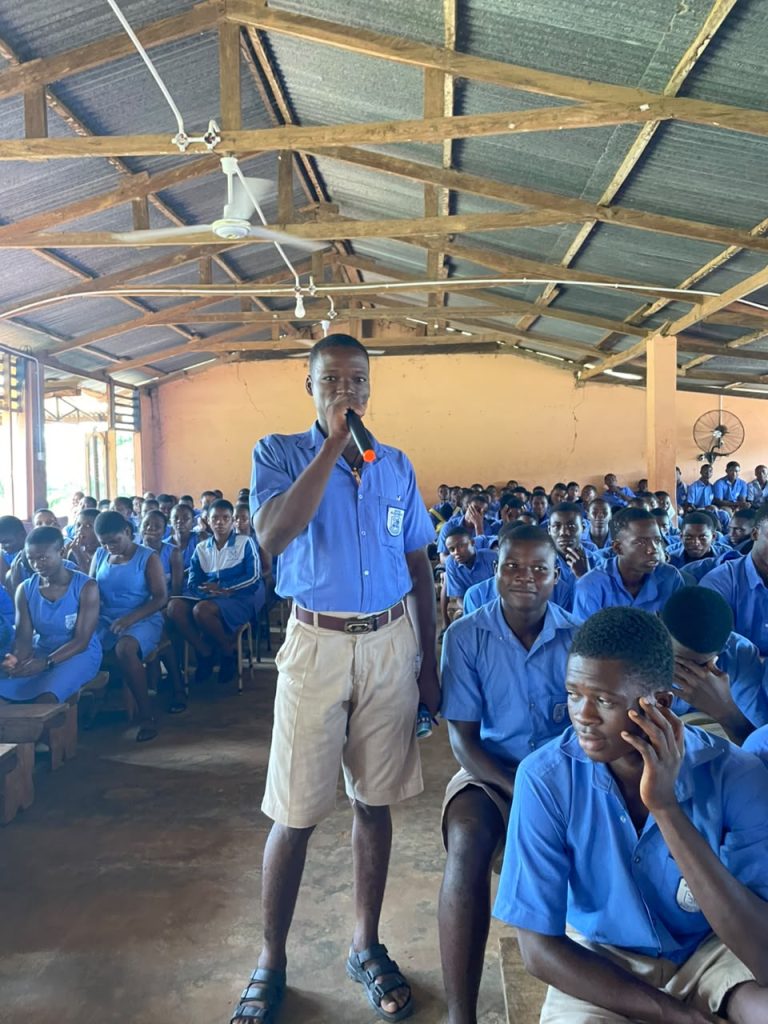
The North East Regional Peace Council (NERPC) has successfully conducted a peace education and sensitization programme for students of Nalerigu Senior High School, Langbinsi Senior High Technical School, and Nagbo Junior High School to strengthen their capacity in non-violent conflict management and promote peaceful coexistence.
Held from 6th to 16th July 2026, the initiative formed part of the Council’s commitment to nurturing a generation of young Peace Ambassadors equipped with the knowledge and skills to prevent violence and promote social cohesion within their schools and communities.
The programme educated students on the causes, dynamics, and consequences of violent conflict, while providing practical training in dialogue, negotiation, mediation, effective communication, and peaceful conflict resolution. Students were also encouraged to appreciate diversity, embrace tolerance, and recognize the importance of peaceful coexistence in fostering safe learning environments and sustainable community development.
Addressing the participants, the Chairman of the North East Regional Peace Council emphasized that although conflict is a natural part of life, violence should never be the response. He encouraged students to resolve disagreements through dialogue, negotiation, tolerance, and mutual respect, urging them to report early warning signs of conflict and become Peace Ambassadors capable of promoting harmony within their schools and communities.
The Senior Housemaster of Nalerigu Senior High School encouraged students to view conflict as an opportunity for learning and personal growth when managed constructively. He advised them to reject tribalism, respect differing opinions, report potential threats to school authorities, and use student associations as platforms for promoting peace and unity.
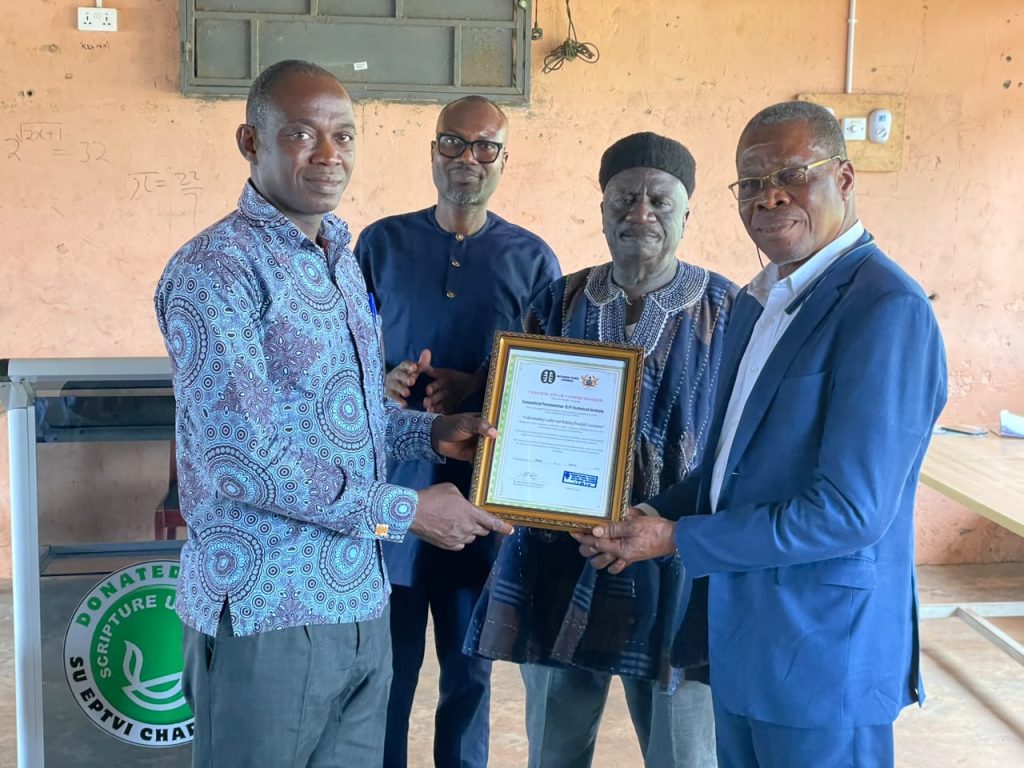
At Langbinsi Senior High Technical School, the management reminded students that peacebuilding begins with everyday actions such as listening to others, discouraging rumours, respecting diverse perspectives, and resolving disputes through dialogue. Students were encouraged to become positive role models who promote understanding, tolerance, and peaceful coexistence among their peers.
The sensitization programme strengthened students’ understanding of conflict prevention and equipped them with practical non-violent conflict management skills while reinforcing the importance of early warning and responsible citizenship. Through the initiative, the North East Regional Peace Council continues to invest in empowering young people to become active advocates for peace and contributors to safer, more resilient communities across the region.