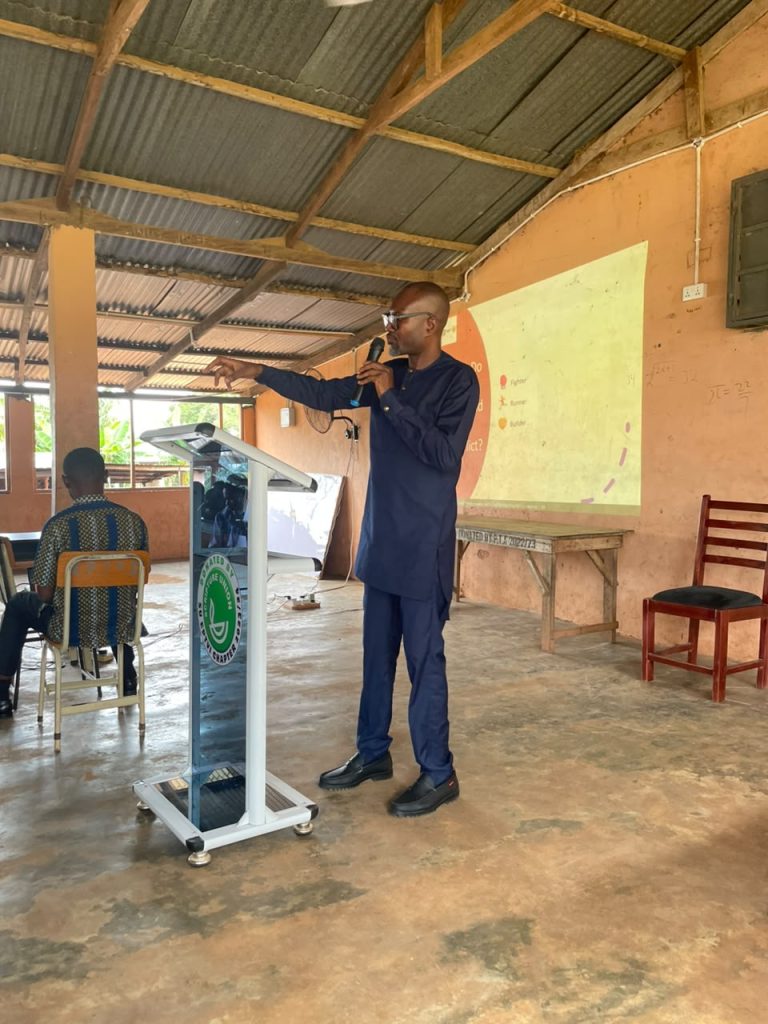
Volta Regional Peace Council Promotes Peaceful Co-existence at Evangelical Presbyterian Technical Institute
The Volta Regional Peace Council has organized a Peace Education Programme for students of Evangelical Presbyterian (E.P.) Technical Institute, Alavanyo, under the theme “Understanding Conflict and Building Peaceful Co-existence.”
The programme, held on 30th June 2026, formed part of the National Peace Council’s continuous efforts to promote peace education among young people and equip students with the skills and values necessary for peaceful conflict management and responsible citizenship.
The initiative aimed to enhance students’ understanding of conflict as a normal part of human interaction, promote positive approaches to conflict resolution, strengthen communication and interpersonal skills, and encourage students to become ambassadors of peace within their schools and communities.
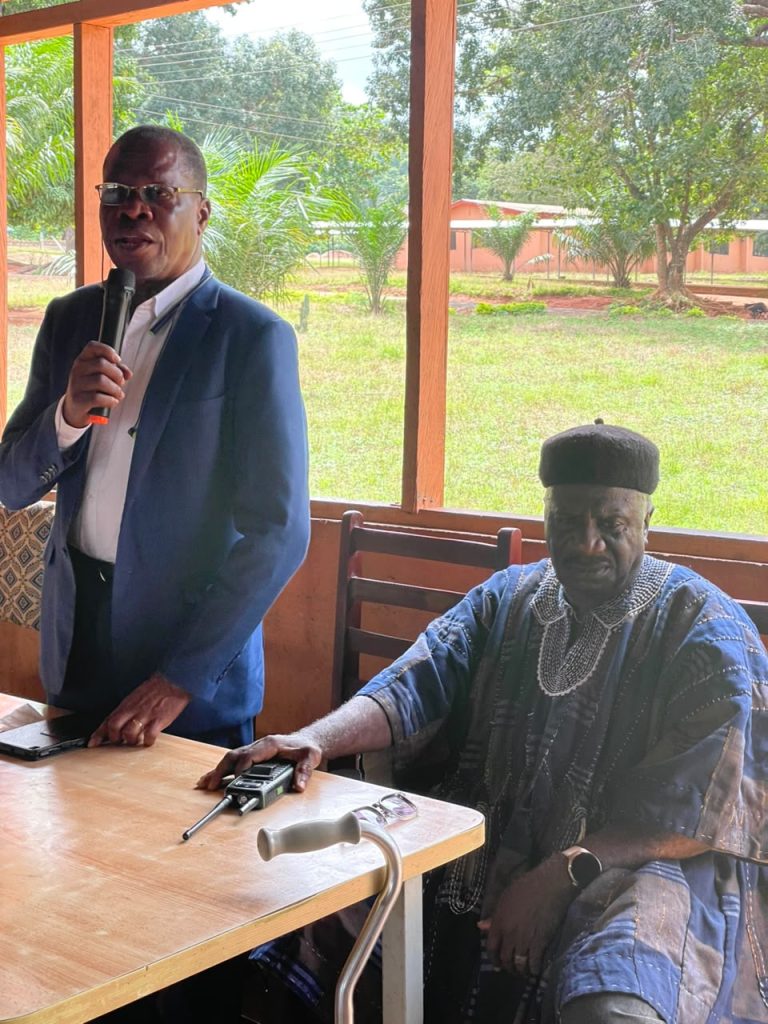
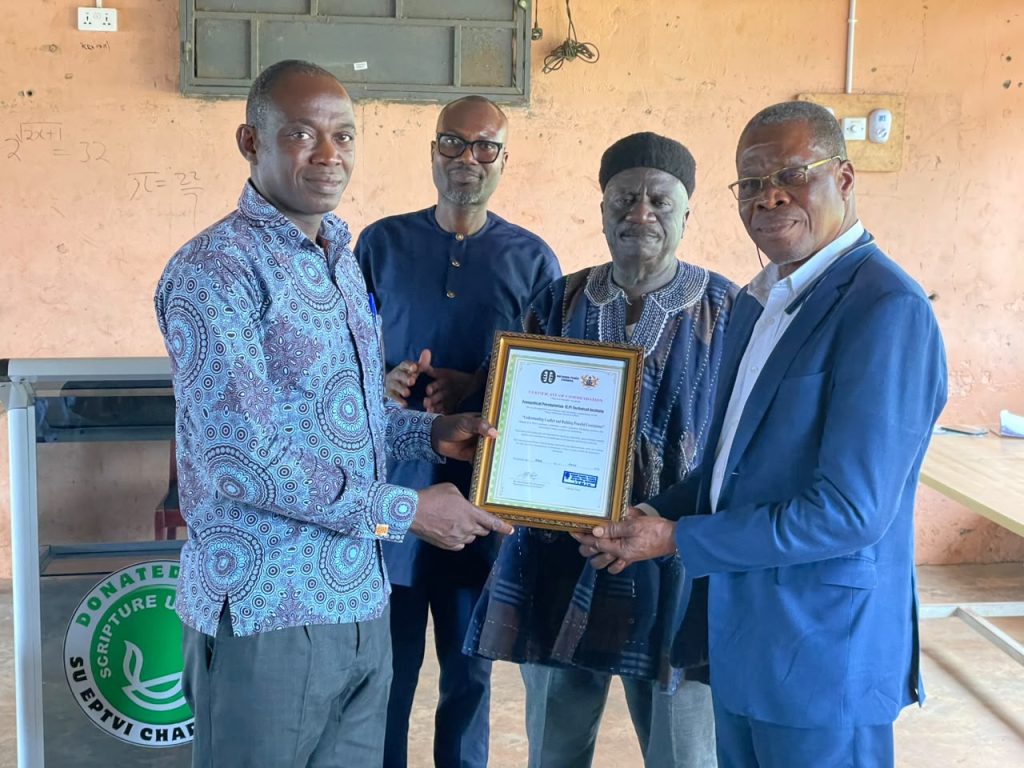
The event was attended by Rev. Seth K. Mawutor, Chairman of the Volta Regional Peace Council; Alhaji Anass Dawuda, Member of the Volta Regional Peace Council; Dr. David Esinu Yao Normanyo, Regional Executive Secretary of the Volta Regional Peace Council; the Principal of Evangelical Presbyterian Technical Institute; members of staff; and students of the institution.
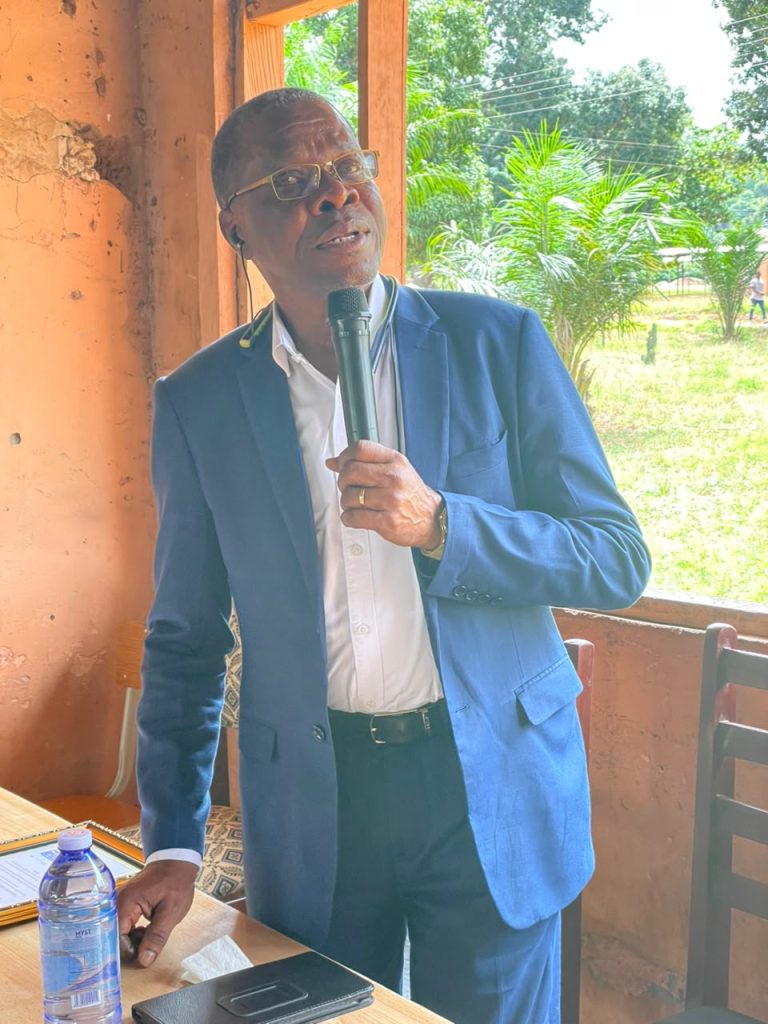
Addressing the gathering, Rev. Seth K. Mawutor described schools as institutions that prepare young people not only for employment but also for responsible citizenship. He noted that while technical education provides students with practical and vocational skills, values such as discipline, respect, tolerance, and peaceful coexistence are equally important in shaping successful and responsible individuals.
Rev. Mawutor reminded students that violence often leaves lasting emotional, social, and academic consequences that affect not only those directly involved but also their families, schools, and communities. He therefore encouraged students to reject acts of intimidation, bullying, retaliation, and other forms of violence.
He urged them to make peaceful choices that would protect their future aspirations and uphold the good reputation of their school. He further reaffirmed the National Peace Council’s commitment to working with educational institutions to prevent conflicts through continuous peace education, dialogue, and awareness creation.
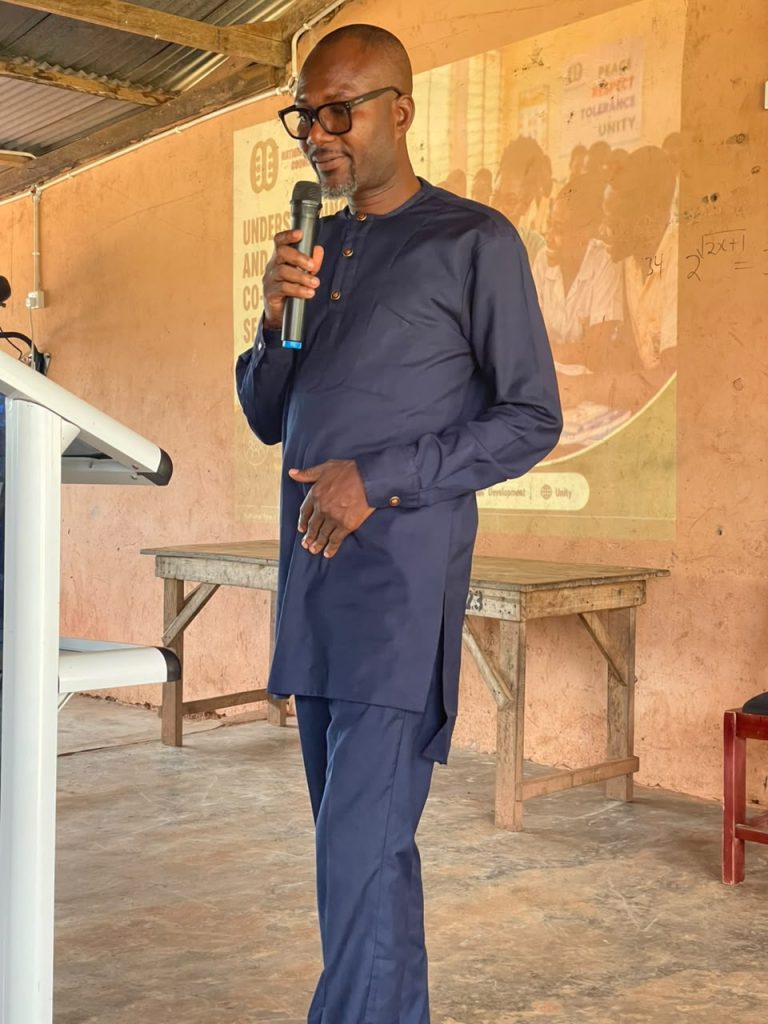
In his presentation, Dr. David Esinu Yao Normanyo encouraged students to view peaceful behaviour as a sign of strength and maturity rather than weakness. He explained that respect is demonstrated not only through words but also through patience, self-control, and understanding when disagreements arise.
He advised students to think carefully before reacting in moments of anger, noting that careless words and actions can damage relationships and create conflicts that may be difficult to resolve. According to him, learning how to manage emotions and communicate effectively is essential for maintaining peaceful relationships.
Speaking to the students as future artisans, technicians, and professionals, Dr. Normanyo emphasized that success in the workplace depends not only on technical competence but also on the ability to collaborate effectively with others. He encouraged them to develop strong communication skills, respect differing opinions, and adopt dialogue as the preferred approach for resolving disagreements.
He concluded by reminding the students that every peaceful decision they make contributes to creating a safer and more supportive school environment. He challenged them to become role models among their peers by promoting understanding, demonstrating kindness, and helping to resolve conflicts before they escalate.
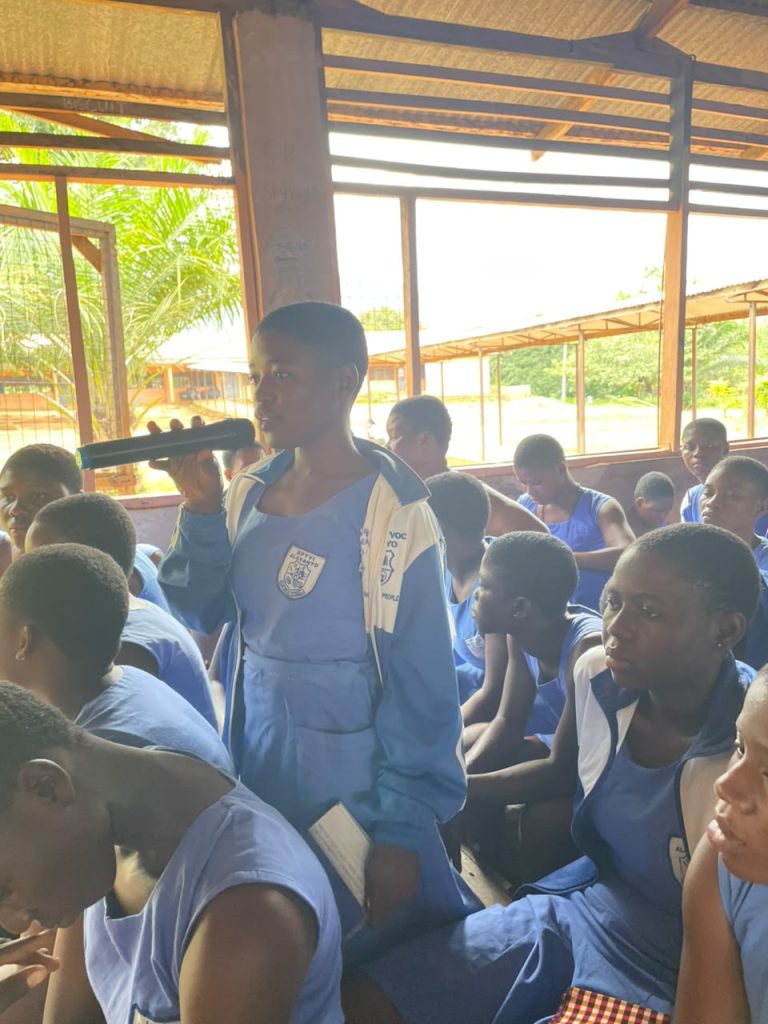
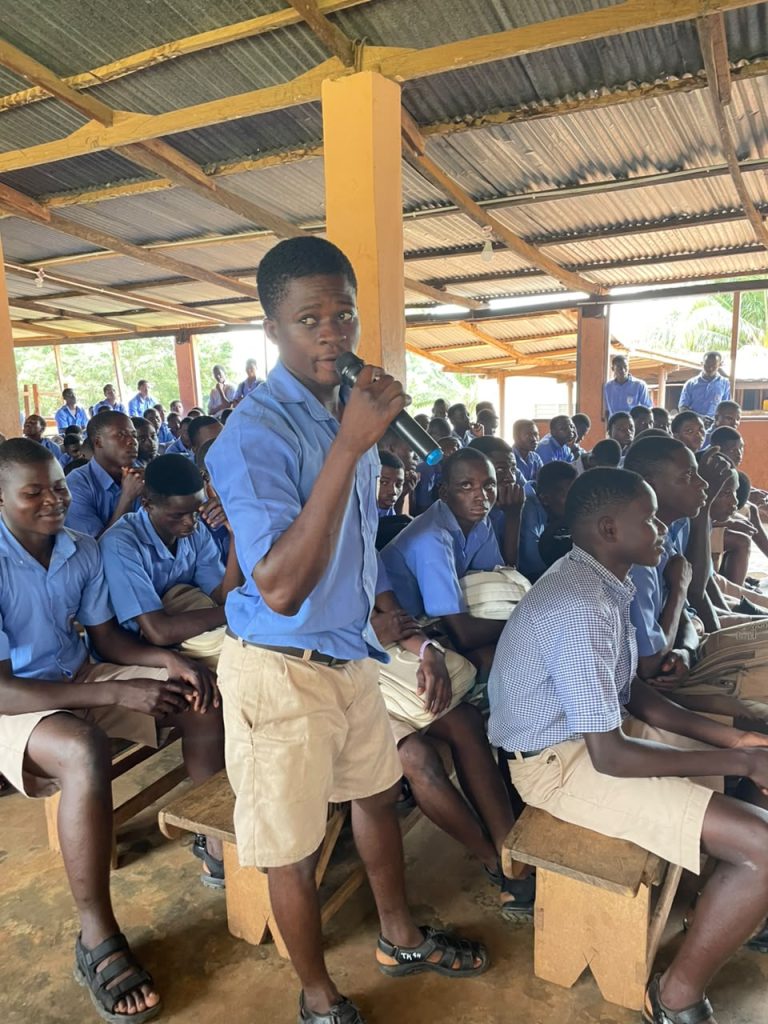
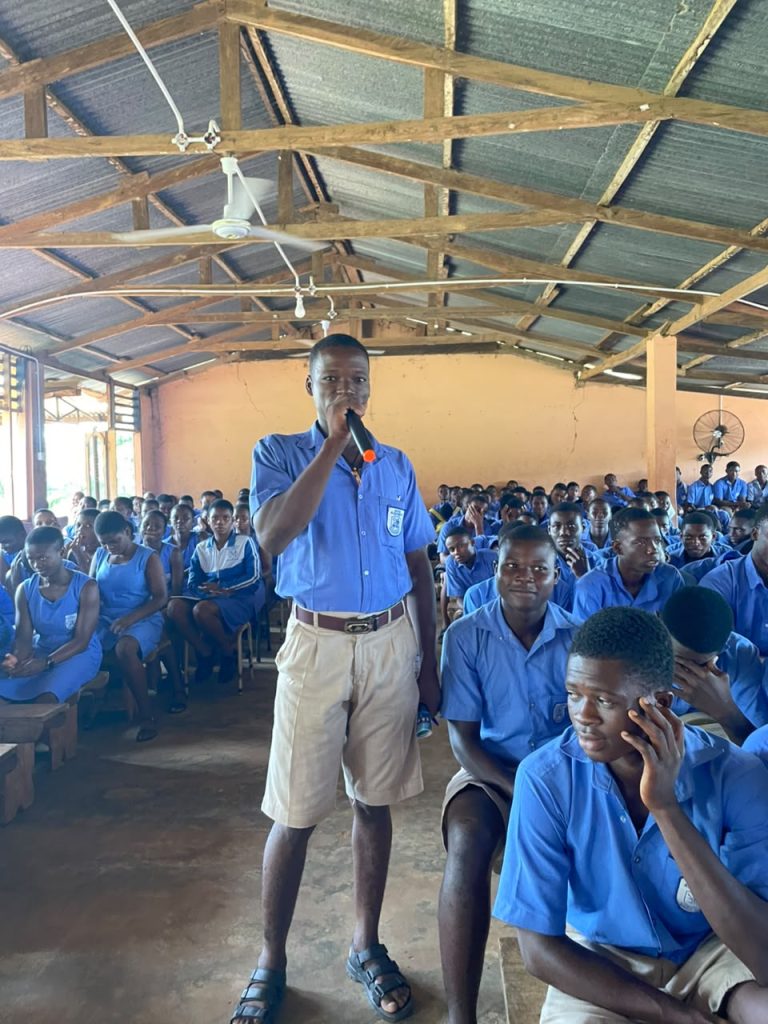
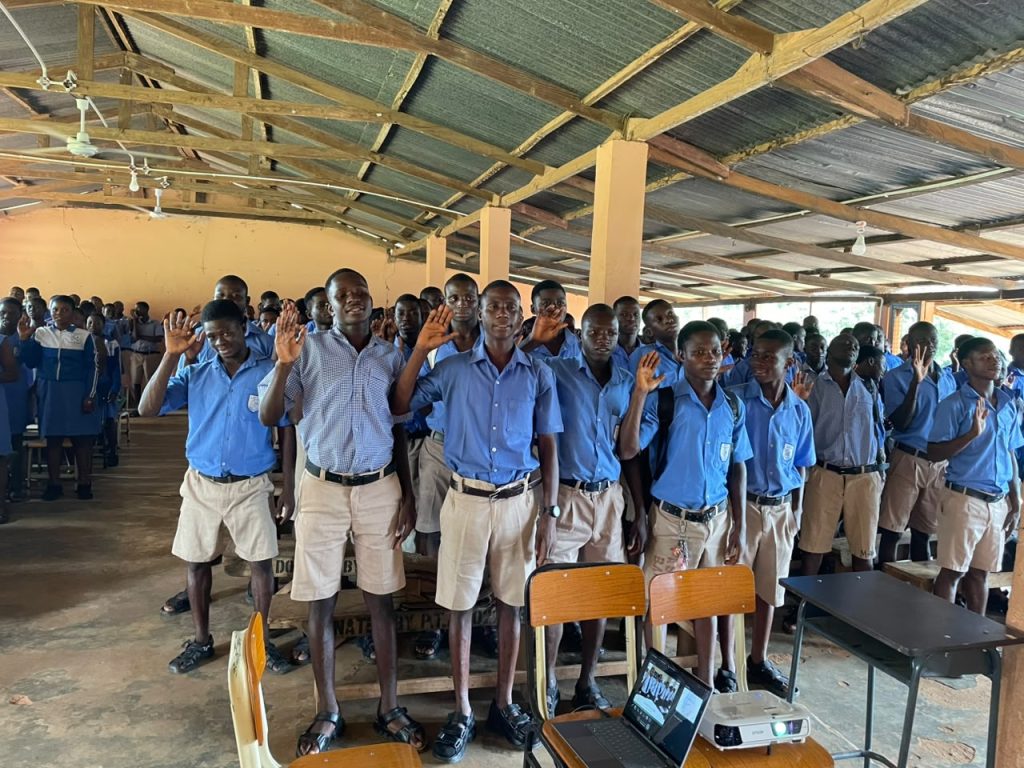
The interactive peace education session provided students with practical knowledge on conflict prevention, communication, active listening, peer mediation, and peaceful approaches to resolving differences. Students were encouraged to embrace tolerance, respect diversity, and contribute positively to maintaining peace within their school and communities.
The programme is expected to improve students’ understanding of peaceful conflict management, strengthen interpersonal relationships, encourage dialogue over violence, and inspire students to serve as advocates for peace wherever they find themselves.
The National Peace Council remains committed to fostering a culture of peace among young people through sustained educational engagements aimed at building peaceful schools, resilient communities, and a more harmonious society.