Volta Regional Peace Council Promotes Peaceful Leadership and Respect Among Ho Technical Institute Students
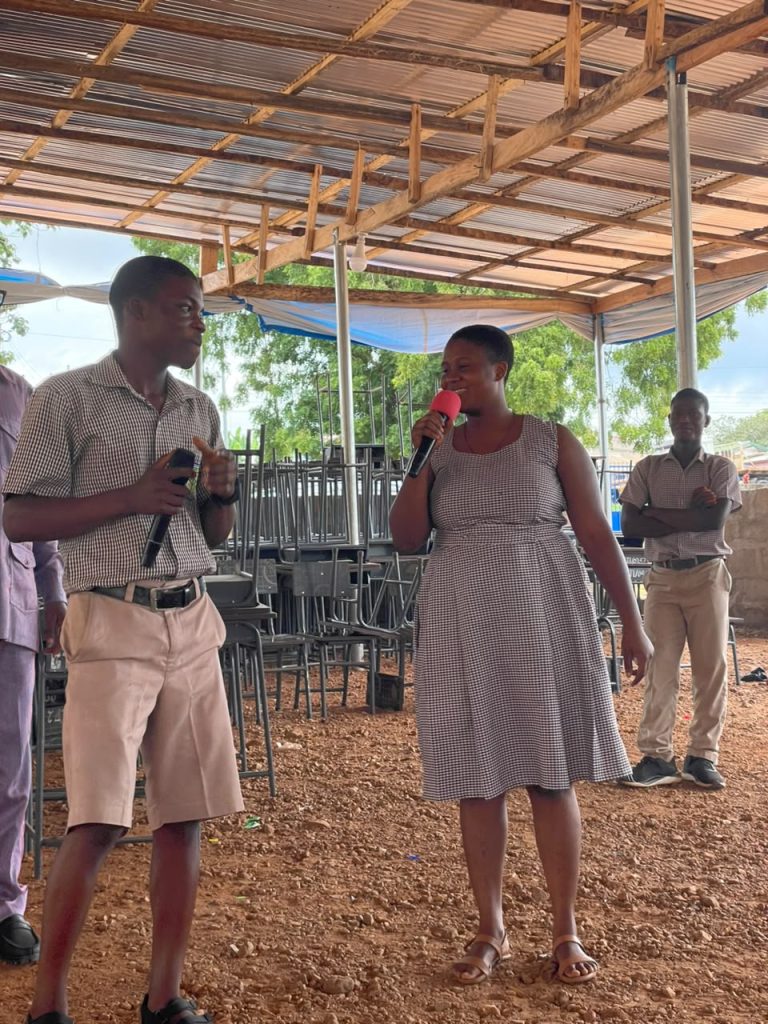
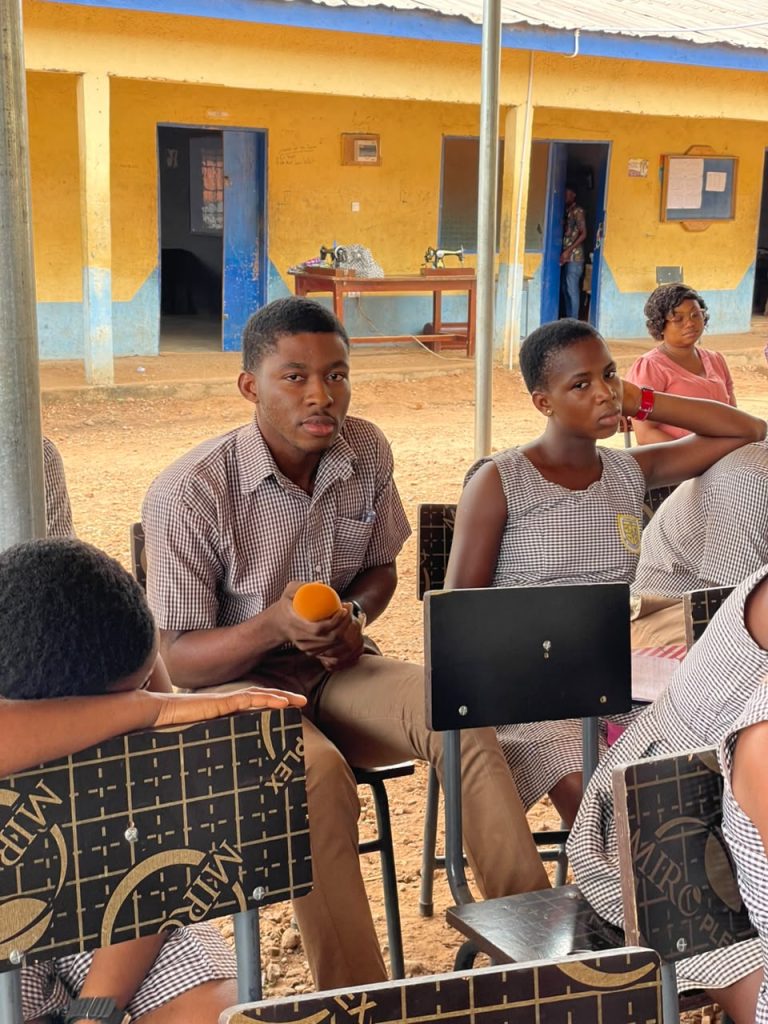
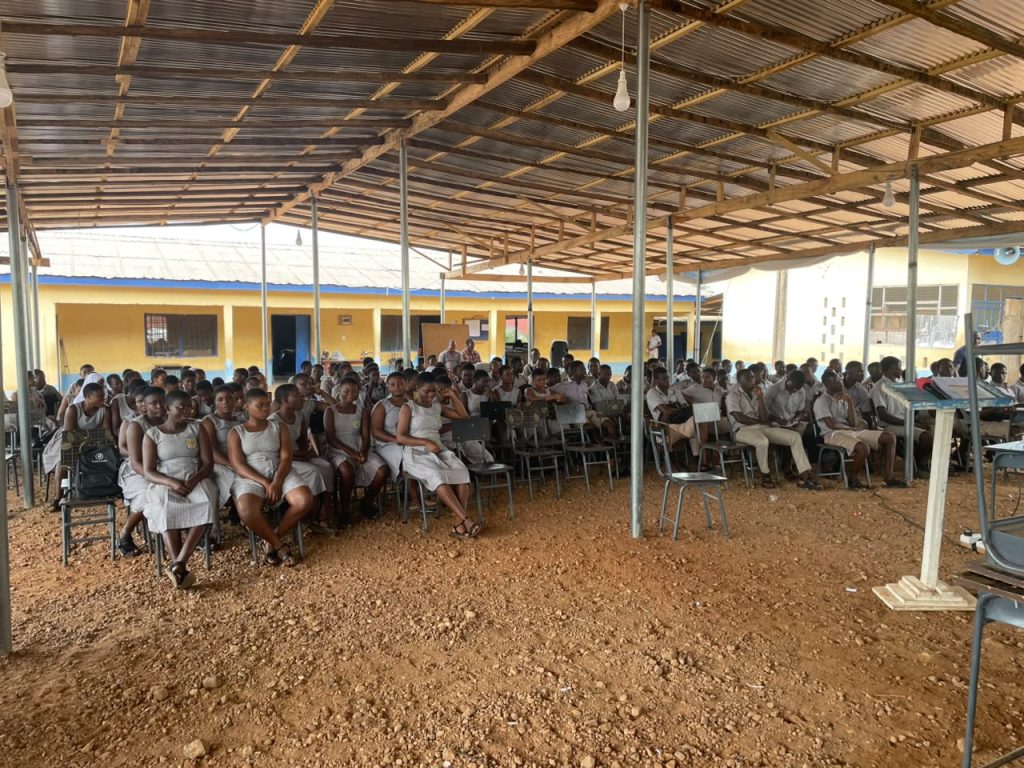
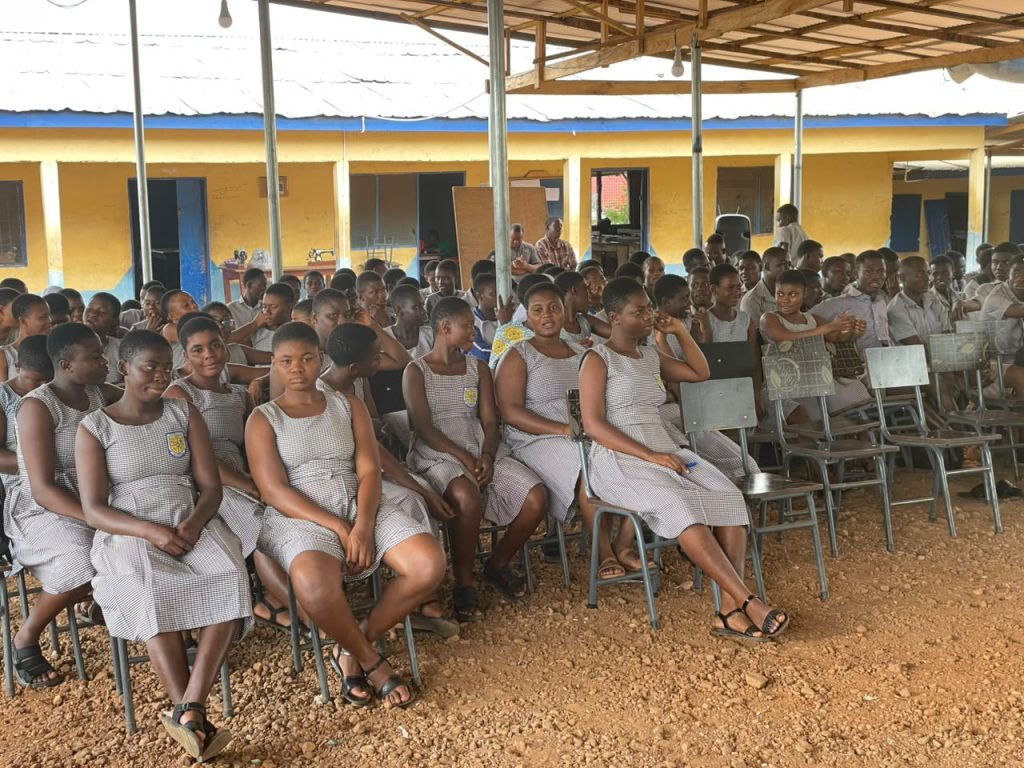
The Volta Regional Peace Council has organized a Peace Education Programme for students of Ho Technical Institute under the theme “Understanding Conflict and Building Peaceful Co-existence.”
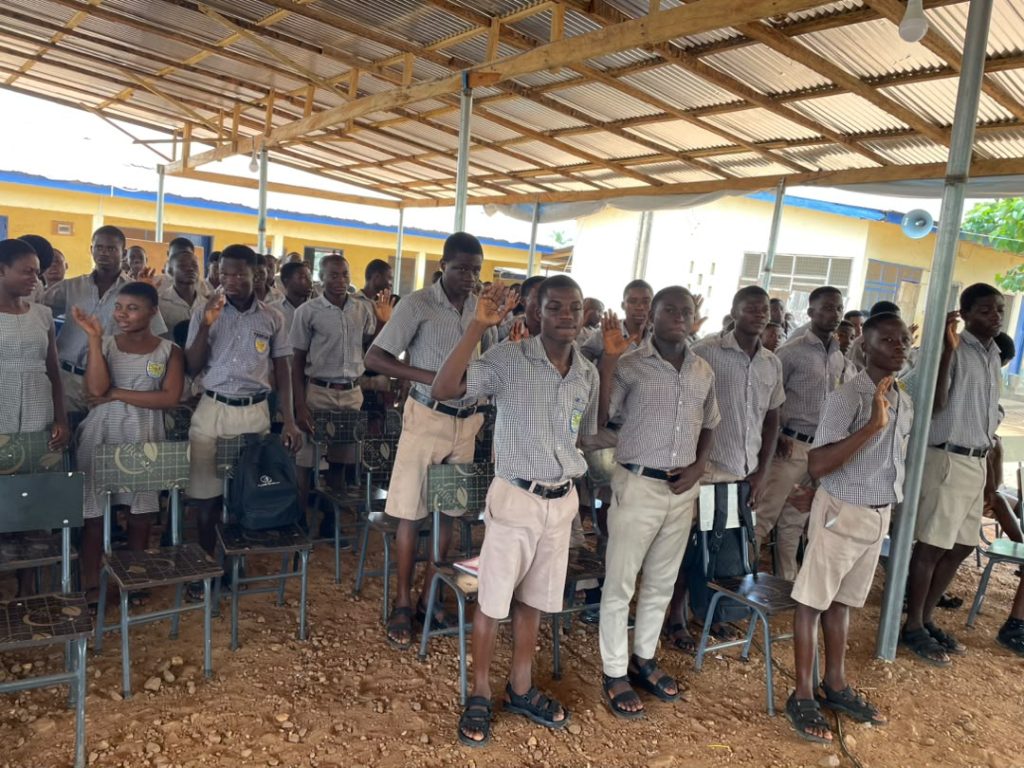
The programme, held on 2nd July 2026 at Ho Technical Institute, formed part of the National Peace Council’s ongoing efforts to promote peace education among young people and equip students with the values and skills required to manage conflicts peacefully and contribute positively to society.
The initiative aimed to enhance students’ understanding of conflict as a normal part of human interaction and promote constructive approaches to conflict resolution. It also sought to equip students with practical skills in communication, negotiation, active listening, and peer mediation while encouraging mutual respect, tolerance, inclusion, and appreciation of diversity within the school community.
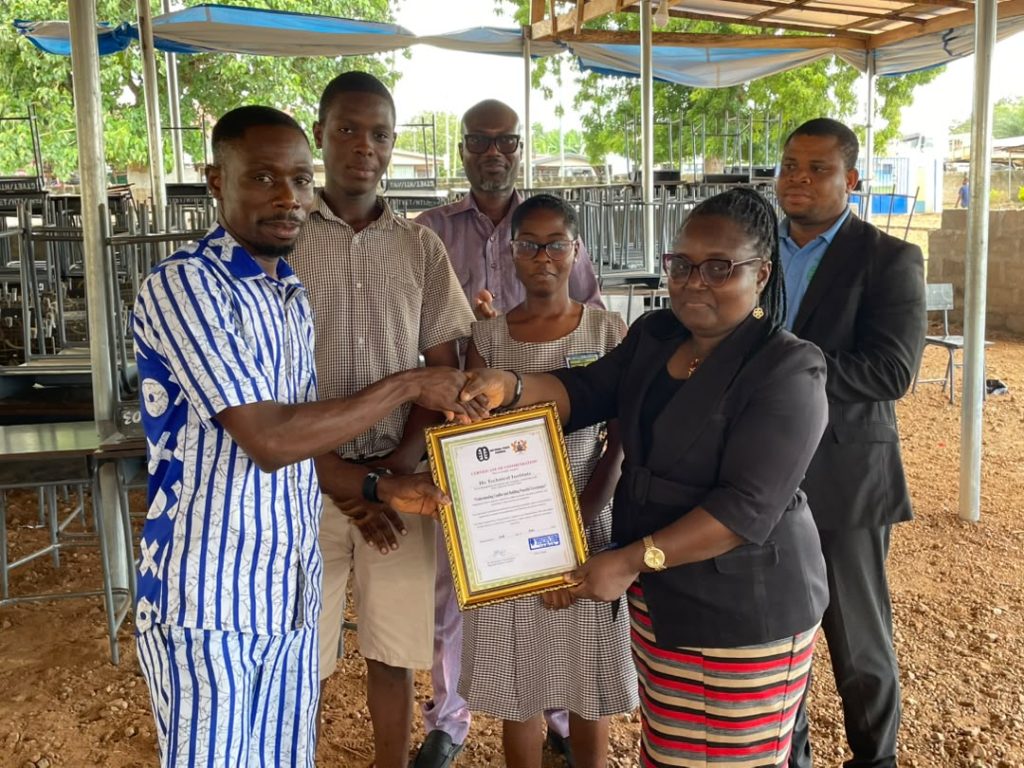
The event was attended by Rev. Seth K. Mawutor, Chairman of the Volta Regional Peace Council; Rev. Courage Elorm Godswill, Member of the Volta Regional Peace Council; Dr. Dela Enuameh, Member of the Volta Regional Peace Council; Dr. David Esinu Yao Normanyo, Regional Executive Secretary of the Volta Regional Peace Council; the Principal of Ho Technical Institute; members of staff; and students of the institution.
Addressing the students, Rev. Courage Elorm Godswill emphasized that technical education provides students with practical skills for employment, but success in life also depends on character, discipline, and the ability to work peacefully with others.
He explained that the National Peace Council places strong emphasis on conflict prevention because peaceful environments create the conditions for individuals and communities to thrive. He encouraged students to see themselves as future professionals who will interact with people from diverse backgrounds in their workplaces and communities.
Rev. Godswill stressed that employers value qualities such as honesty, teamwork, respect, and effective communication alongside technical competence. He therefore urged students to develop the habit of resolving disagreements through dialogue, respecting different opinions, and demonstrating self-control when faced with challenging situations.
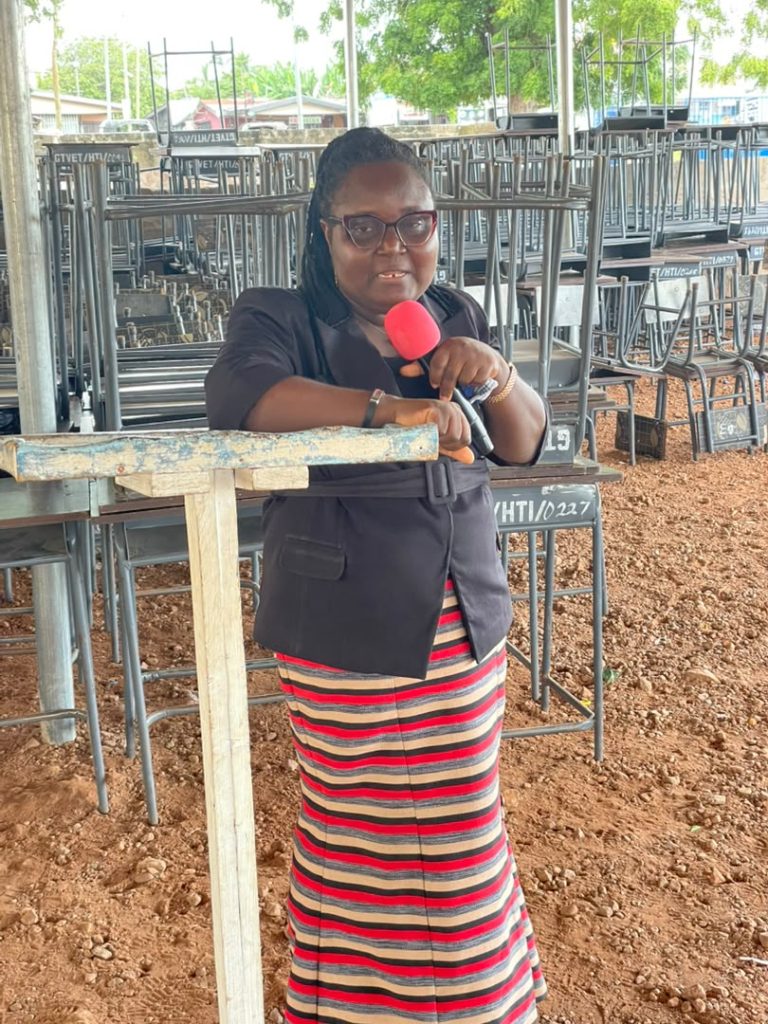
In her address, Dr. Dela Enuameh, Member of the Volta Regional Peace Council, encouraged students to promote a school environment where everyone is treated with dignity and respect regardless of gender.
She explained that sustainable peace cannot exist where discrimination, harassment, or unequal treatment persists. She called on both male and female students to reject harmful stereotypes and support one another in creating a safe, inclusive, and respectful learning environment.
Dr. Enuameh further advised students to be mindful of their words and attitudes towards others, noting that respect, fairness, and equal opportunity are important foundations for peaceful coexistence and personal development. She encouraged students to speak against all forms of abuse, intimidation, and gender-based violence and become advocates for mutual respect within their school and communities.
Speaking to the students, Dr. David Esinu Yao Normanyo, Regional Executive Secretary of the Volta Regional Peace Council, reminded them that learning a technical skill is only one aspect of preparing for the future.
He explained that successful workplaces require individuals who can communicate respectfully, work effectively as teams, and manage disagreements without creating unnecessary tension. He encouraged students to develop habits such as active listening, respectful communication, and openness to constructive criticism.
Dr. Normanyo observed that many workplace conflicts often arise due to poor communication and uncontrolled emotions. He therefore encouraged students to begin practising peaceful conflict management skills while still in school.
He concluded by challenging students to become ambassadors of peace both in their classrooms and workshops, emphasizing that good character, discipline, and peaceful conduct will distinguish them wherever they find themselves in the future.
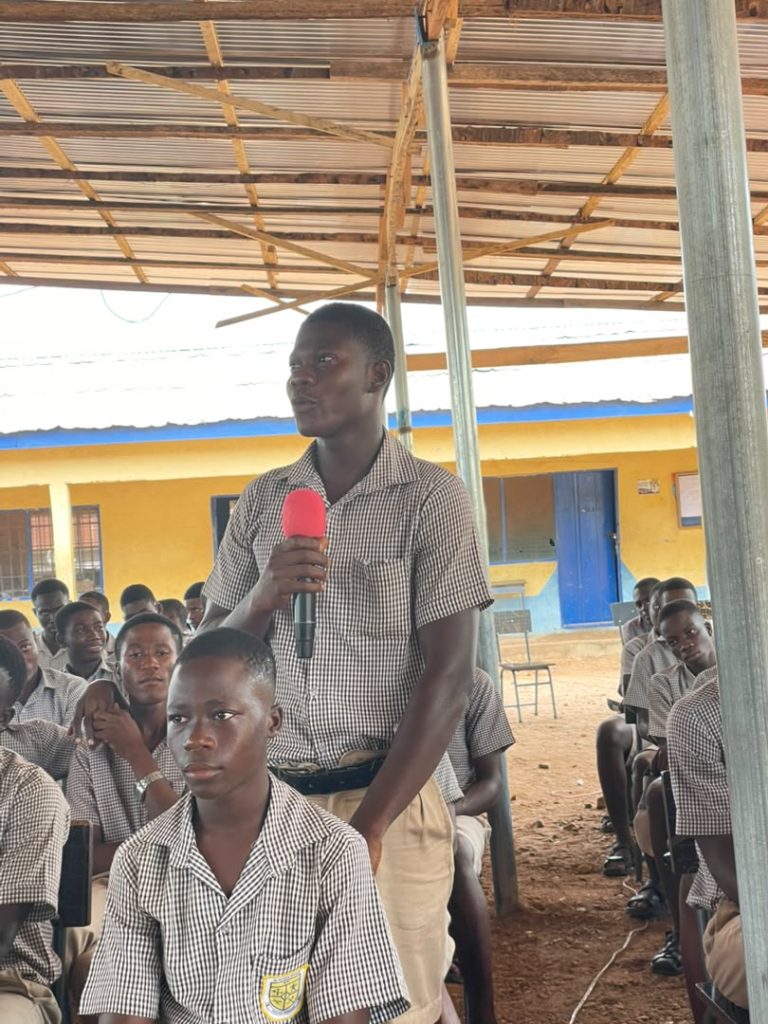
The peace education programme provided students with practical knowledge on conflict prevention, dialogue, communication, respect for diversity, and peaceful approaches to resolving disagreements. Students were encouraged to apply these lessons in their daily interactions and contribute to building a safer and more inclusive school environment.
The National Peace Council remains committed to strengthening peace education initiatives in schools across Ghana as part of efforts to nurture responsible citizens who promote tolerance, respect, dialogue, and peaceful coexistence.