ARPC & Small Arms and Light Weapons Commission (SALW), organized a Peace Education Programme For Armed Forces Senior High School
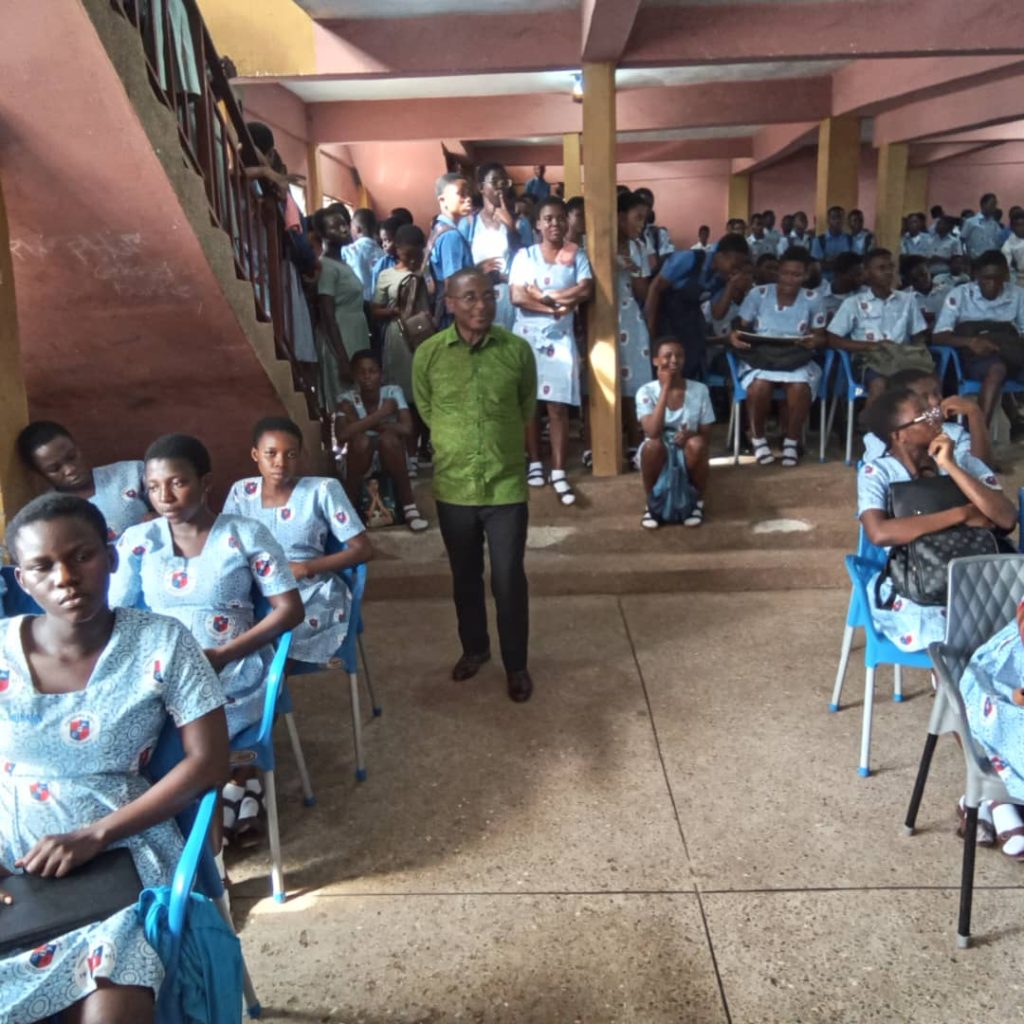
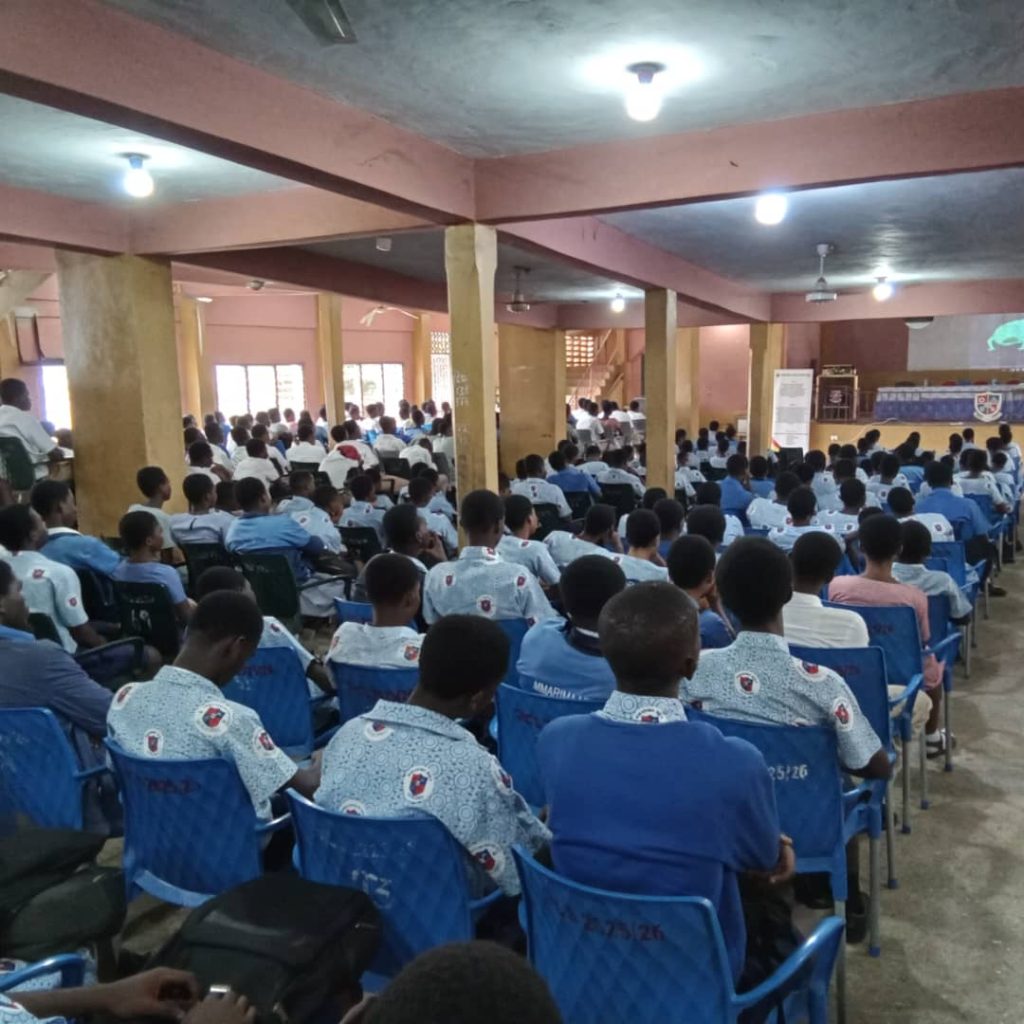
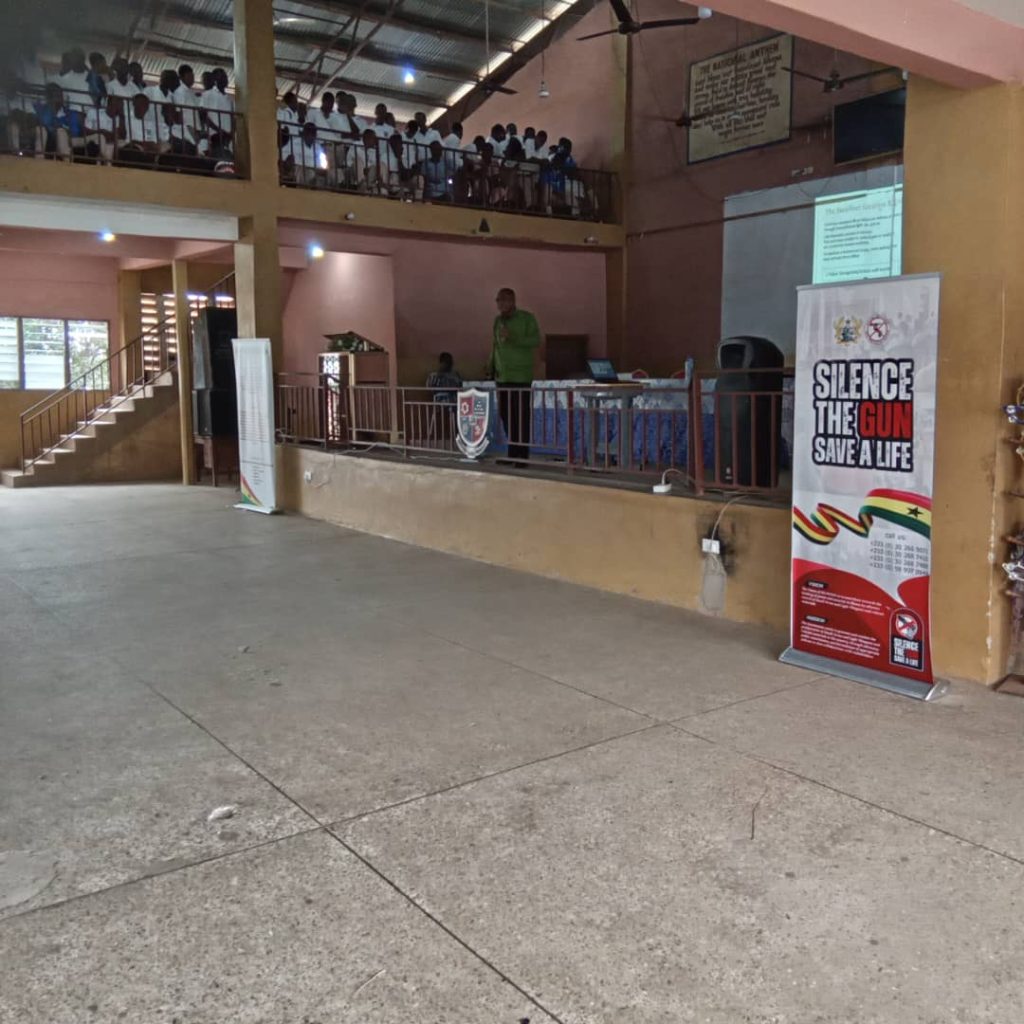
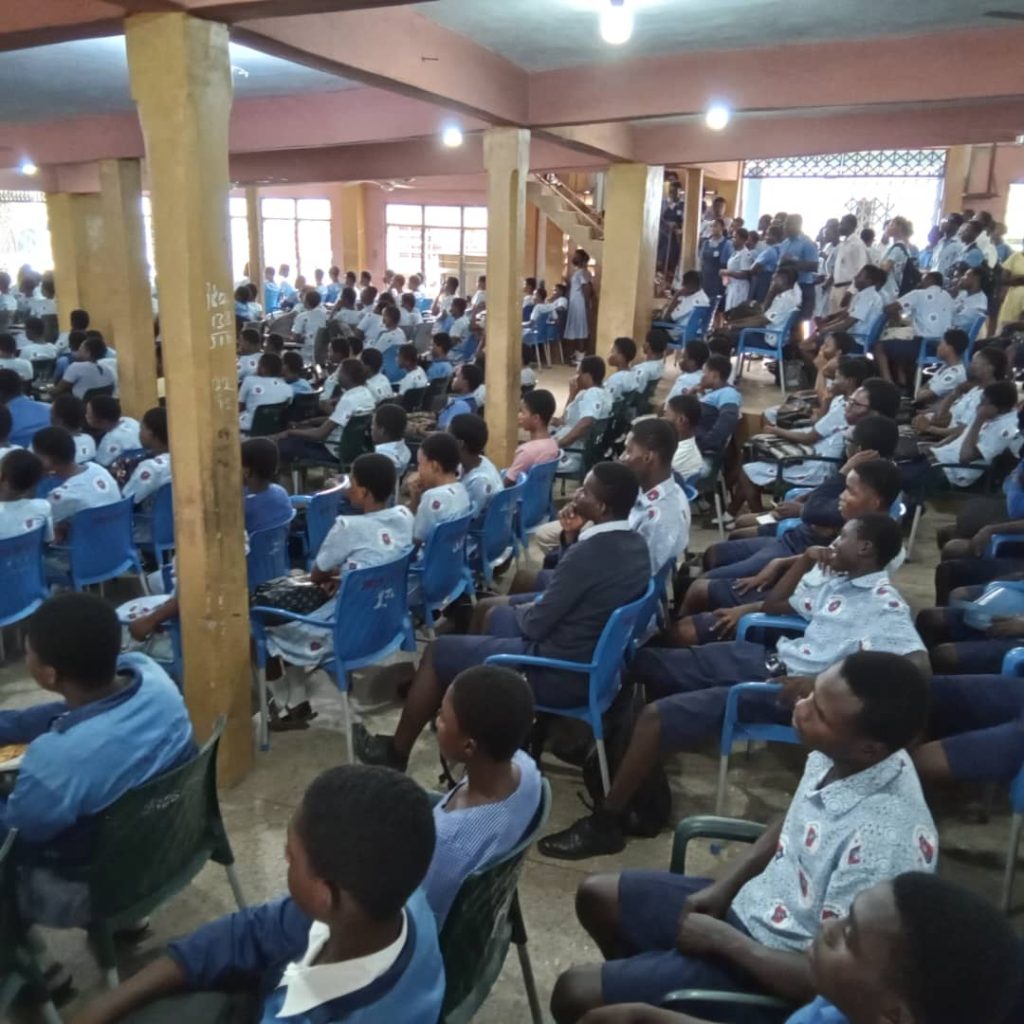
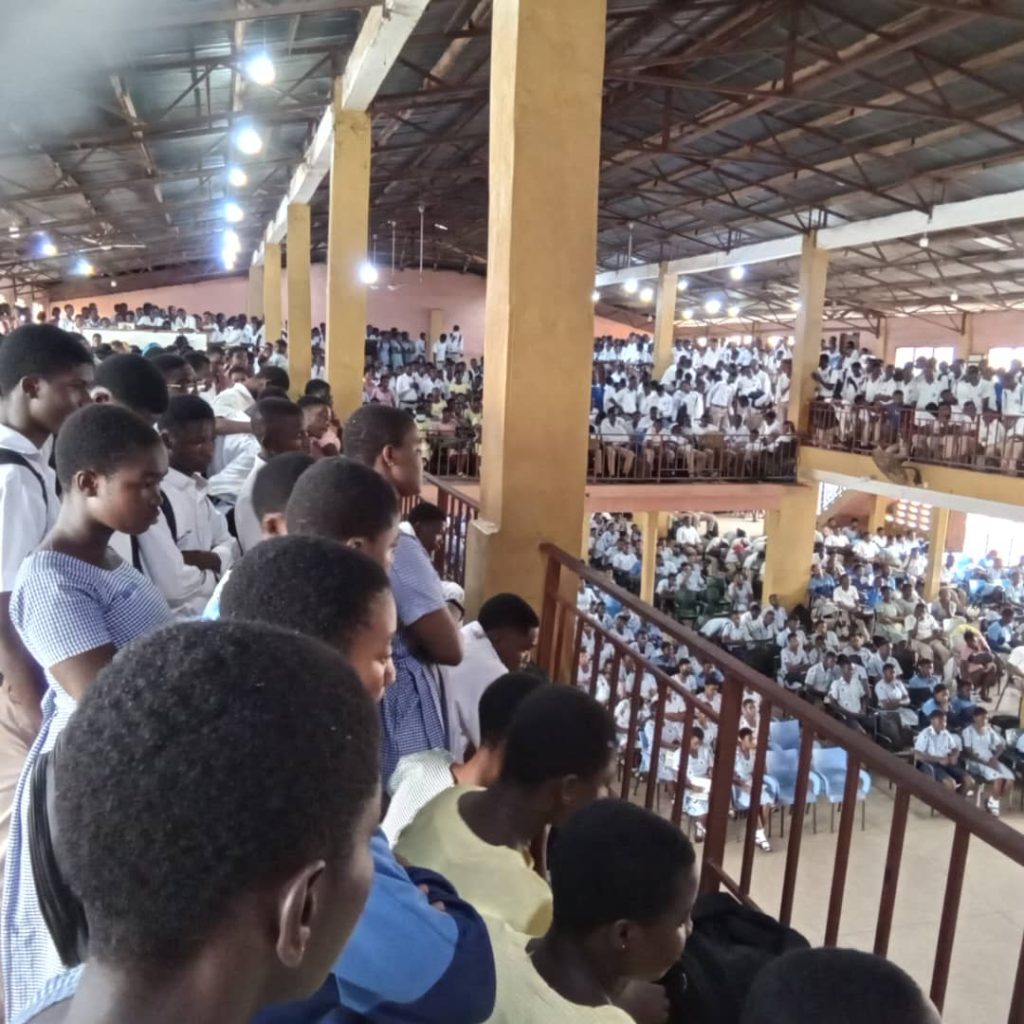
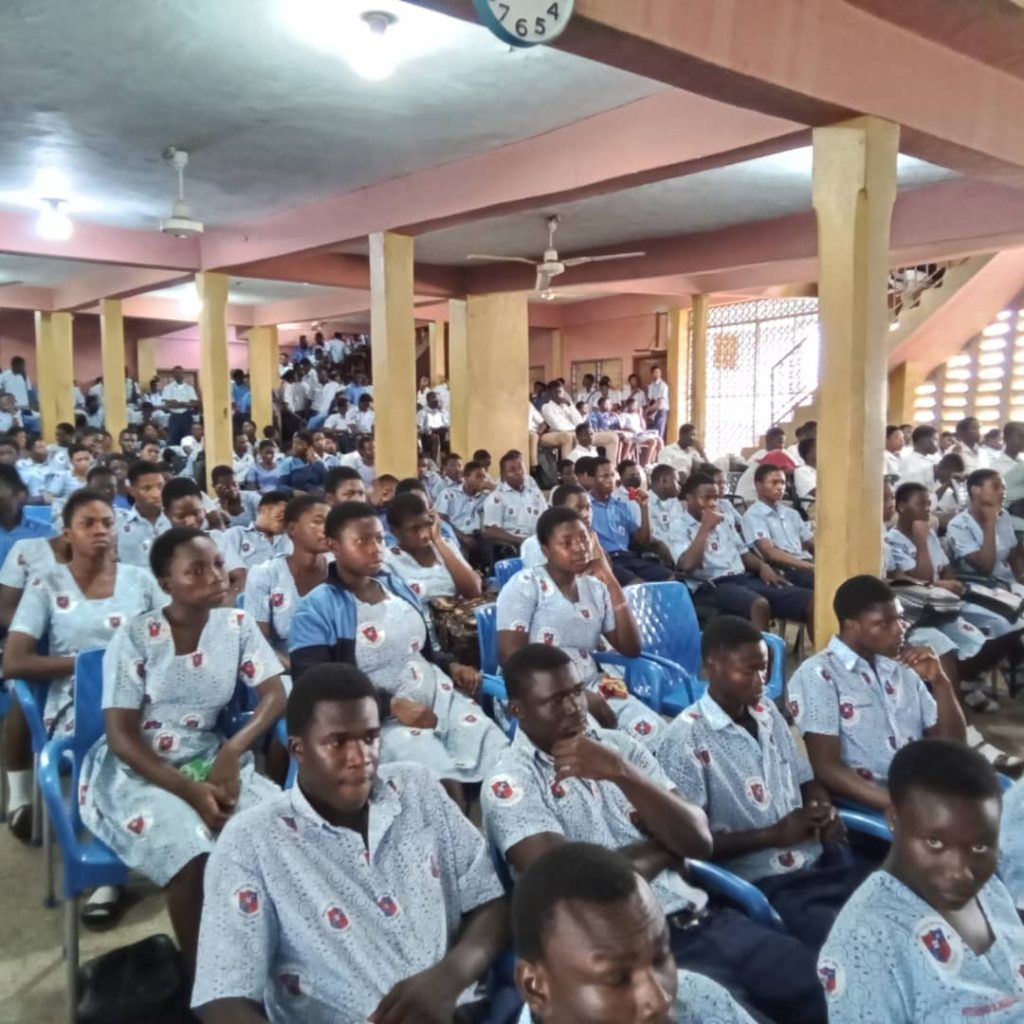
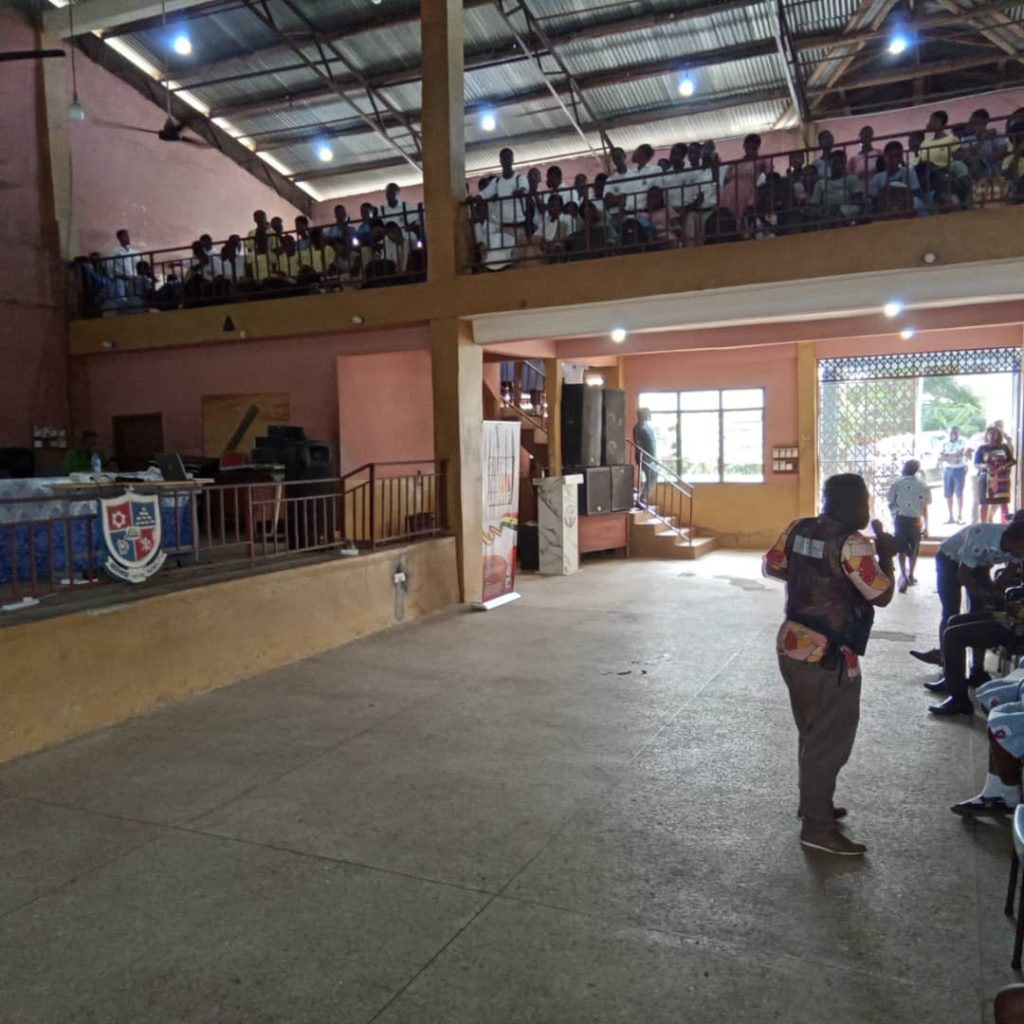
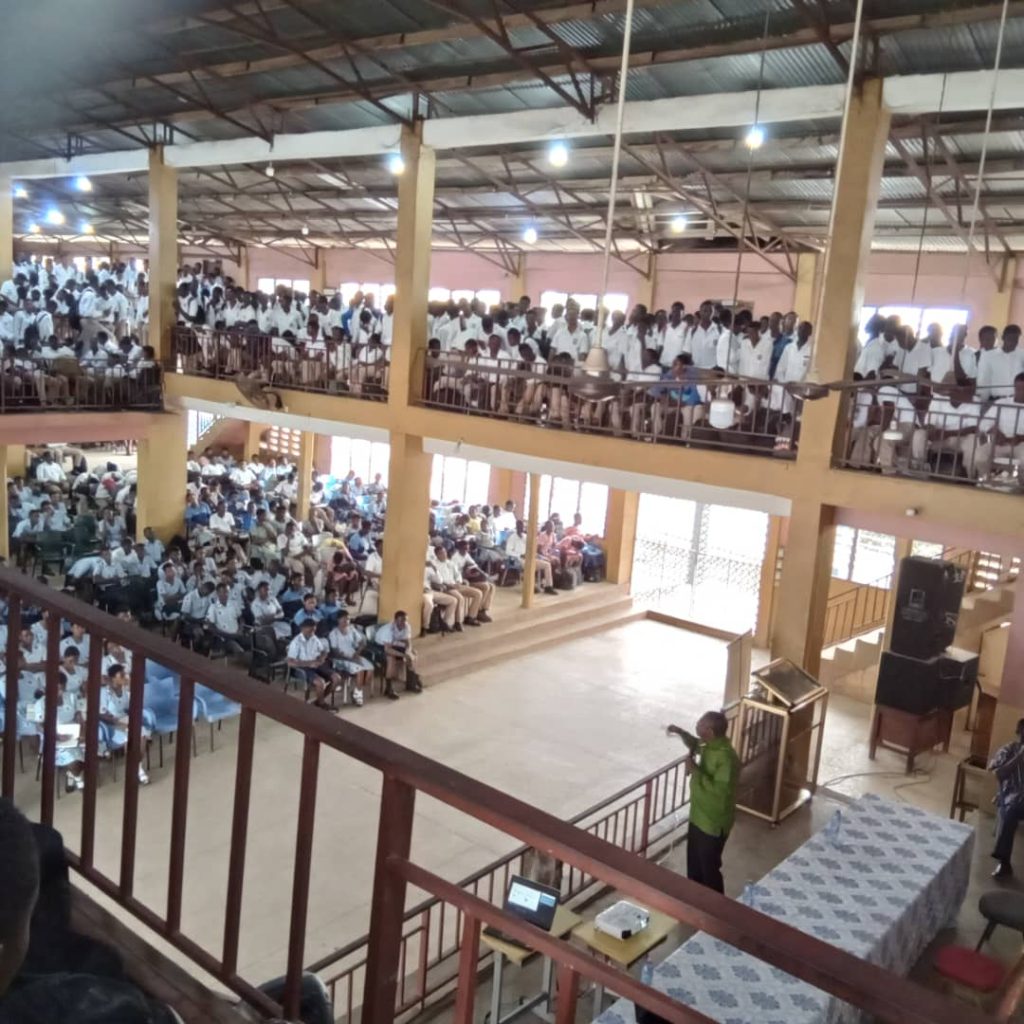
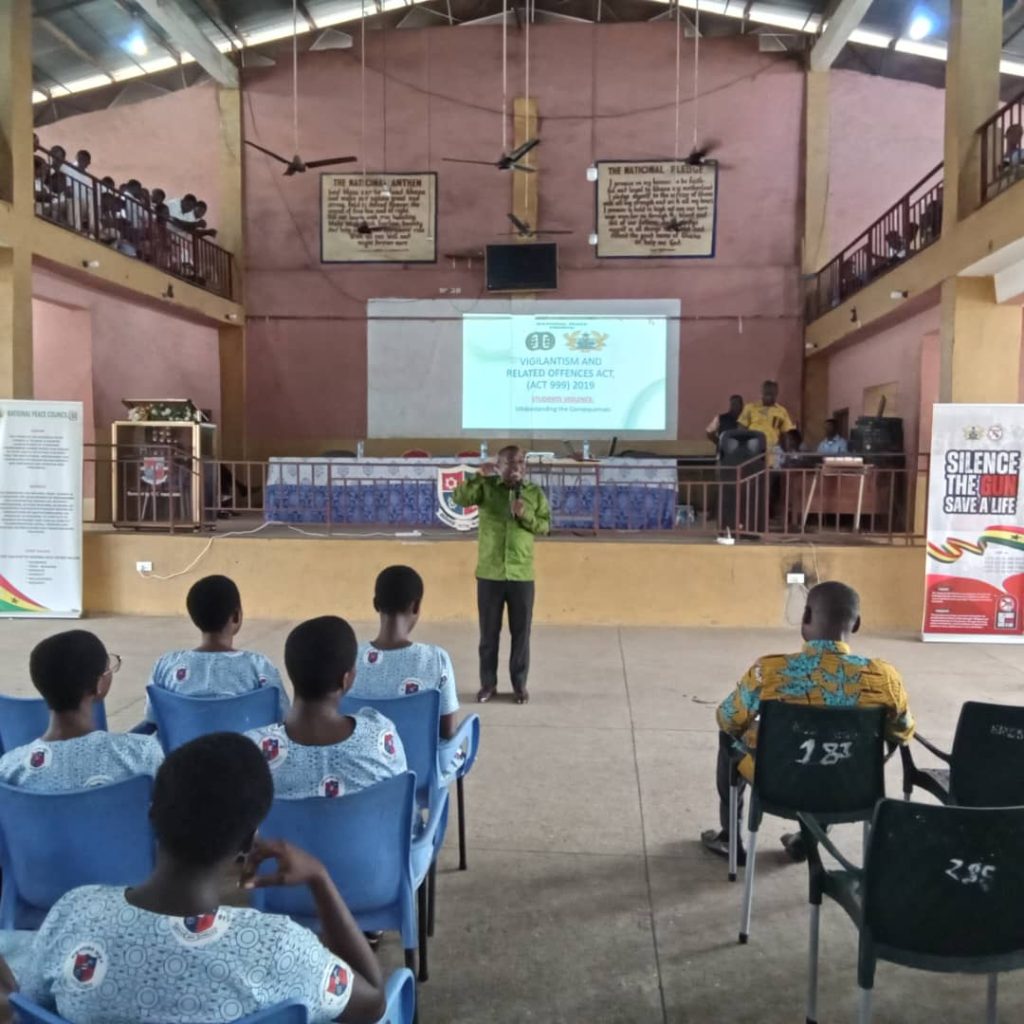
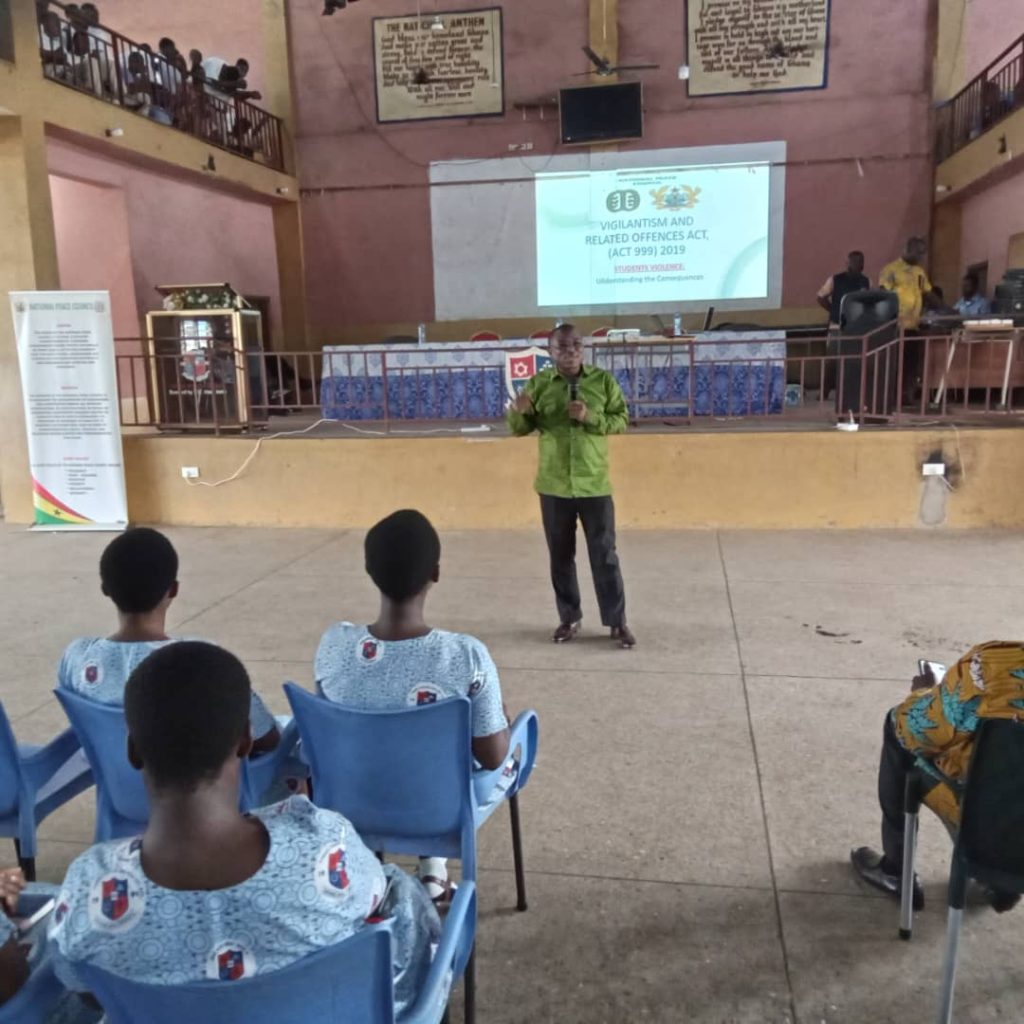
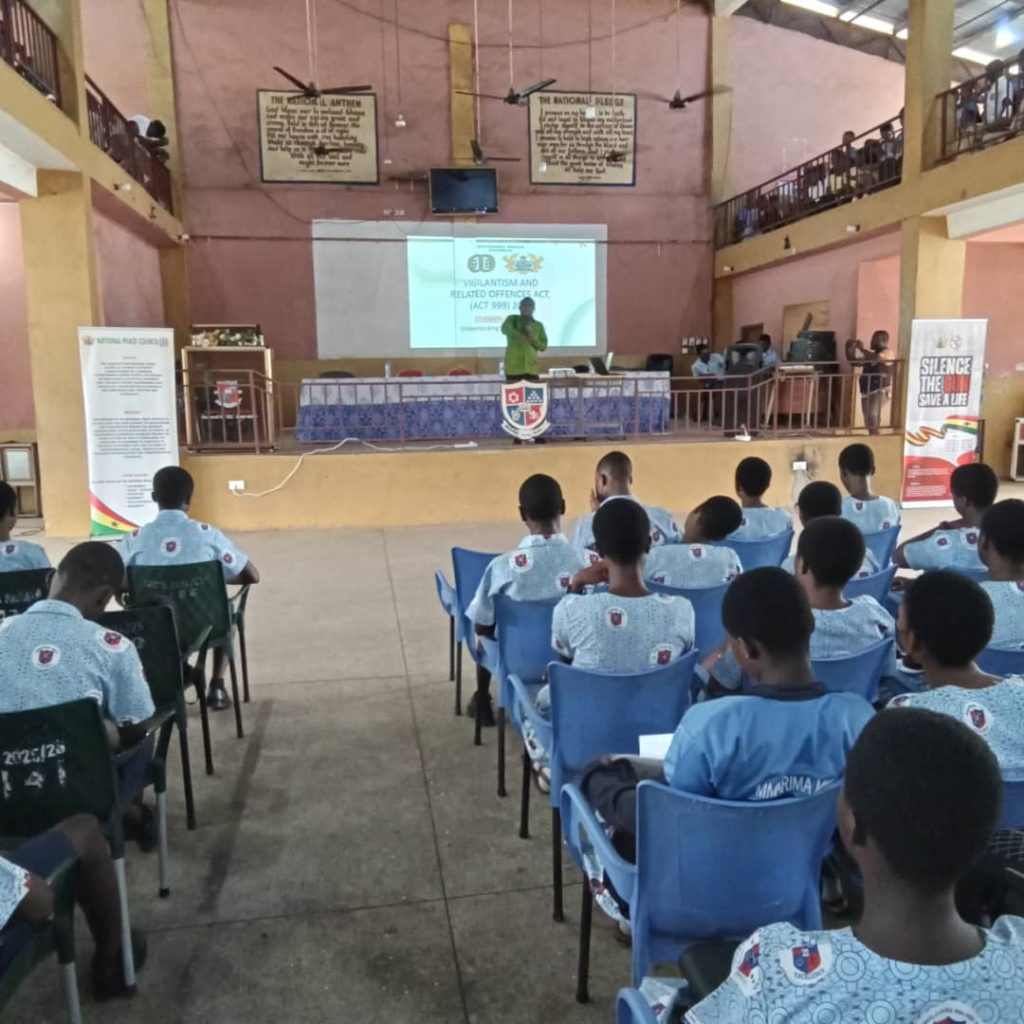
The Ashanti Regional Peace Council (ARPC), in collaboration with the Small Arms and Light Weapons Commission (SALW), organized a Peace Education and Sensitization Programme for students of Armed Forces Senior High School on 3rd August 2026. The initiative sought to educate students on the Vigilantism and Related Offences Act, 2019 (Act 999), the dangers of student violence, the risks associated with the illegal possession and use of small arms and light weapons, and the importance of resolving conflicts through peaceful means.
Addressing the students, Rev. Dr. Emmanuel Badu Amoah, Regional Executive Secretary of the Ashanti Regional Peace Council, emphasized that peace begins with individual attitudes, words, and actions. He encouraged students to reject bullying, promote dialogue, and support peaceful conflict resolution within their school. He explained that the Vigilantism and Related Offences Act, 2019 (Act 999) criminalizes the formation, funding, support, recruitment, and participation in vigilante groups, with offenders liable to imprisonment for 10 to 15 years. He urged students to report grievances through the appropriate school authorities rather than resorting to violence.
Mr. Emmanuel Kenneth Oduro, Regional Director of the Small Arms and Light Weapons Commission, highlighted the serious threat posed by the illegal possession and misuse of firearms. He reminded students that guns do not provide power but instead increase vulnerability and contribute to violence, crime, and the loss of innocent lives. He further stressed that unlawful possession or use of firearms is a criminal offence in Ghana, carrying severe legal consequences, including arrest, prosecution, and imprisonment.
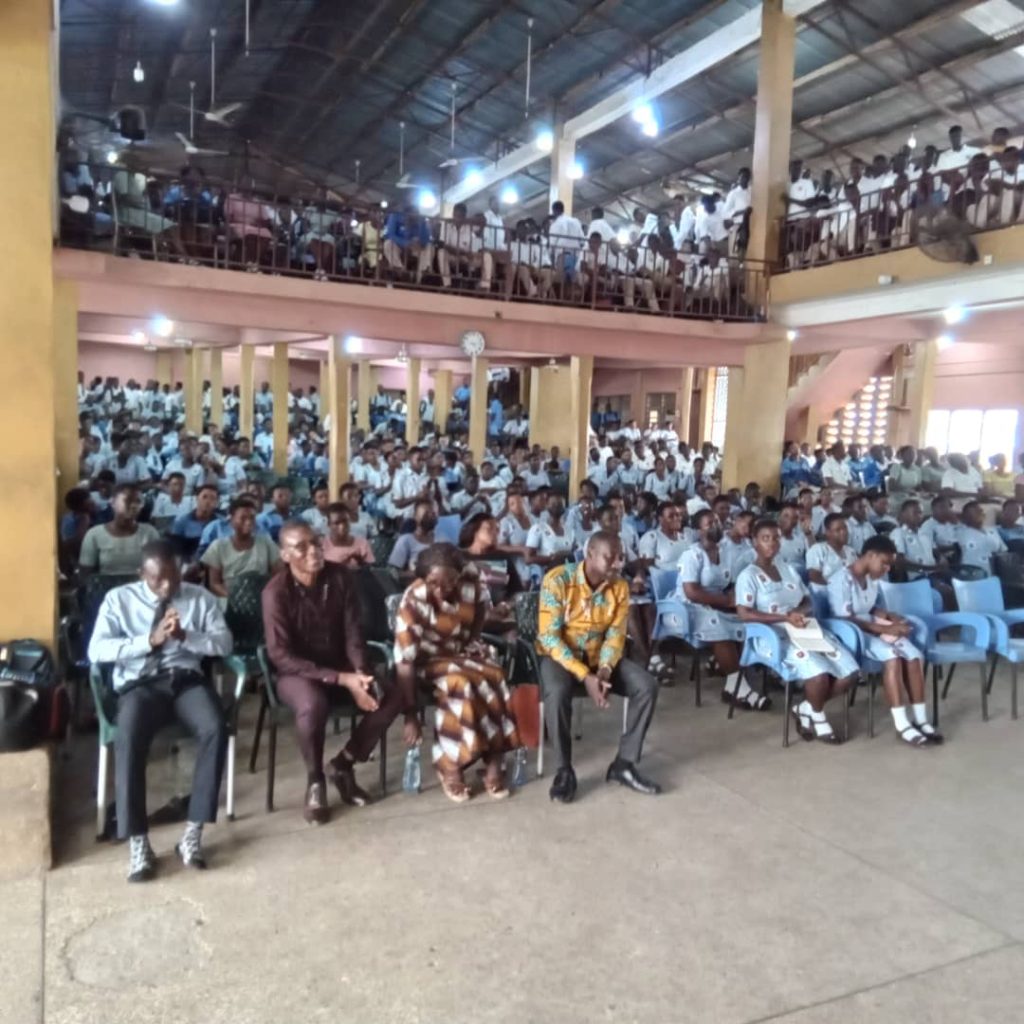
The programme brought together officials of the Ashanti Regional Peace Council, the Small Arms and Light Weapons Commission, the management and staff of Armed Forces Senior High School, and over 2,200 students. The engagement forms part of ongoing efforts to empower young people with the knowledge and values needed to promote peace, reject violence, and become ambassadors of peaceful coexistence within their schools and communities.