Upper East Regional Peace Council Strengthens Community Capacity to Prevent Violent Extremism
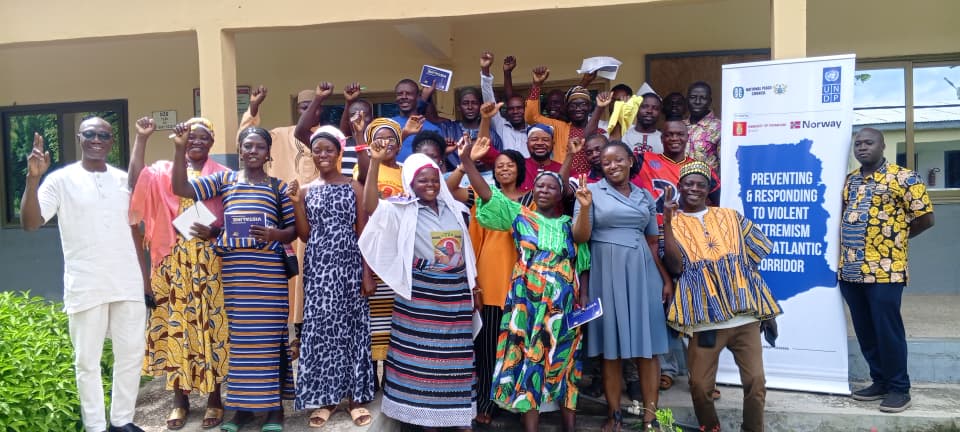
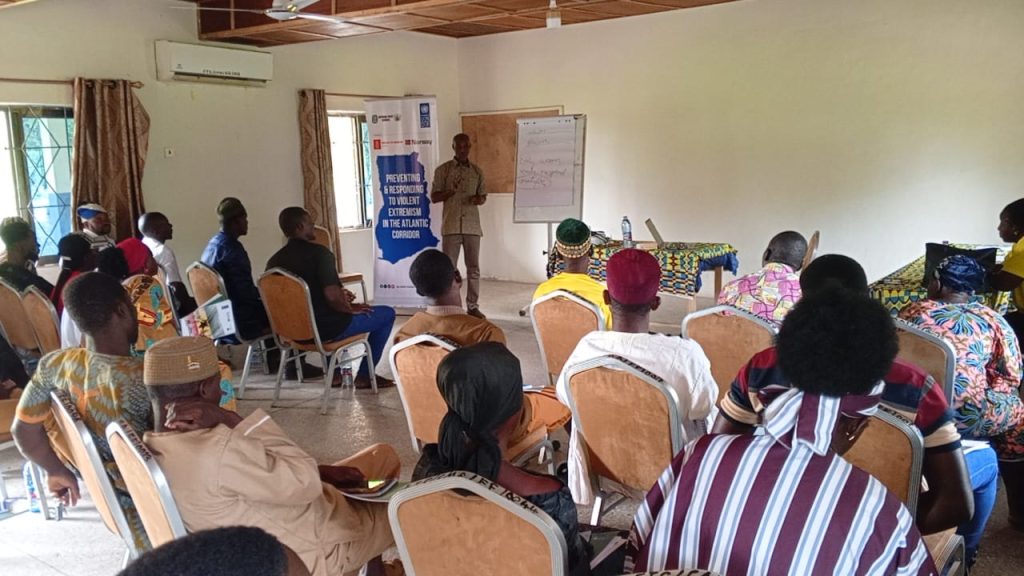
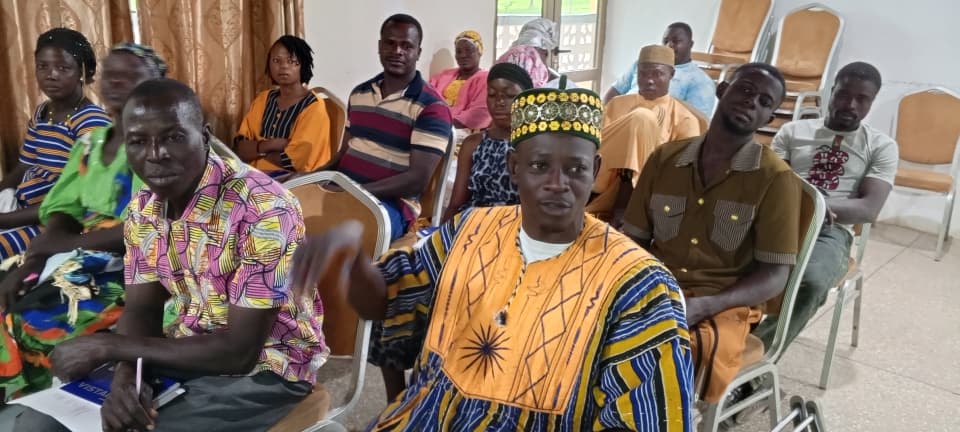
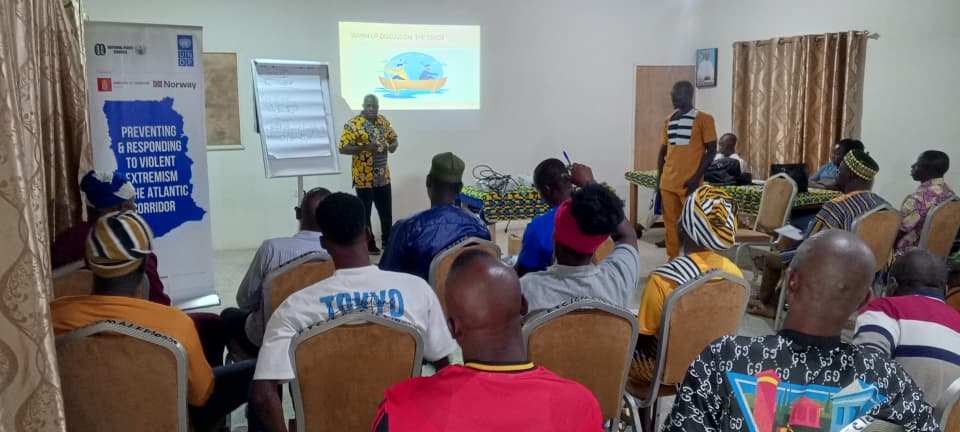
The Upper East Regional Peace Council, with support from the Embassies of Denmark and Norway and in collaboration with UNDP, organised a two-day capacity-building programme on Preventing and Responding to Violent Extremism in the Atlantic Corridor from 28th to 29th July 2026 at the Puso-Namoo Farmers Training Center.
The training formed part of ongoing efforts to strengthen community resilience against violent extremism by building effective community-based early warning and response mechanisms. The programme focused on equipping Local Peace Committees, women, youth, Assembly and Unit Committee members with the knowledge and skills to identify early warning signs of violent extremism and radicalisation, promote religious tolerance, strengthen collaboration with security agencies, and enhance peaceful coexistence within their communities.
Addressing participants, the Upper East Regional Executive Secretary of the National Peace Council, Mr. Damien Asobayire, explained that the training forms part of the project’s third-quarter activities targeting communities identified as potential security hotspots. He noted that the newly established Local Peace Committees would serve as frontline structures for identifying and responding to emerging security threats before they escalate into conflict.
Mr. Asobayire encouraged participants to implement the action plans developed during the training and to work closely with the Regional Peace Council whenever issues exceeded their capacity to address. He stressed that effective early warning systems, timely reporting, and community collaboration are essential to preventing violent extremism and safeguarding peace.
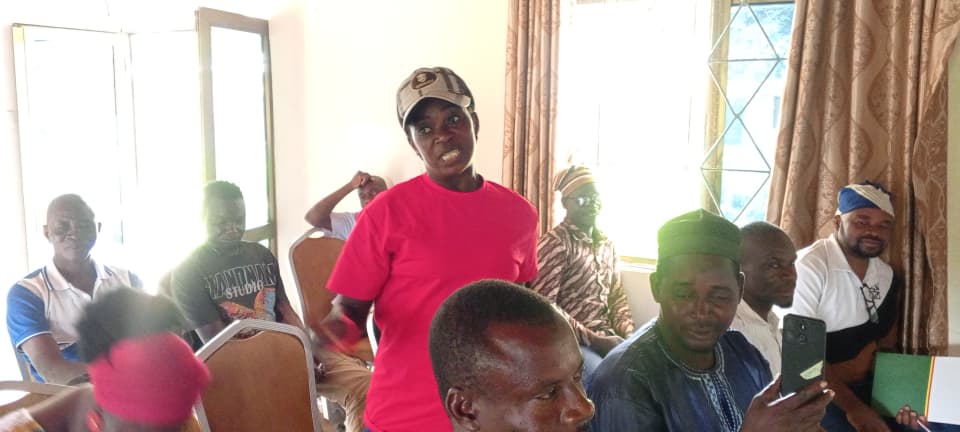
The Assembly Member for the Kansogo Electoral Area, Mr. Mbah Atule Denis, welcomed the initiative and noted that the committee would play an important role in strengthening vigilance within the border community, where residents maintain close ties with neighbouring communities in Burkina Faso. He also highlighted land disputes as another challenge facing the area and pledged to use community durbars to educate residents on conflict prevention, peaceful coexistence, and the importance of community participation in maintaining security.
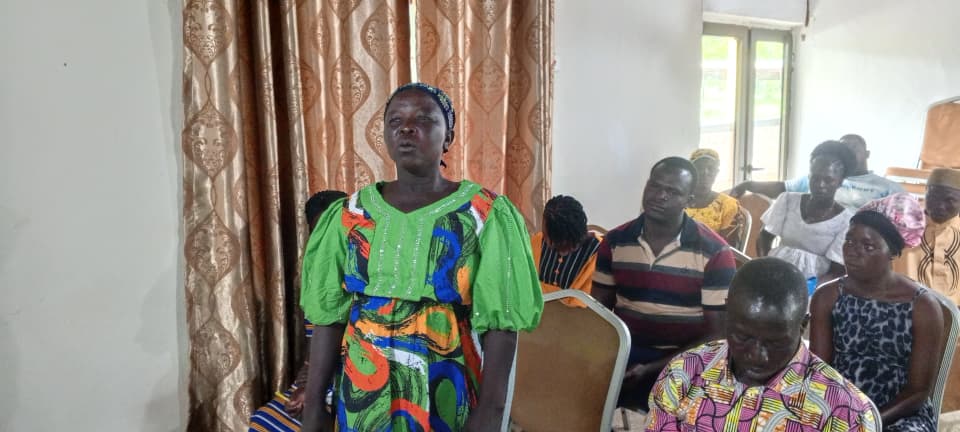
The programme brought together participants from the Binaba and Kansogo communities in the Bawku West District and Naaga in the Kassena Nankana Municipality. Through practical discussions and action planning, participants strengthened their capacity to identify security threats, improve information sharing with security agencies, promote religious tolerance, and contribute to building peaceful, resilient communities.
The Upper East Regional Peace Council remains committed to strengthening local peace structures and working with communities and development partners to prevent violent extremism, enhance community resilience, and promote sustainable peace across the region.