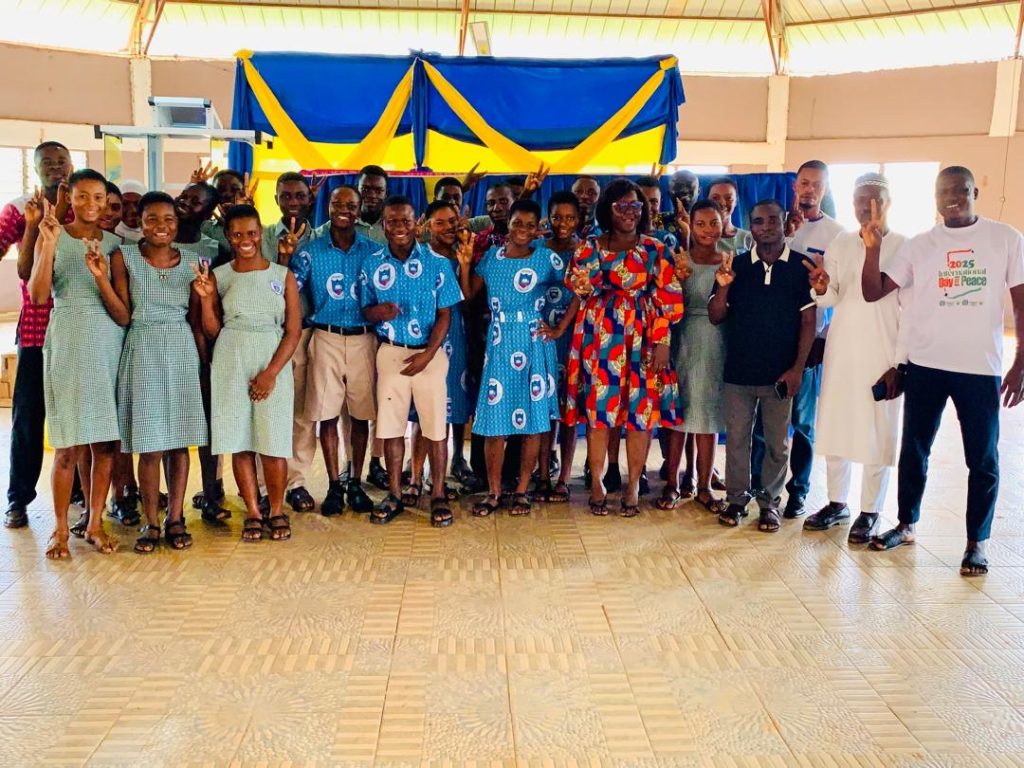
Western North Regional Peace Council Educates Over 600 Students of Juaboso Senior High School on Peacebuilding and Drug Abuse Prevention
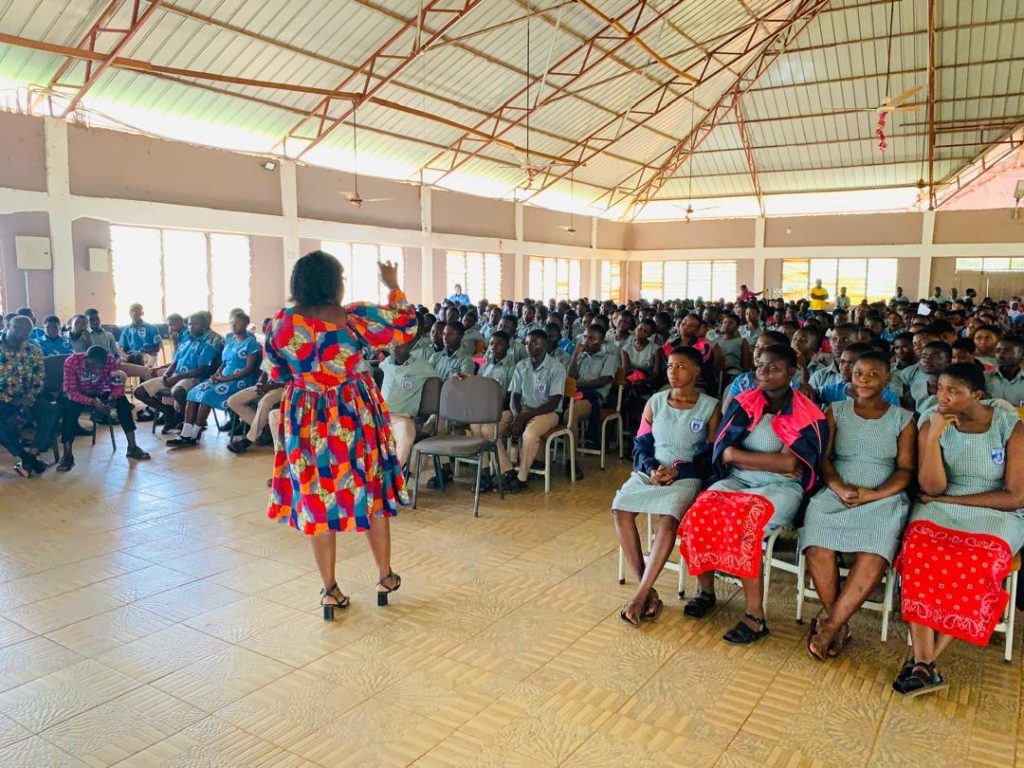
The Western North Regional Peace Council (WNRPC) has organised a Peace Education and Sensitization Programme for students of Juaboso Senior High School as part of its efforts to promote peaceful coexistence, discipline, and responsible behaviour among young people.
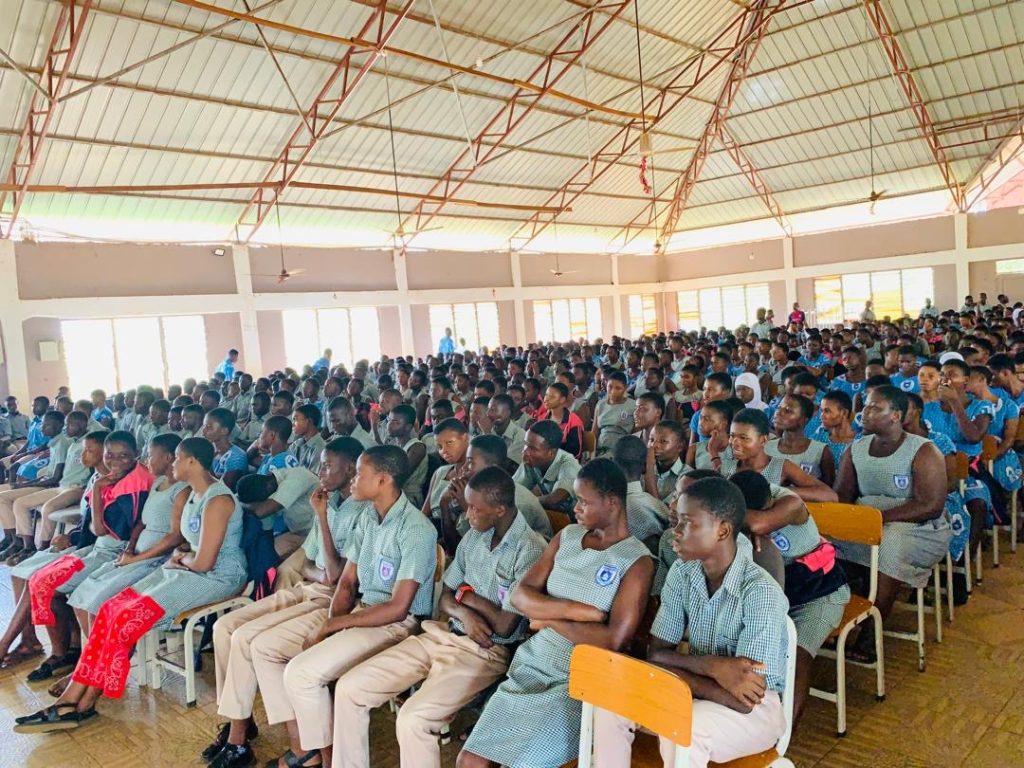
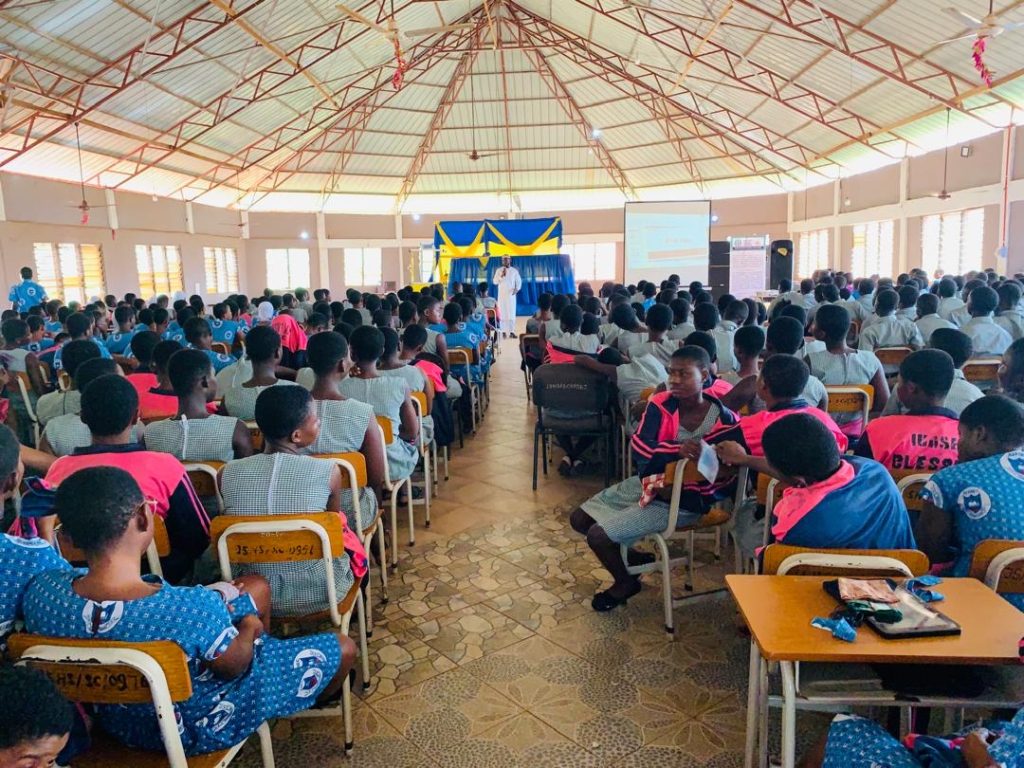
Held on 29th July 2026 at the school premises, the programme sought to raise awareness of the mandate of the National Peace Council (NPC), educate students on the consequences of school violence and drug abuse, and encourage adherence to school rules as a means of preventing conflict.
In her presentation, the Acting Regional Executive Secretary, Elizabeth Boduwah, explained that the National Peace Council was established under Act 818 of 2011 as an independent institution mandated to promote peace and prevent conflict across Ghana. She noted that the Council works through regional peace councils to ensure that peacebuilding initiatives reach communities throughout the country.
She highlighted the Council’s role in advising government, facilitating dialogue, mediating disputes, promoting tolerance, collaborating with traditional and religious leaders, and monitoring conflicts to prevent their escalation. Addressing the students, she emphasized that peacebuilding begins in schools and communities, urging them to embrace dialogue, respect for one another, and peaceful means of resolving disagreements as their contribution to national stability.
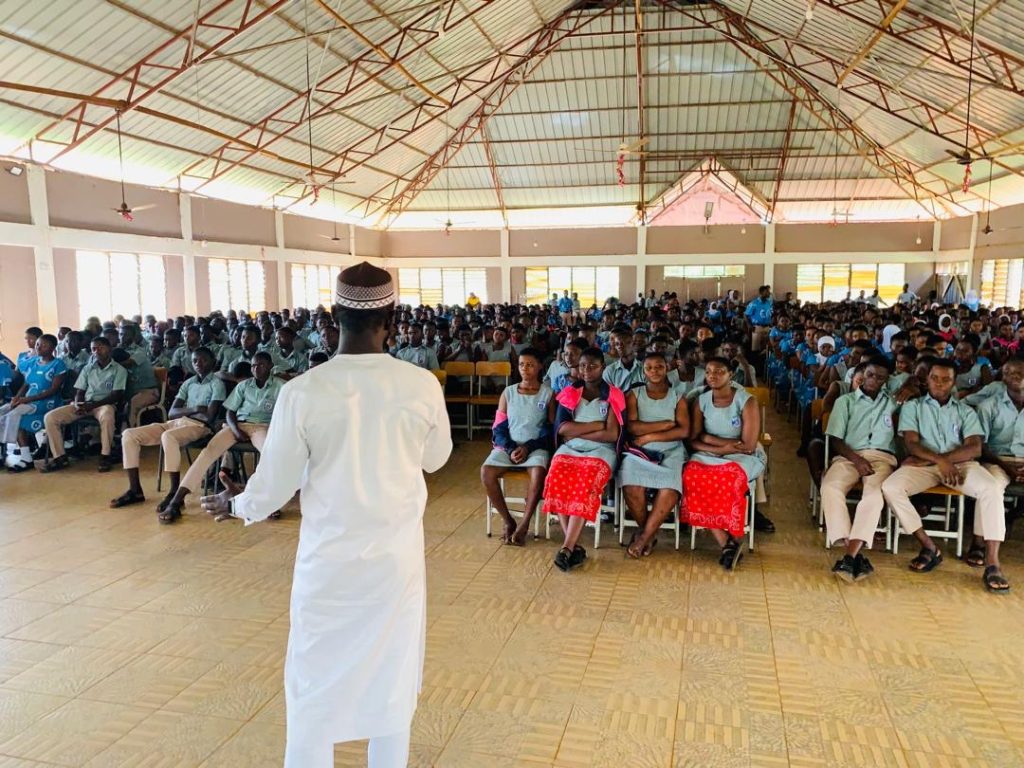
Delivering the second presentation, Maulvi Zacharia Arthur, an Eminent Member of the Western North Regional Peace Council, educated participants on the dangers of drug abuse. He warned that substance addiction can lead to criminal behaviour, school dropout, unemployment, and serious health complications. He noted that the growing misuse of opioids among young people has become a significant concern in Ghana and around the world.
Maulvi Arthur stressed that addressing substance abuse requires the collective efforts of schools, parents, health professionals, religious and community leaders, and government institutions. He further highlighted the devastating consequences of drug abuse, including addiction, death, unwanted pregnancies, sexually transmitted infections (STIs), and the loss of educational and economic opportunities. He encouraged students to make healthy, informed decisions and resist negative peer influence.
The programme recorded the participation of over 600 students, together with teaching staff and officials of the Western North Regional Peace Council. The engagement strengthened students’ understanding of peaceful coexistence, responsible citizenship, and the importance of making positive life choices while reinforcing the Council’s commitment to promoting sustainable peace through education.