Investing In Peace: Ashanti Regional Peace Council Brings Religious And Community Leaders Together For Dialogue
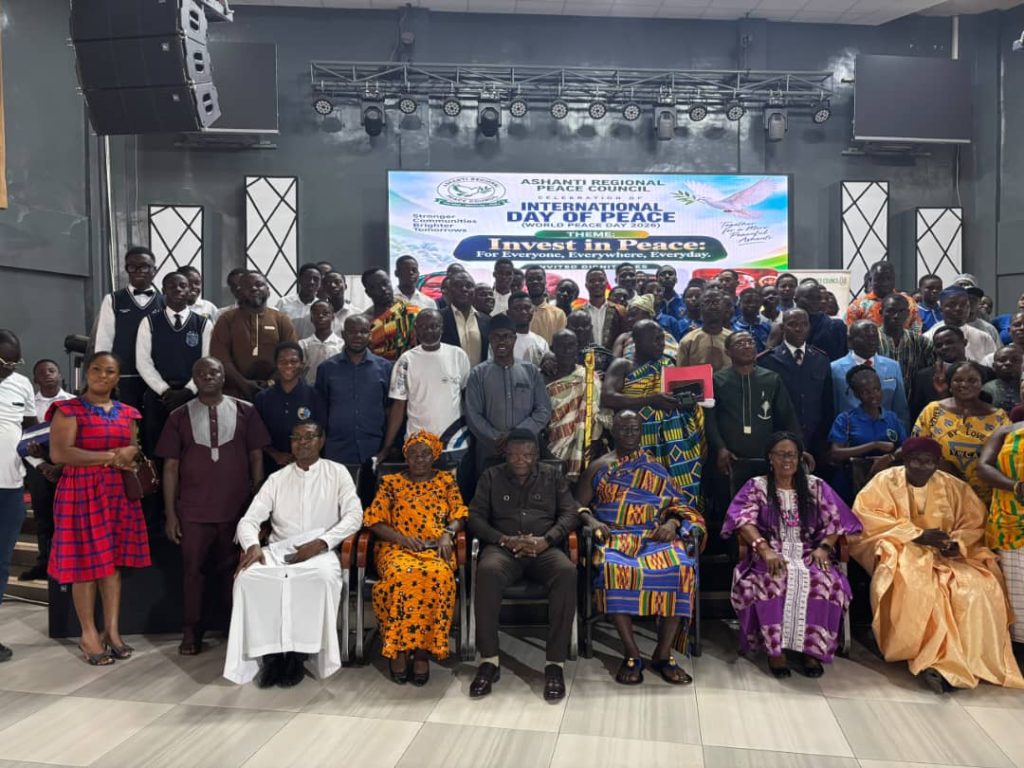
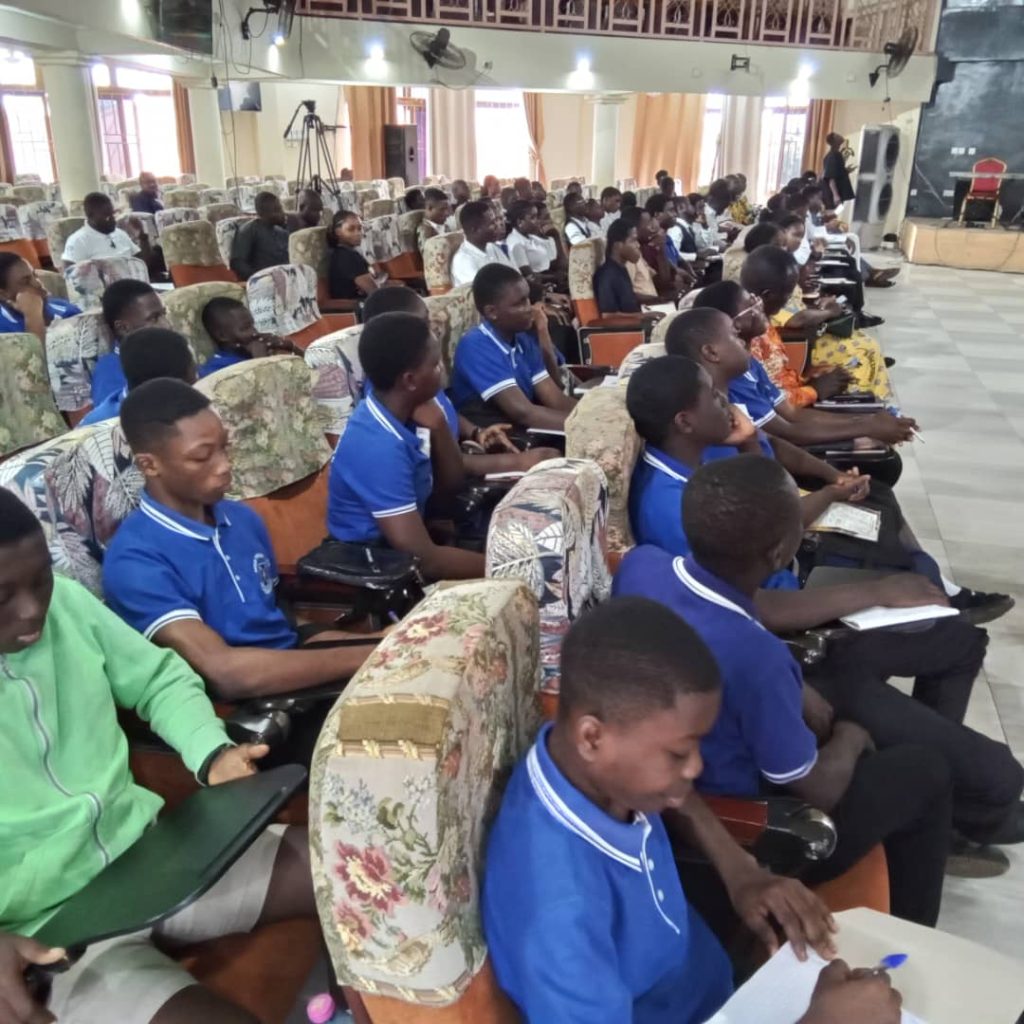
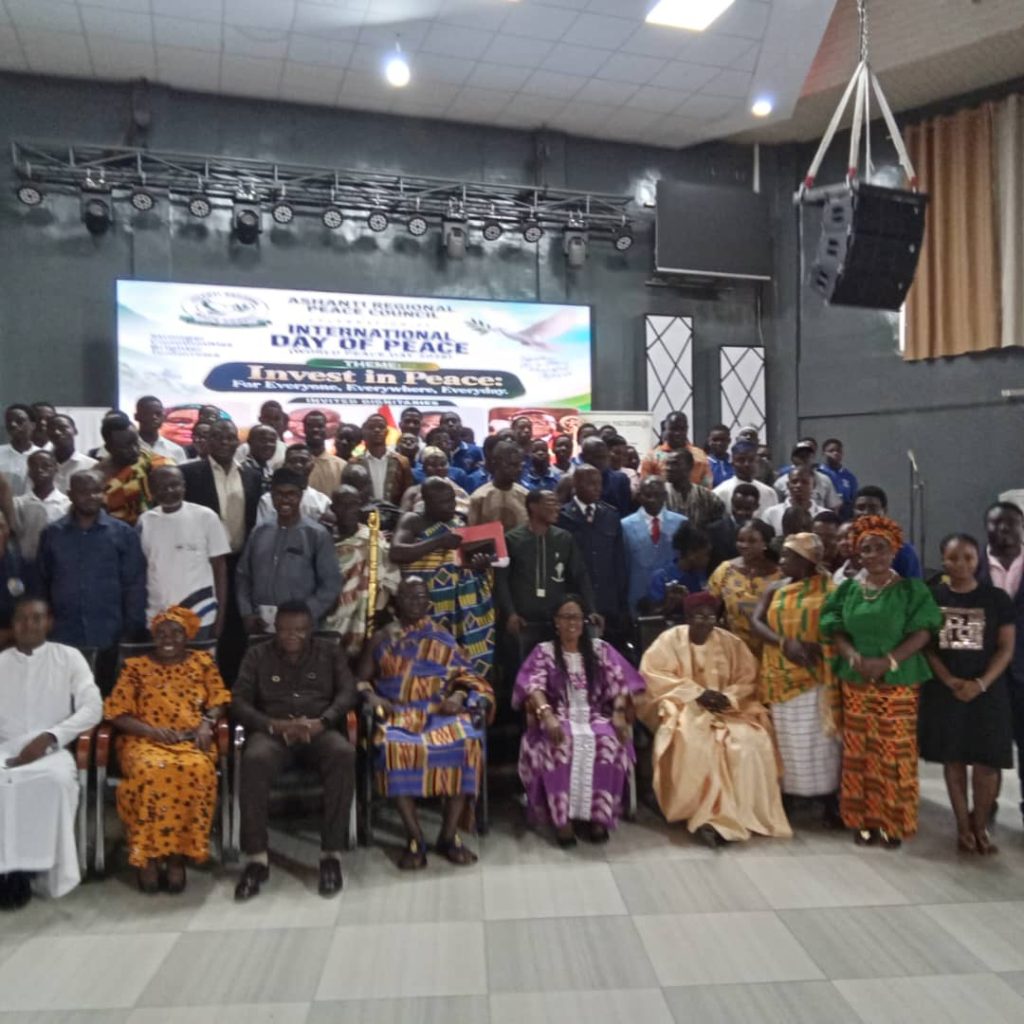
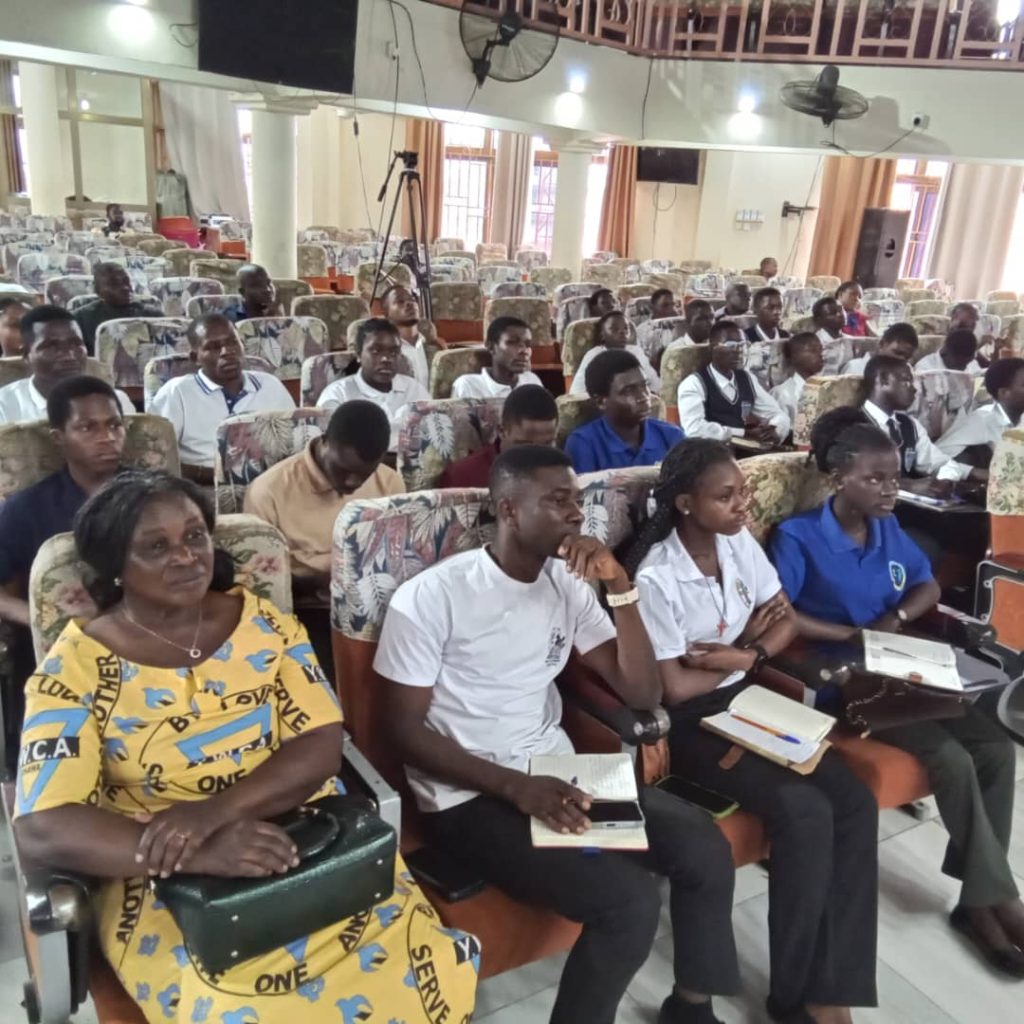
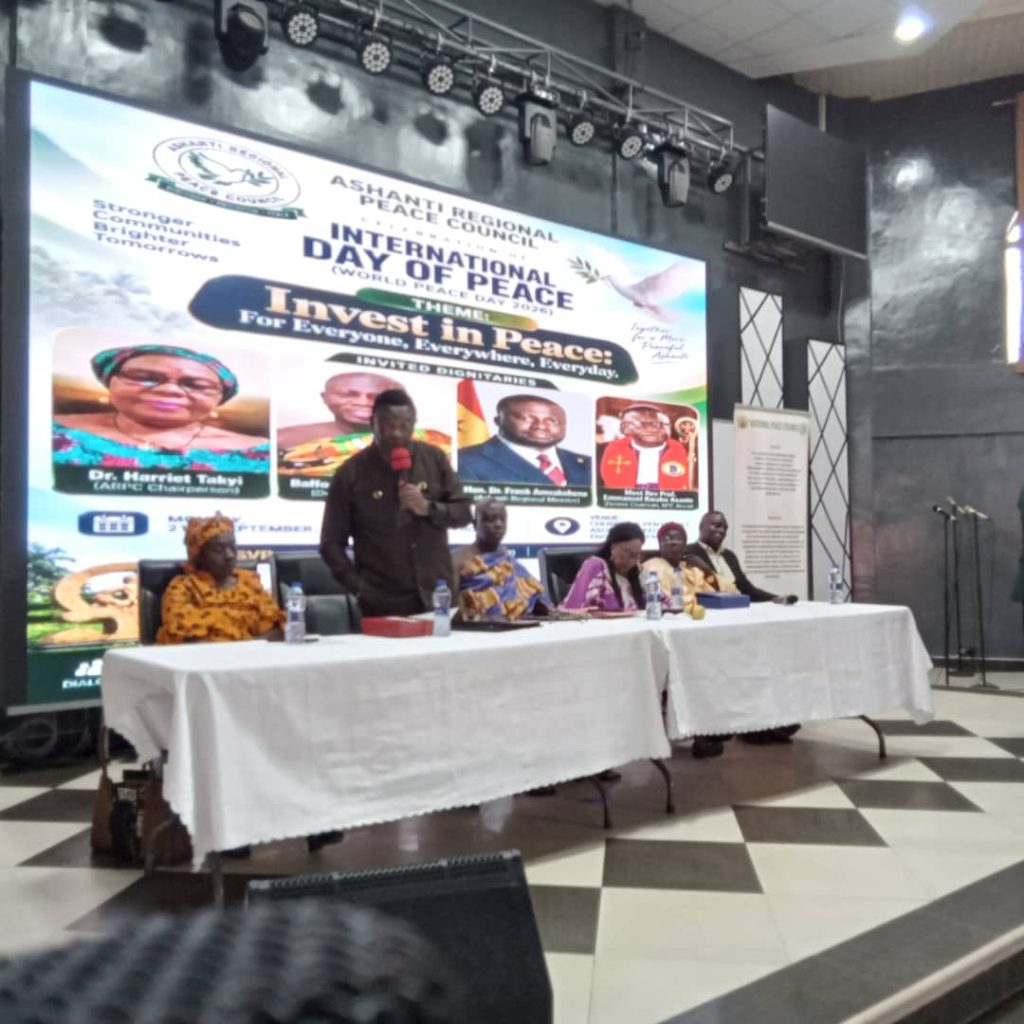
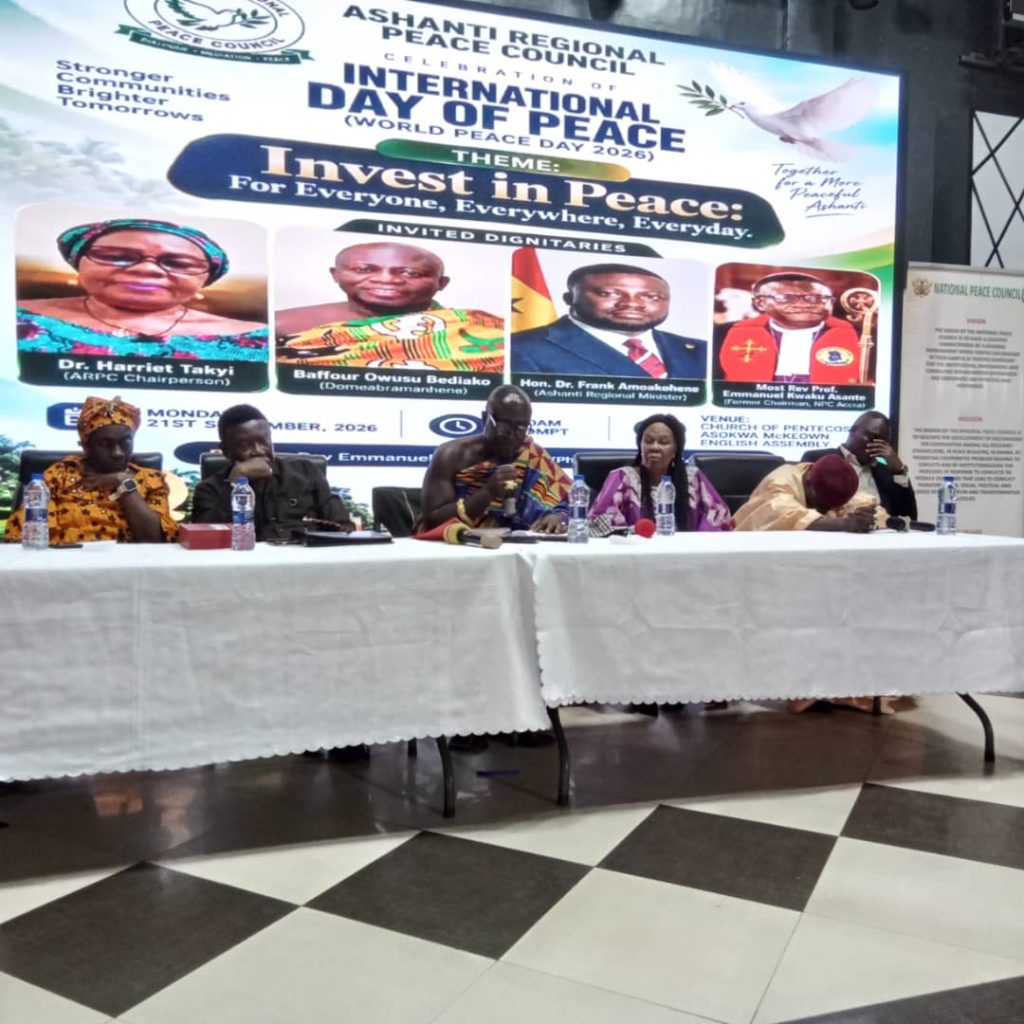
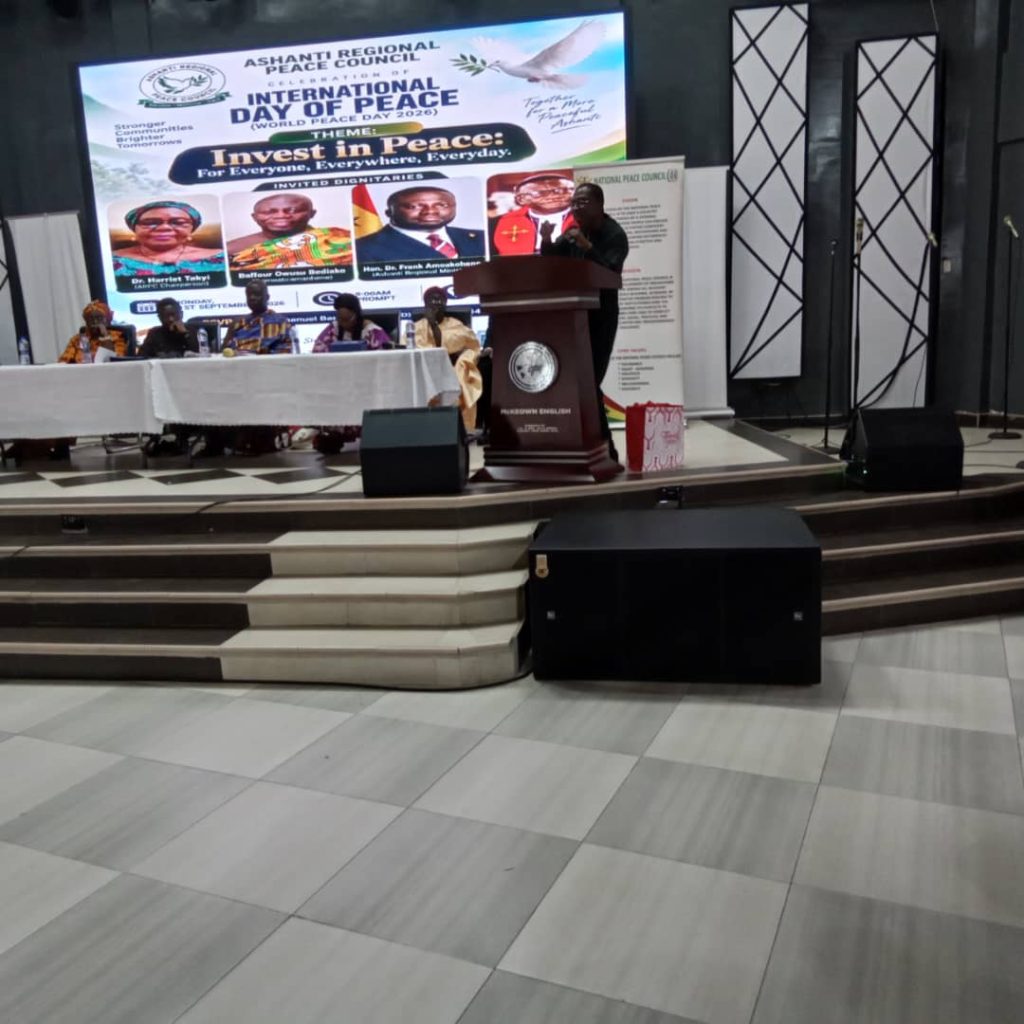
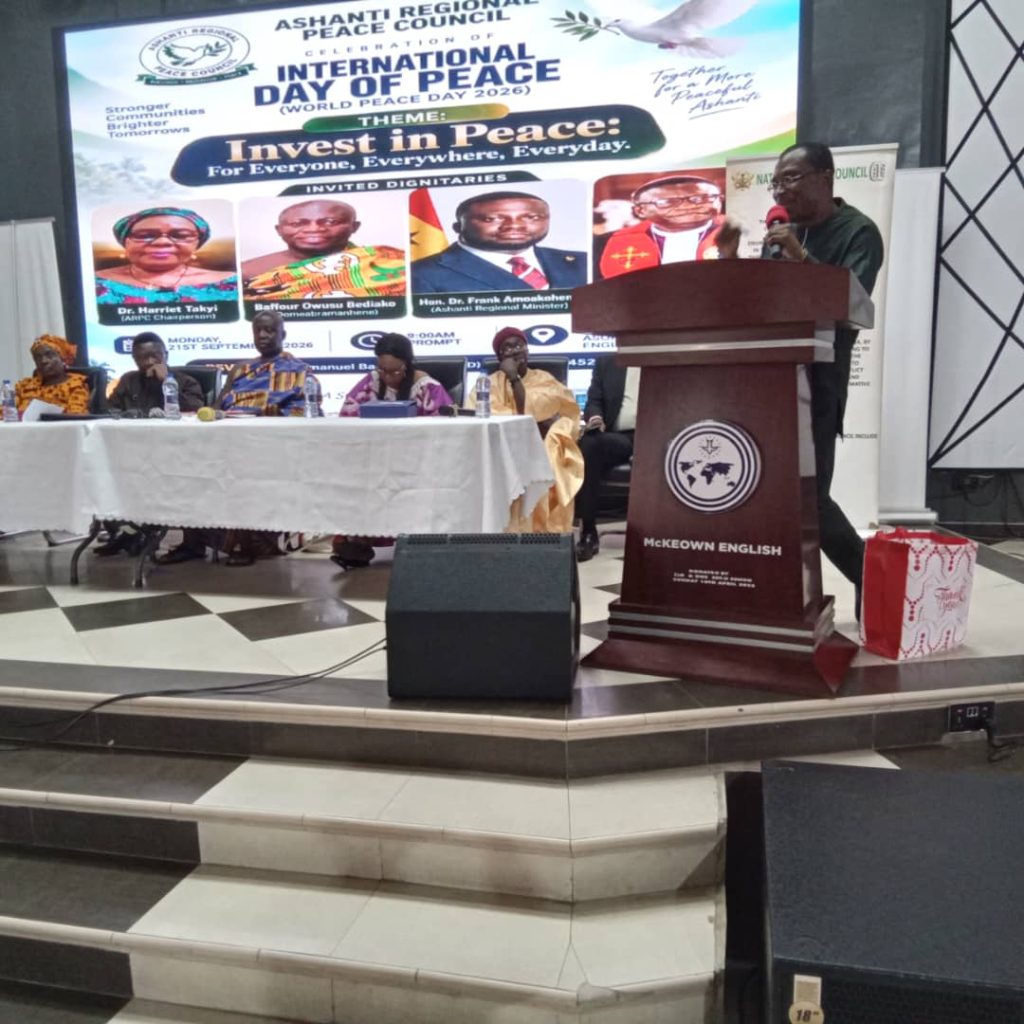
The Ashanti Regional Peace Council (ARPC) has convened a Consultative Peace Education Programme to mark World Peace Day 2026, bringing together religious leaders, traditional authorities, state institutions, civil society representatives and young people to reflect on the importance of sustained investment in peace.
The programme was held on Monday, 21 September 2026 at the Church of Pentecost, Asokwa McKeown English Assembly, under the theme:
“Invest in Peace: For Everyone, Everywhere, Everyday.”
The engagement, organised in collaboration with the Ghana Pentecostal and Charismatic Churches (GPCC) and the Church of Pentecost, sought to deepen dialogue among religious stakeholders, promote respect for religious diversity and strengthen the capacity of religious institutions to contribute to conflict prevention and peacebuilding.
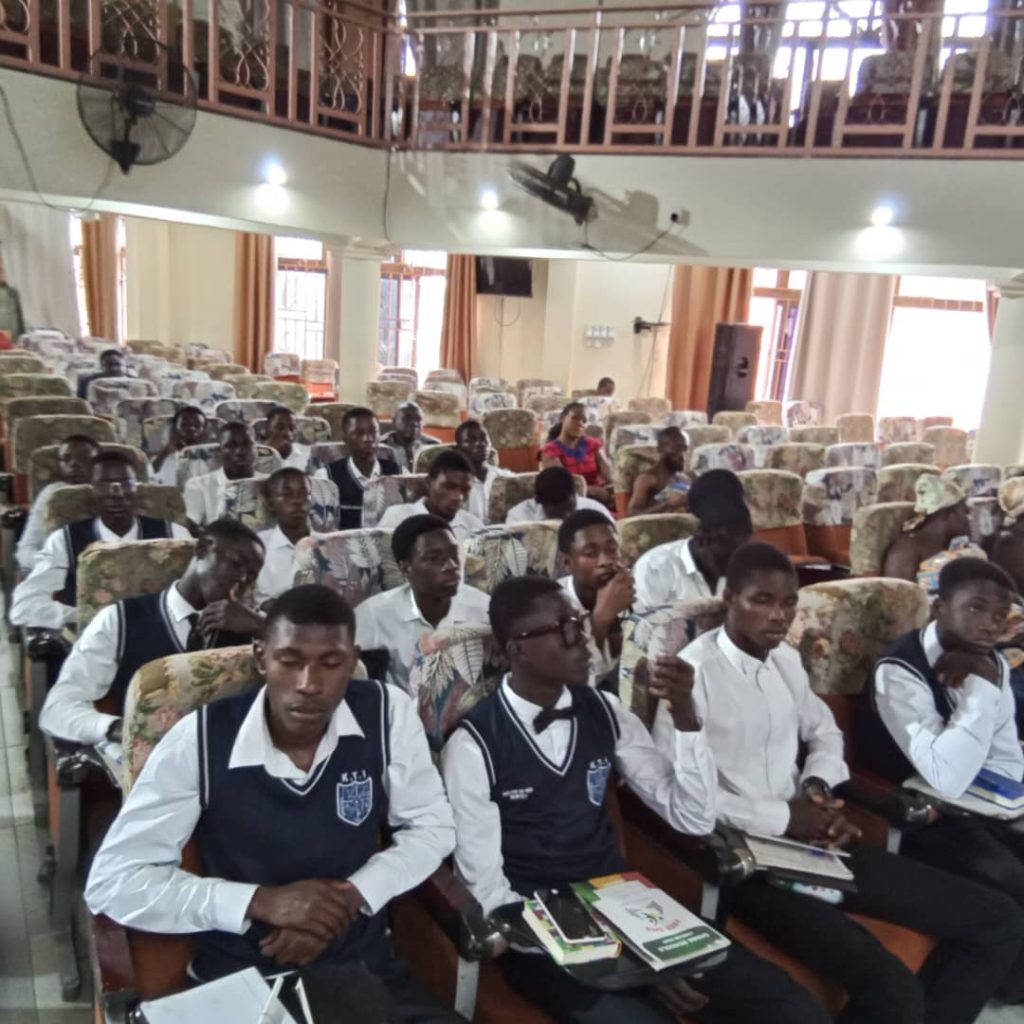
A total of 120 participants attended the programme, representing Christian and Muslim communities, traditional authorities, educational institutions and other key stakeholders.
Investing in Peace Beyond Occasional Events
In her address, Dr. Harriet Takyi, Chairperson of the Ashanti Regional Peace Council, emphasised that peace is not a condition that can simply be achieved and taken for granted.
She stressed that genuine peace requires continuous investment, institutional commitment and inclusive participation, particularly ensuring that women, youth, minority groups and traditional authorities have meaningful opportunities to contribute to peacebuilding.
She further called for stronger connections between national conflict-resolution mechanisms and local community realities, noting that sustainable peace requires consistent, everyday action rather than responses that occur only during periods of crisis or major national events.
Strengthening Social Cohesion
Baffour Owusu Bediako, Domeabramanhene, highlighted concerns about the increasing normalisation of abusive and vulgar language in public discourse and its implications for Ghanaian values and social cohesion.
He called for communities to look beyond chieftaincy divisions, political affiliations and family interests and work towards rebuilding solidarity, integrity and trust.
He also emphasised the importance of inclusion, noting that women, young people, minority groups and persons with disabilities must have a voice in governance and community decision-making.
He advocated for stronger relationships between traditional councils, local authorities and communities, encouraging dialogue and mediation rather than rivalry when addressing disputes.
Protecting Ghana’s Democratic Peace
Most Rev. Prof. Emmanuel Kwaku Asante, Former Chairman of the National Peace Council, reflected on Ghana’s experience with constitutional democracy, including regular elections and peaceful transfers of political power.
He cautioned, however, that the country’s democratic peace should not be taken for granted. He identified concerns including declining public trust in institutions, political polarisation, monetisation of politics, vigilantism and the gap between constitutional rights and civic responsibilities.
He emphasised that sustainable peace is a shared civic, moral and institutional responsibility, requiring citizens, religious institutions and the state to contribute actively.
He encouraged responsible citizenship characterised by informed participation, respect for opposing views, responsible communication, rejection of political violence and commitment to accountability and the common good.
He also highlighted the importance of credible and accountable public institutions and called for greater responsibility in the use of social media, particularly in relation to insults, inflammatory language and abusive remarks.
He proposed the need for a national stakeholders’ dialogue to deliberate on the growing culture of insults and intemperate language, particularly on social media platforms.
Faith Communities as Partners for Peace
Rev. Dr. Joseph Abekah of the Christian Council of Ghana reminded participants that Ghana’s reputation for managing differences through dialogue and peaceful coexistence must be actively protected.
He highlighted challenges including political differences, economic pressures, misinformation, social tensions, religious misunderstandings and ethnic sentiments, and challenged stakeholders to consider the kind of society being built for future generations.
He called on religious institutions to go beyond preaching peace and to practise peace in homes, workplaces, churches, communities and public institutions.
He emphasised that peaceful conflict management requires correction without humiliation, reconciliation rather than revenge, and unity rather than division.
“Peace is not weakness. Peace is strength and control.”
Strengthening Interfaith Cooperation
The programme provided a platform for representatives from different religious traditions to engage in dialogue and reflect on their shared responsibility for peacebuilding.
Participating institutions included the Ashanti Regional Peace Council, Ghana Pentecostal and Charismatic Churches, Ahmadiyya Muslim representatives, Tijaaniya Muslim representatives, Ahlussunna Muslim representatives, the Office of the Regional Chief Imam, Kumasi Ministers Fellowship, Christian Council of Ghana, Domeabra Traditional Council, Kumasi Technical Institute, Adum Presby JHS and KNUST PAX Romana.
The engagement reinforced the importance of religious institutions using their platforms — including sermons, religious education, counselling, youth programmes and community engagement — to promote tolerance, counter misinformation and hate speech, and encourage peaceful responses to disagreements.
EVERYONE. EVERYWHERE. EVERYDAY.
The World Peace Day engagement reaffirmed that peacebuilding is not the responsibility of one institution or sector.
It requires religious communities, traditional authorities, state institutions, young people and citizens to work together to prevent conflict, strengthen social cohesion and create communities where differences can be managed through dialogue and mutual respect.