Youth At The Centre Of Peacebuilding: Greater Accra Regional Peace Council Engages Young People Ahead Of Homowo
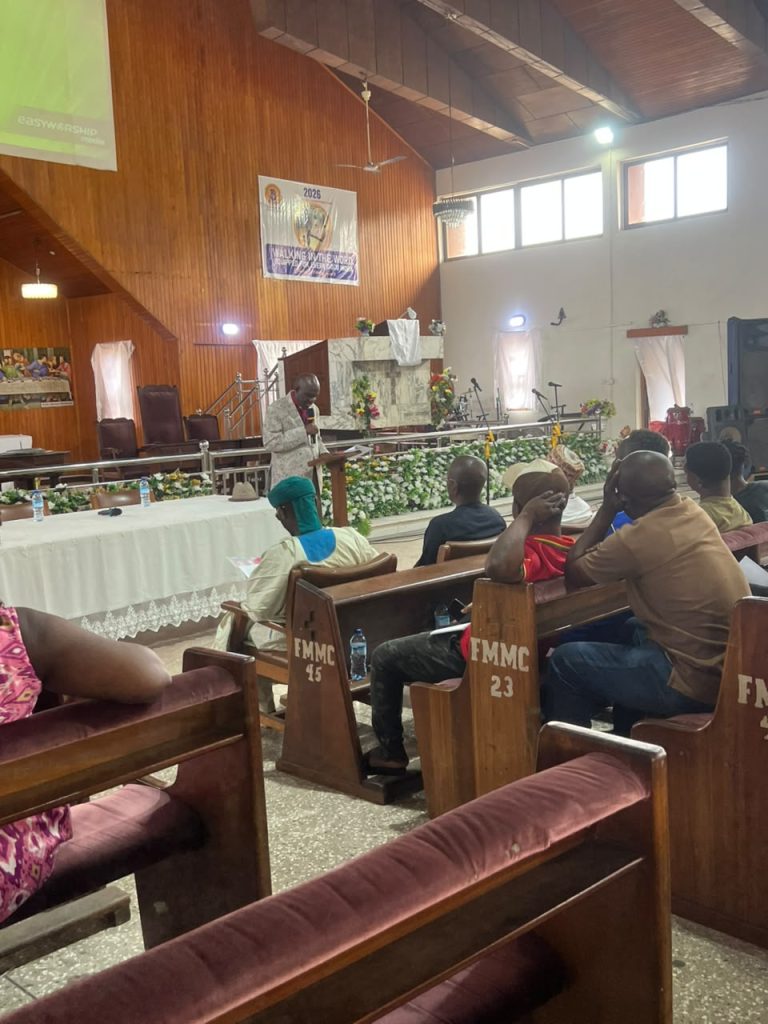
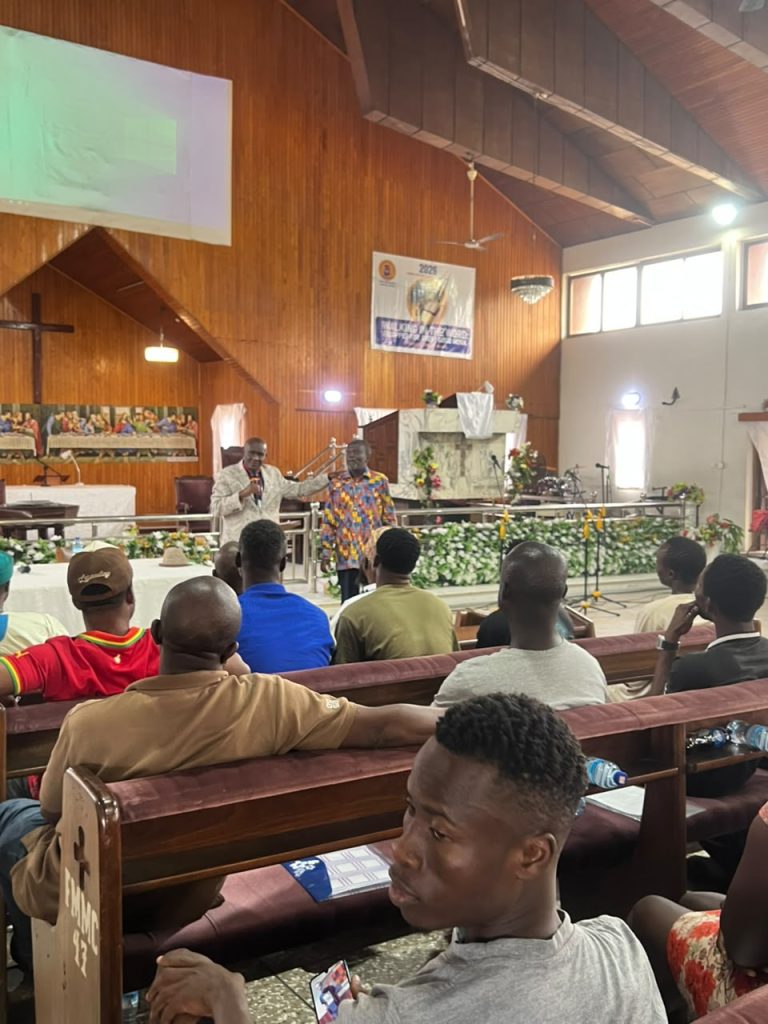
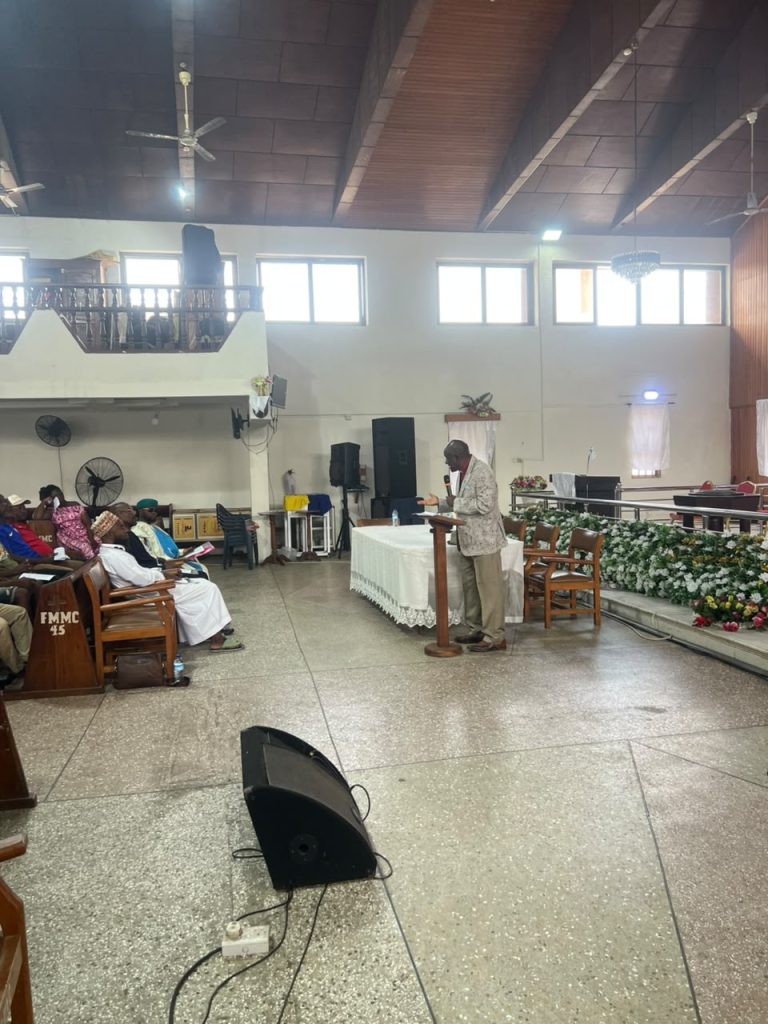
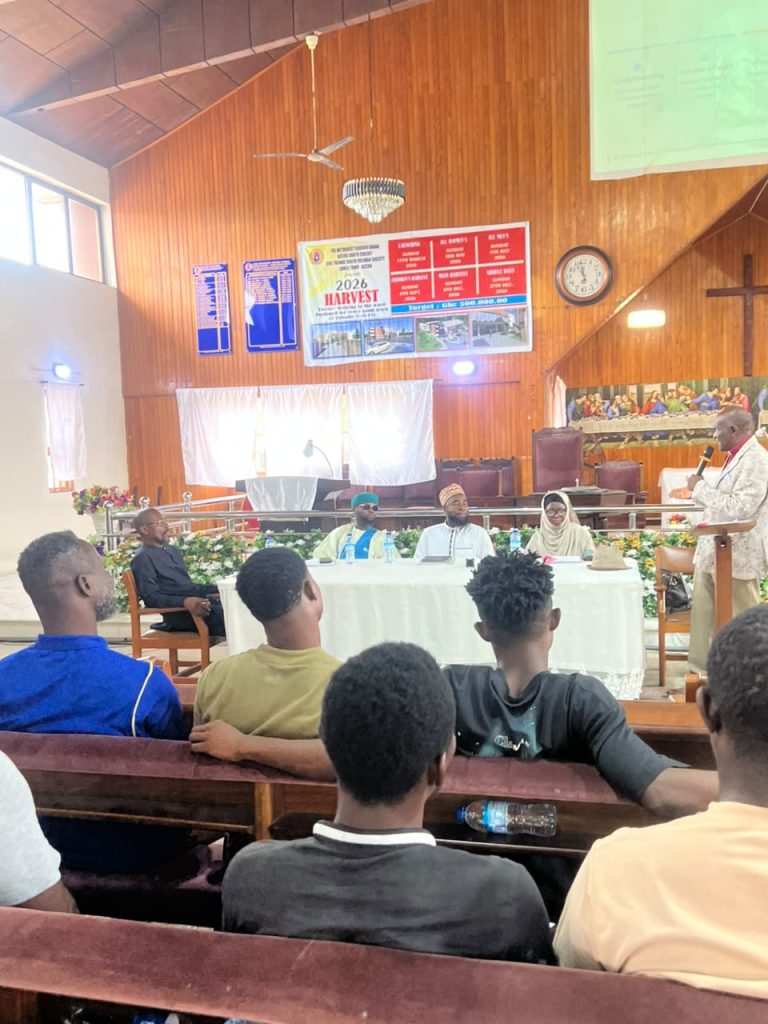
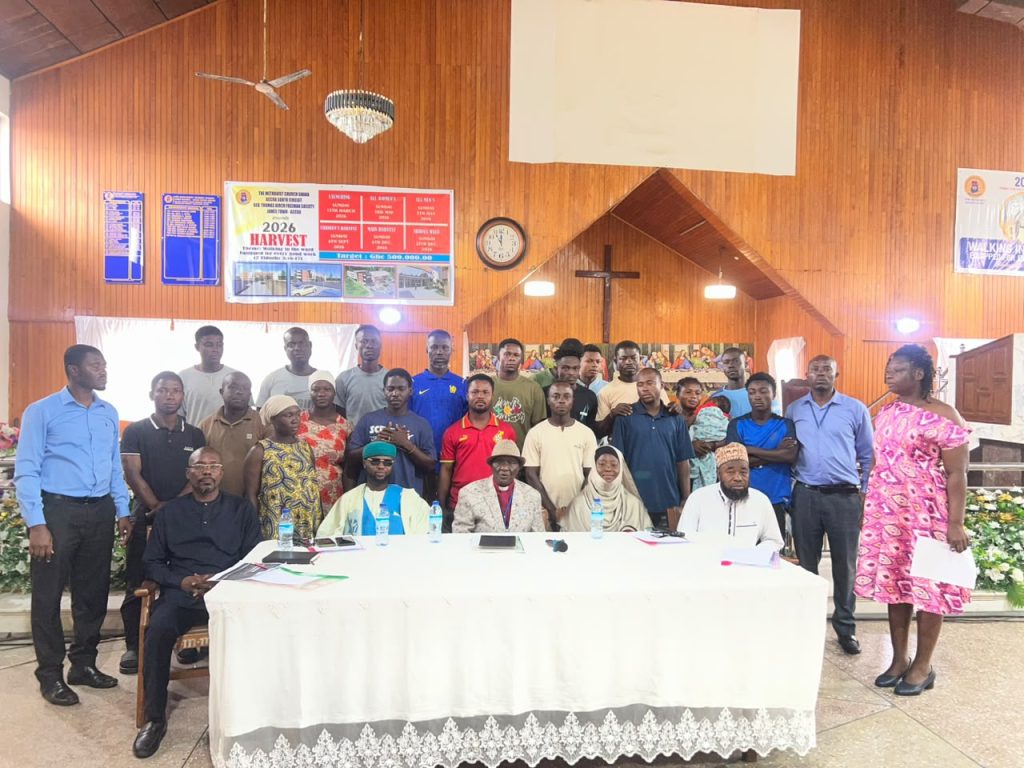
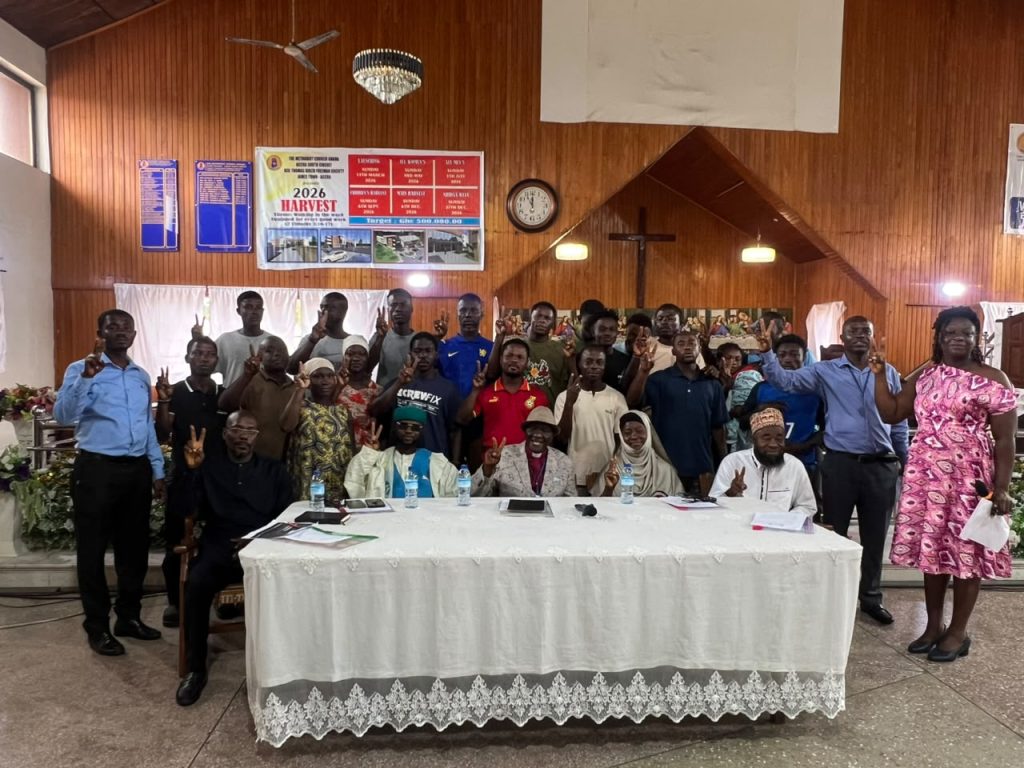
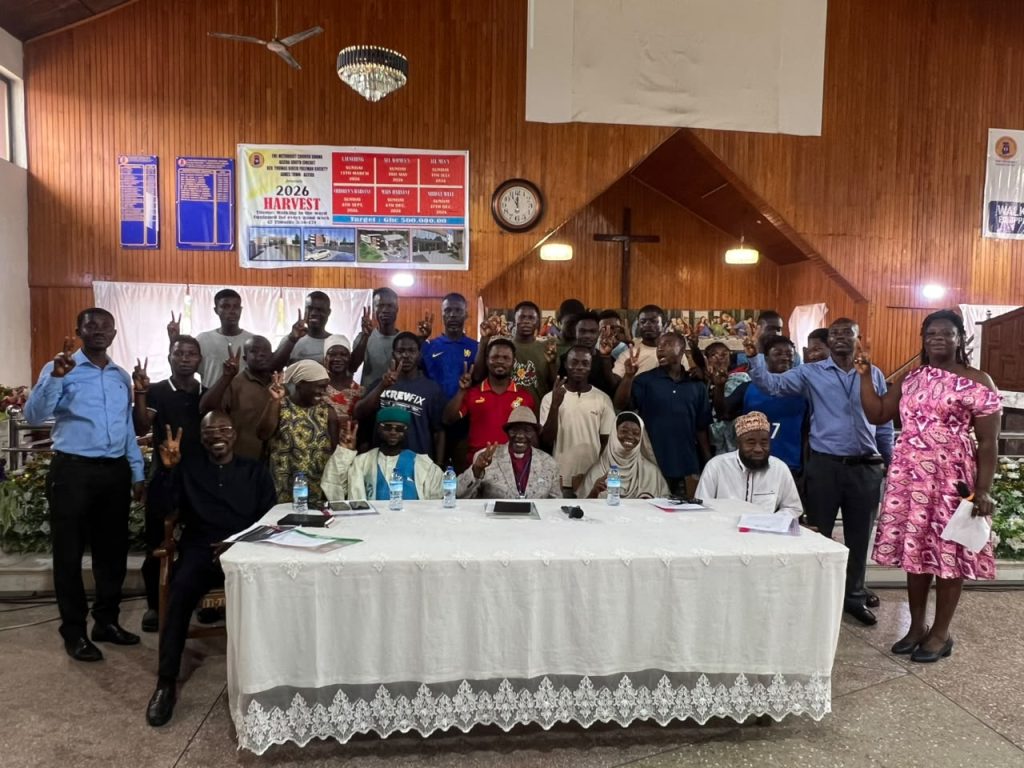
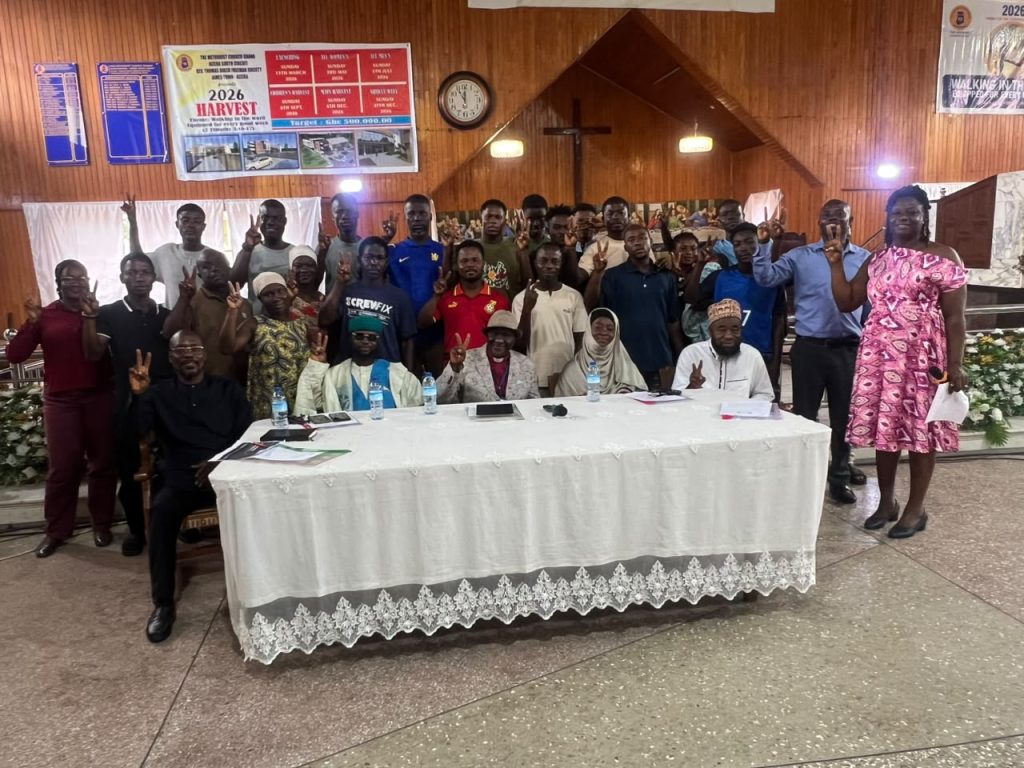
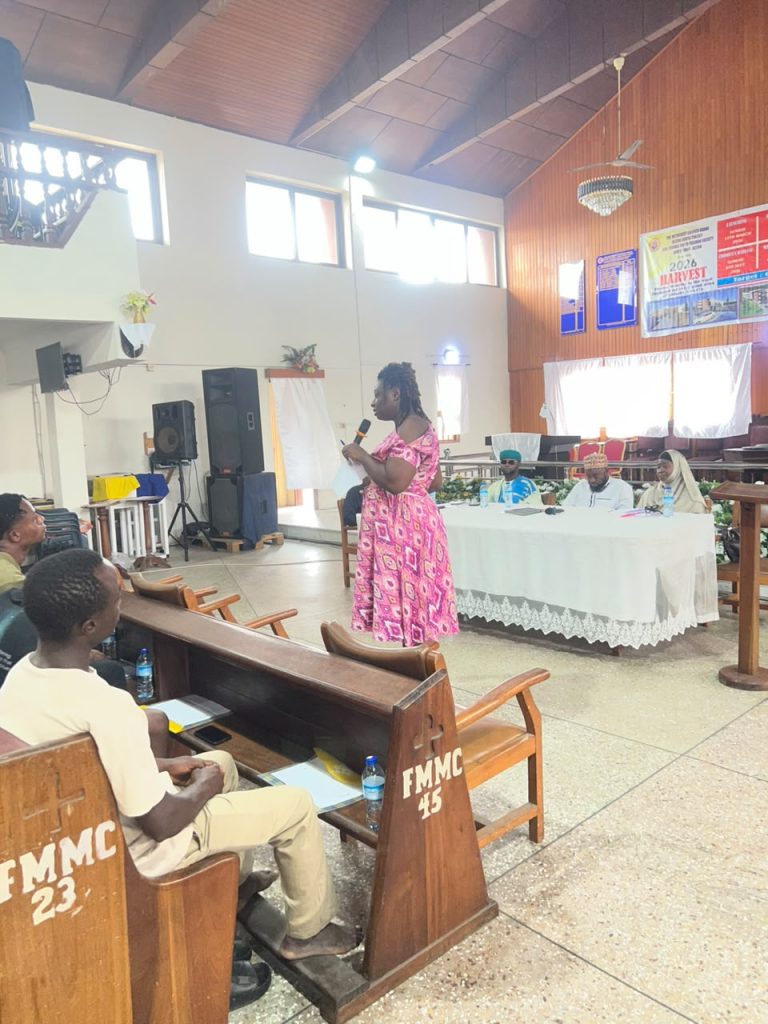
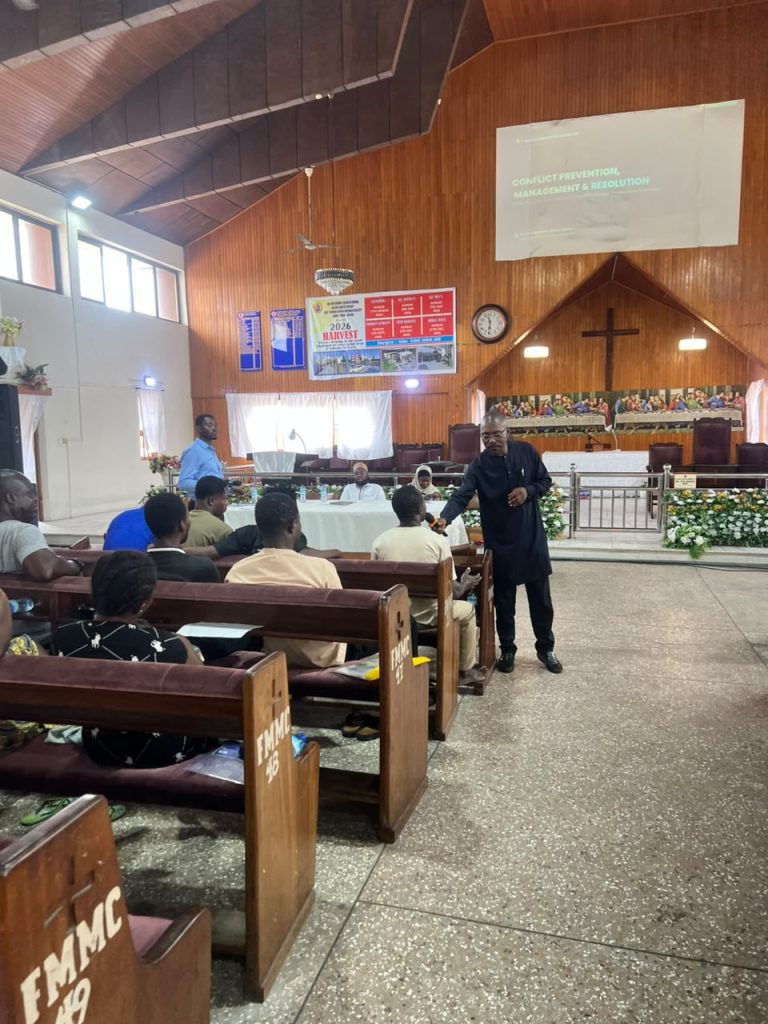
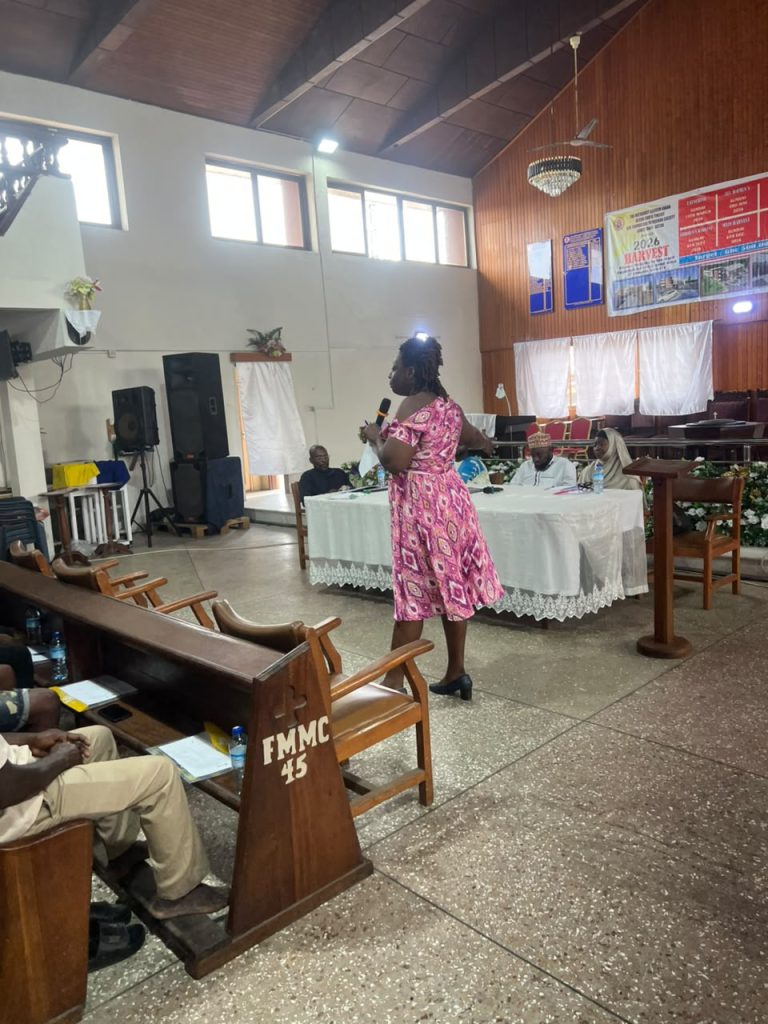
The Greater Accra Regional Peace Council (GARPC) has engaged young people on the Role of Youth in Peacebuilding and Conflict Resolution, with a focus on strengthening their capacity to identify emerging conflict risks and contribute to peaceful communities.
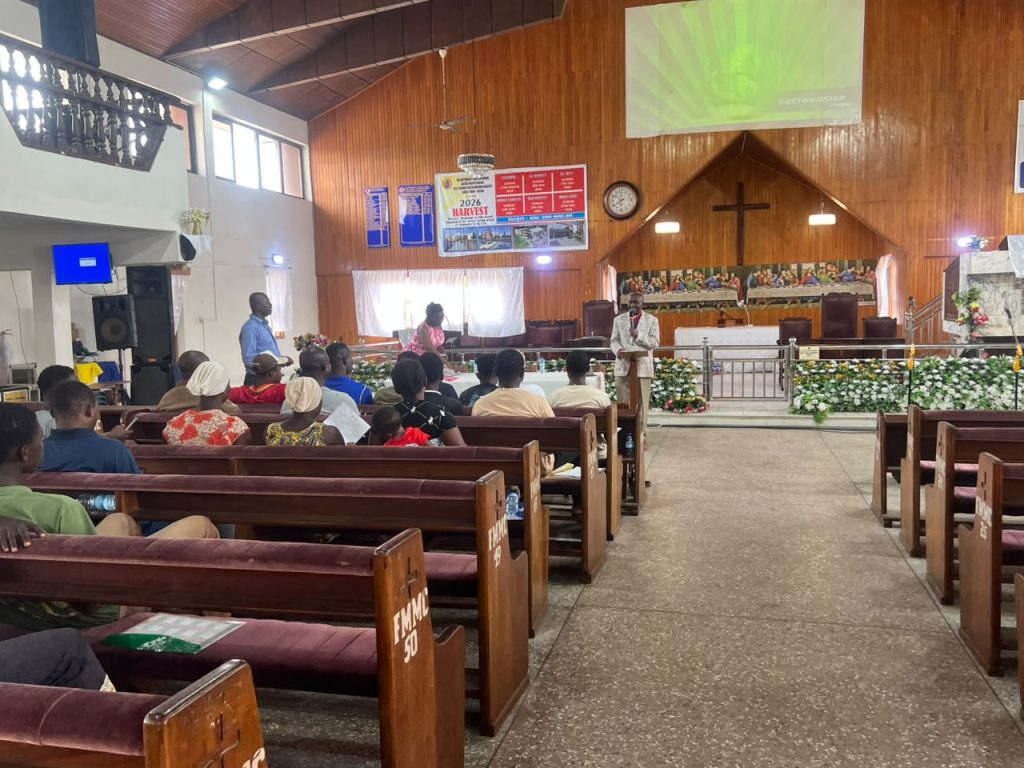
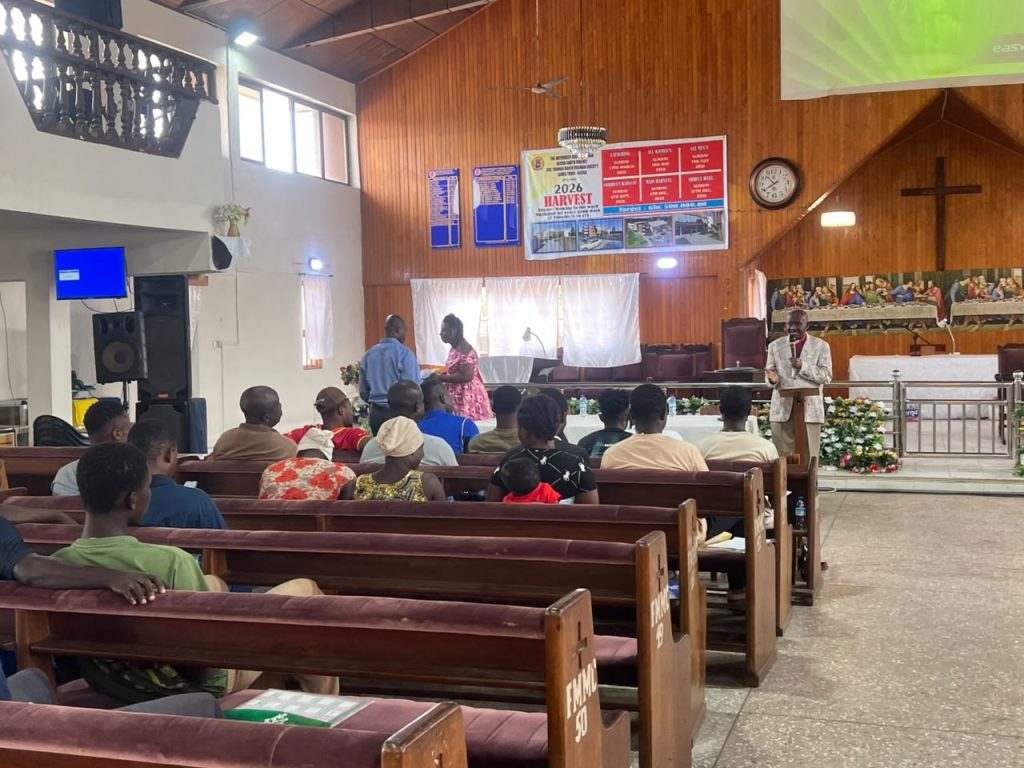
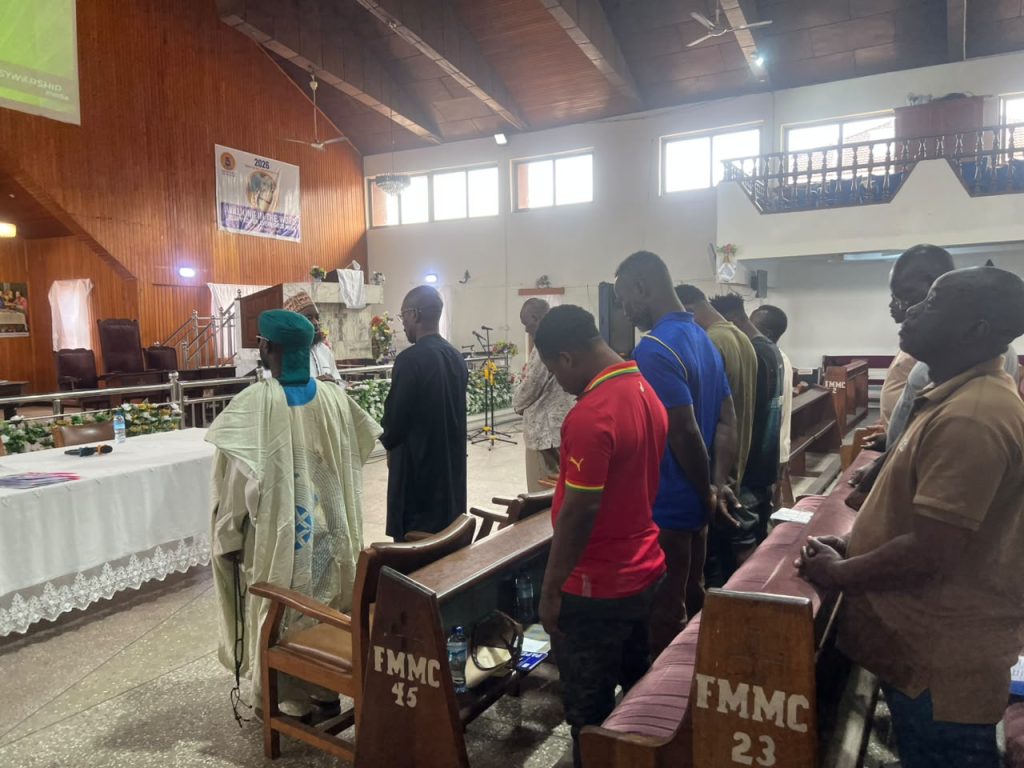
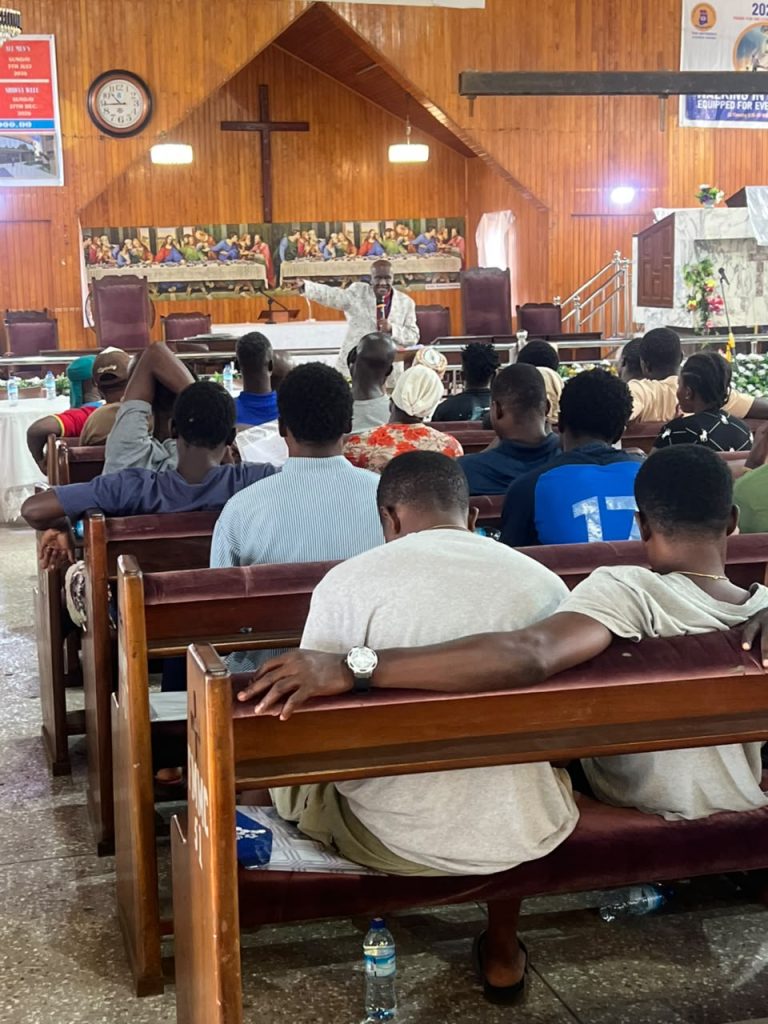
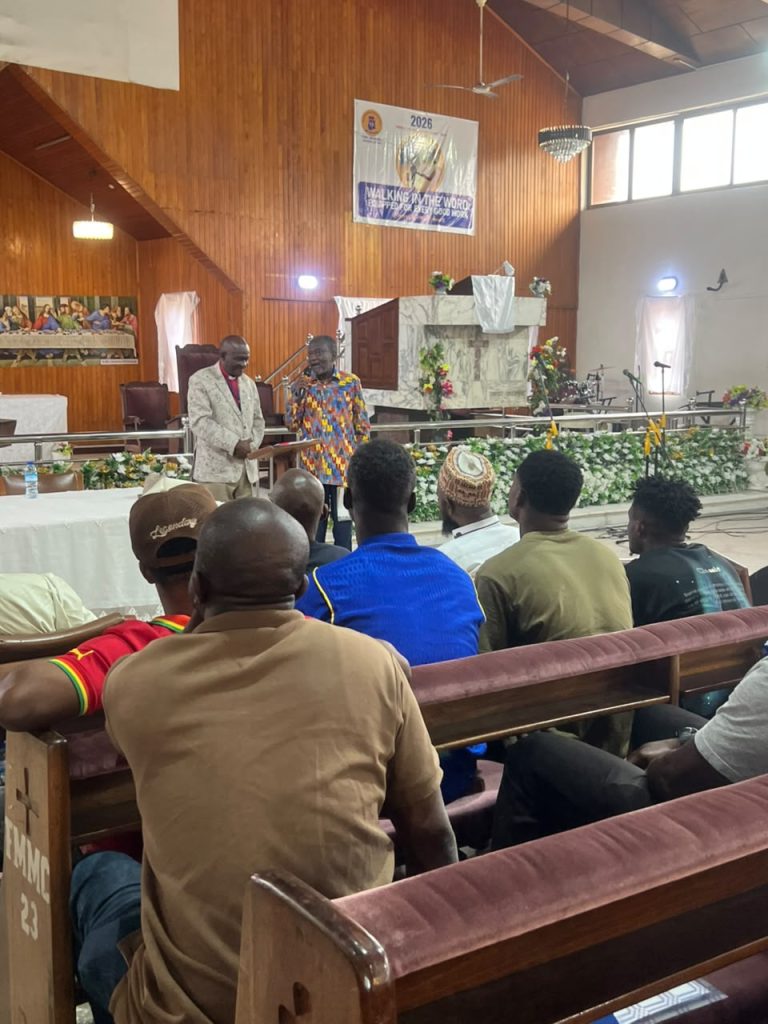
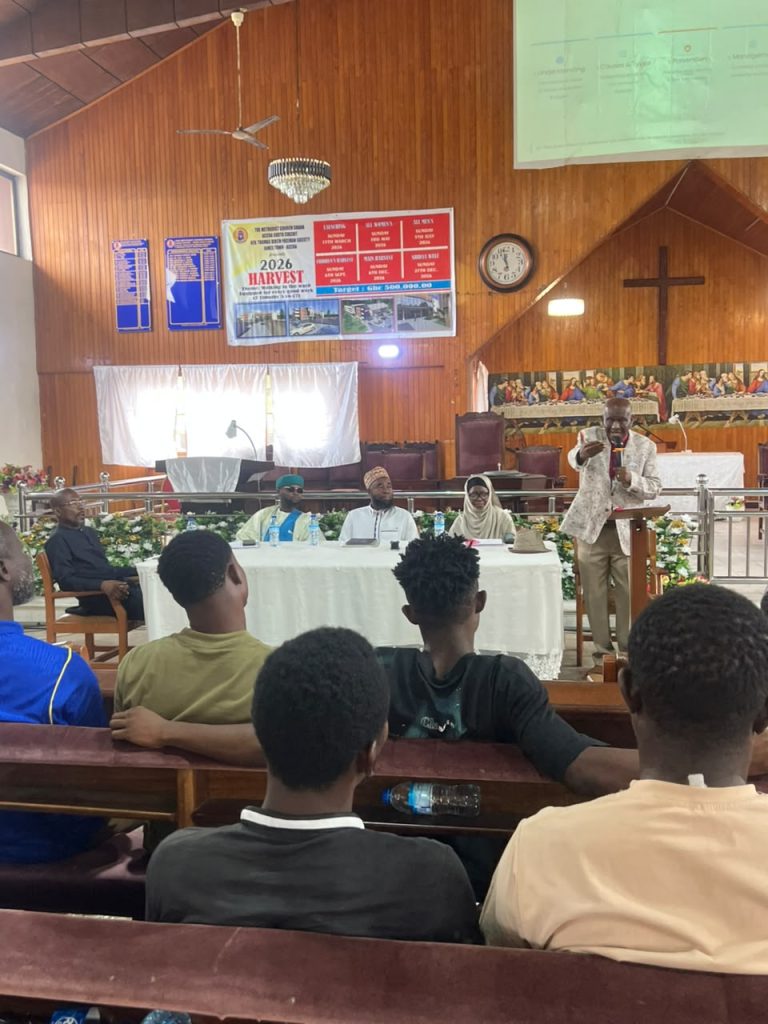
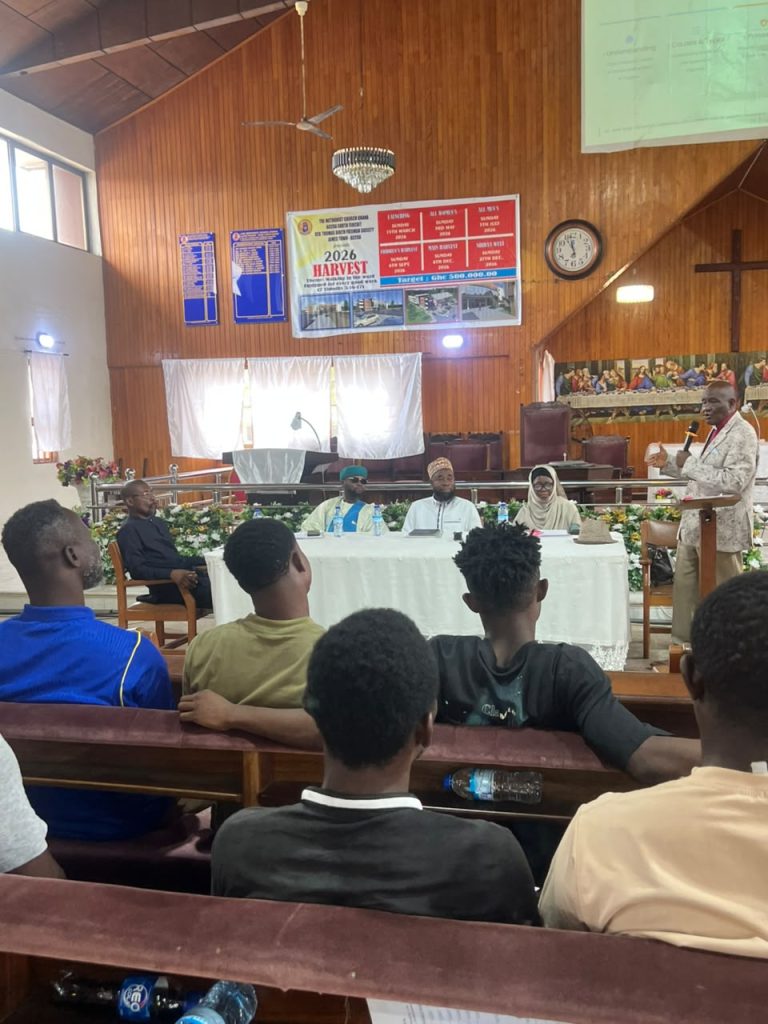
The engagement was held on 10 September 2026 at the Methodist Church, Jamestown, Accra, as part of efforts to strengthen community-level peacebuilding and support the peaceful observance of the Homowo Festival.
Empowering Youth for Peace
The engagement equipped participants with knowledge and practical skills to better understand conflict dynamics, conflict escalation, early warning signs and appropriate early response mechanisms.
Participants were encouraged to be vigilant and report emerging signs of tension, including rumours, discrimination, threats, inflammatory statements and growing divisions within their communities.
In his welcome address, Rev. Samuel Kofi Osabutey, Chairman of the Greater Accra Regional Peace Council, emphasised the crucial role of young people in maintaining Ghana’s peace and supporting national development.
He encouraged the youth to use their energy, creativity, voices and influence to promote dialogue and peaceful coexistence in their communities, political spaces and online platforms.
He further urged participants to listen before responding, communicate respectfully, avoid insults, respect differing opinions and focus on finding solutions rather than winning arguments.
Promoting Responsible Digital Engagement
With social media increasingly influencing how information spreads, the engagement also highlighted the responsibility of young people to help counter misinformation, disinformation, hate speech and inflammatory messages that can contribute to tensions and conflict.
The youth were encouraged to use digital platforms responsibly and become positive voices for peace both online and within their communities.
From Confrontation to Collaboration
George Oko Mensah, Acting Regional Executive Secretary, used the animated short film Dinner for Two to facilitate discussions on conflict, competition over scarce resources and the consequences of destructive behaviour.
The discussion highlighted how conflict can damage relationships and affect people beyond the immediate parties involved. Participants were encouraged to embrace communication, empathy, dialogue and problem-solving as pathways towards restoring cooperation.
As captured in the familiar expression:
“It is better to jaw-jaw than war-war.
Youth Participation in National Peacebuilding
Isaac Prince Glorier, Programme Manager, highlighted the mandate of the National Peace Council under the National Peace Council Act, 2011 (Act 818) and noted the Council’s engagement with diverse sections of Ghanaian society.
He emphasised that the Council’s peacebuilding work extends beyond elections and includes engagement with traditional leaders, women, youth groups and community organisations. Such engagement, he noted, creates opportunities for young people to contribute to advocacy, decision-making and national peacebuilding.
Frederick Mawuli Agbenu, Regional Director of the National Commission for Civic Education (NCCE), further took participants through the nature of conflict, its stages of escalation, prevention strategies and the roles of different stakeholders.
He highlighted factors that can contribute to conflict, including competition over resources, political rivalry, poverty and economic difficulties, while identifying warning signs such as hate speech and community protests.
Participants were encouraged to support preventive measures including rapid dialogue, mediation, public education and early engagement with relevant stakeholders.
Youth-Led Peace Before, During and After Homowo
The engagement ultimately sought to strengthen a practical youth-led approach to supporting peace and stability before, during and after the Homowo Festival.
By strengthening youth capacity in early warning, responsible communication, dialogue and conflict resolution, the Greater Accra Regional Peace Council is supporting young people to become active partners in maintaining peace within their communities.