Ashanti Regional Peace Council Sensitises Over 2,000 Students On Vigilantism, Small Arms And Peaceful Coexistence
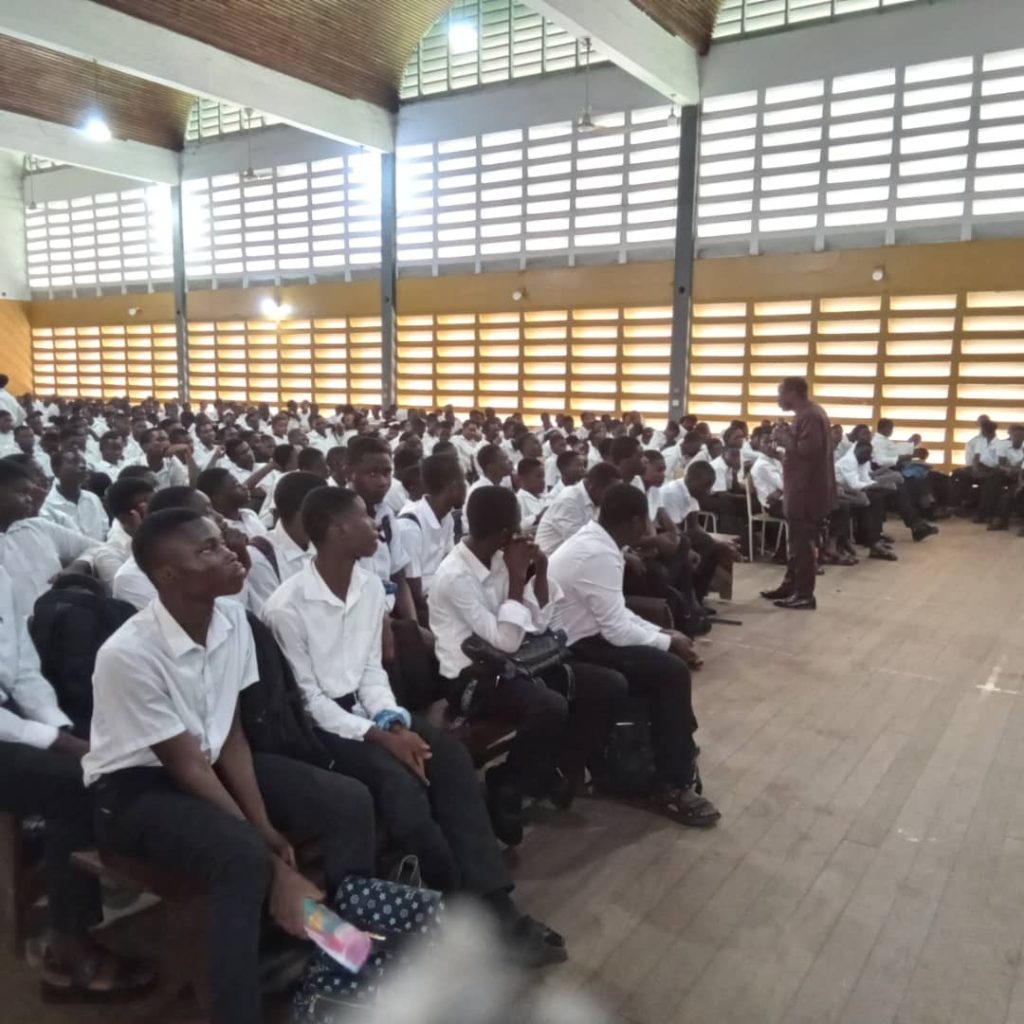
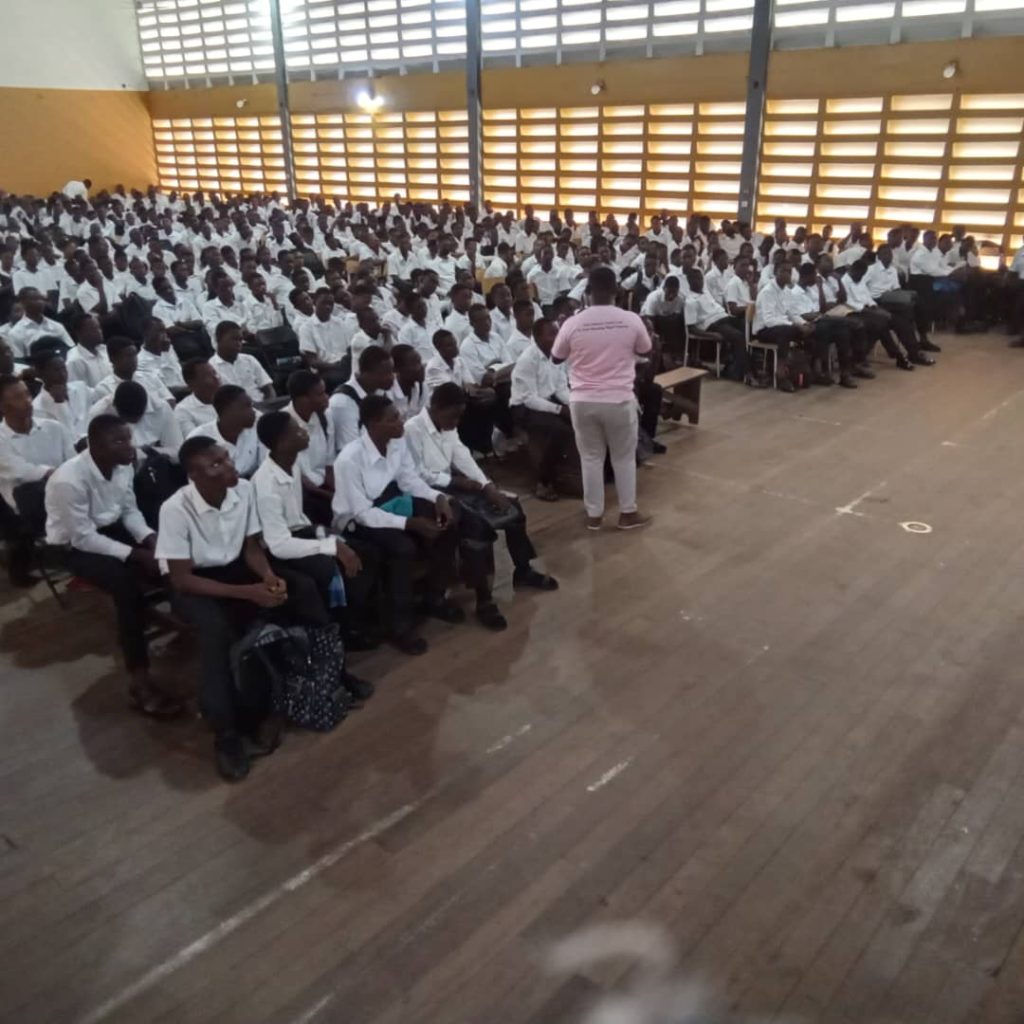
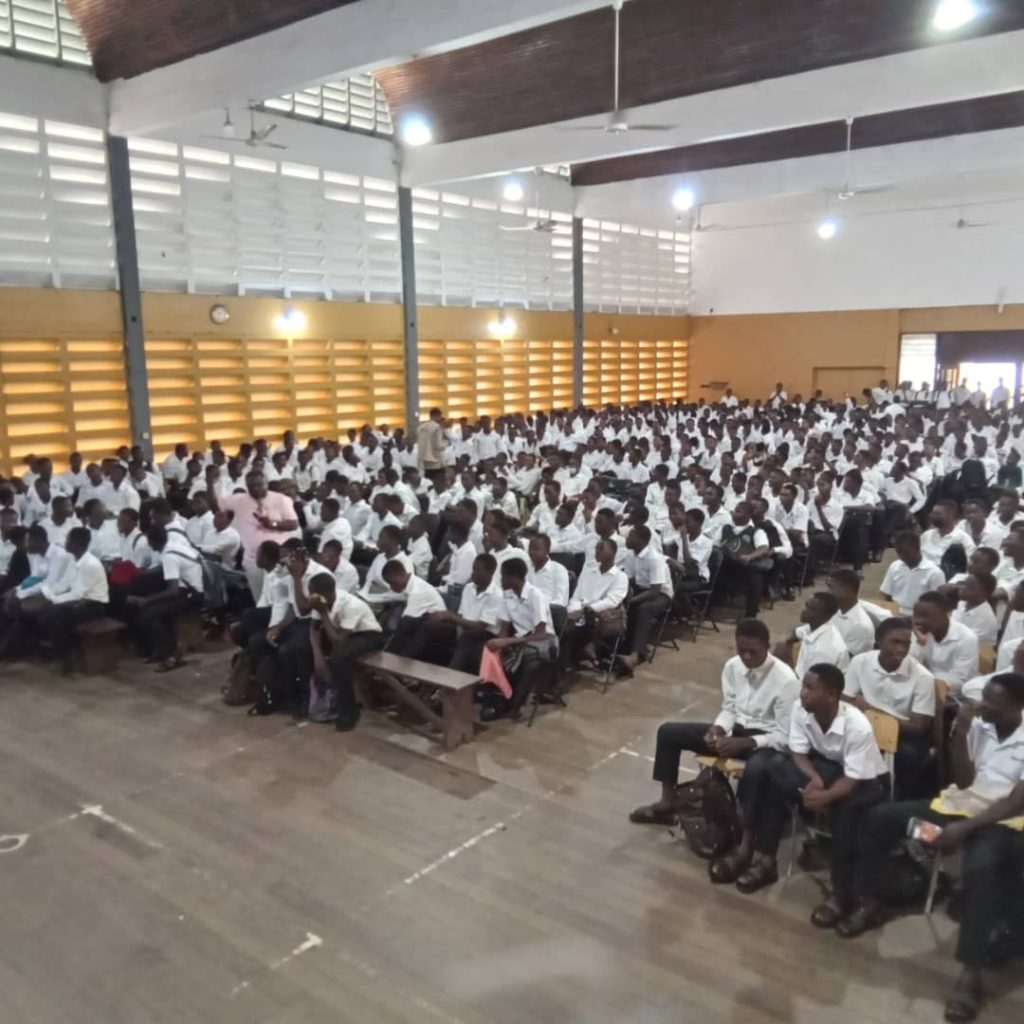
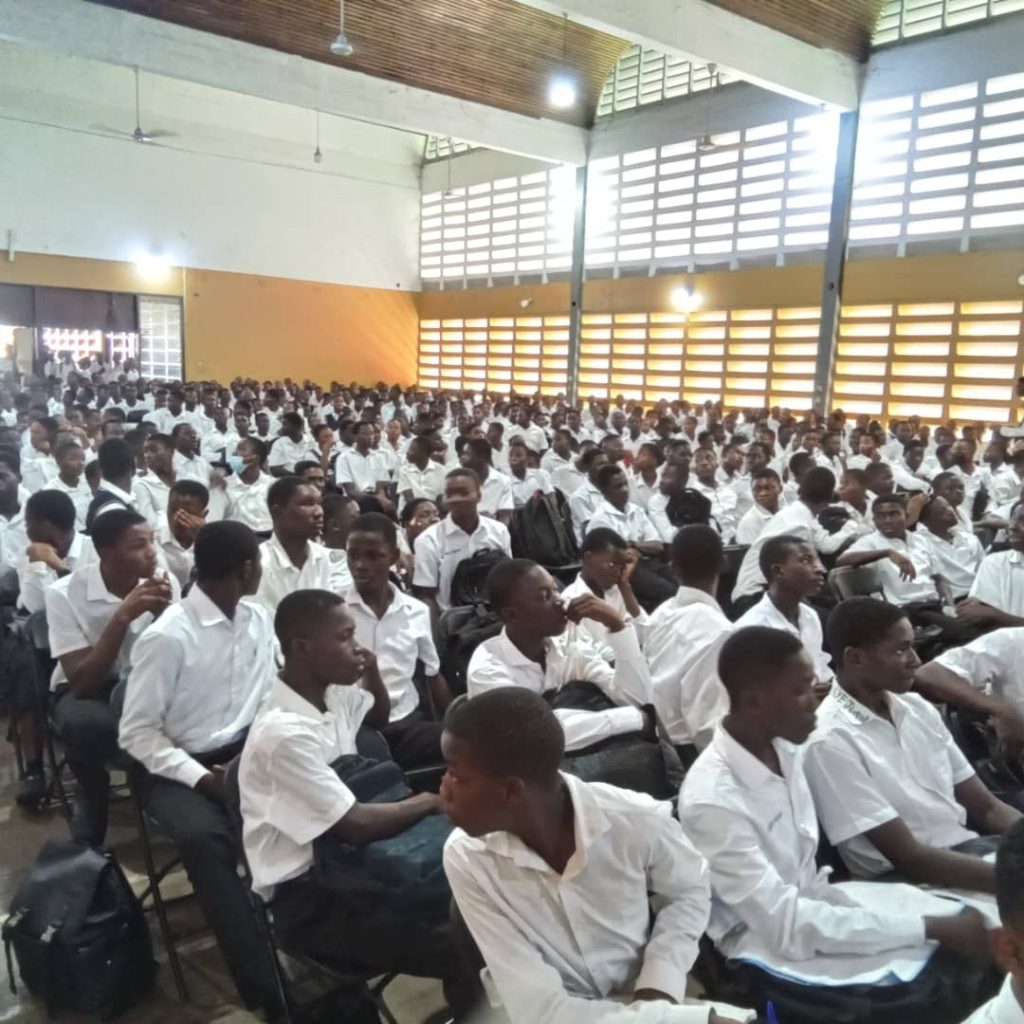
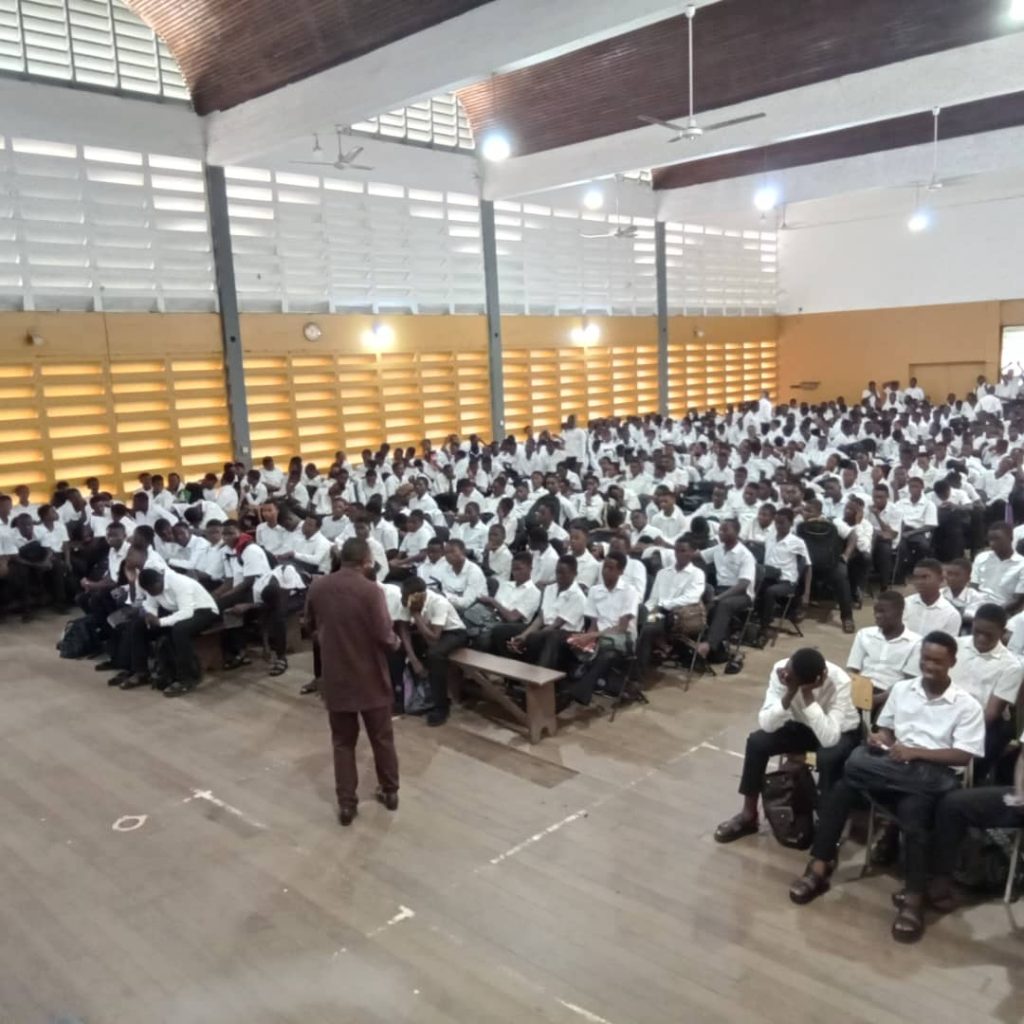
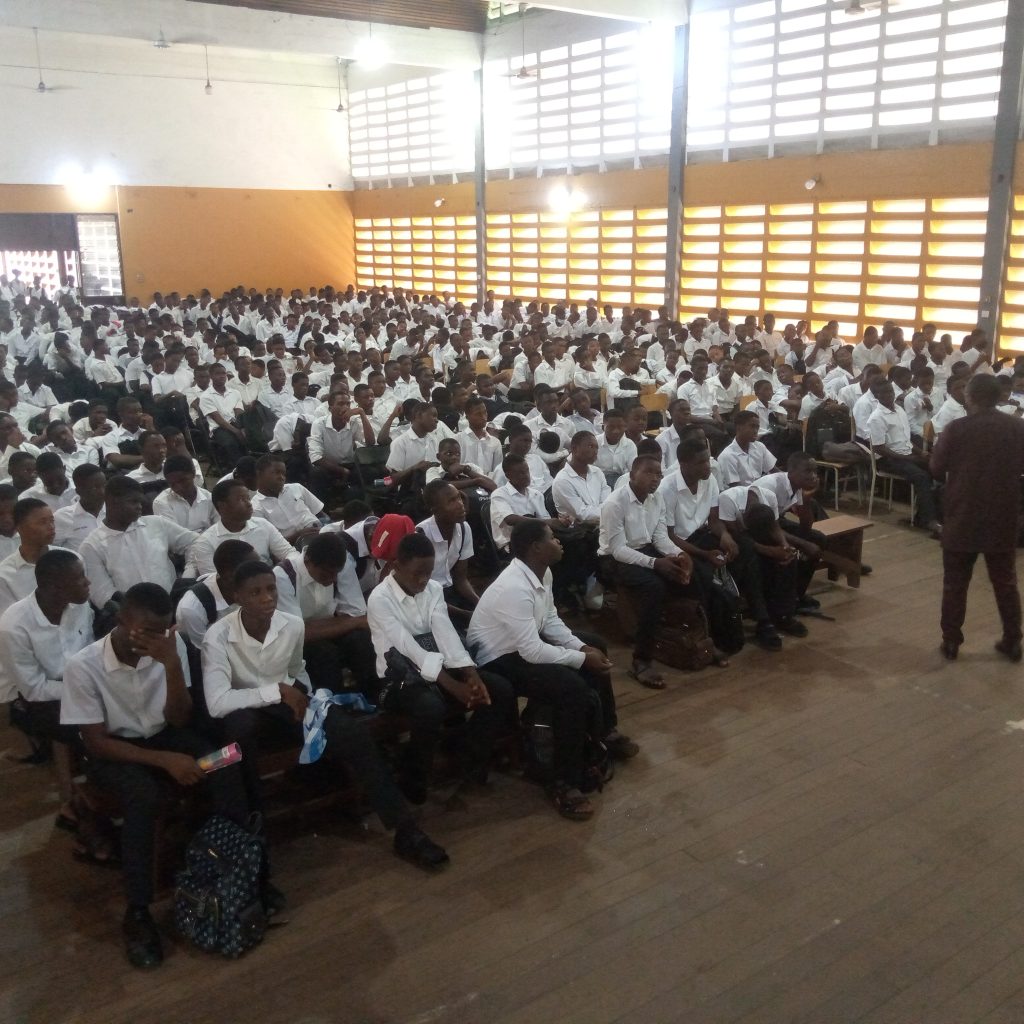
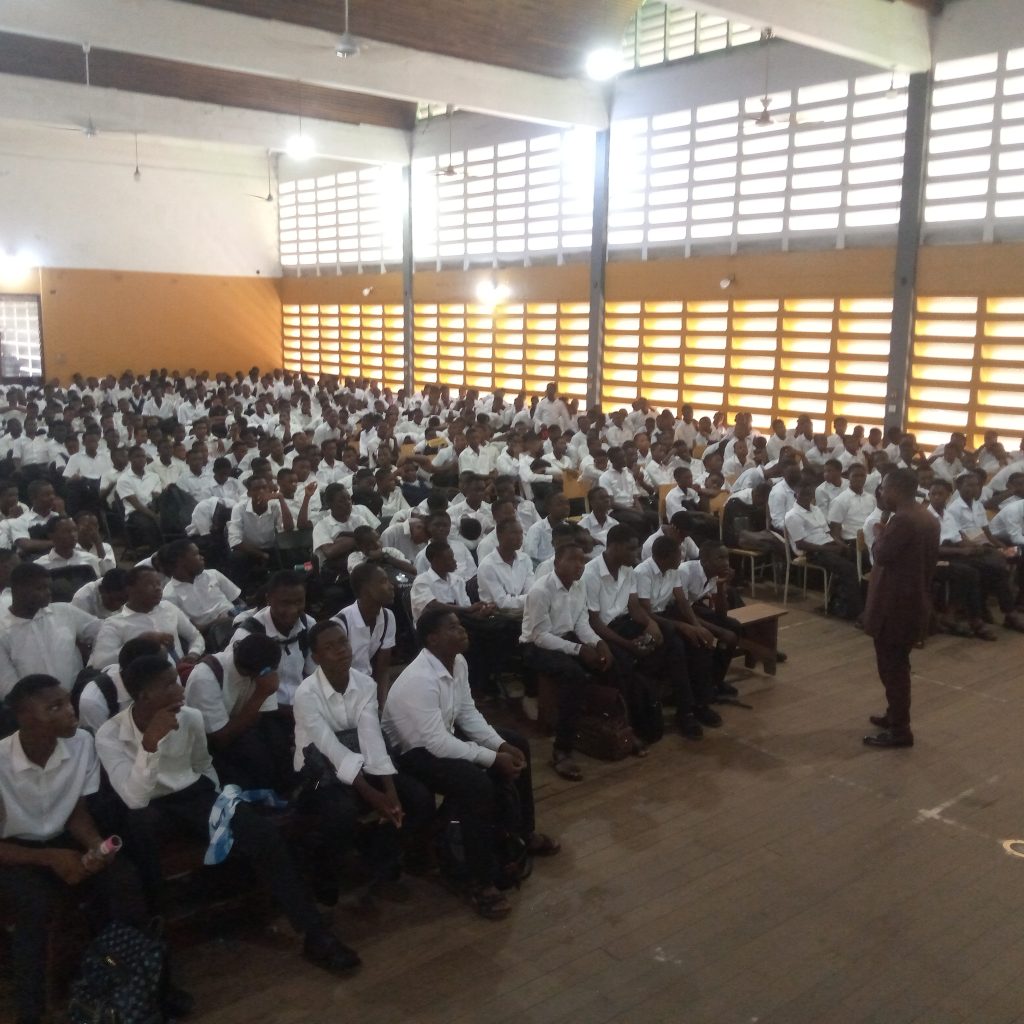
The Ashanti Regional Peace Council (ARPC), in collaboration with the National Commission on Small Arms and Light Weapons (NACSA), has engaged over 2,000 first-year students of Kumasi Technical Institute (KTI) in a peace education and sensitisation programme aimed at preventing student violence, discouraging vigilantism and promoting peaceful coexistence.
The programme was held on Wednesday, 7 October 2026, at the Assembly Hall of Kumasi Technical Institute. It focused on educating students on the Vigilantism and Related Offences Act, 2019 (Act 999), the dangers of the illegal possession and misuse of small arms and light weapons, and the importance of adopting non-violent approaches to resolving conflicts.
The initiative forms part of efforts by the Ashanti Regional Peace Council and its partners to empower young people with the knowledge, attitudes and skills needed to contribute to peace and security in their schools and communities.
Promoting Peace Through Responsible Attitudes and Actions
Addressing the students, Rev. Dr. Emmanuel Badu Amoah, Regional Executive Secretary of the Ashanti Regional Peace Council, emphasised that peace begins with individual attitudes, words and actions.
He encouraged students to promote peace within their school environment by respecting others, avoiding bullying, helping classmates resolve disagreements peacefully and refusing to join violent groups.
He cautioned that although vigilantism is often associated with political groups, similar behaviours can emerge among young people in schools and must be addressed before they escalate into more serious forms of violence.
Rev. Dr. Badu Amoah also educated the students on the Vigilantism and Related Offences Act, 2019 (Act 999), which seeks to prevent the formation and activities of vigilante groups and promote peace and security in Ghana.
He explained the legal consequences associated with forming, organising, financing, supporting or participating in vigilante groups, as well as recruiting or training individuals for vigilante activities. He urged students to understand the seriousness of these offences and to address grievances through appropriate school authorities rather than resorting to violence.
His message reinforced the importance of discipline, responsible citizenship and respect for the rule of law as essential foundations for peaceful school communities.
Raising Awareness of the Dangers of Small Arms and Light Weapons
Mr. Emmanuel Kenneth Oduro, Regional Director of the National Commission on Small Arms and Light Weapons (NACSA), highlighted the dangers posed by the illegal possession and misuse of firearms and other small arms and light weapons.
He noted that when weapons fall into the wrong hands, they can contribute to violence, criminal activities and the loss of innocent lives. He therefore encouraged students to recognise the serious consequences of unlawful possession and use of weapons.
Mr. Oduro called on students and the wider public to support collective efforts to reduce the proliferation of illicit arms, urging them to work towards a safer society.
As he reminded the students:
“Guns only make you vulnerable, not powerful.”
He further explained that unlawful possession of arms can result in arrest, prosecution and imprisonment, emphasising the importance of complying with the law and rejecting violence as a means of resolving disagreements.
Encouraging Non-Violent Conflict Resolution
The sensitisation programme also emphasised the importance of equipping students with practical approaches to managing disagreements without resorting to threats, intimidation or physical confrontation.
Students were encouraged to embrace dialogue, mutual respect, tolerance and peaceful communication when dealing with differences among their peers.
By promoting these values at the beginning of students’ senior high school journey, the programme sought to help establish a school culture in which conflicts can be addressed constructively and students feel encouraged to resolve their differences peacefully.
The engagement also aligns with the broader objective of developing Peace Ambassadors Clubs in junior and senior high schools to strengthen youth participation in conflict prevention and peacebuilding.
Investing in the Next Generation of Peacebuilders
The programme brought together over 2,000 first-year students, alongside teachers and school administrators, providing a significant platform for promoting peace education and raising awareness of the legal and social consequences of violence.
Through collaboration between the Ashanti Regional Peace Council, NACSA and Kumasi Technical Institute, the initiative highlighted the importance of partnerships between peacebuilding institutions and educational establishments in shaping responsible and peace-conscious young people.
By equipping students with knowledge of the law, raising awareness of the dangers of illicit arms and promoting non-violent conflict resolution, the programme contributes to efforts to nurture a generation of young people capable of preventing conflict and strengthening social cohesion in their communities.