Greater Accra Regional Peace Council Promotes Drug Abuse Prevention And Youth Empowerment At Kinbu SHS
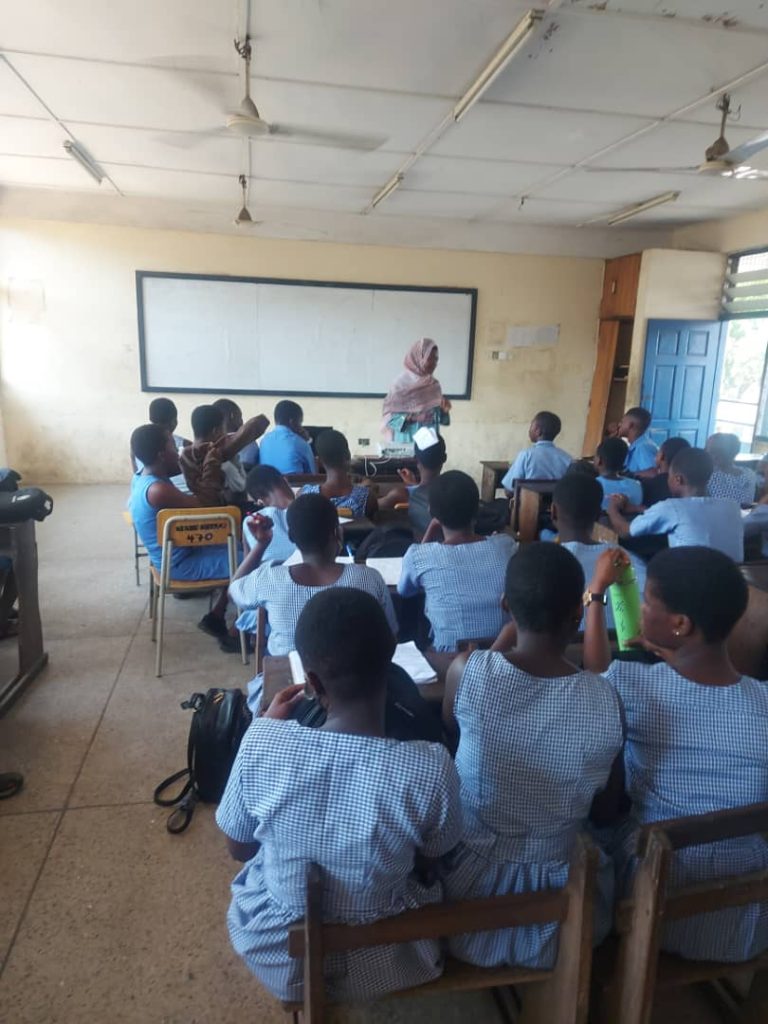
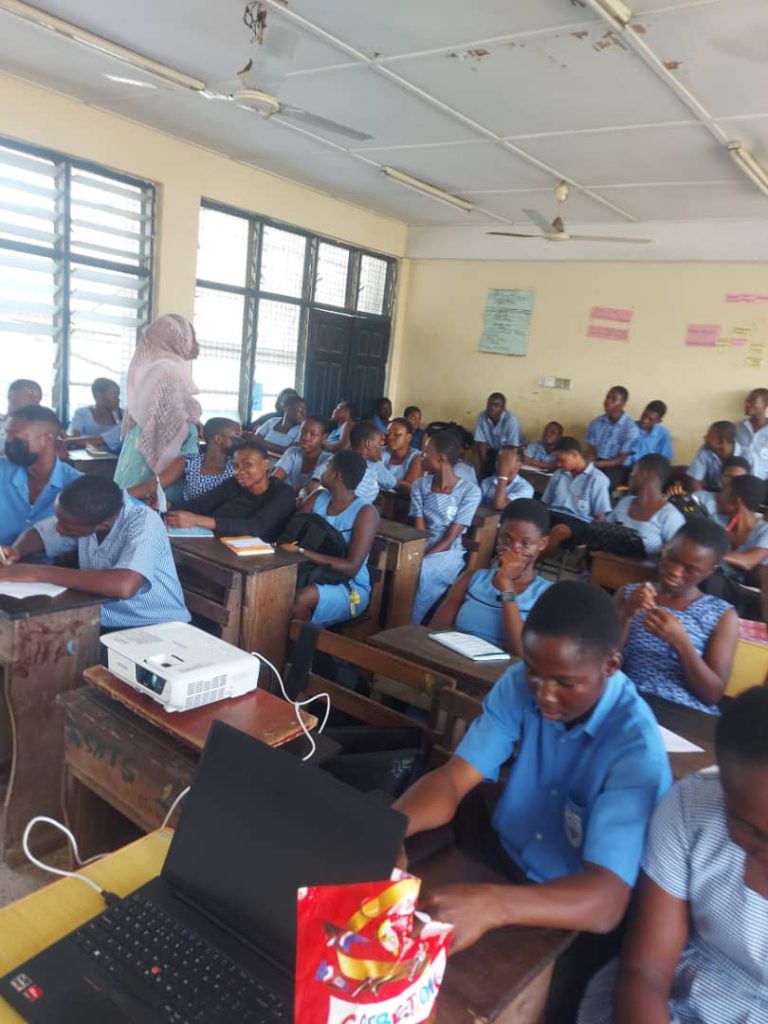
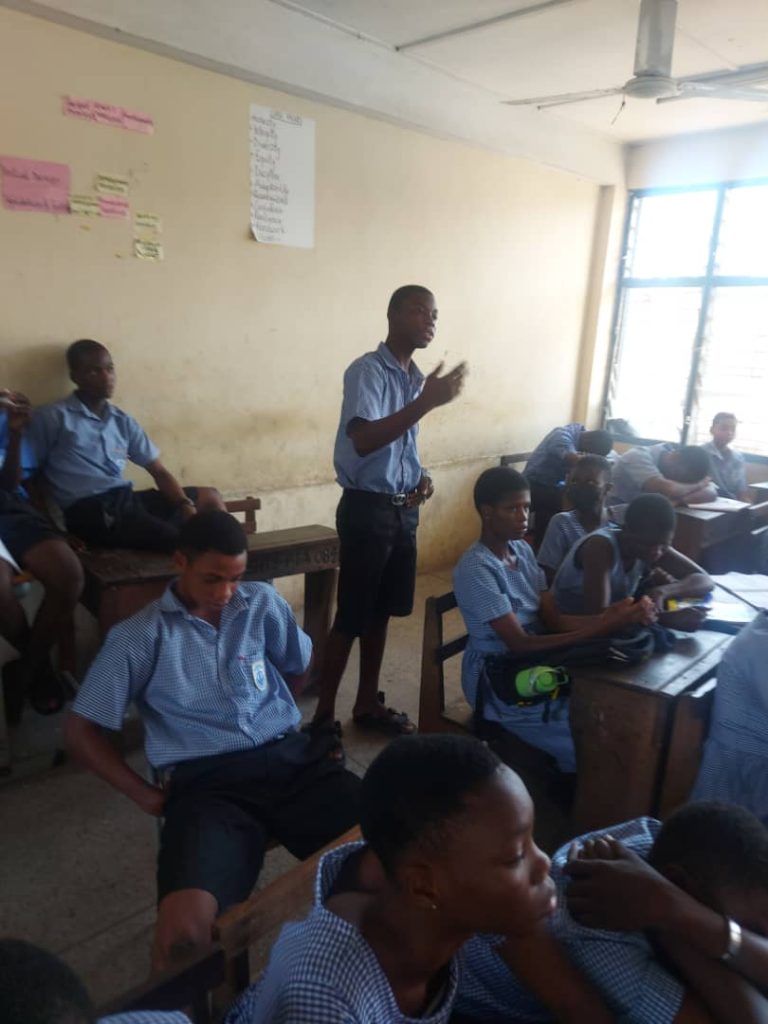
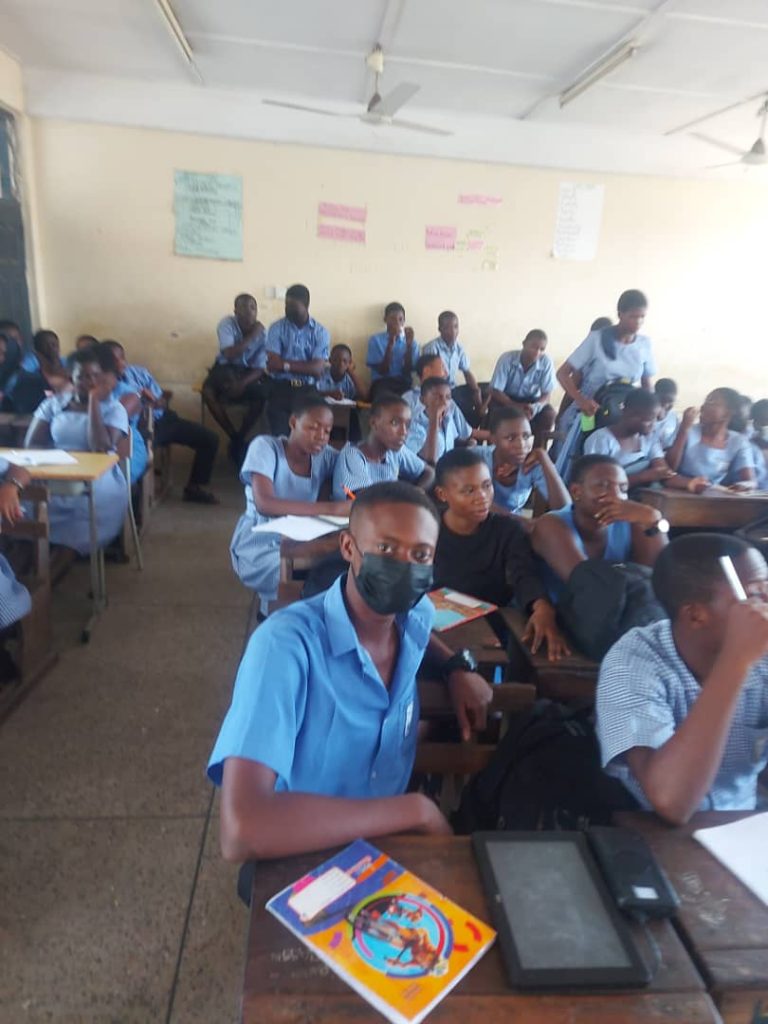
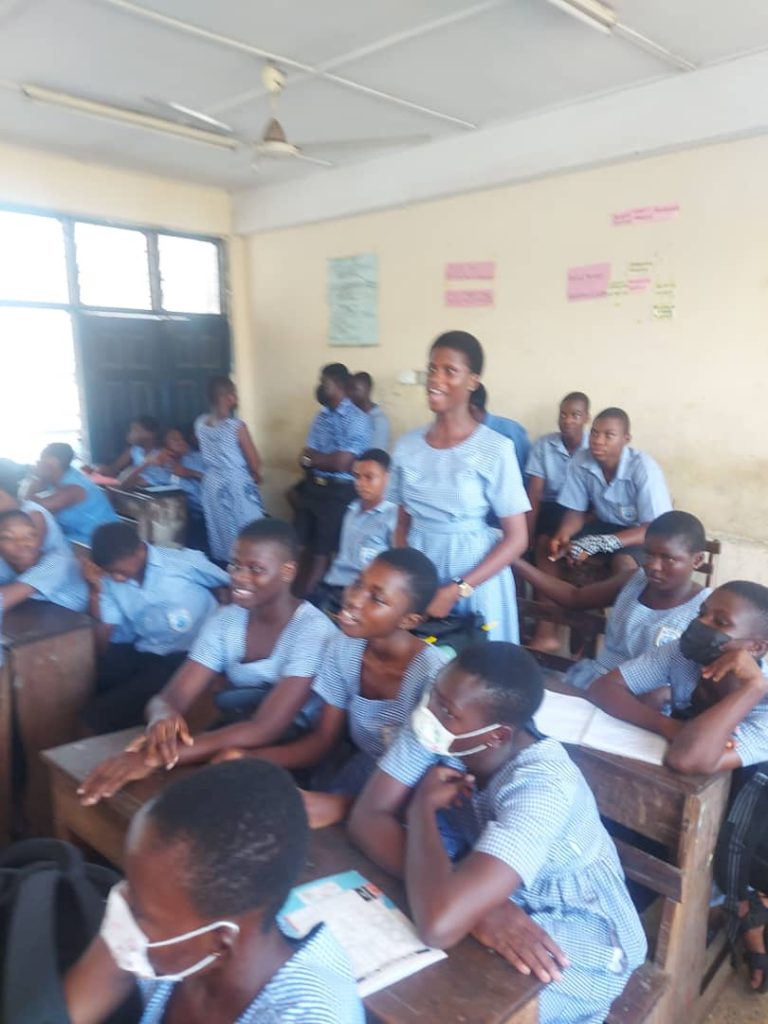
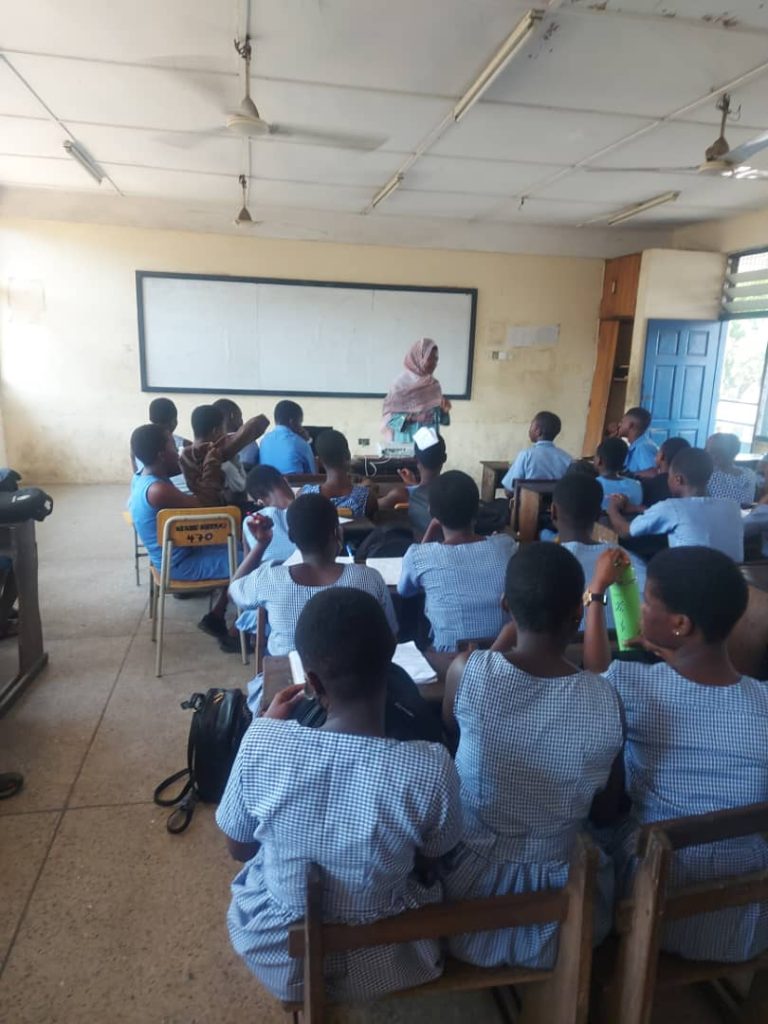
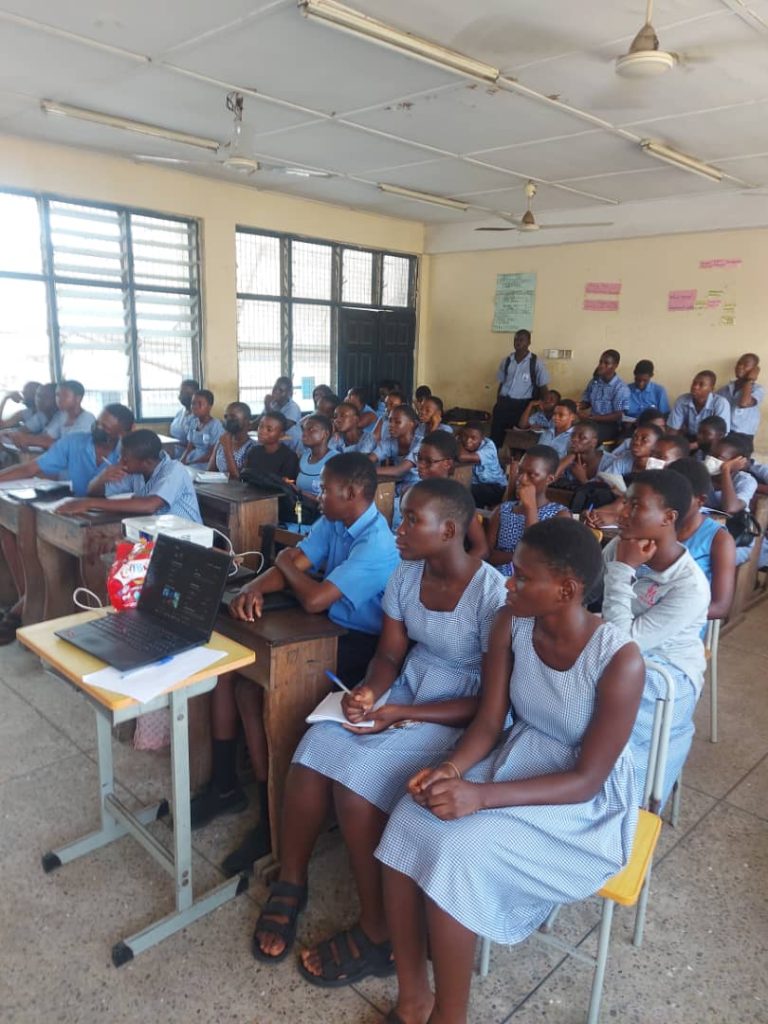
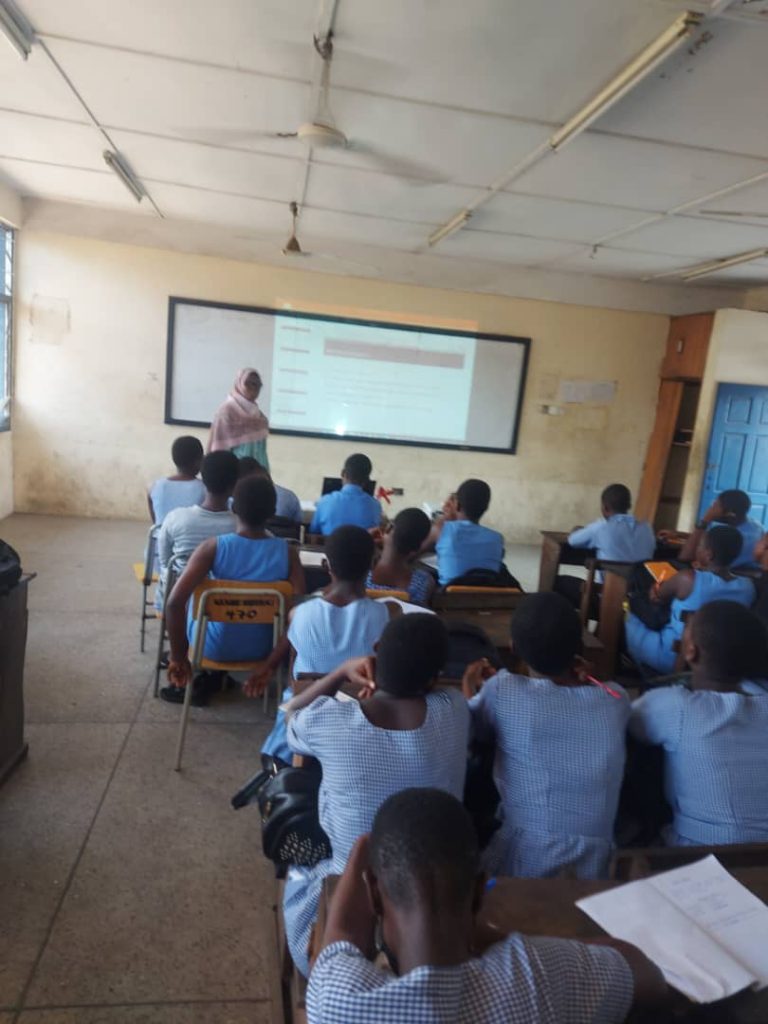
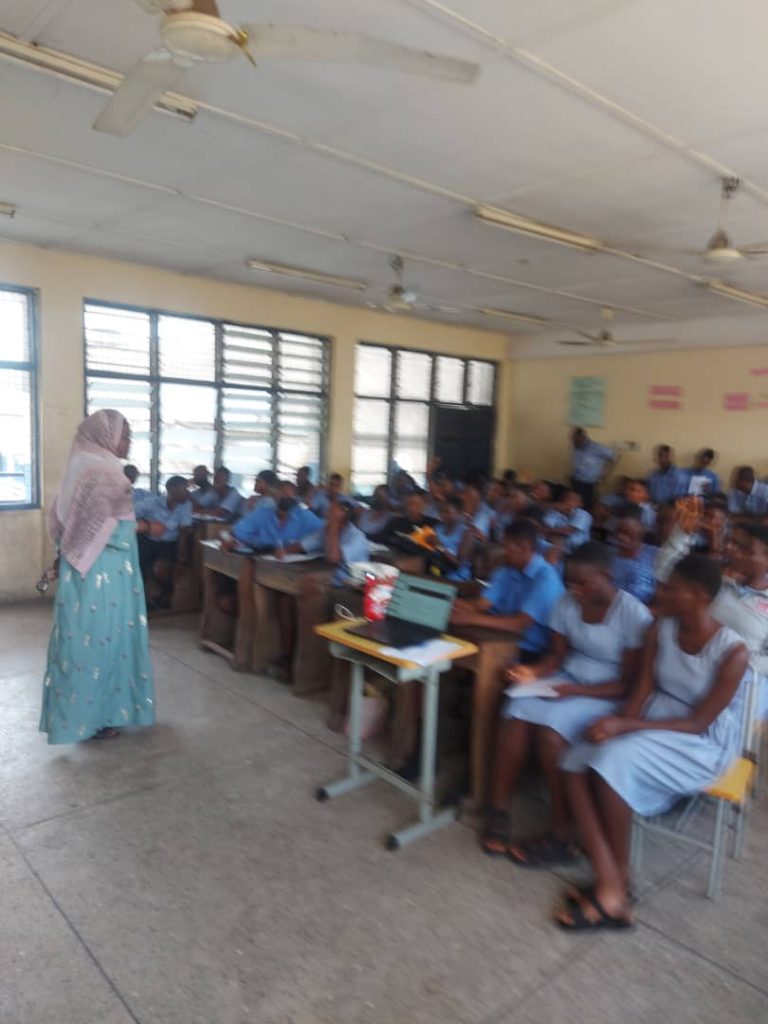
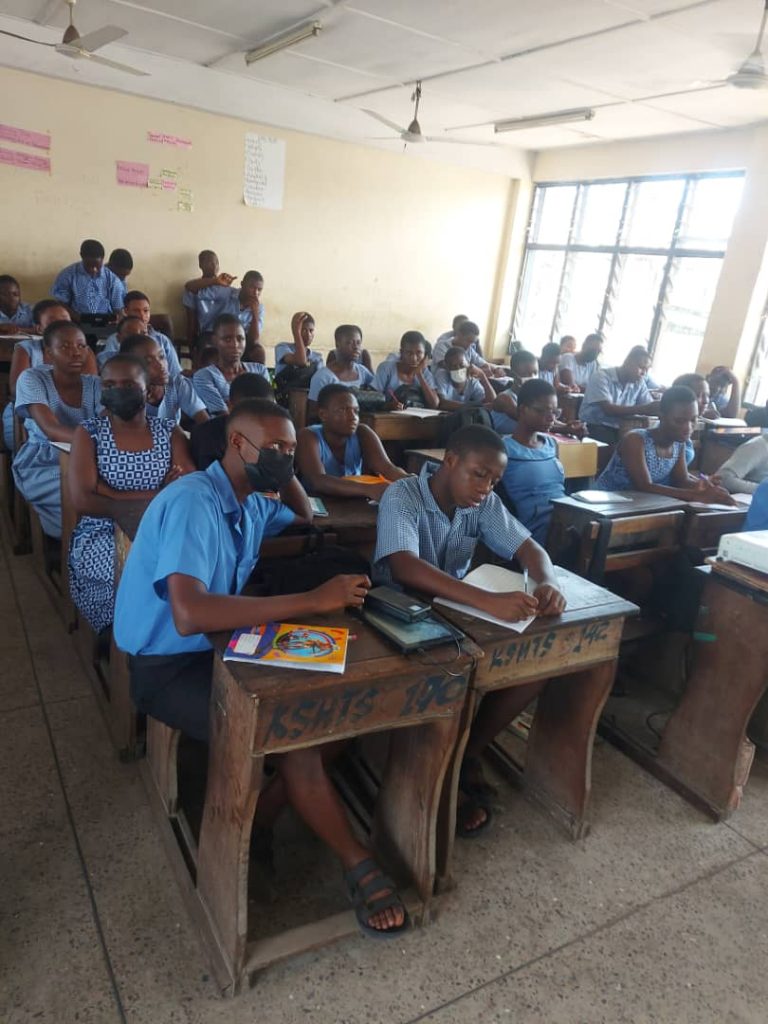
The Greater Accra Regional Peace Council (GARPC), with support from the National Peace Council (NPC), has engaged students of Kinbu Senior High Technical School (KSHTS) in a peace education and sensitisation programme aimed at preventing drug abuse, promoting healthy lifestyles and empowering young people to contribute to peaceful communities.
Held on 10 September 2026 on the school premises, the programme brought together selected students from Forms One, Two and Three. It was organised in collaboration with the school’s Guidance and Counselling Unit under the theme of promoting peace through drug abuse prevention and youth empowerment.
The engagement focused on the relationship between substance abuse, violence, theft and mental health, while equipping students with practical life skills to resist negative peer influence, make responsible decisions and become active participants in peacebuilding.
Understanding Drug Abuse and Its Consequences
In her presentation, Hajia Nusrat Yaa Asantewaa Gyasi highlighted substance abuse as a significant public health, safety and peacebuilding concern, particularly among adolescents and young people who may be vulnerable to social, economic and psychological pressures.
She guided students through discussions on the definition and types of drugs, the reasons some young people become involved in substance use, and the potential consequences for individuals, families and society.
She clarified that drug abuse is not limited to illegal substances; the misuse of prescription medication can also constitute drug abuse. She cautioned that substance use at an early age can contribute to substance use disorders and adverse physical and mental health outcomes.
The presentation further explored the links between substance abuse and behaviours such as violence and theft, emphasising the need for preventive education and early intervention to protect young people and their communities.
Students were encouraged to avoid illegal drugs, use medication only as directed by qualified health professionals, and seek guidance from trusted adults when faced with challenges or pressure to experiment with substances.
Promoting Positive Choices and Healthy Lifestyles
The programme emphasised that preventing drug abuse requires more than awareness of its dangers. Young people also need positive alternatives, supportive relationships and constructive activities that help them develop their abilities and cope with peer pressure.
Hajia Gyasi highlighted several practical approaches to prevention, including:
-
Participation in sports and physical activities.
-
Reading, debating and dancing clubs.
-
Drama groups and talent shows.
-
Mentorship involving trusted adults, family members and positive peers.
-
Volunteering and community service.
-
Faith-based activities and youth group programmes.
These activities were presented as constructive ways for young people to develop their talents, build positive relationships, strengthen their sense of belonging and occupy their time meaningfully.
She also called on parents, teachers, counsellors, religious leaders and community stakeholders to work together to prevent substance abuse and support young people who may be affected.
The message was clear: prevention, guidance and community support are essential to helping young people make informed choices and avoid harmful behaviours.
Connecting Peace Education with Conflict Prevention
The Acting Regional Executive Secretary of the Greater Accra Regional Peace Council, Mr. George Oko Mensah, engaged students on the role of the National Peace Council under the National Peace Council Act, 2011 (Act 818).
He explained that conflict is a natural part of human interaction and highlighted the Council’s broader responsibilities in conflict prevention, mediation and resolution beyond electoral disputes.
He encouraged students to embrace values that promote peaceful coexistence and contribute to a positive learning environment, including respect for diversity, dialogue, integrity, inclusivity, tolerance and trust-building.
The engagement reinforced the connection between individual choices, peaceful relationships and community stability. By learning to communicate respectfully, manage disagreements constructively and appreciate differences, students can help prevent conflicts from escalating into violence.
Empowering Young People as Agents of Change
The sensitisation programme underscored the importance of empowering students to make responsible decisions, resist negative influences and contribute positively to their schools and communities.
It also highlighted the need for stronger collaboration among schools, families, religious institutions, security agencies, counsellors and community leaders to prevent drug-related problems and provide support for affected young people, including rehabilitation and reintegration where necessary.
Through its collaboration with Kinbu Senior High Technical School, the Greater Accra Regional Peace Council continues to promote peace education as an important part of youth development, conflict prevention and social cohesion.
By combining drug abuse prevention with lessons on peaceful coexistence, the programme encouraged students to recognise that building peaceful communities begins with personal responsibility, informed choices and respect for others.