Countering Intolerance and Substance Abuse to Address Violence in Senior High Schools – Eastern Region
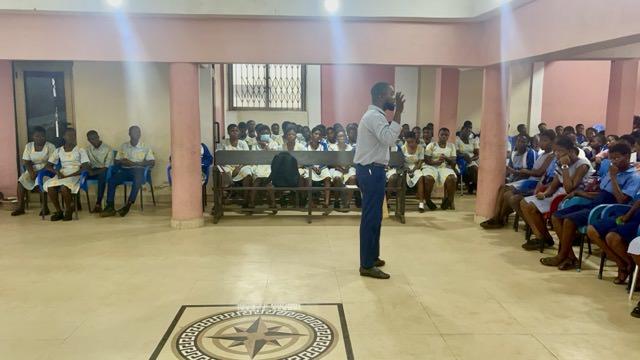
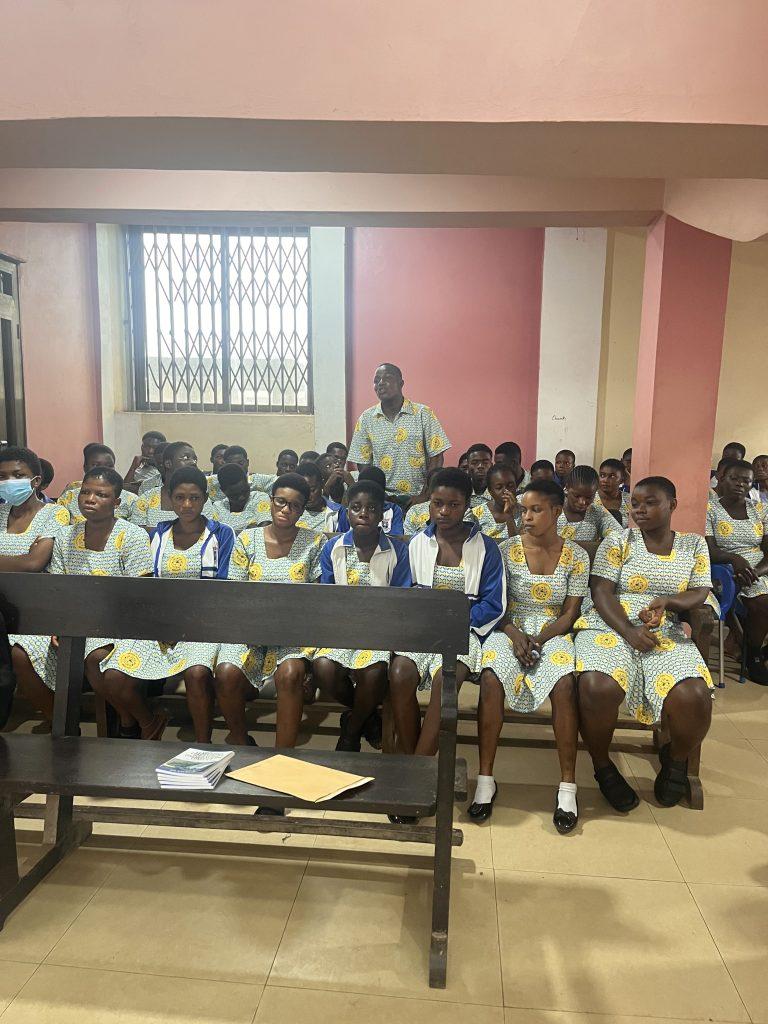
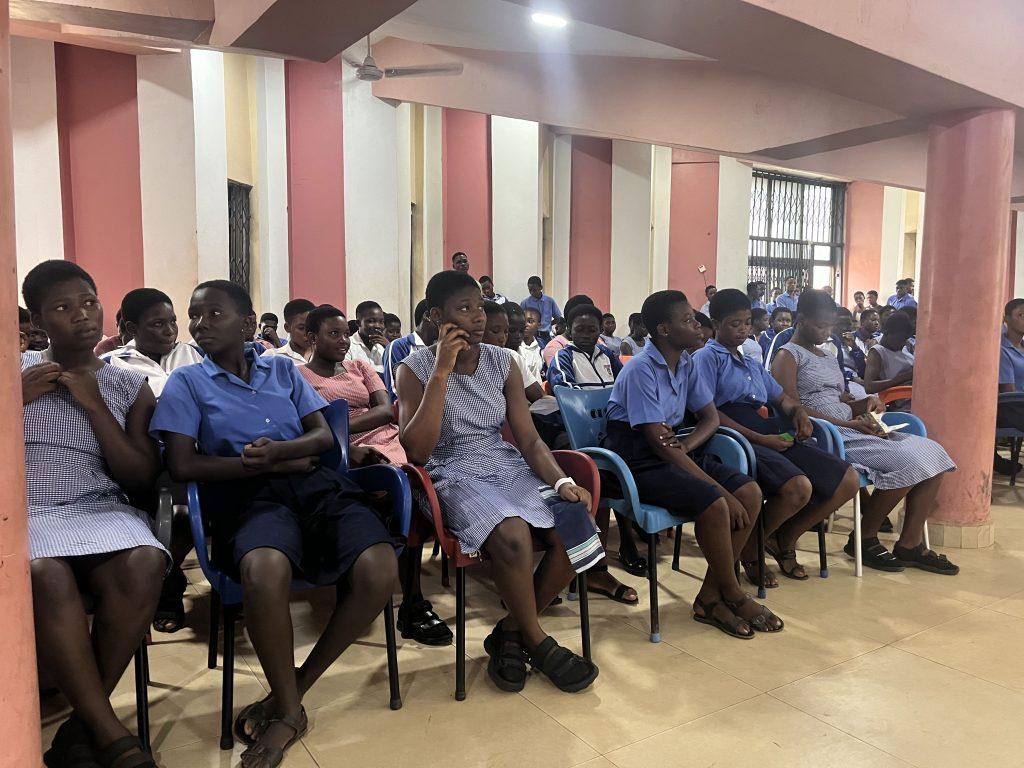
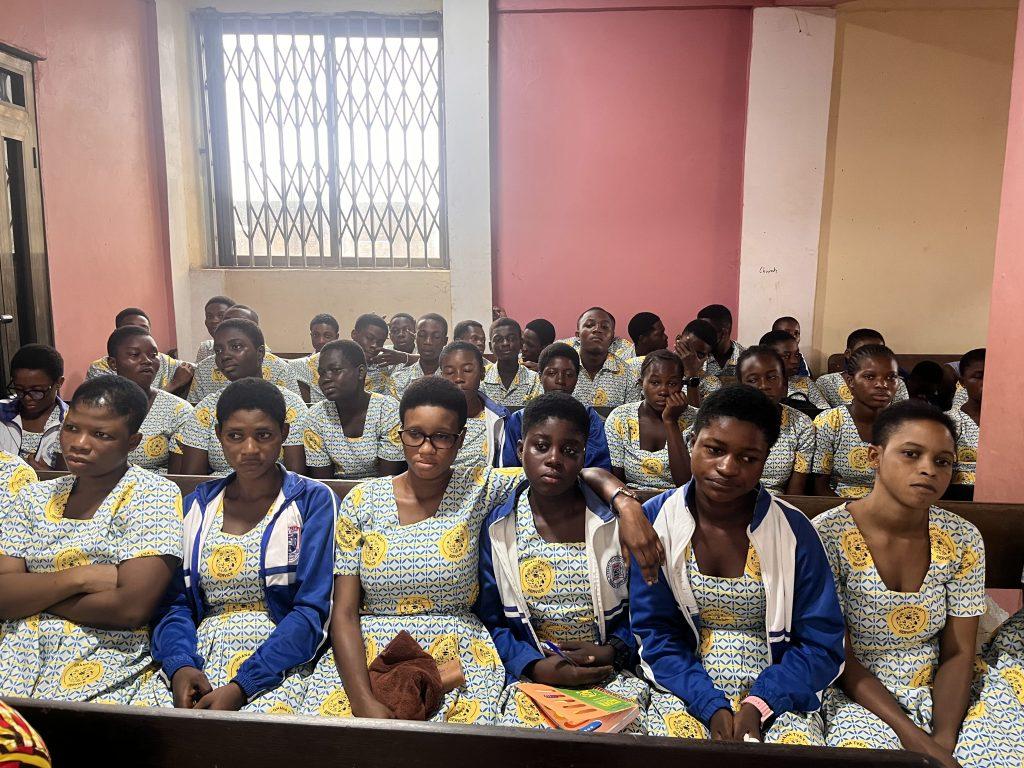
The Eastern Regional Peace Council (ERPC) has successfully organized an advocacy and capacity-building programme themed “Countering Intolerance and Substance Abuse as a Pathway to Addressing Violence in Senior High Schools” at Abiriw Presby Technical Institute, Akuapem, on 14th January 2026.
The programme sought to raise awareness among students and educators on the underlying causes of school-based violence, particularly intolerance, peer pressure, and substance abuse. It also aimed to promote values of tolerance, respect, and peaceful coexistence as effective tools for preventing conflict and violence within the school environment.
Delivering the keynote address, Mr. Osmond Appiah Danquah, Program Manager of the National Peace Council – Eastern Region, emphasized that violence in senior high schools often stems from unresolved conflicts, intolerance, and substance abuse rather than isolated incidents. He explained that intolerance—whether based on ethnicity, religion, social status, or personal differences—creates hostility that can easily escalate into violence.
Mr. Danquah further highlighted that substance abuse weakens judgment, fuels aggression, and increases students’ likelihood of engaging in violent behavior, including bullying, indiscipline, sexual violence, and clashes with school authorities. He stressed that addressing school violence requires confronting these root causes proactively, rather than responding only after violent acts occur.
He encouraged students to view tolerance as a strength and adopt peaceful methods of resolving disagreements. He also called on school authorities to create supportive environments where students feel heard and guided. Concluding his address, Mr. Danquah urged students to reject substance abuse, support one another positively, and become ambassadors of peace within their schools and communities.
Key outcomes of the engagement included:
- Improved understanding of the link between intolerance, substance abuse, and school-based violence
- Positive behavioral change among students toward non-violence and respect for diversity
- Strengthened collaboration between students, educators, and peace institutions
The programme benefited about 200 students and teachers, with participation from staff of the Eastern Regional Peace Council, including Mr. Osmond Appiah Danquah and Mr. Joshua Sarpong Boafo (NSS Personnel).
The Eastern Regional Peace Council remains committed to promoting safe, inclusive, and peaceful learning environments across the region.