ARPC Promotes Religious Tolerance in Schools Through Media Outreach on MoU Implementation
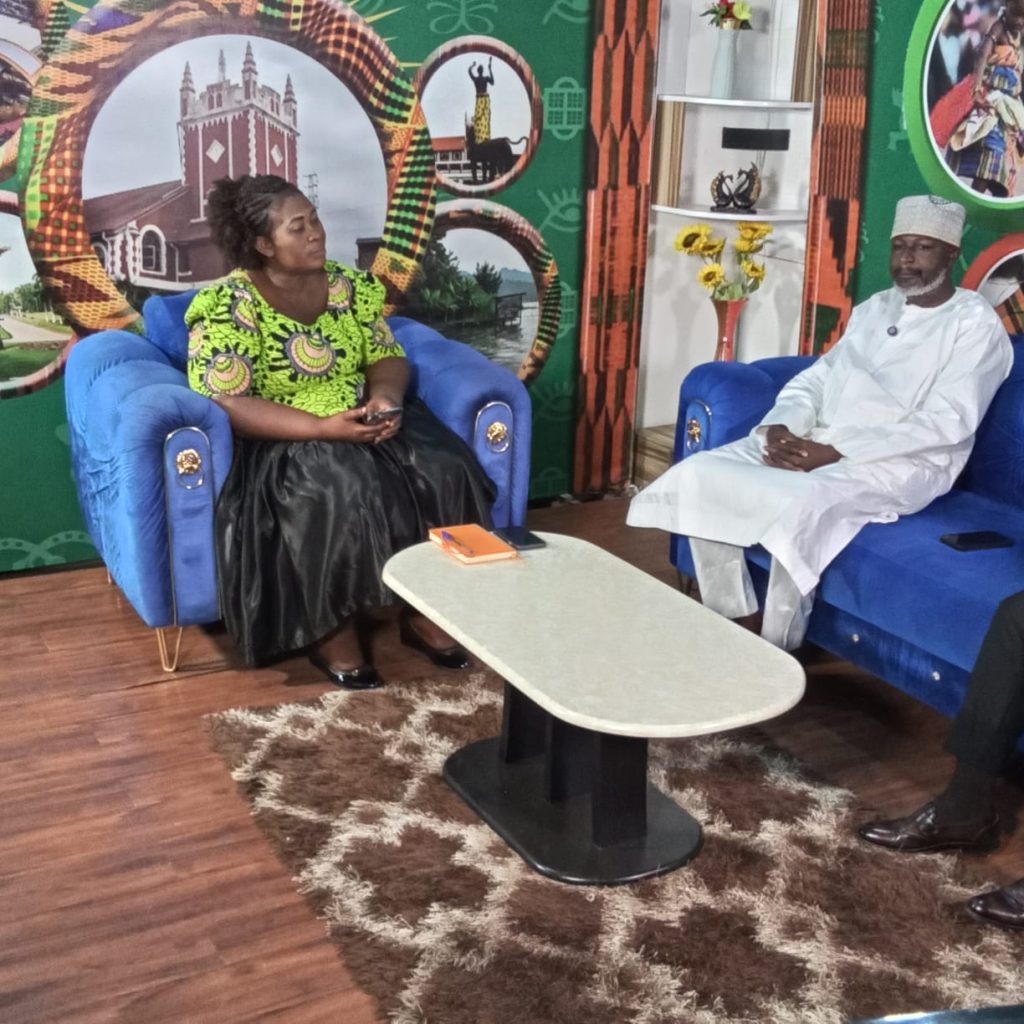
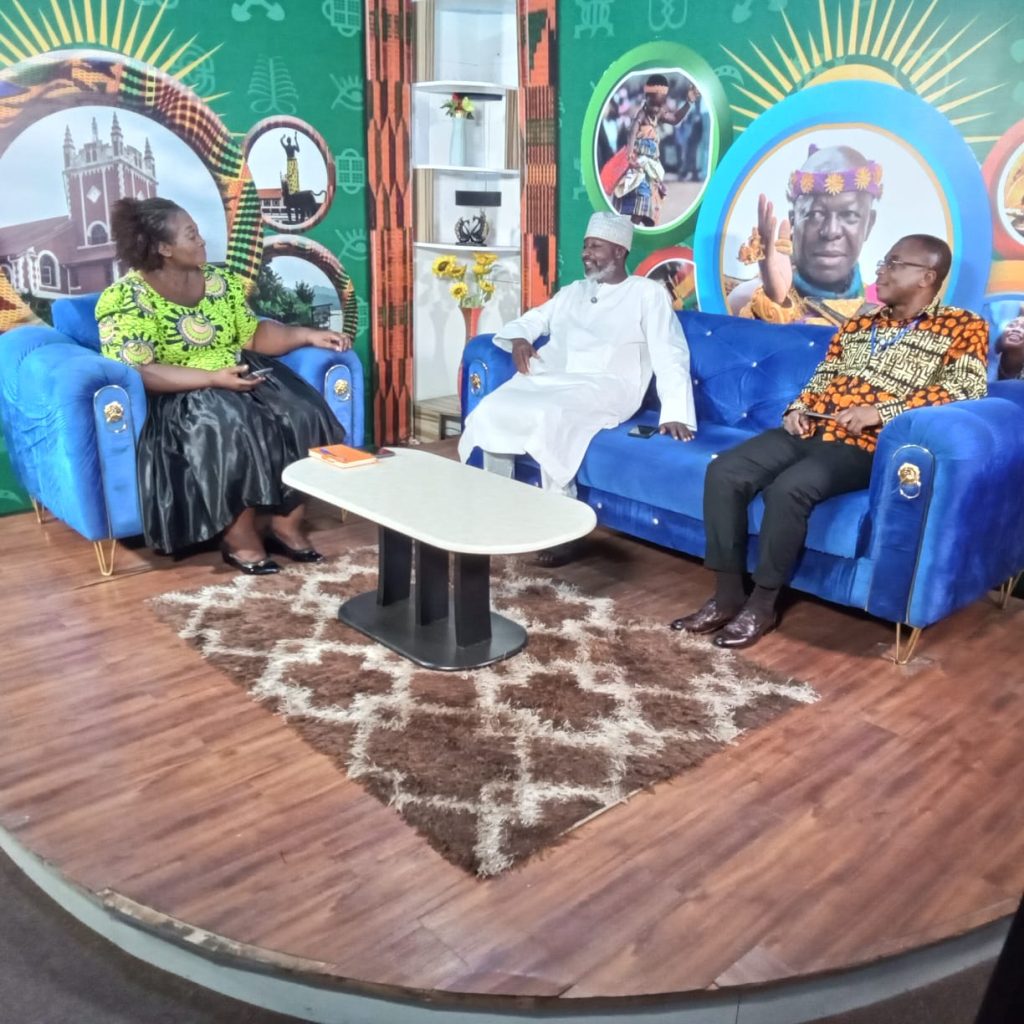
The Ashanti Regional Peace Council (ARPC), in collaboration with Garden City Television and the Ghana Broadcasting Corporation (GBC), has organized a radio and television outreach programme to sensitize the public on the Memorandum of Understanding (MoU) on Religious Tolerance in Schools.
The programme, held on Friday, 22nd May 2026 at Garden City Television in Kumasi, was aimed at promoting hybrid peacebuilding through increased awareness, dialogue, and stakeholder engagement on religious coexistence in educational institutions.
Promoting Peaceful Coexistence in Educational Institutions
The engagement, which formed part of ARPC’s broader peace education strategy, focused on educating the public on the purpose and content of the MoU. The initiative emphasized the need for peaceful coexistence, mutual respect, and understanding among students of different religious backgrounds.
Key objectives included increasing awareness of the rights and responsibilities of students, parents, teachers, and school authorities regarding religious practices in schools, as well as promoting adherence to school rules and regulations while respecting religious diversity.
The programme also highlighted the importance of preventing religious discrimination, misunderstandings, and conflicts within educational institutions, while strengthening public understanding of the role of mission schools in promoting discipline, tolerance, and inclusive education.
Key Messages from Peace Actors
Speaking during the programme, the Regional Executive Secretary of ARPC, Rev. Dr. Emmanuel Badu Amoah, explained that the MoU was developed with facilitation from the National Peace Council and adopted by both government-assisted and private mission schools to promote a discrimination-free learning environment.
He emphasized that schools, parents, teachers, students, and religious bodies must prioritize national unity, peace, and development above religious differences. He further urged school authorities to ensure that learners feel safe, respected, and protected from any form of religious discrimination or victimization.
Rev. Dr. Amoah also encouraged parents and students to familiarize themselves with school cultures, values, and regulations before admission in order to promote smooth integration and mutual understanding.
The Chairman of the Zongo Local Peace Committee, Sheikh Ridwan Mama Dankonya, noted that religious diversity should be seen as an opportunity for peaceful coexistence rather than a source of conflict.
He emphasized that schools must promote tolerance, harmony, and inclusiveness while maintaining their institutional values and identity. He further outlined key provisions of the MoU, including respect for school rules and dress codes, guidance on fasting practices through parental communication, orientation on school regulations, and provision of worship spaces where practicable without disrupting academic activities.
Strengthening Collaboration for Peaceful Schools
The Senior Programmes Manager of ARPC, Godwin Nana Amponsah, also participated in the engagement, reinforcing the importance of collective responsibility among stakeholders in ensuring the successful implementation of the MoU.
The programme concluded with a call on parents, religious leaders, school authorities, and students to support the MoU and work collectively towards building peaceful, inclusive, and discrimination-free educational environments across Ghana.