National Peace Council Inaugurates Joint Monitoring, Implementation Committee for Nkwanta
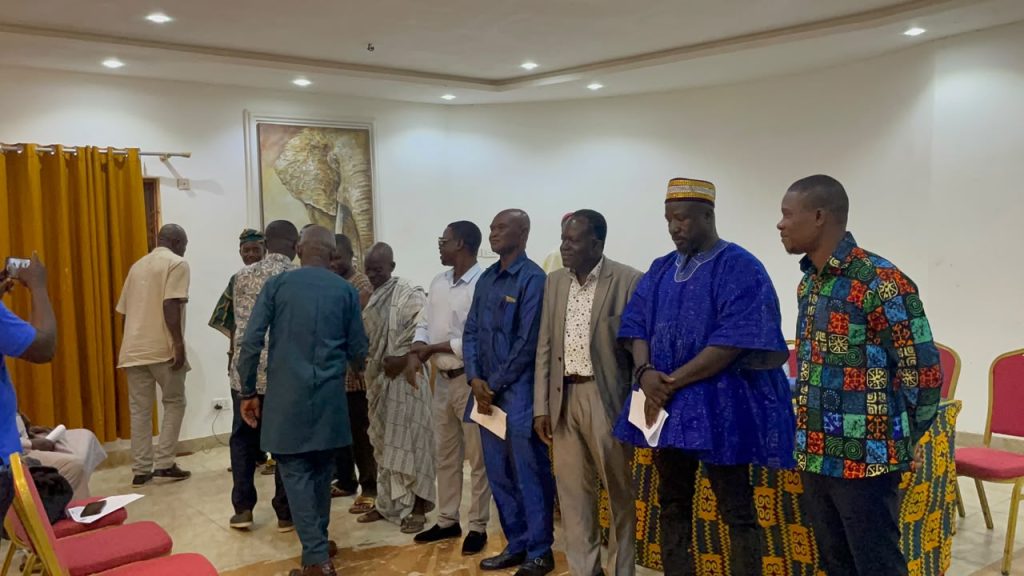
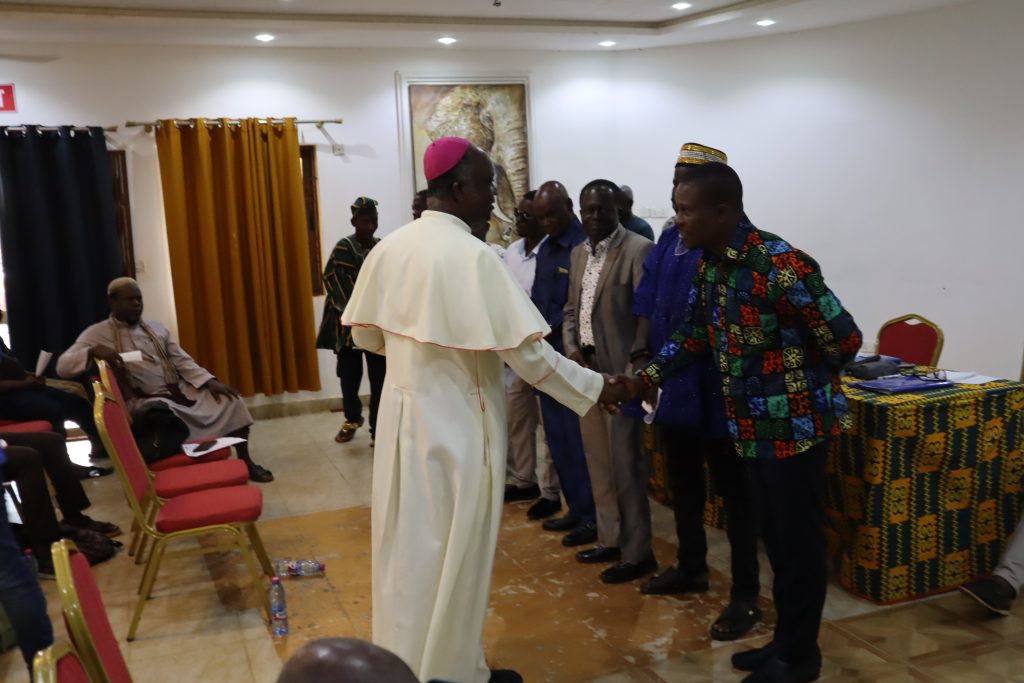
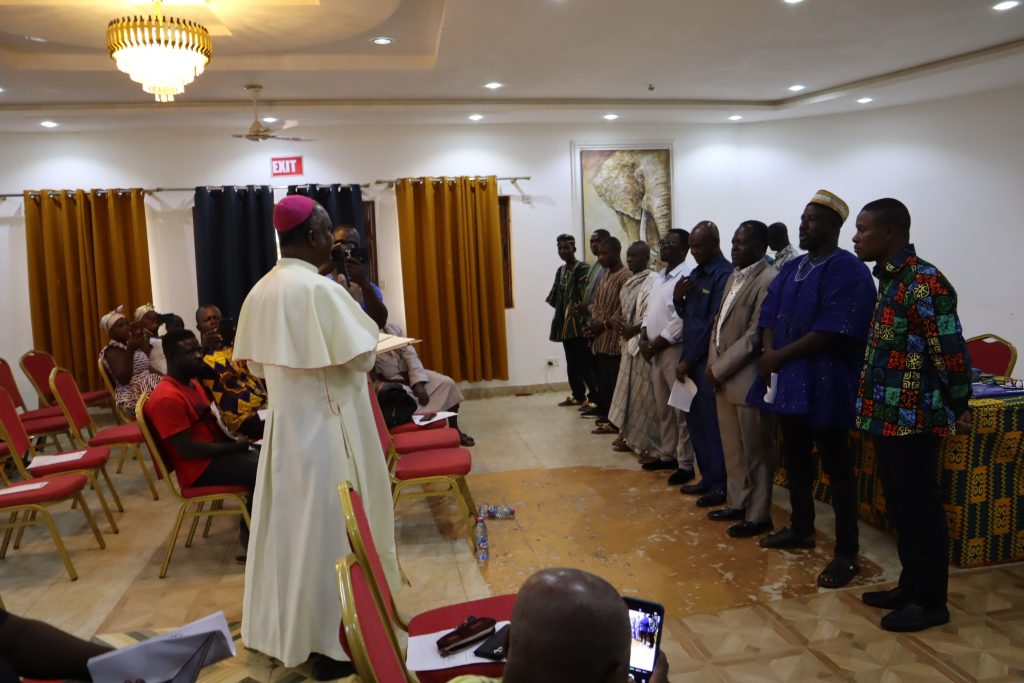
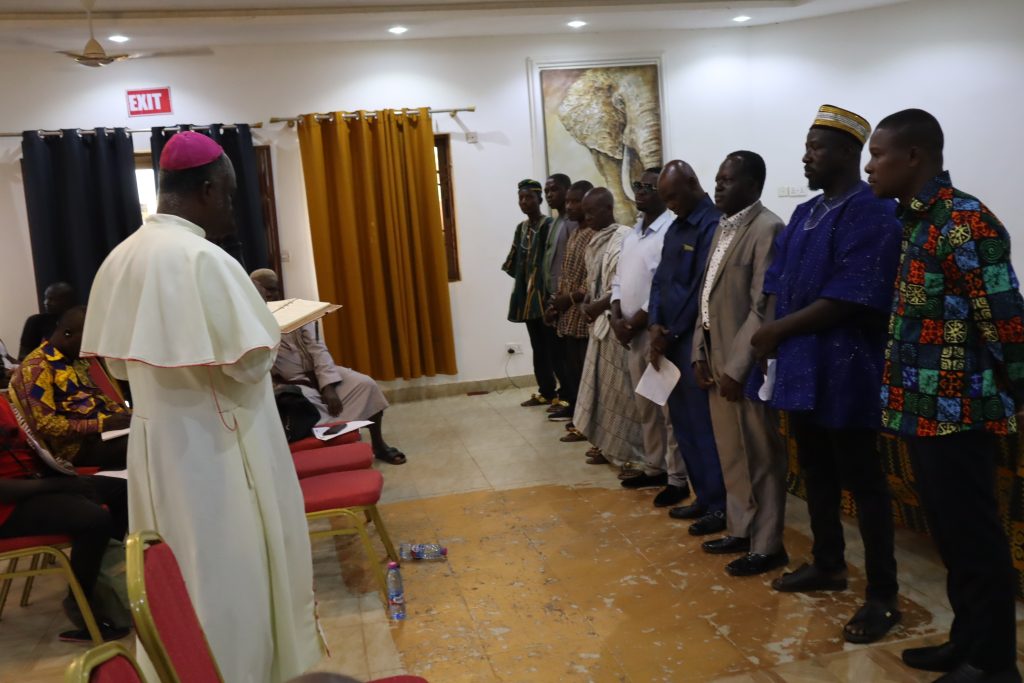
The Chairman of the Governing Board of the National Peace Council (NPC), Most Rev. Emmanuel Kofi Fianu, has on Thursday 16 July 2026, inaugurated a nine-member Joint Monitoring and Implementation Committee to oversee the implementation of peace interventions in Nkwanta and its surrounding communities.
The Committee forms a key component of the Council’s strategy to anchor the peace process in local ownership and ensure the effective implementation of the Nkwanta Declaration, a 13-point peace agreement reached following the Council’s mediation between the Adele, Akyode and Challa ethnic groups in March 2026.
The Committee is composed of representatives from the Adele, Akyode and Challa ethnic groups, the Zongo Youth, the Oti Regional Peace Council, and the Nkwanta South Municipal Assembly, reflecting the inclusive approach adopted to sustain peace in the municipality.
In his inaugural remarks, Bishop Fianu urged members to discharge their responsibilities with integrity, impartiality and unity of purpose, stressing that the Committee’s credibility would depend on its commitment to fairness and accountability.
“You have been entrusted with a responsibility that goes beyond representation. Work for peace. Work together with honesty, fairness and courage. Do not shield anyone whose actions threaten the peace and security of Nkwanta and its environs. Your loyalty must be to peace and to the people you serve,” he said.
The National Chairman further reminded members that the people of Nkwanta deserve to live in safety and dignity. “The people of Nkwanta deserve to live without fear. Your work should inspire confidence, encourage reconciliation, and assure every resident that lasting peace is both possible and achievable through dialogue, justice and collective responsibility,” he added.
The Committee has been mandated to monitor the implementation of the 13-point peace agreement, identify emerging threats to peace, facilitate dialogue among stakeholders, support confidence-building initiatives, and submit periodic progress reports to the National Peace Council.
On behalf of the Committee, members pledged their unwavering commitment to carrying out their mandate diligently and working collaboratively to advance sustainable peace, security and social cohesion in Nkwanta and its surrounding communities.
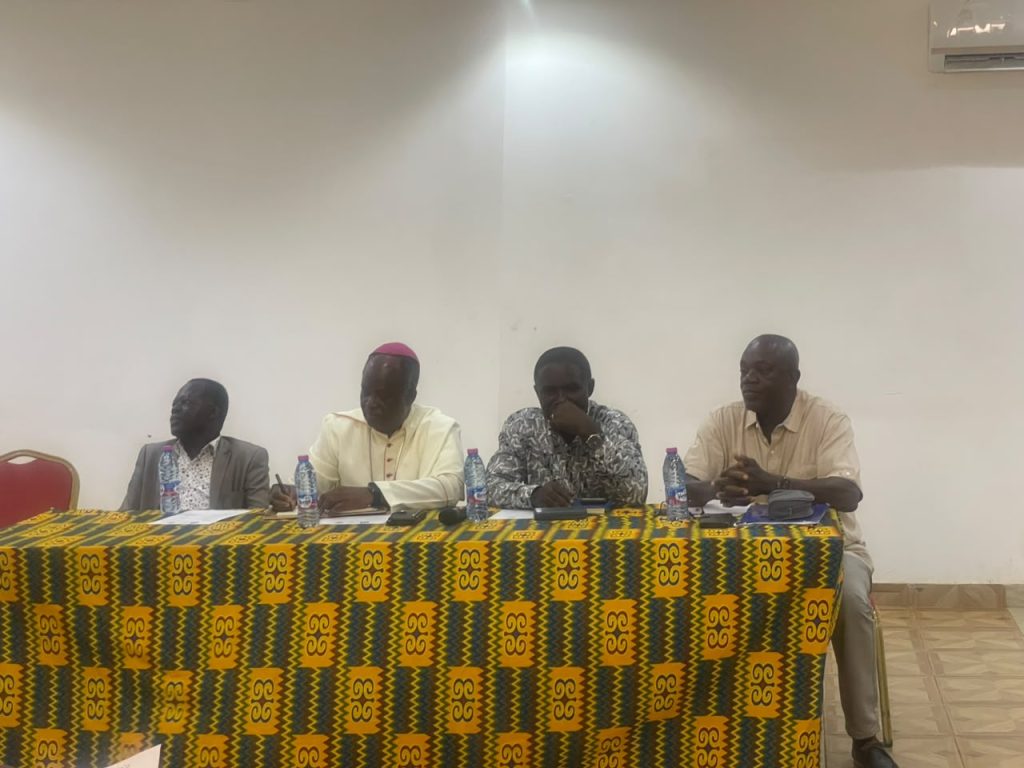
The Executive Secretary of the National Peace Council, Dr. George Amoh, underscored the importance of regular monitoring, transparency and accountability in sustaining the gains made through the peace process.
“This Committee is a vital mechanism for translating the commitments contained in the Nkwanta Declaration into concrete action. We look forward to regular progress reports and remain confident that your work will help restore trust, prevent renewed violence and strengthen peaceful coexistence among all communities,” Dr. Amoh stated.
The Chairman of the Oti Regional Peace Council, Mr. Peter King Gyinae, encouraged members to collaborate with the security personnel and approach their assignment with dedication and impartiality, urging them to work tirelessly to secure lasting peace for the people of Nkwanta.
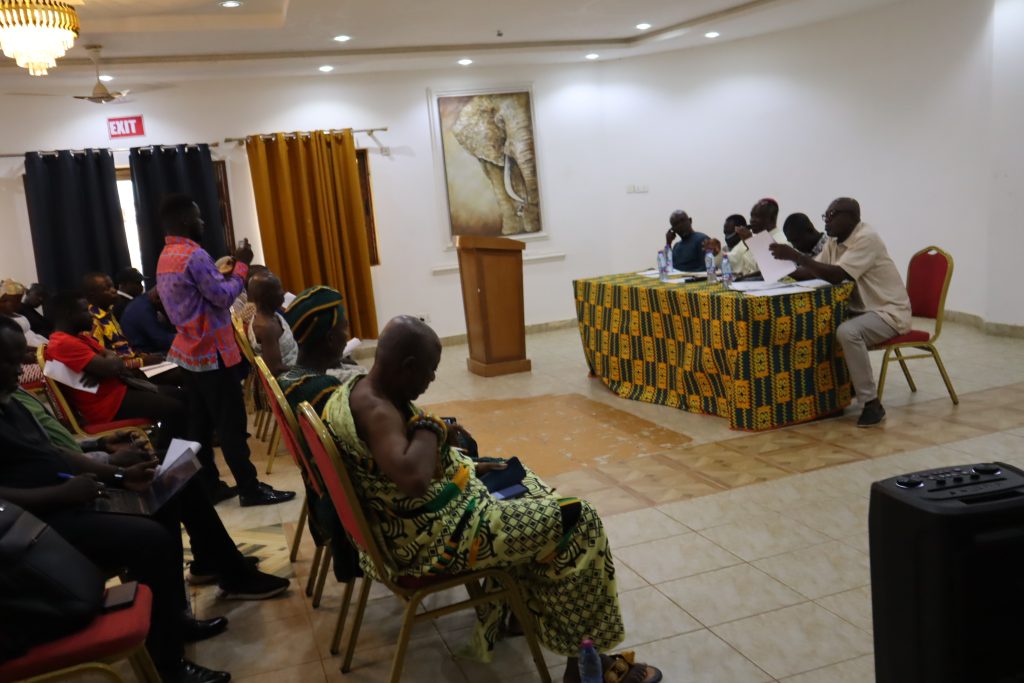
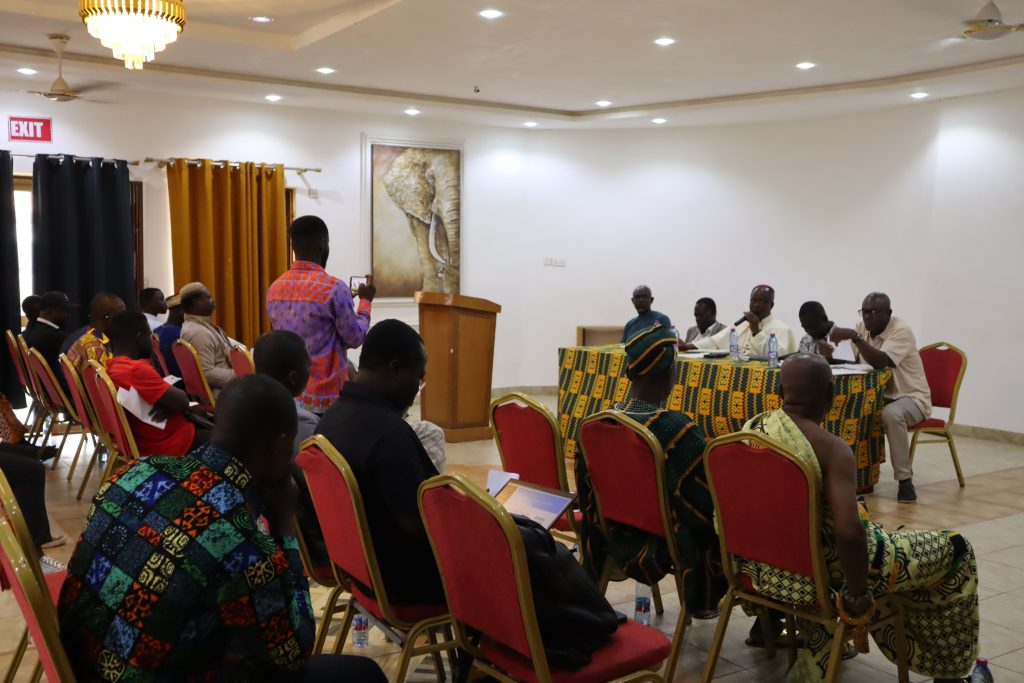
Other speakers at the inauguration welcomed the establishment of the Committee and called for the full support of all stakeholders. They emphasised that sustainable peace requires responsible leadership from traditional authorities, religious leaders, youth groups, women, civil society organisations and the wider community. Several speakers appealed to faith leaders to continue using their moral authority to promote reconciliation and discourage actions capable of undermining the peace process.
Youth representatives also reaffirmed their commitment to supporting the Committee’s work and pledged to champion peaceful coexistence, dialogue and mutual respect within their communities.
The inauguration of the Joint Monitoring and Implementation Committee marks another significant milestone in the National Peace Council’s efforts to consolidate the gains of the Nkwanta peace process and reinforce community-led mechanisms for conflict prevention, dialogue and sustainable peacebuilding.