Eastern Regional Peace Council Holds AKOBEN Dialogue on Youth Substance Abuse, Violence Prevention and Community Safety
The Eastern Regional Peace Council (ERPC) has organised a one-day multi-stakeholder dialogue to address the growing concerns of youth substance abuse, violence prevention, and community safety in the Eastern Region.
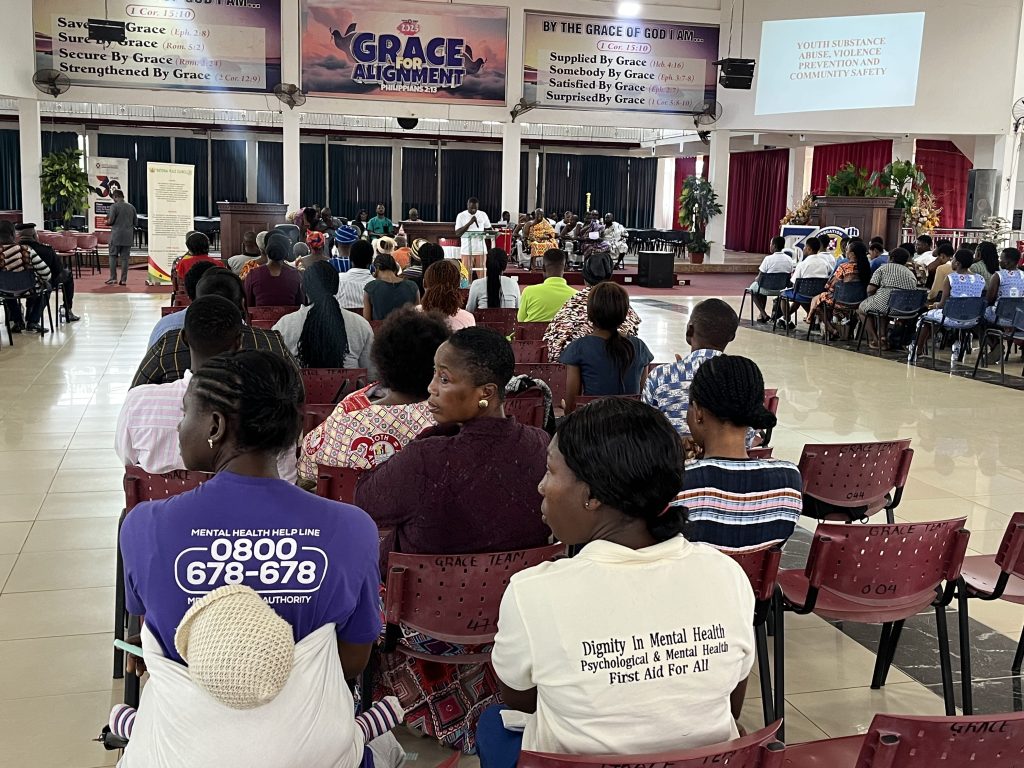
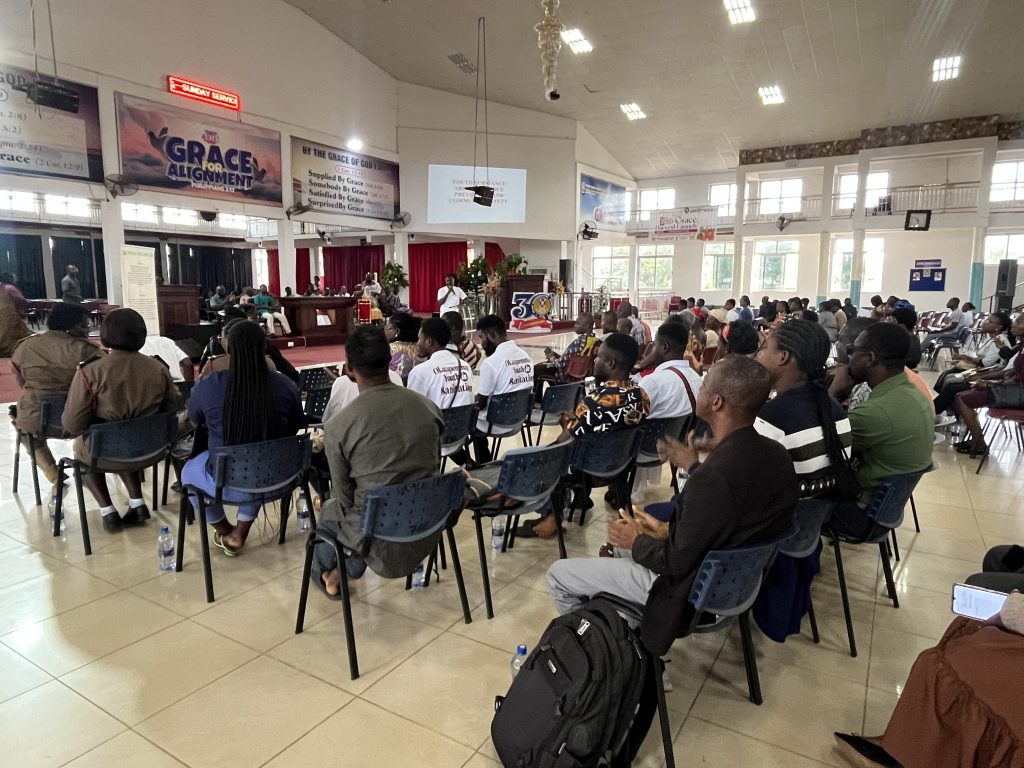
The programme, held on 16th July 2026 at the Presbyterian Church of Ghana, Grace Congregation, Akropong, was organised under the theme “Vigilance, Awareness and Action: Building a Drug-Resistant Generation” as part of the AKOBEN Initiative of the Eastern Regional Peace Council.
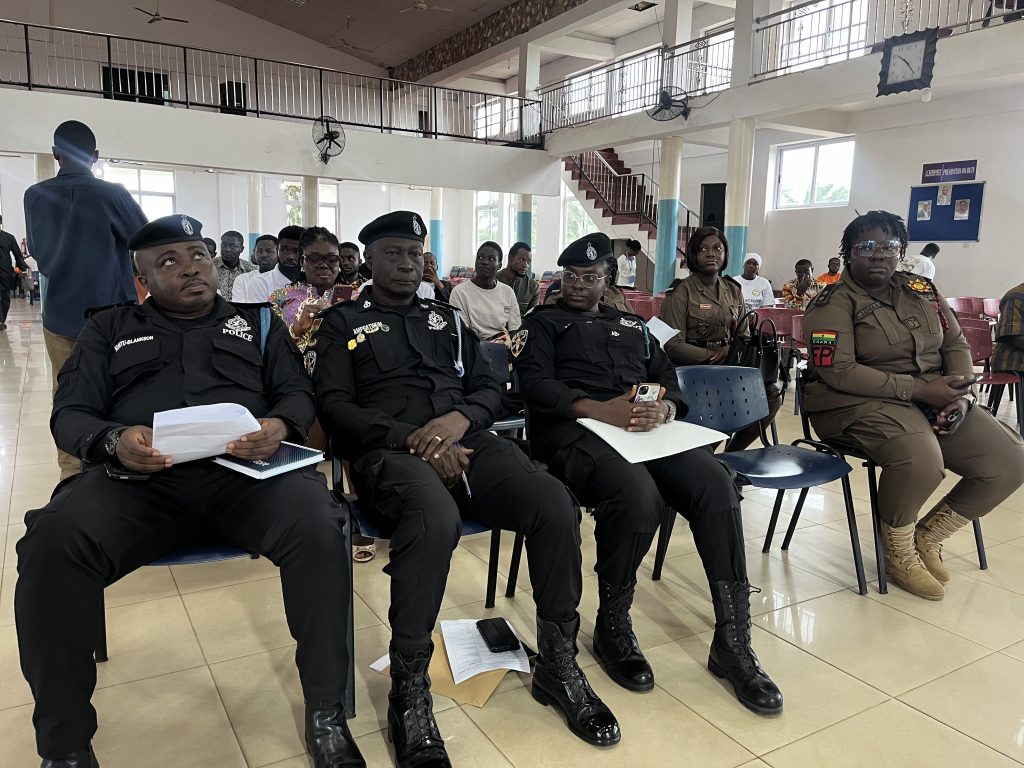
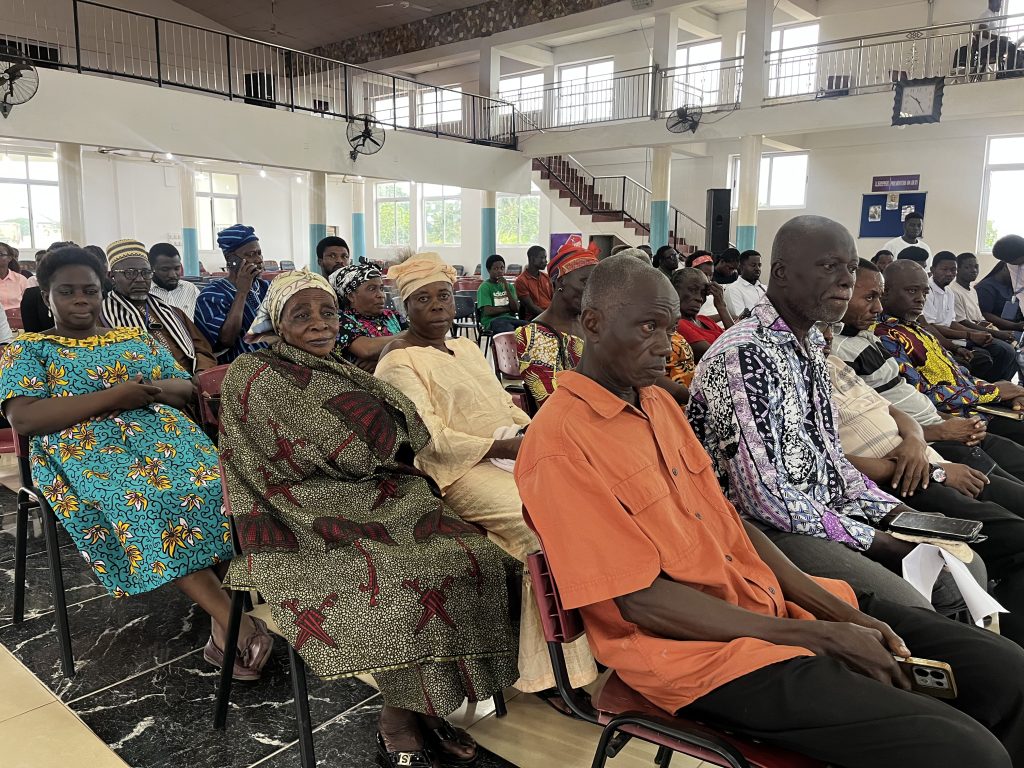
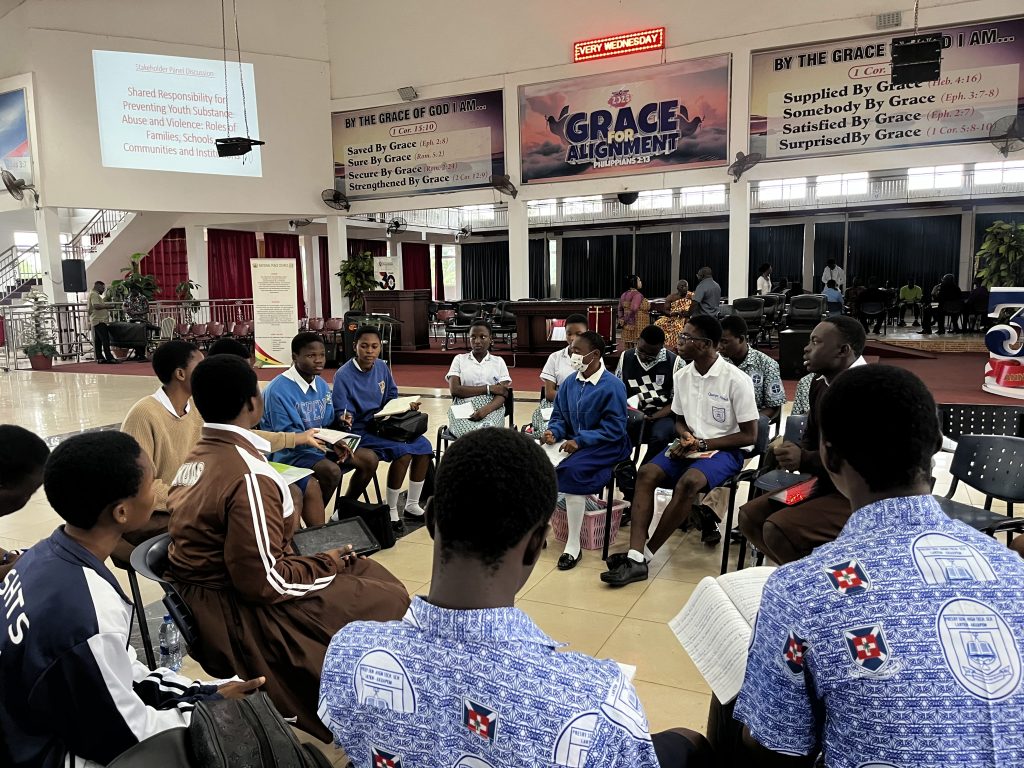
The dialogue brought together traditional authorities, security agencies, health professionals, local government institutions, educational authorities, religious leaders, youth representatives, civil society organisations, and community stakeholders to strengthen collaboration and develop practical strategies to prevent substance abuse and its associated security challenges.
The initiative, supported by SSNIT, was aimed at increasing awareness of the relationship between substance abuse, violence, crime, and insecurity, while equipping stakeholders with knowledge on emerging drug trends, trafficking patterns, and high-risk behaviours affecting communities within the Eastern Region.
Delivering the keynote address on the theme “The Future of Our Youth: Why Substance Abuse and Violence Demand Collective Action,” Nana Ansah Sasraku, Mamfehene, emphasised that the future progress of every community depends largely on the choices and wellbeing of its young people.
He noted that substance abuse among the youth is not only a public health concern but also a threat to peace, security, and sustainable development. He explained that drug abuse contributes to criminal activities, school violence, domestic conflicts, and other forms of social instability, making it necessary for all sectors of society to work together to address the challenge.
Nana Ansah Sasraku called for stronger collaboration among traditional authorities, parents, schools, religious organisations, security agencies, health professionals, government institutions, civil society organisations, and young people themselves. He encouraged communities to focus on practical interventions such as mentorship, responsible parenting, youth empowerment, and early prevention initiatives.
The Chairman of the Eastern Regional Peace Council, Prof. Mark Boadu, explained that the AKOBEN Initiative was developed to respond to the increasing challenge of youth substance abuse and its impact on peace, security, and community development.
He stated that the theme, “Vigilance, Awareness and Action: Building a Drug-Resistant Generation,” highlights the shared responsibility of stakeholders in protecting young people from substance abuse. He encouraged participants to actively engage in the discussions and apply the knowledge gained to support safer, more resilient, and drug-resistant communities across the region.
During the programme, the Ghana Health Service Psychology Unit delivered a presentation on “Understanding Drug Abuse and Its Implications: The Role of Substance Use in Violence and Insecurity.” The presentation highlighted how substance abuse affects judgement, emotional regulation, and behaviour, often increasing the risk of violence, crime, and social instability.
Participants were educated on factors contributing to youth involvement in substance abuse, including peer pressure, unemployment, family challenges, poverty, and easy access to drugs. The session also emphasised the need for stronger prevention measures, counselling and rehabilitation services, family support systems, school guidance programmes, and youth empowerment initiatives.
The Narcotics Control Commission (NACOC) also delivered a presentation on “Emerging Drug Trends, Trafficking Patterns and High-Risk Behaviours among Youth in the Eastern Region.” The presentation highlighted emerging patterns of substance abuse, including the misuse of cannabis, cocaine, heroin, tramadol, diazepam, codeine-based substances, shisha, electronic vapes, and drug-laced foods and drinks.
Participants were encouraged to strengthen collaboration among security agencies, traditional authorities, schools, local assemblies, and community members to improve intelligence sharing, early intervention, and community-based prevention efforts.
A third presentation examined community safety, violent behaviour, and the security implications of drug abuse, highlighting the connection between substance abuse and incidents such as assault, theft, domestic violence, school-related conflicts, and other forms of criminal behaviour.
Participants were reminded that sustainable community safety requires not only enforcement measures but also prevention, early intervention, rehabilitation, reintegration, and strong partnerships among stakeholders.
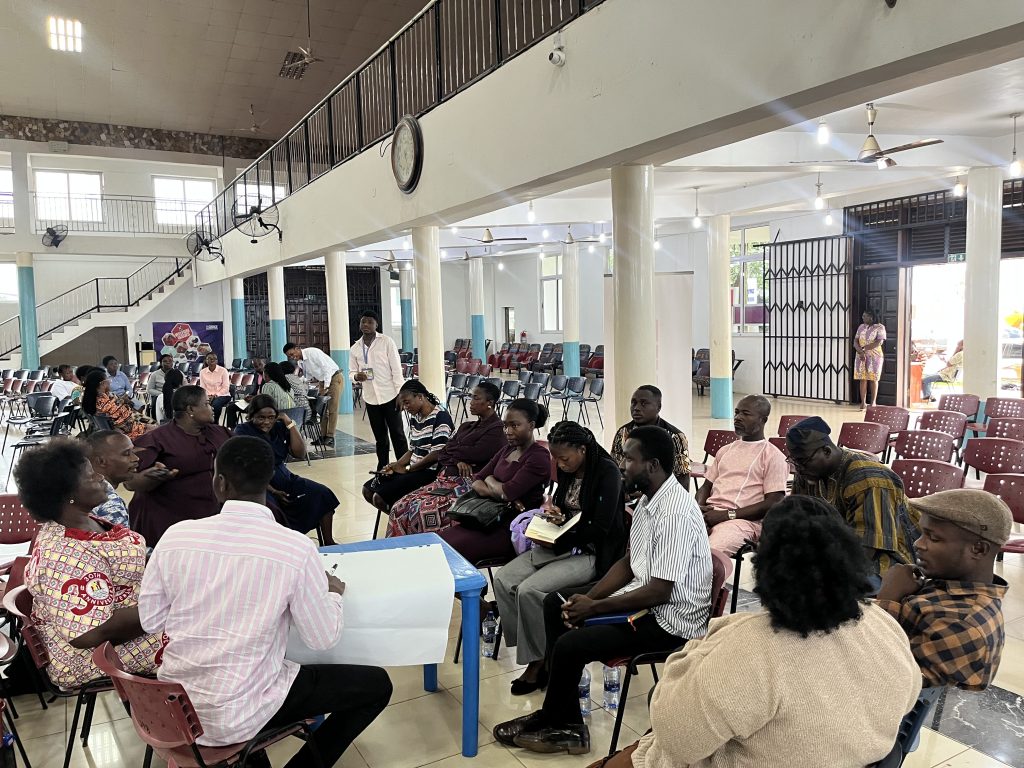
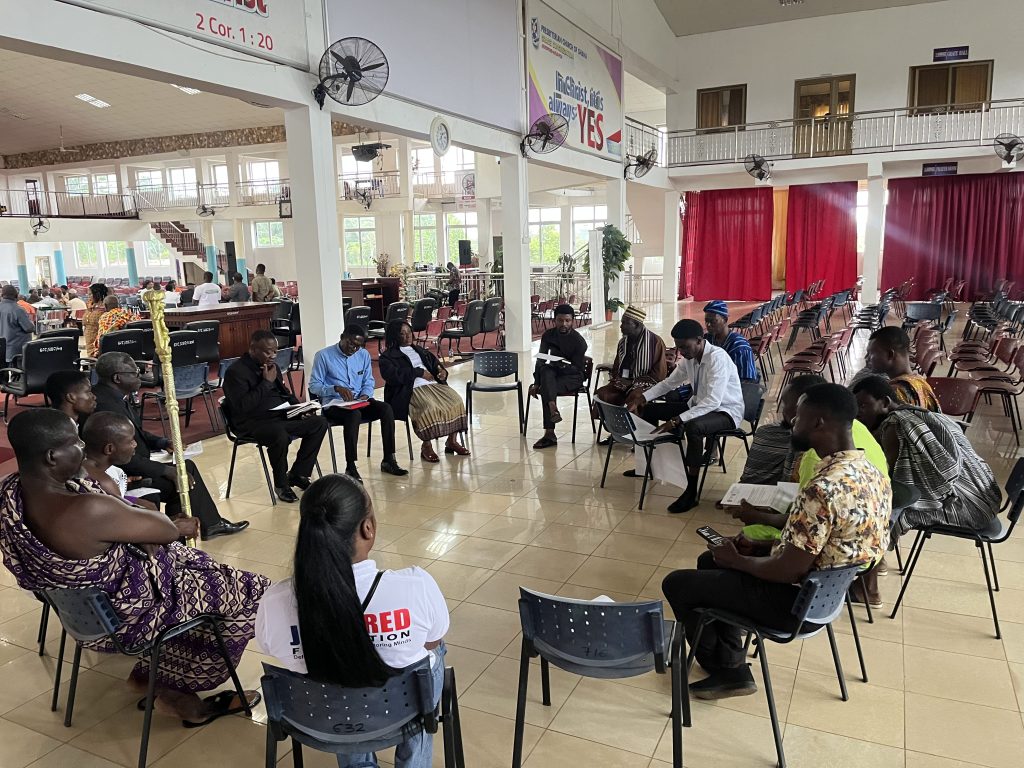
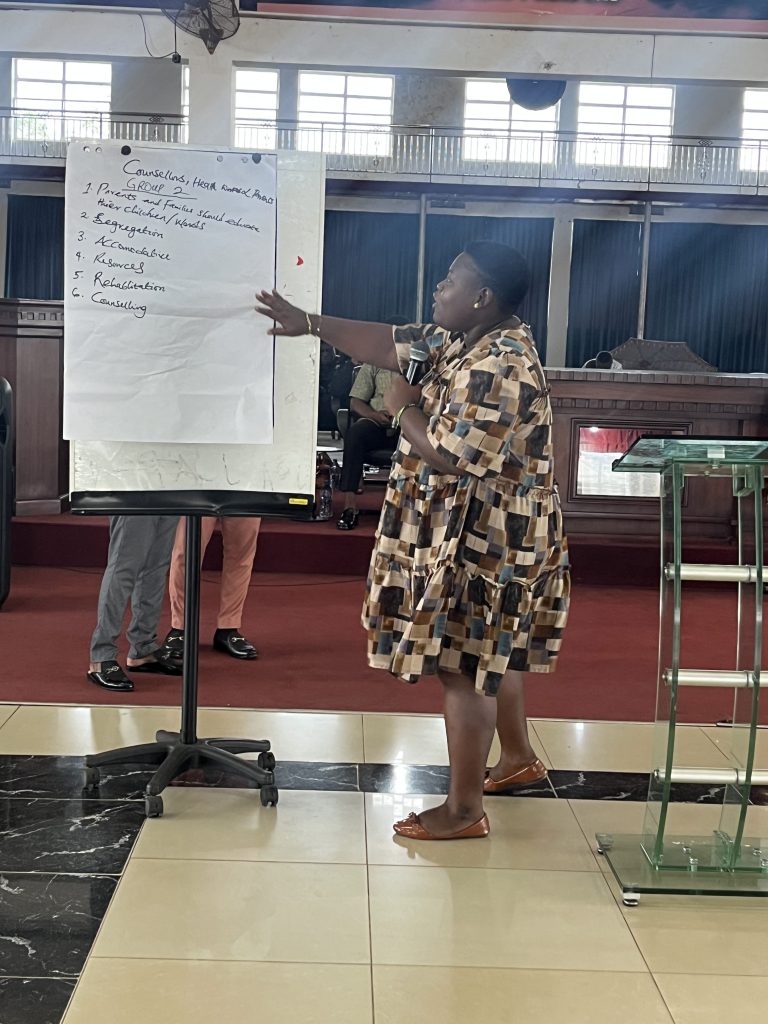
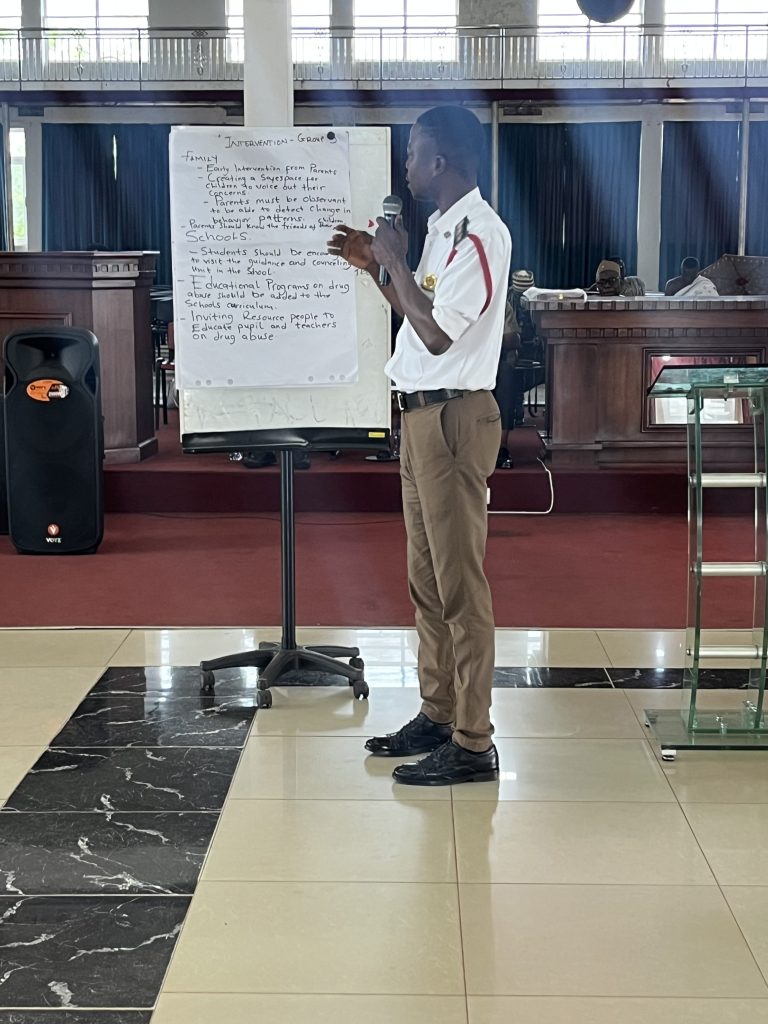
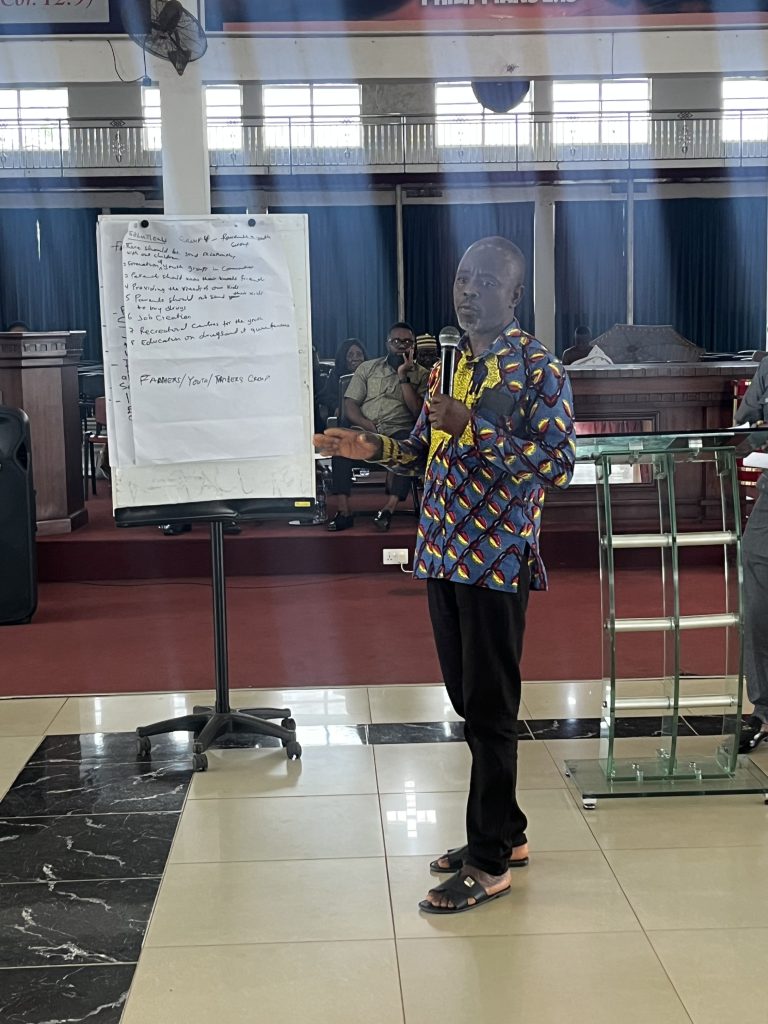
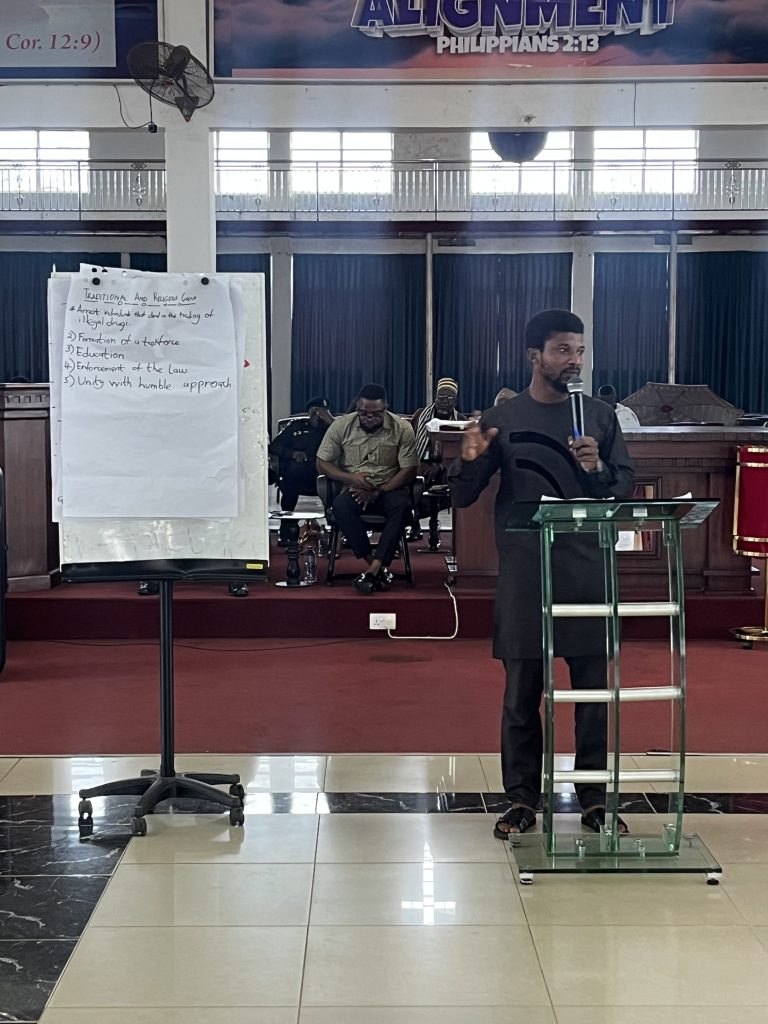
As part of the programme, participants engaged in a district action planning exercise where representatives from various sectors identified key substance abuse challenges within their communities, mapped available resources, and proposed practical interventions to strengthen prevention, awareness creation, rehabilitation, stakeholder collaboration, and community monitoring.
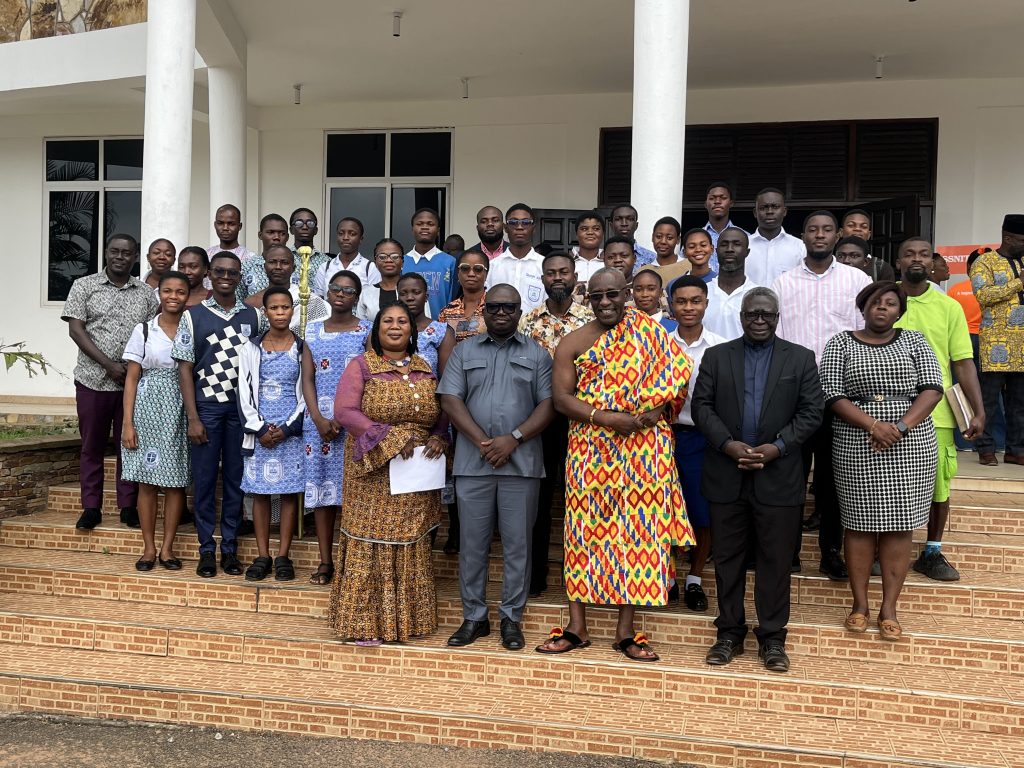
The dialogue brought together approximately 200 participants, including traditional authorities, government officials, security personnel, health professionals, educators, religious leaders, youth representatives, and community leaders.
The programme strengthened stakeholder collaboration and enhanced knowledge on substance abuse prevention, violence reduction, and community safety. It forms part of the Eastern Regional Peace Council’s broader efforts under the AKOBEN Initiative to strengthen local peace structures, promote community resilience, and mobilise collective action towards building safer and more peaceful communities across the Eastern Region.