Community Dialogue Promotes Peaceful Coexistence Between Fulbe Herders And Farmers In Savannah Region
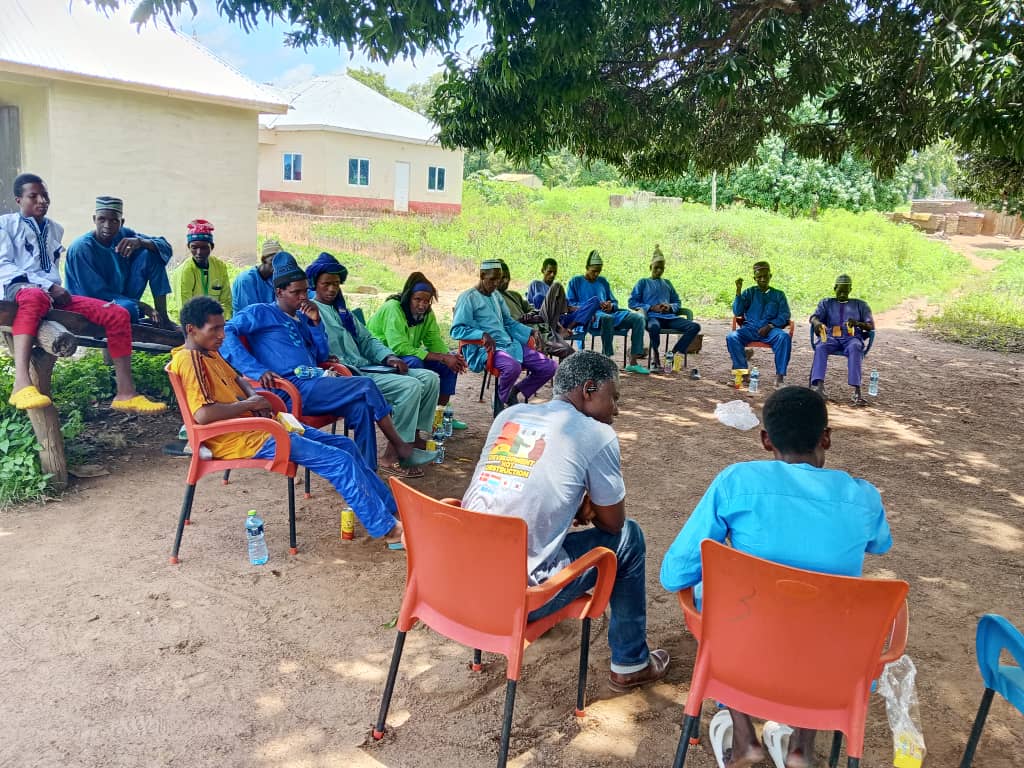
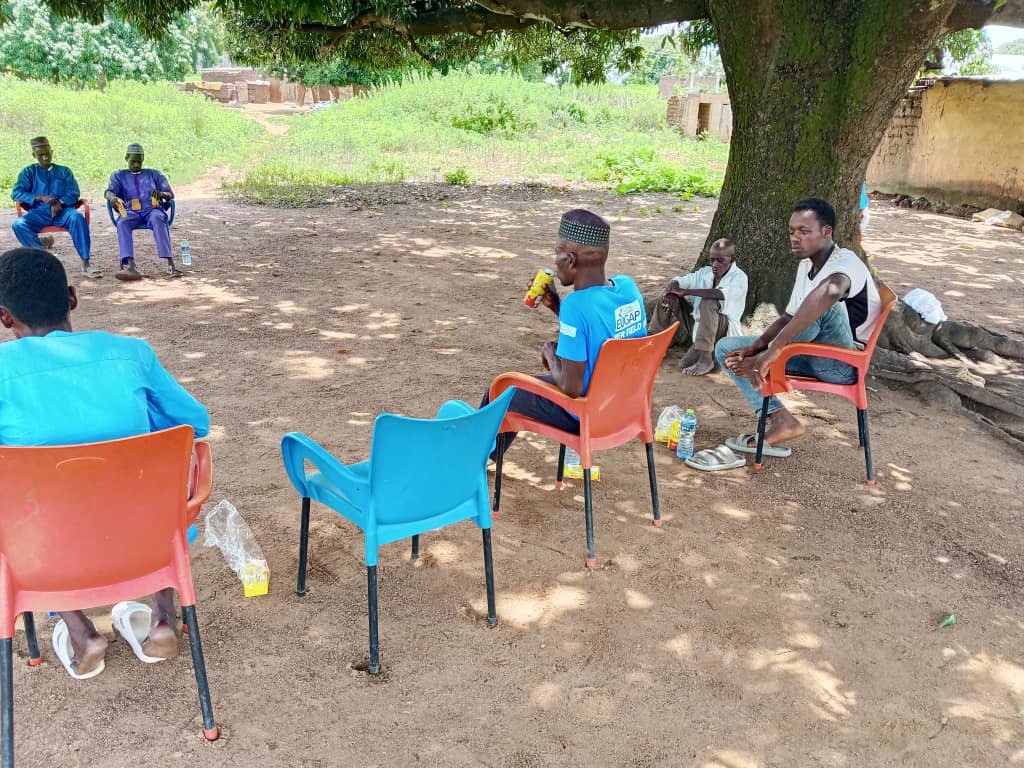
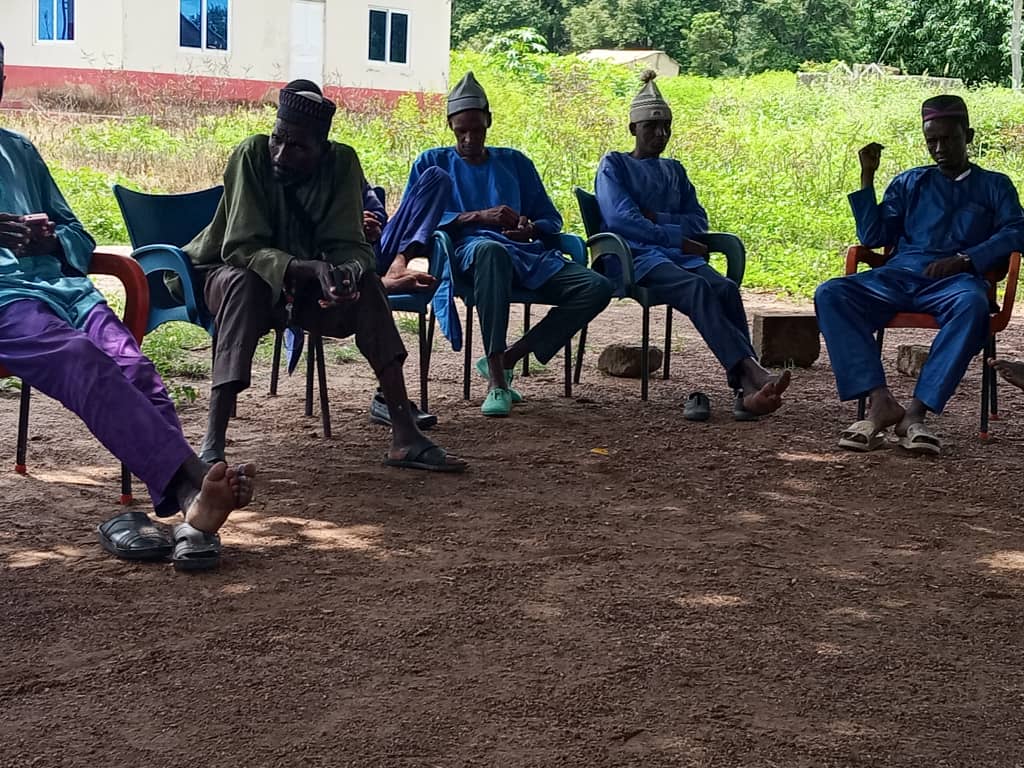
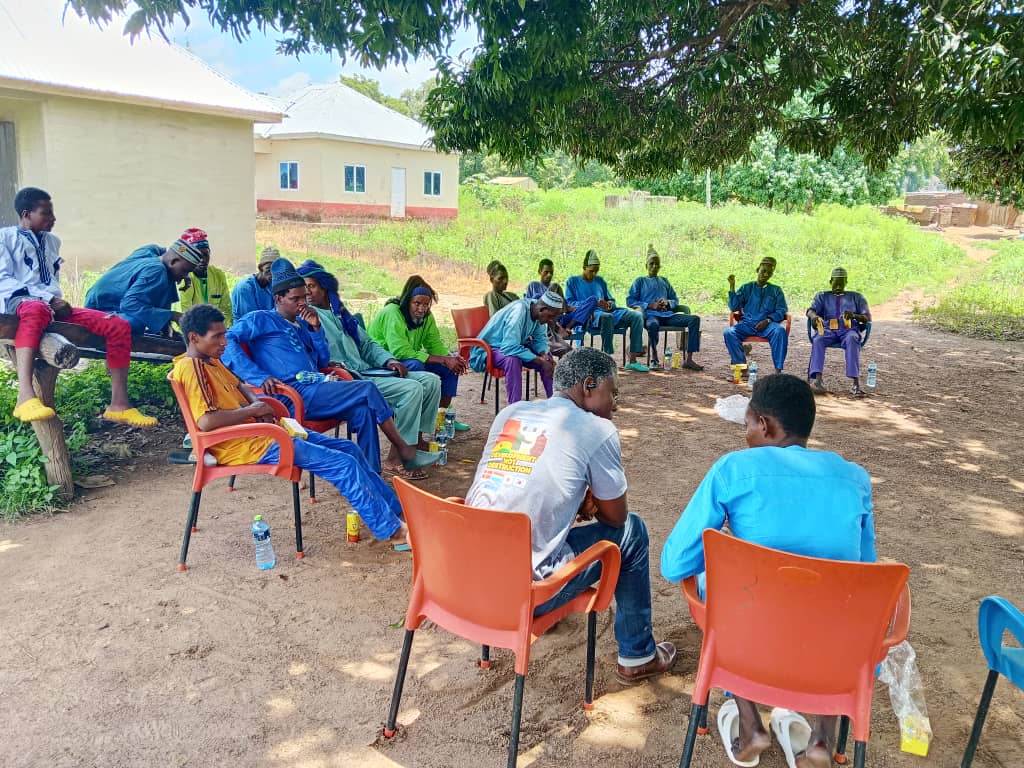
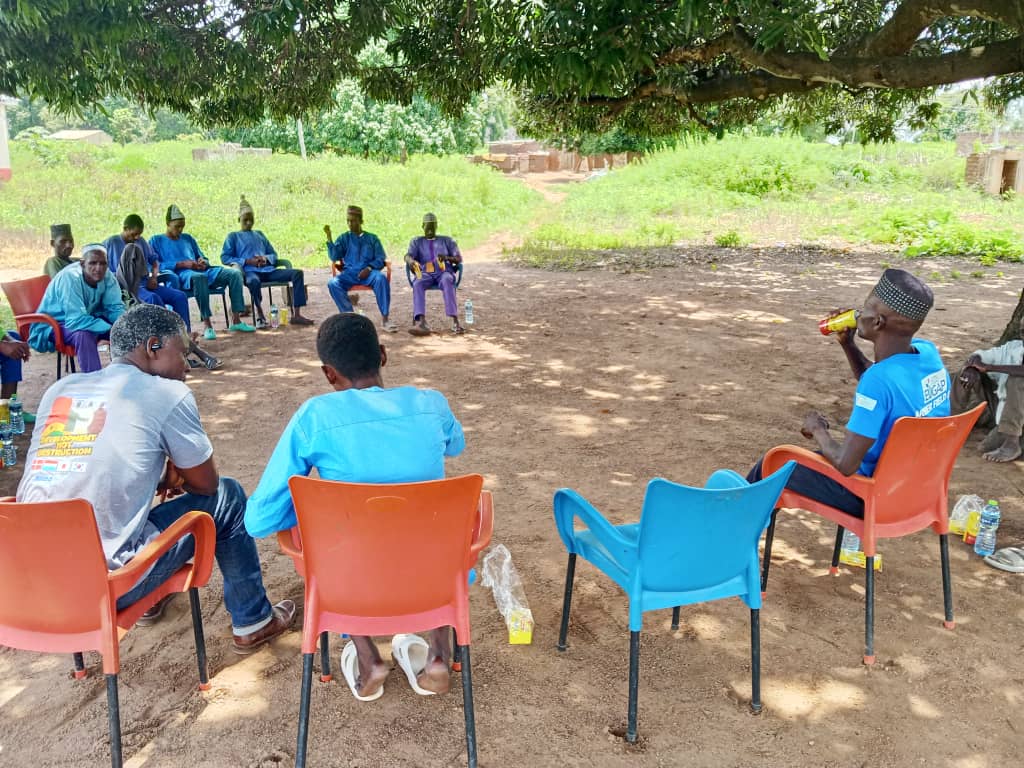
The Savannah Regional Peace Council has engaged members of the Fulbe herding community in a two-day community dialogue aimed at strengthening relationships between Fulbe herders and indigenous farmers and promoting peaceful coexistence.
The dialogue was held on 3 September 2026 in Gbeniyiri and 4 September 2026 in Jelinkon, both within the Sawla/Tuna/Kalba District of the Savannah Region.
Creating Space for Dialogue
The engagement provided a platform for Fulbe herders to share their concerns and experiences while encouraging open dialogue on issues affecting relationships between herders and farmers.
Discussions focused particularly on the need for both groups to understand their respective livelihoods and responsibilities and to adopt practices that minimise tensions and prevent avoidable disputes.
Promoting Responsible Farming and Herding
In his address, the Regional Executive Secretary of the Savannah Regional Peace Council noted that both animal rearing and crop farming serve as important sources of livelihood for communities.
He therefore encouraged both farmers and herders to pursue their livelihoods in ways that do not negatively affect the other.
Particular emphasis was placed on the need for herders to properly manage and supervise their livestock to minimise incidents of crop destruction, which have contributed to tensions between Fulbe herders and farmers.
The Regional Executive Secretary also encouraged the Fulbe community to avoid involving school-going children in herding at the expense of their education, and urged families to enrol and keep such children in school.
Building Stronger Community Relations
The dialogue forms part of efforts by the Savannah Regional Peace Council to address local sources of tension through community engagement, dialogue and preventive peacebuilding.
By creating opportunities for stakeholders to listen to one another, understand shared concerns and identify practical ways of reducing conflict, the initiative seeks to contribute to peace, harmony and stronger relationships between farming and herding communities.
Peaceful coexistence begins with understanding, responsibility and dialogue.