Strengthening Traditional And Local Governance For Peace And Development In Adonten
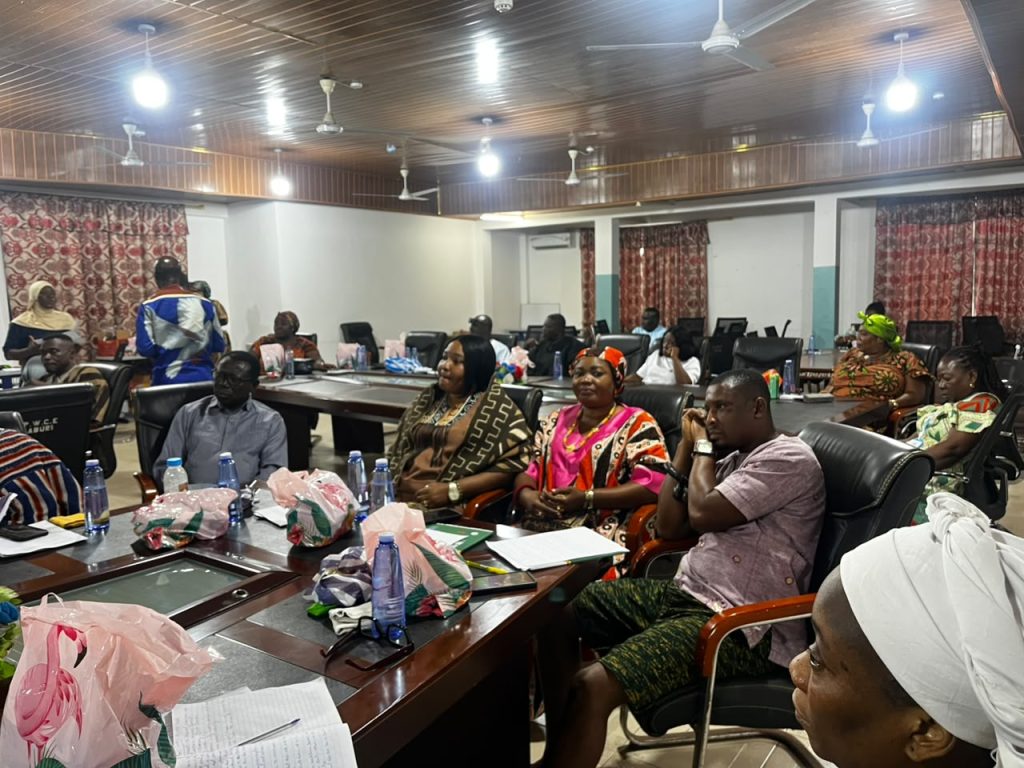
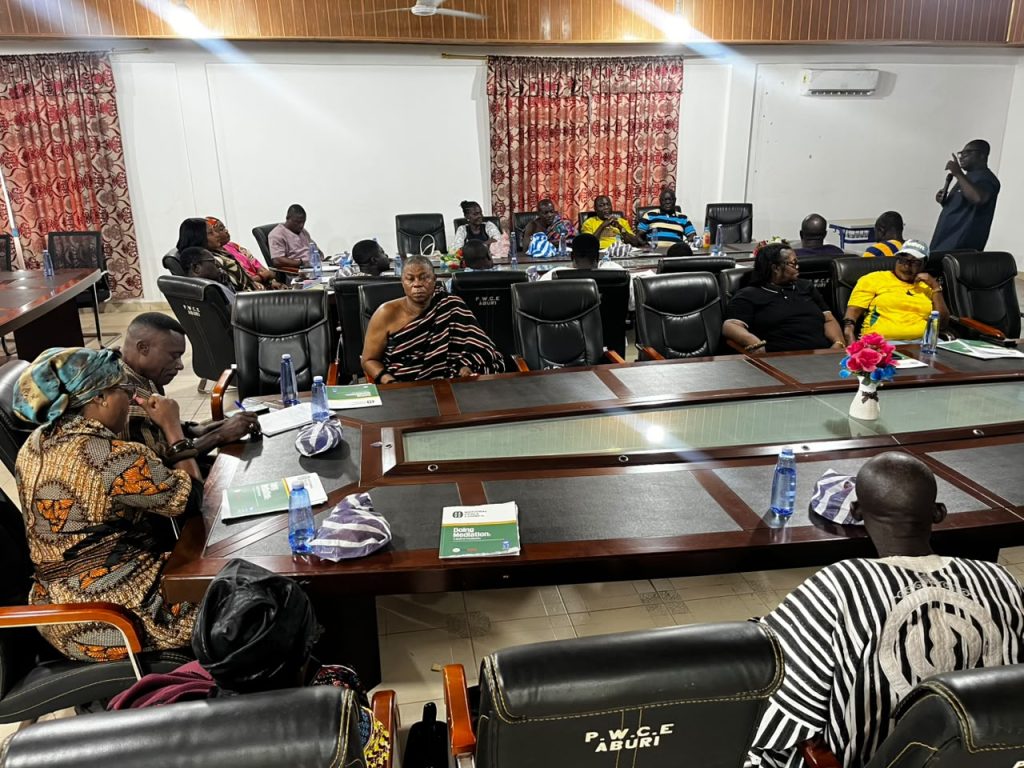
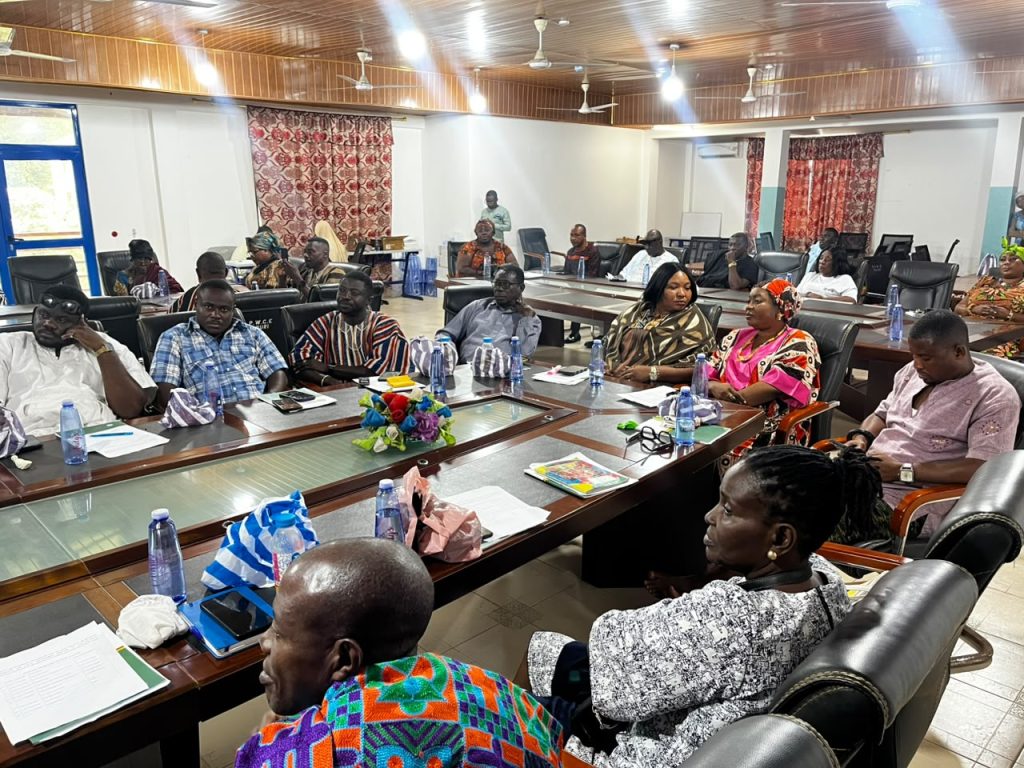
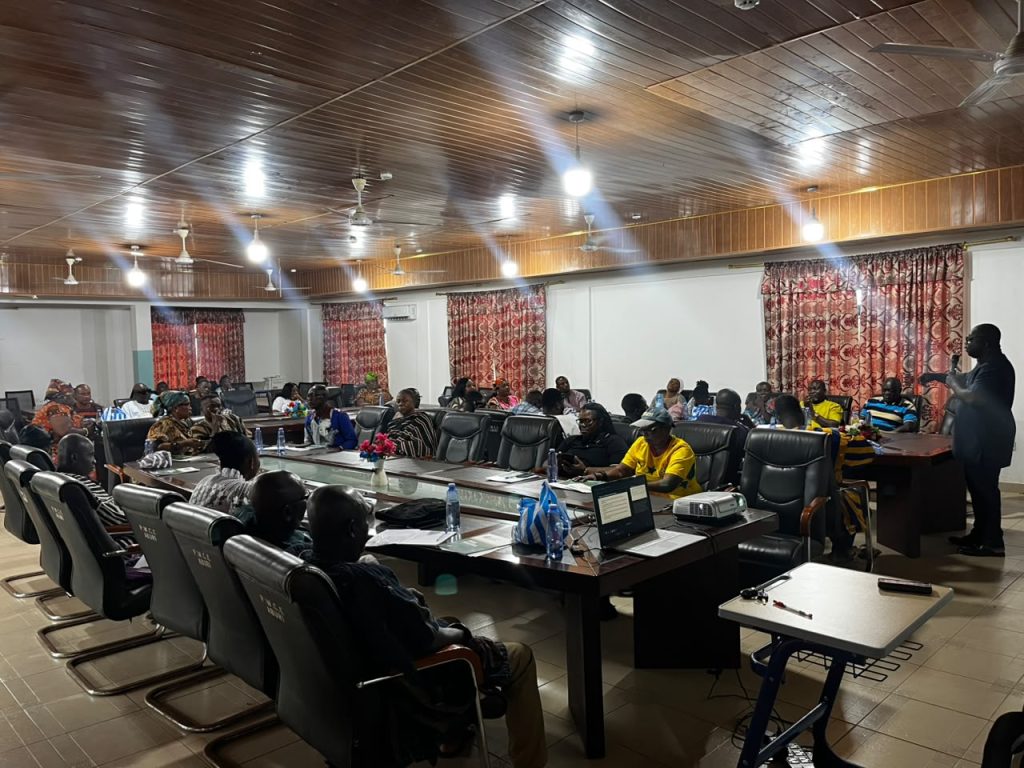
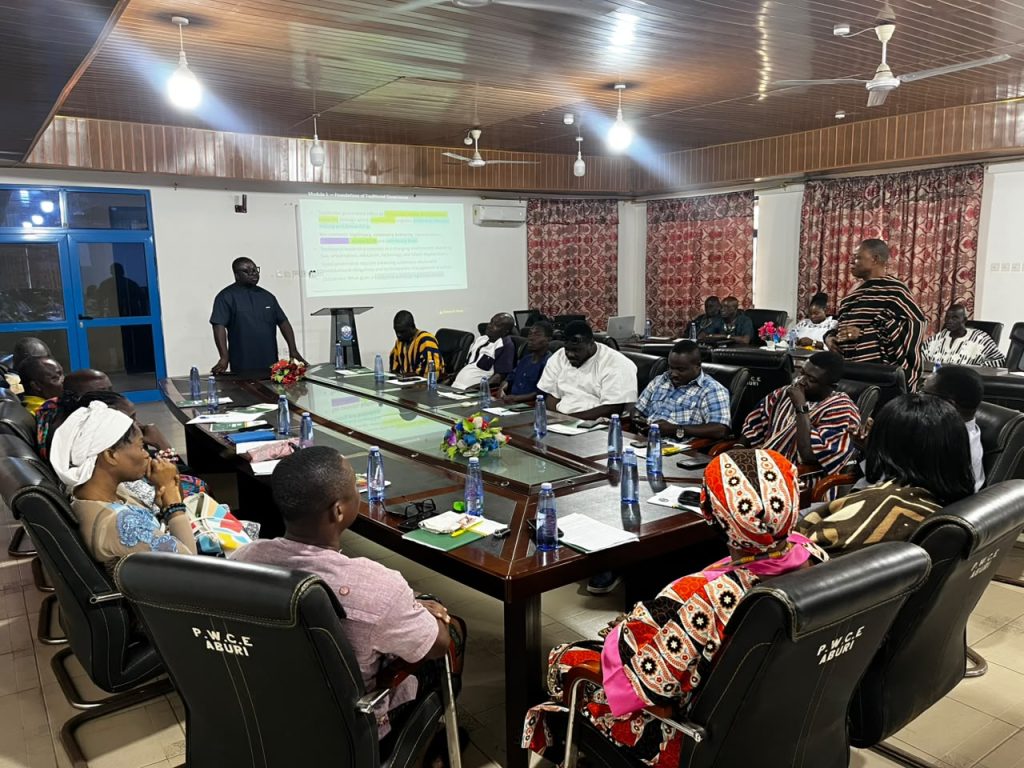
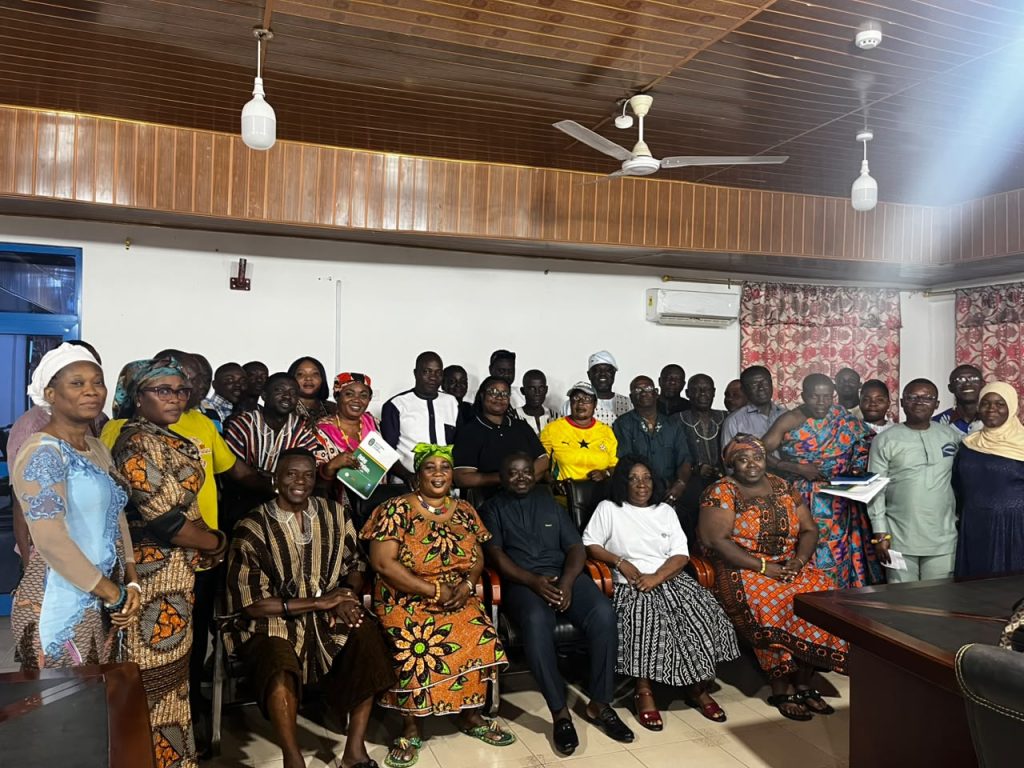
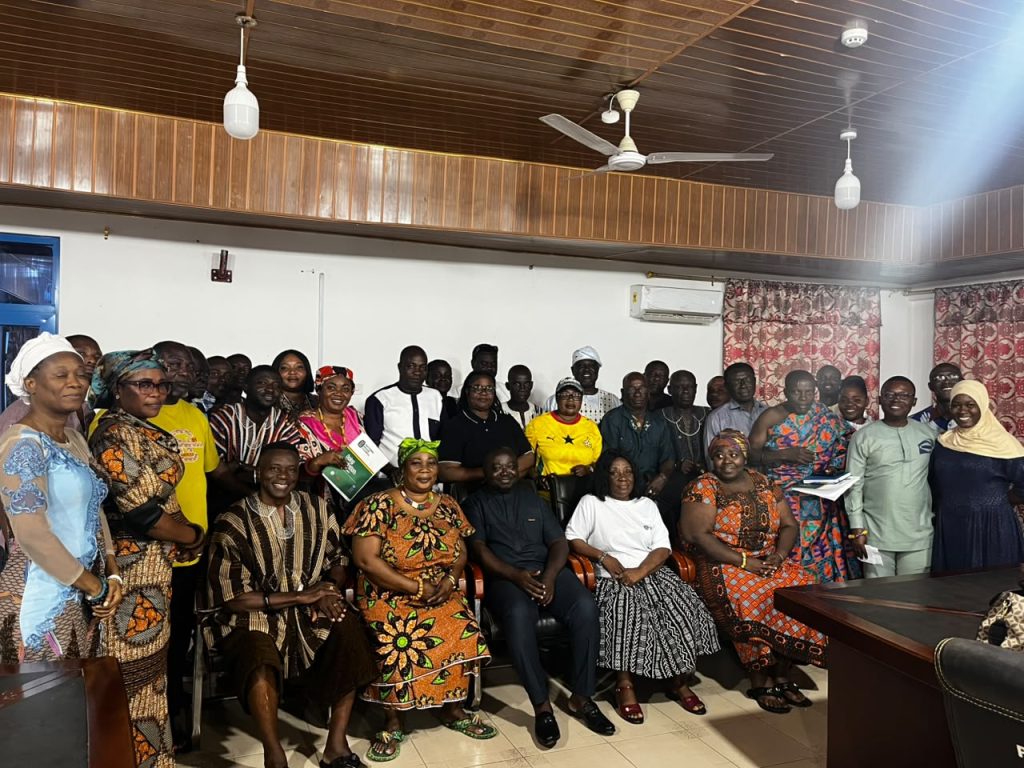
The Eastern Regional Peace Council (ERPC), in collaboration with the Akuapem South Municipal Assembly and the Adonten Division of the Akuapem Traditional Council, has organised a two-day capacity development programme for traditional authorities and local government officers.
Held from 17–18 September 2026 at the Presbyterian Women’s Training College, Aburi, the programme was held under the theme:
“Strengthening Traditional and Local Governance Systems in the Adonten Division of the Akuapem Traditional Council.”
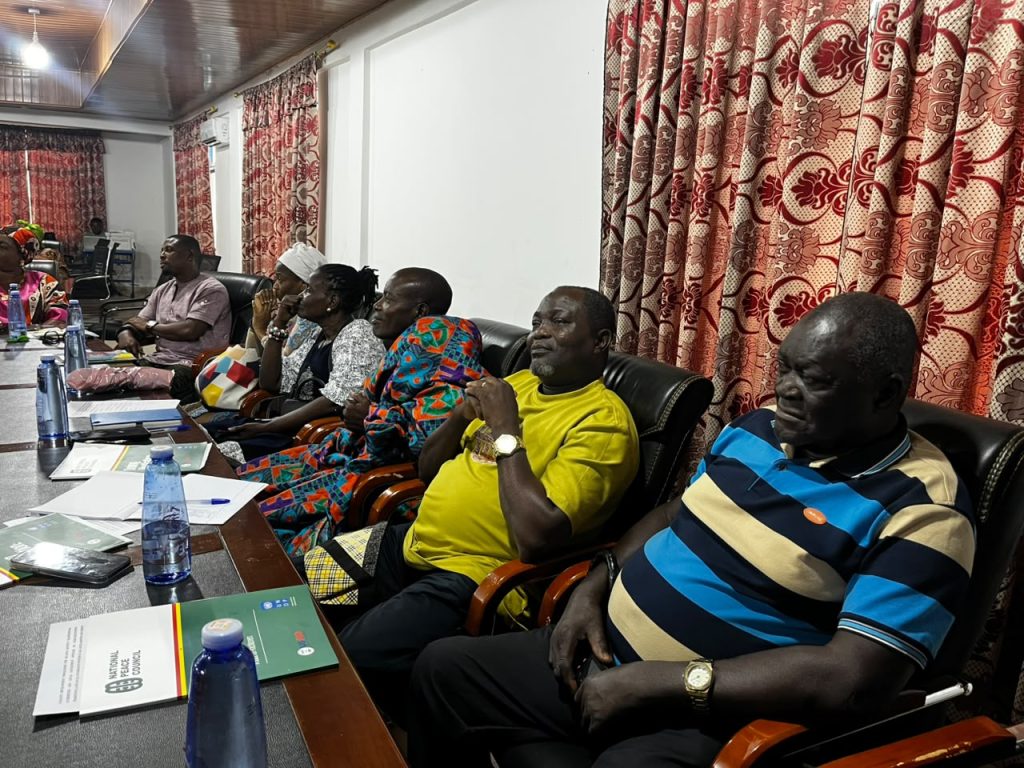
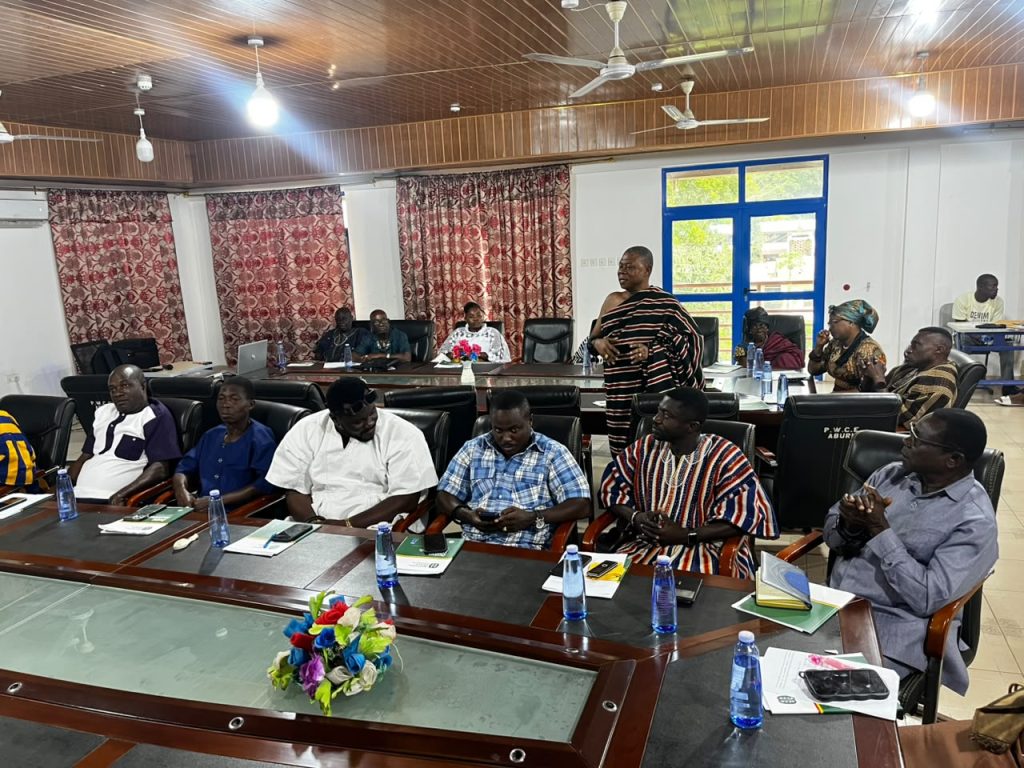
Approximately 40 chiefs, traditional leaders, elders, opinion leaders and staff of the Akuapem South Municipal Assembly participated in the programme.
Strengthening Traditional Adjudication
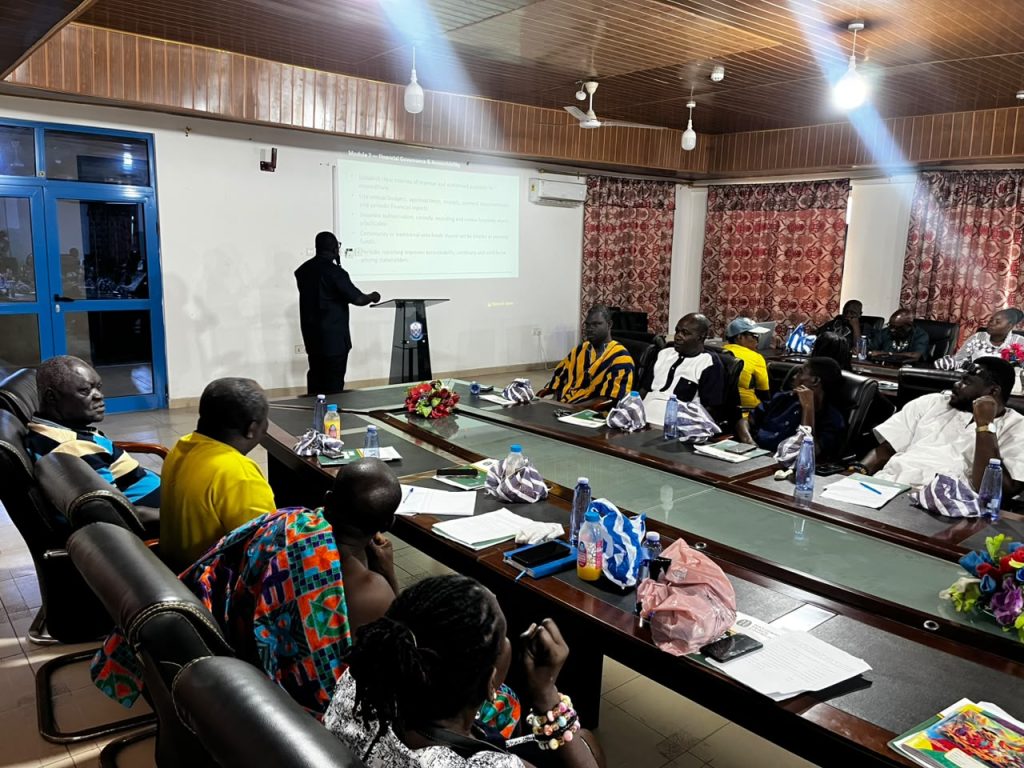
The first day focused on Customary Law, Statutory Provisions, Customary Arbitration and the Principles of Natural Justice in Traditional Adjudication.
Lawyer Alex Nartey, Legal Practitioner and Governance Consultant, facilitated the technical sessions, highlighting the important role of customary law while emphasising that its application must be consistent with the Constitution and laws of Ghana.
Participants examined the importance of fairness, impartiality, due process and respect for fundamental rights when traditional authorities handle disputes.
The session also explored customary arbitration as a means of resolving community disputes through mediation, negotiation, reconciliation and dialogue.
Particular emphasis was placed on the principles of natural justice, including ensuring that parties have an opportunity to be heard, decisions are made impartially and conflicts of interest are avoided.
The discussions also examined the role of traditional authorities in land management, investment promotion, environmental protection, youth empowerment and resource mobilisation, highlighting the importance of collaboration with local government institutions.
Traditional Institutions and Local Development
On the second day, Prof. Mark Boadu, Chairman of the Eastern Regional Peace Council, led sessions on Governance, Local Economic Development, Investment and Entrepreneurship, and Sustainable Community Development.
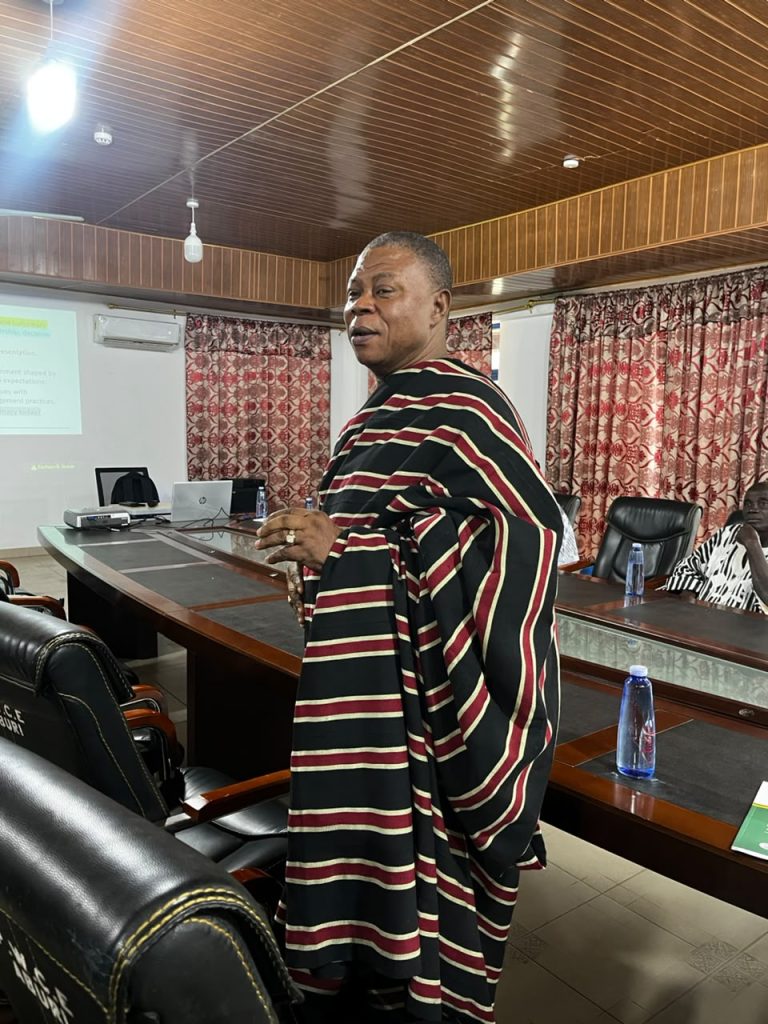
Prof. Boadu emphasised the complementary roles of traditional authorities and local government institutions in promoting peace and sustainable development.
He encouraged traditional leaders to leverage their close relationships with communities to help create an enabling environment for local businesses, investment, entrepreneurship and economic opportunities.
Participants explored practical approaches to identifying and supporting local economic opportunities while strengthening collaboration with the Akuapem South Municipal Assembly in planning and implementing development initiatives.
Discussions on investment and entrepreneurship highlighted the importance of responsible land management, community engagement, youth empowerment and institutional partnerships in creating an environment conducive to sustainable economic activity.
Promoting Sustainable Community Development
The programme also emphasised the importance of responsible resource management, inclusive participation, accountability, environmental considerations and long-term community planning.
Participants were encouraged to work closely with the Municipal Assembly and other stakeholders to ensure that development initiatives respond to community needs and deliver lasting benefits.
In his address, Prof. Mark Boadu stressed the importance of strengthening collaboration between traditional authorities and local government institutions, noting that traditional leaders remain key stakeholders in community governance and require the necessary capacity and partnerships to respond effectively to emerging social and economic challenges.
He encouraged participants to apply the knowledge gained to strengthen governance structures, promote peaceful coexistence, support local economic development and create opportunities for investment and entrepreneurship within their communities.
Building Stronger Partnerships for Peace and Development
The two-day programme provided a platform for traditional leaders and local government officers to share experiences, examine practical governance challenges and identify approaches for strengthening collaboration.
By bringing together traditional authority and local government, the programme contributes to stronger dispute resolution mechanisms, more effective governance and a shared approach to sustainable community development.
The initiative demonstrates the importance of combining traditional knowledge, statutory governance, peacebuilding and local development to build resilient communities.