Eastern Regional Peace Council Engages Abuakwa North Municipal Leaders on Strategies for Sustaining Peace
The Eastern Regional Peace Council has engaged political and local governance stakeholders in the Abuakwa North Municipality in a dialogue aimed at strengthening collaboration, preventing conflicts, and promoting peaceful coexistence.
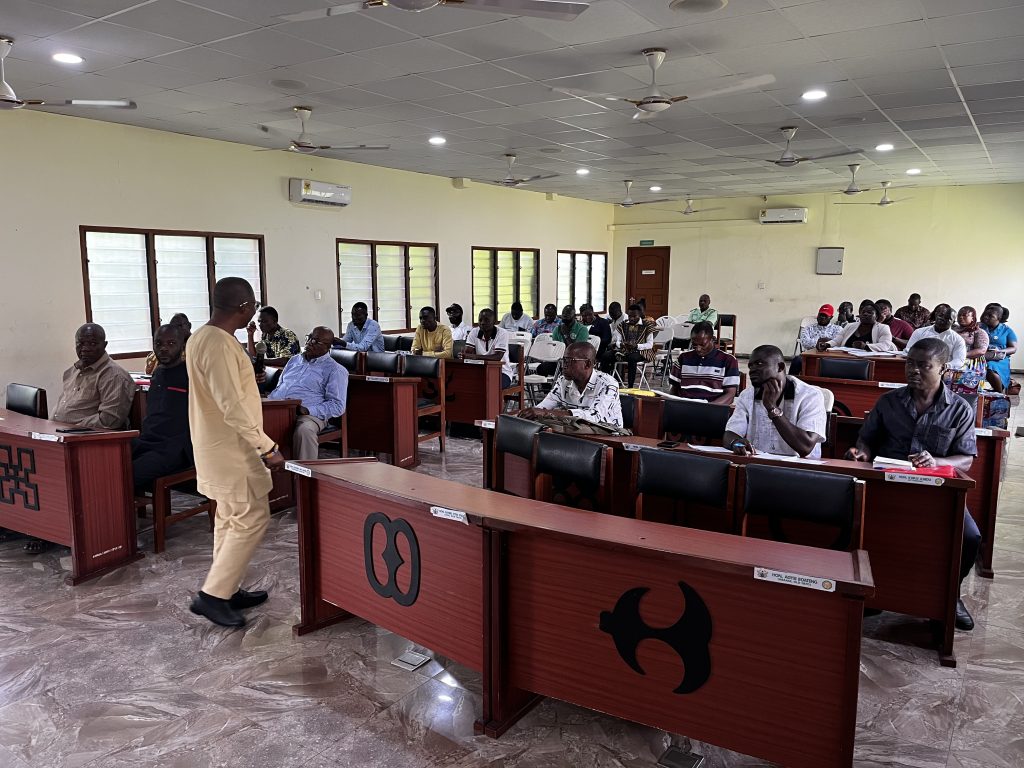
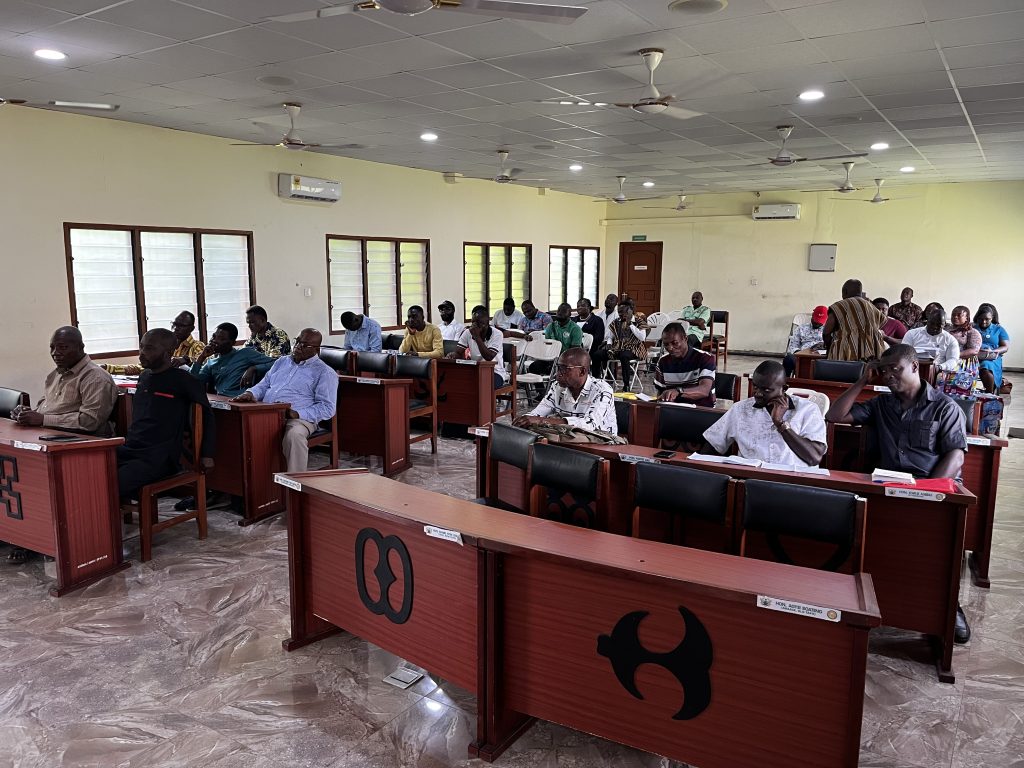
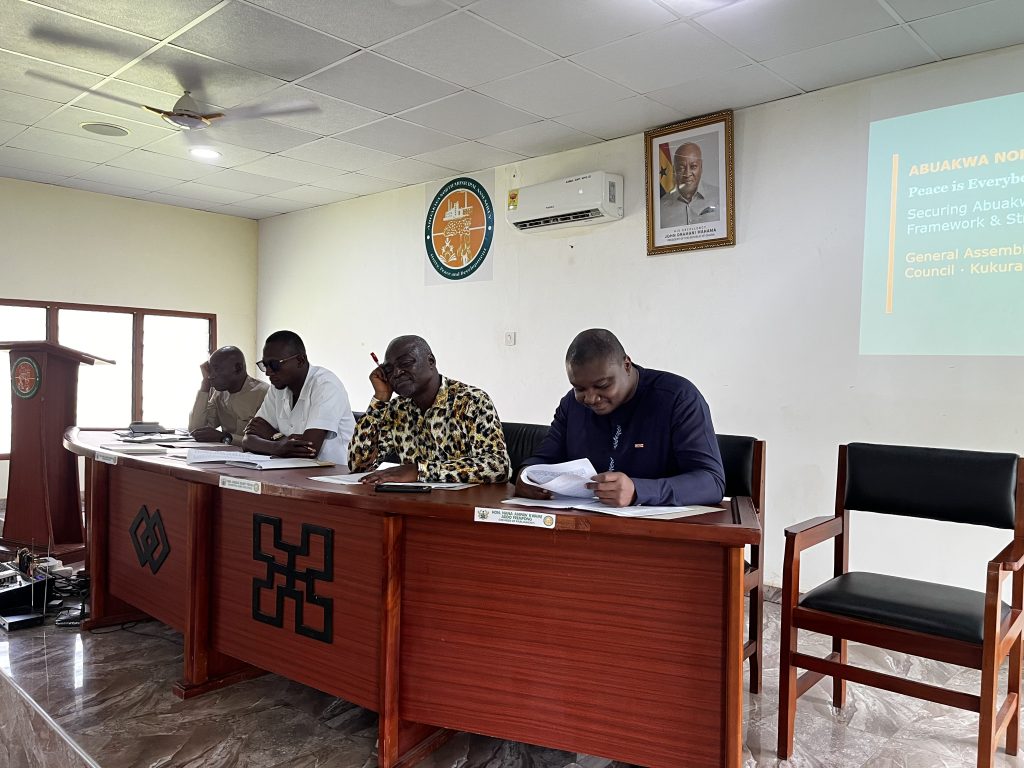
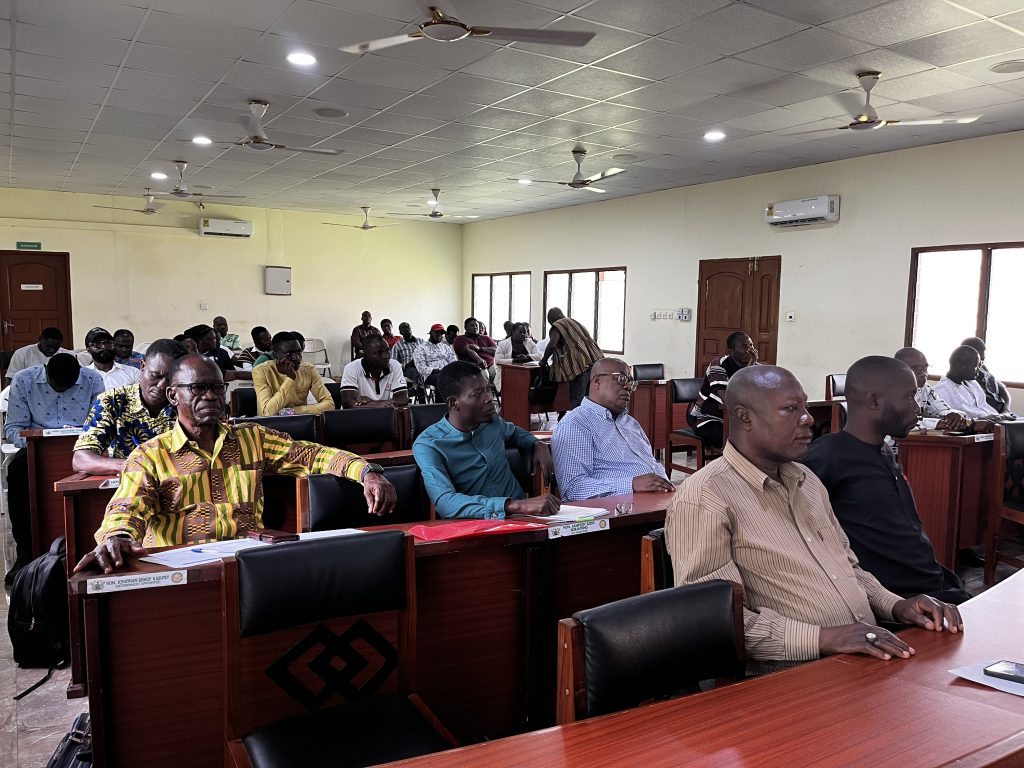
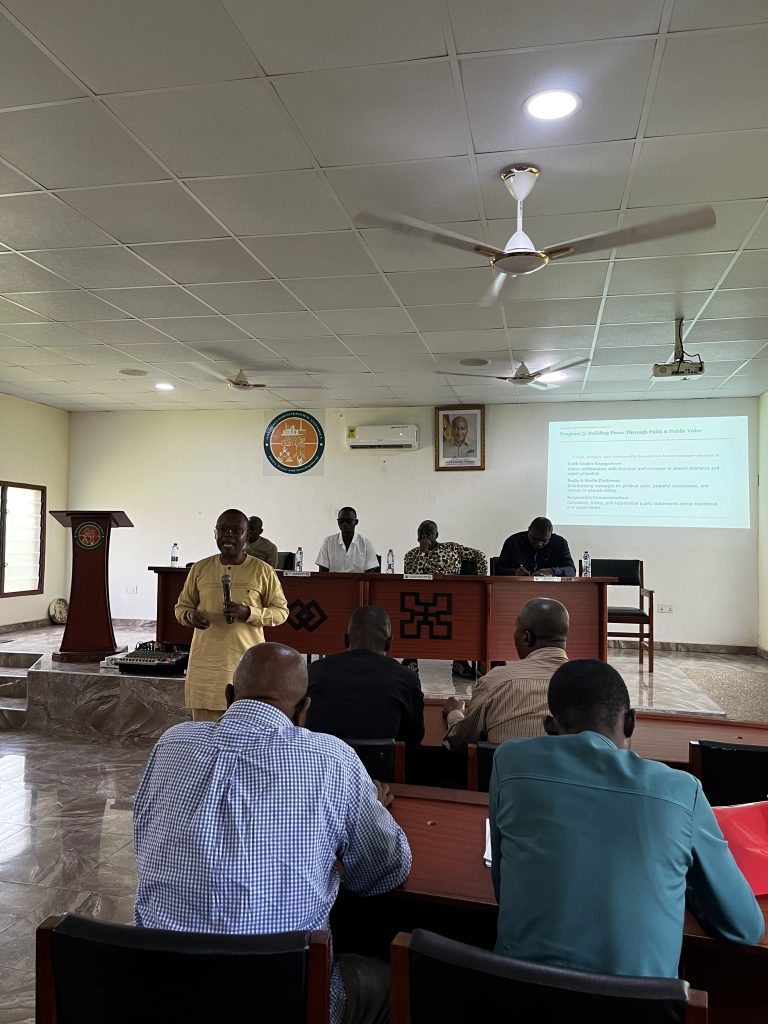
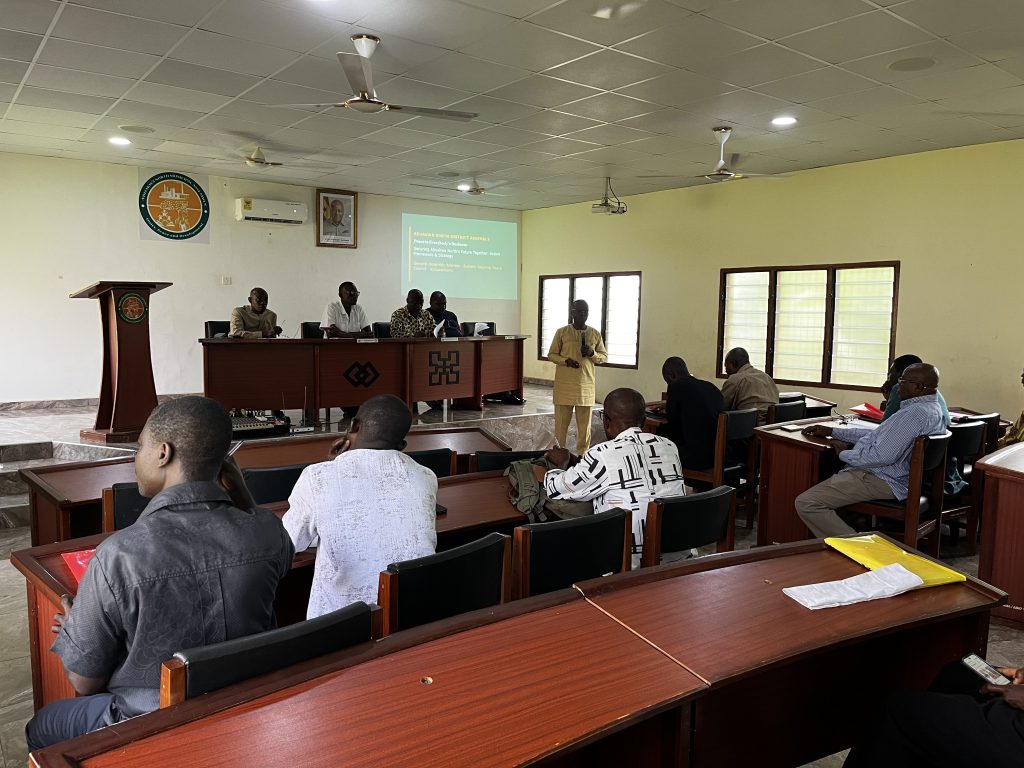
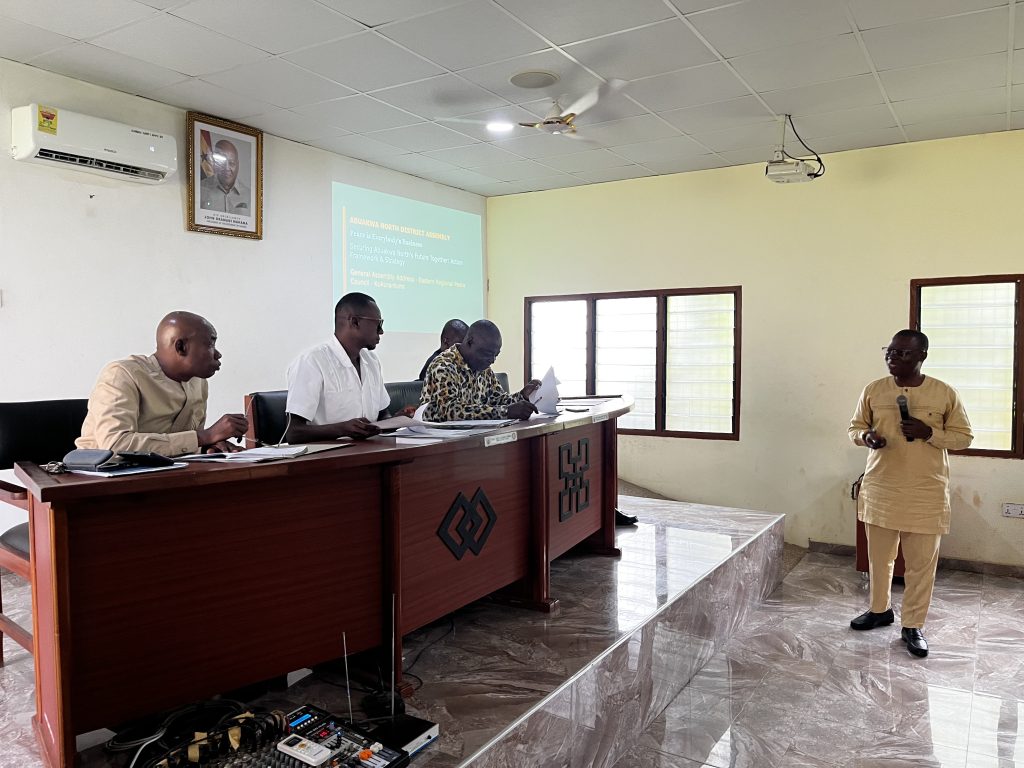
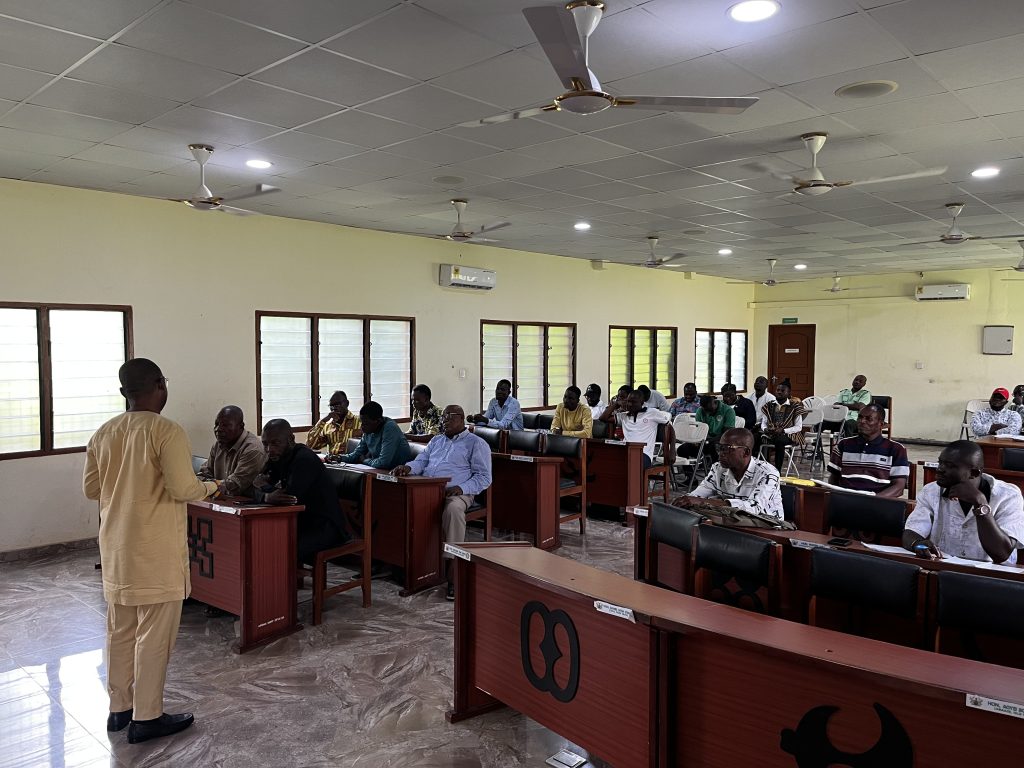
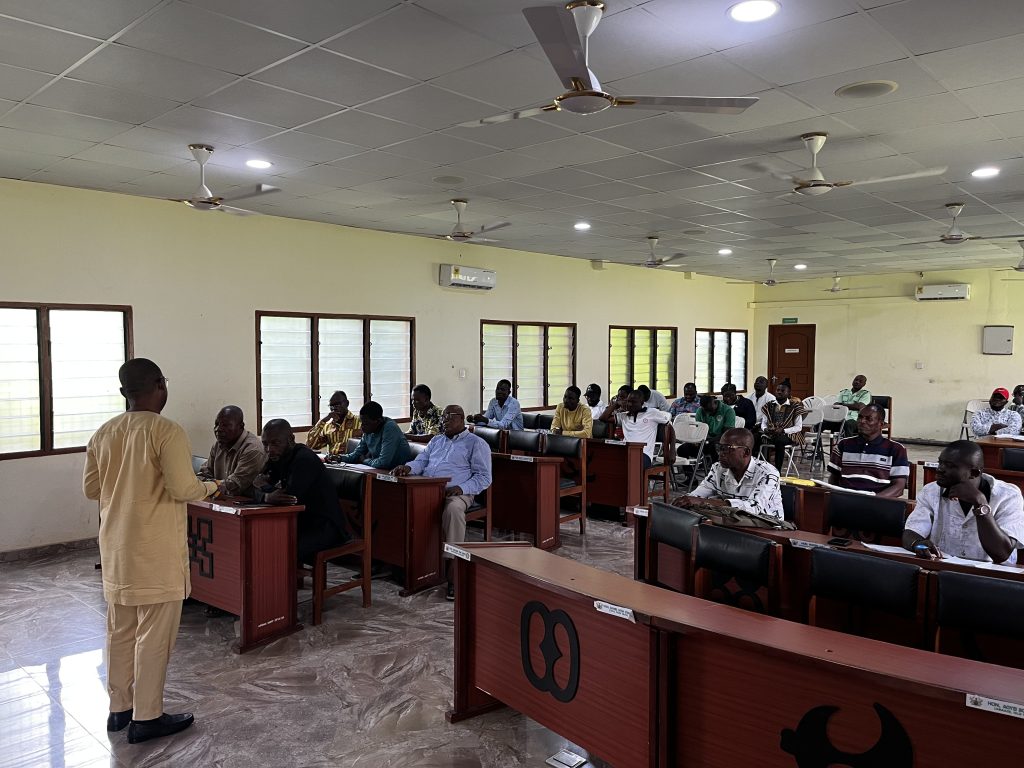
The engagement, held on 26 October 2026 at the Abuakwa North Municipal Assembly Hall, was organised under the theme “Securing Abuakwa North’s Future Together: Action Framework and Strategy.” It was held in collaboration with the Abuakwa North Municipal Assembly and the Peace Desk Office Unit, bringing together approximately 50 Assembly Members and staff of the Municipal Assembly.
The programme sought to strengthen stakeholder collaboration in peacebuilding, clarify the roles of municipal leadership and Assembly Members in sustaining peace, and develop practical strategies for the early identification, prevention, and peaceful resolution of conflicts within the Municipality.
Emphasising Collective Responsibility for Peace
Addressing participants, the Executive Secretary of the Eastern Regional Peace Council, Mr. Prince Albert Koomson, emphasised that sustaining peace requires the collective commitment and active involvement of all stakeholders. He noted that peace is fundamental to effective local governance, community development, and the overall wellbeing of residents.
Mr. Koomson highlighted the important responsibilities of the Municipal Chief Executive, Presiding Member, and Assembly Members in identifying potential sources of conflict, addressing community grievances, promoting dialogue, and facilitating the peaceful resolution of disputes.
He particularly encouraged Assembly Members to maintain close relationships with their constituents, listen to their concerns, and work collaboratively with relevant stakeholders to prevent disagreements and local tensions from escalating into conflicts.
Strengthening Local Conflict Prevention Mechanisms
The Executive Secretary further stressed the need for a coordinated action framework to guide stakeholders in identifying emerging threats to peace, responding to community tensions, and strengthening local conflict prevention mechanisms.
He urged municipal leaders and Assembly Members to demonstrate leadership, fairness, transparency, and commitment to the collective interest of the Municipality.
He also reaffirmed the Eastern Regional Peace Council’s readiness to collaborate with local governance structures and communities in addressing conflict-related concerns, including boundary disputes and other pressing issues affecting communities within the Municipality.
Promoting Collaboration Between Local Government and Communities
The engagement provided a platform for participants to deliberate on the responsibilities of municipal leadership and Assembly Members in sustaining peace and strengthening peaceful relationships among residents.
Discussions focused on addressing community grievances, improving communication between local authorities and constituents, and ensuring that conflict prevention and peacebuilding are integrated into local governance and development activities.
Particular emphasis was placed on the role of Assembly Members as important links between their communities and the Municipal Assembly. Participants were encouraged to identify emerging concerns, facilitate dialogue, and support peaceful approaches to resolving local disputes.
Key Stakeholders in Attendance
The programme was attended by the Municipal Chief Executive of Abuakwa North, Mr. Charles Darko Yeboah; the Member of Parliament for Abuakwa North Constituency, Hon. Nana Ampaw Kwame Addo-Frimpong; the Presiding Member of the Municipal Assembly; Assembly Members; and staff of the Municipal Assembly.
The participation of these stakeholders underscored the importance of political leadership and local governance structures in building a coordinated and sustainable approach to conflict prevention and peacebuilding.
Conclusion
The engagement reinforced the importance of collective leadership, effective communication, stakeholder collaboration, and proactive conflict prevention in sustaining peace within the Abuakwa North Municipality.
It further highlighted that sustainable peace requires continuous cooperation between local government structures and the communities they serve. Strengthening these relationships will contribute to social cohesion, effective governance, and an enabling environment for sustainable development across the Municipality.