Ashanti Regional Peace Council Educates Over 500 Students on Vigilantism, Small Arms and Peaceful Coexistence
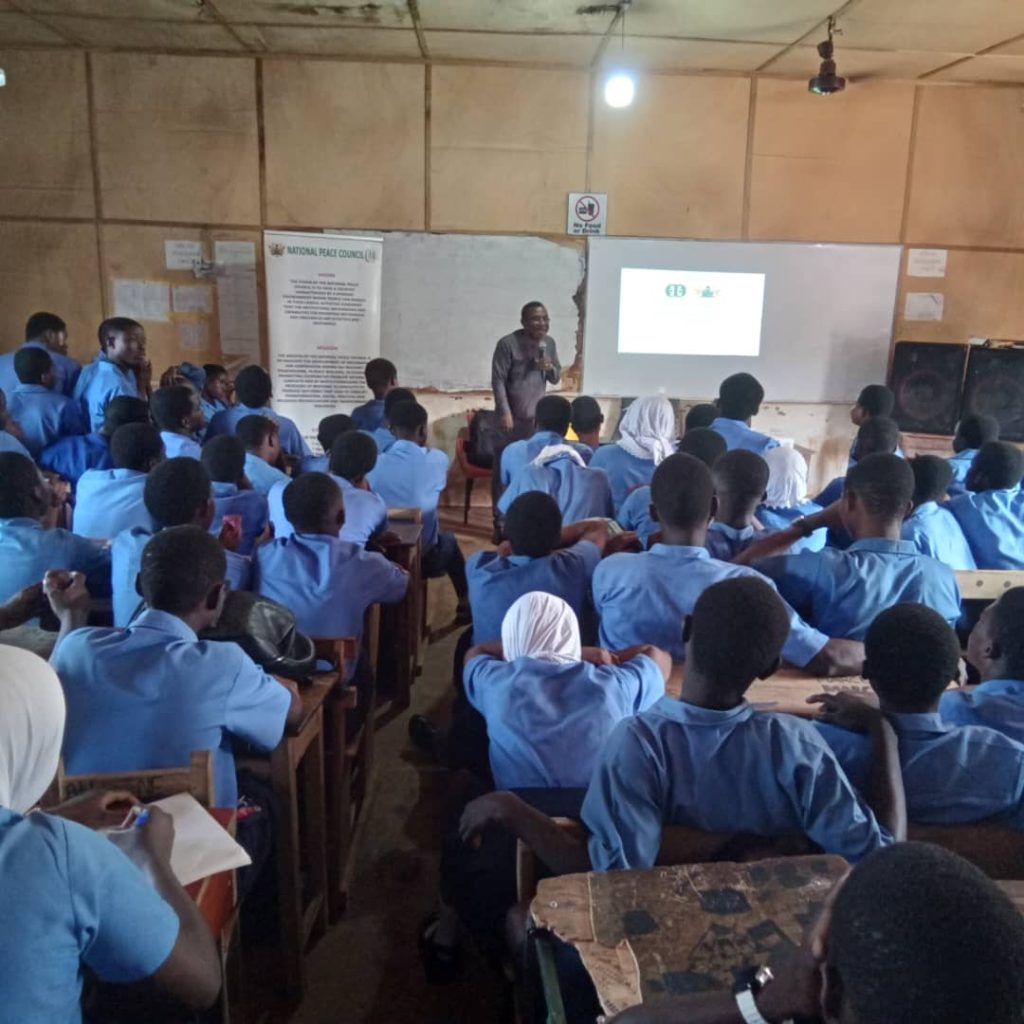
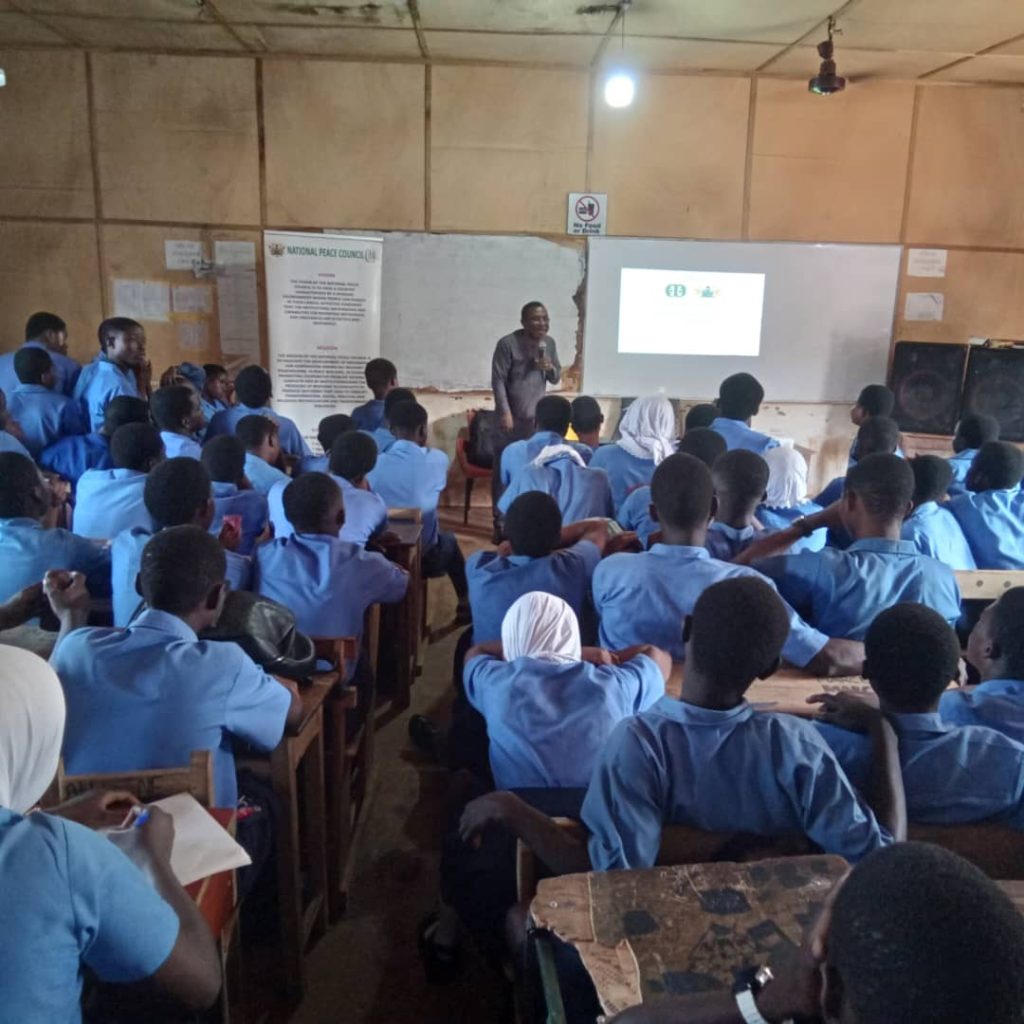
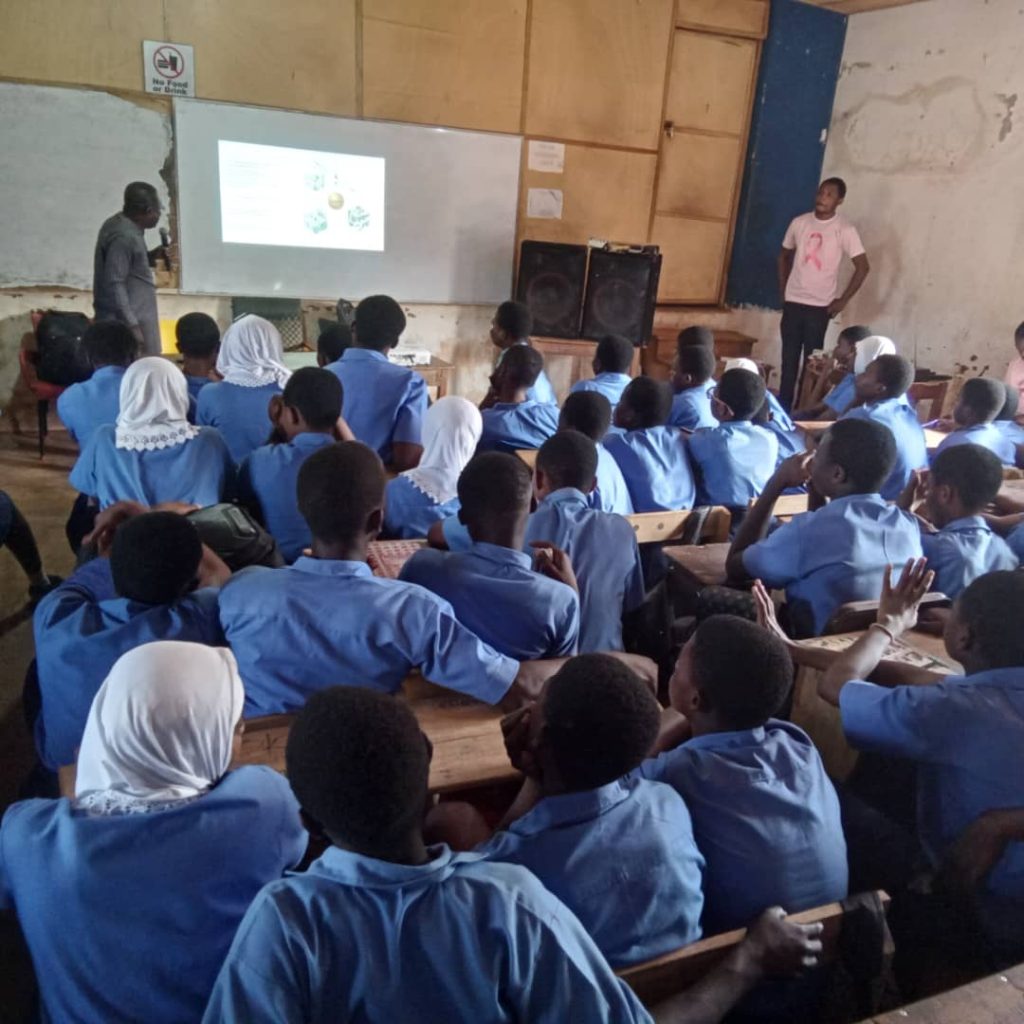
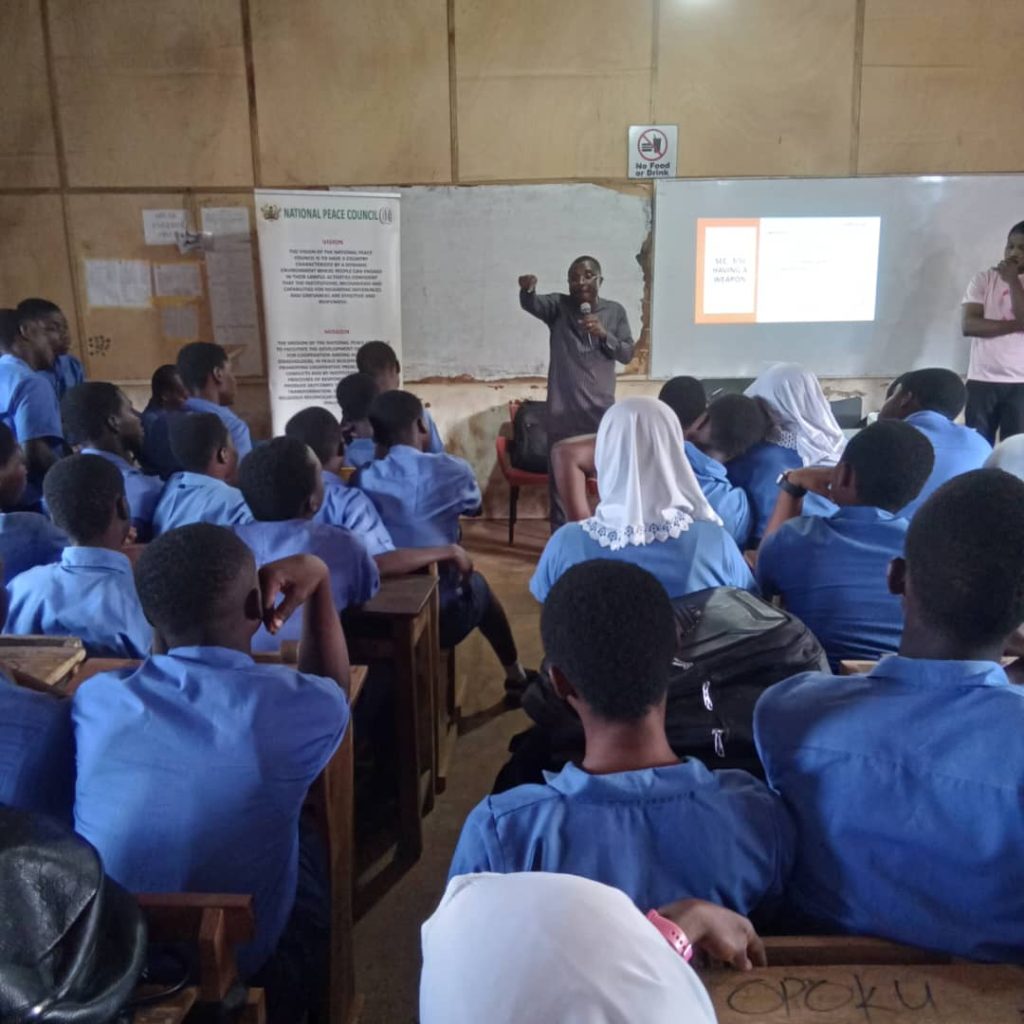
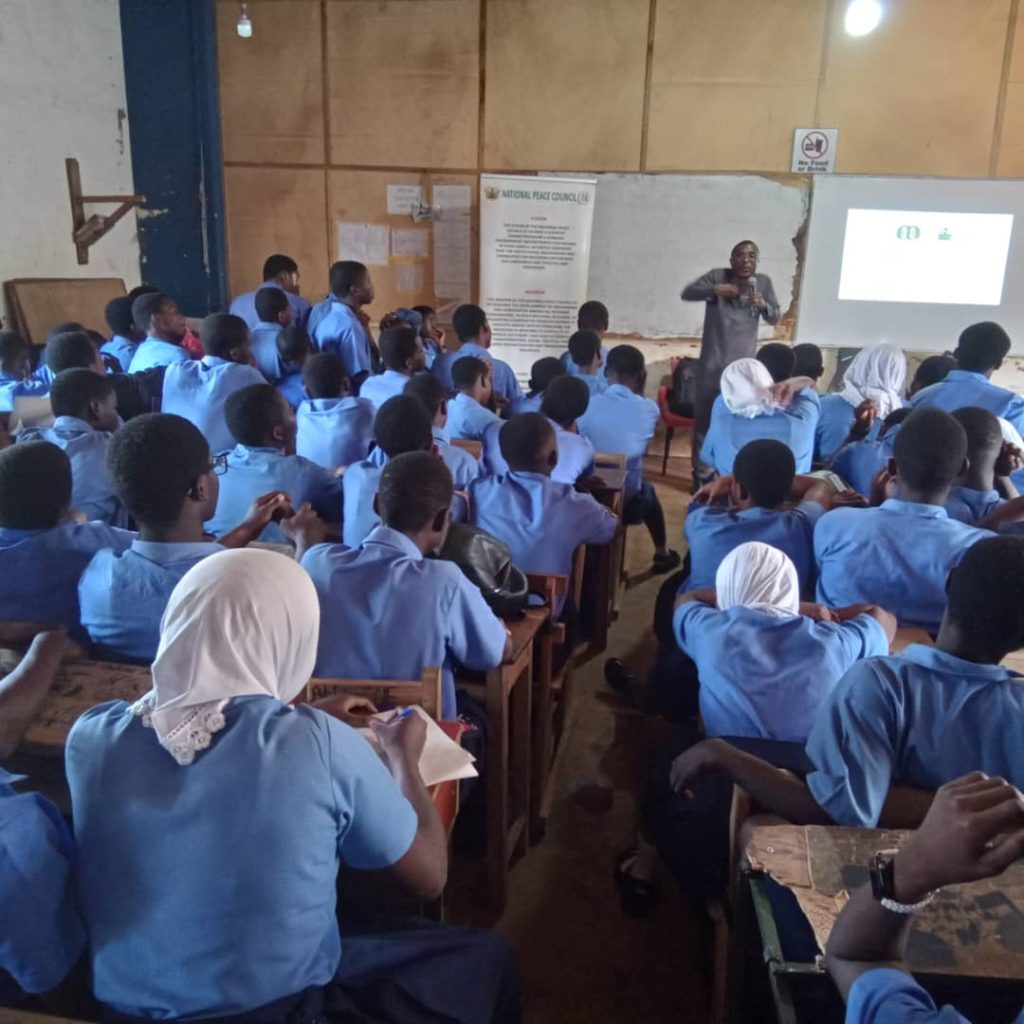
The Ashanti Regional Peace Council (ARPC), in collaboration with the National Commission on Small Arms and Light Weapons (NACSA), has engaged over 500 first- and second-year students of Suntreso Technical Institute in a peace education and sensitisation programme aimed at promoting peaceful coexistence and preventing student involvement in violence and vigilantism.
The programme, held on Monday, 2 November 2026, at the Suntreso Technical Institute Assembly Hall, focused on “Peace Education and Sensitisation on the Vigilantism and Related Offences Act, 2019 (Act 999), and Peaceful Coexistence for First-Year Students in Senior High Schools in the Ashanti Region.”
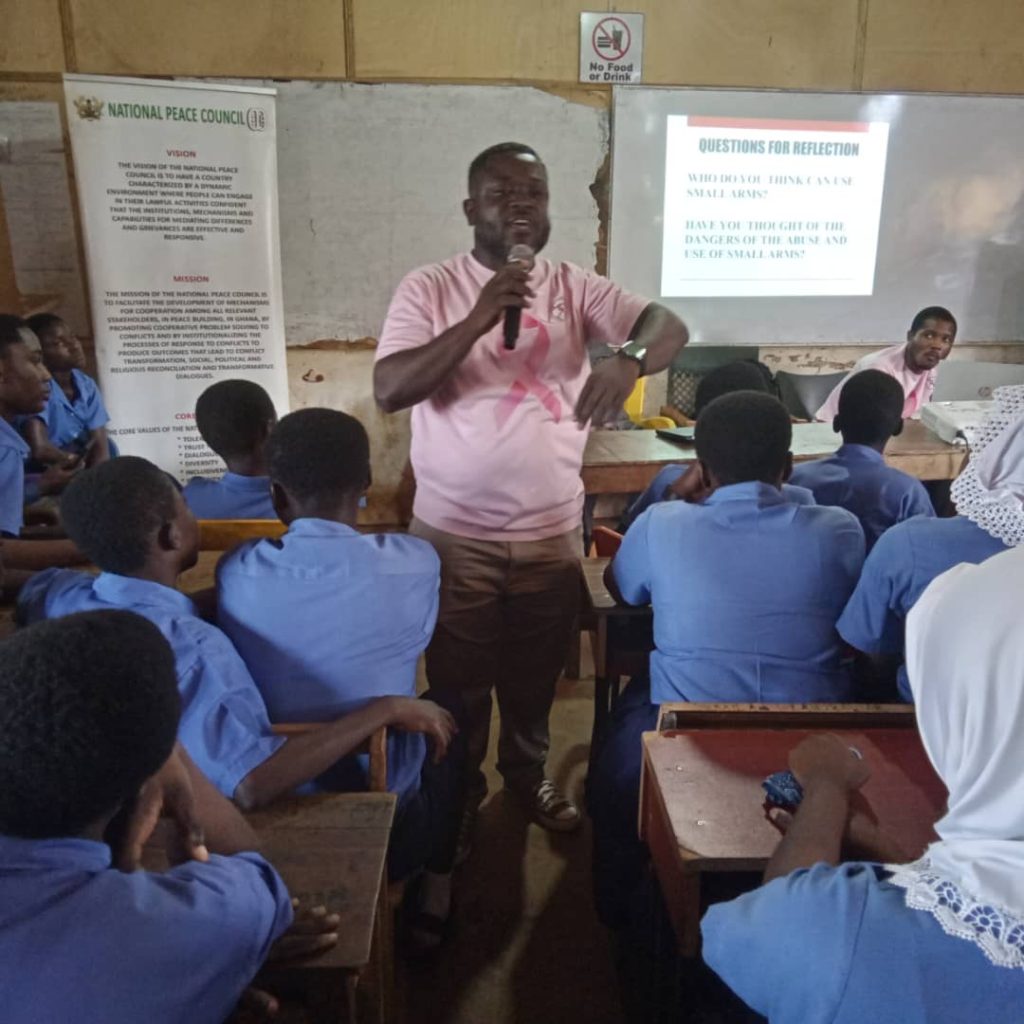
The engagement sought to educate students on the legal consequences of vigilantism, the dangers associated with the illegal possession and use of Small Arms and Light Weapons (SALW), and the importance of adopting non-violent approaches to resolving disagreements.
Promoting Peaceful Behaviour Among Students
Addressing the students, the Regional Executive Secretary of the Ashanti Regional Peace Council, Rev. Dr. Emmanuel Badu Amoah, emphasised that peace begins with individual attitudes, words, and actions.
He encouraged students to contribute to a peaceful school environment by respecting one another, avoiding bullying, helping classmates resolve disagreements peacefully, and refusing to associate with violent groups.
He observed that although vigilantism is often associated with political groups in society, similar behaviours can sometimes emerge among young people in schools. He cautioned that such behaviours are dangerous and unacceptable in educational institutions.
Rev. Dr. Badu Amoah also educated the students on the provisions of the Vigilantism and Related Offences Act, 2019 (Act 999), explaining that the law was enacted to prevent the formation and activities of vigilante groups and promote peace and security in Ghana.
He highlighted that forming, organising, funding, supporting, or participating in vigilante groups, as well as recruiting or training individuals for vigilante activities, constitute criminal offences under the law, attracting serious penalties, including imprisonment.
He urged students to use appropriate channels to address grievances by reporting concerns to school authorities rather than resorting to violence.
Educating Students on the Dangers of Small Arms and Light Weapons
The Regional Director of the National Commission on Small Arms and Light Weapons, Mr. Emmanuel Kenneth Oduro, highlighted the dangers associated with the illegal possession and misuse of firearms, describing them as major threats to peace and security in communities and the country.
He cautioned that when weapons fall into the wrong hands, they can easily contribute to violence, crime, and the loss of innocent lives. He further reminded students that the unlawful possession or use of firearms is a serious criminal offence in Ghana, attracting severe legal consequences, including arrest, prosecution, and imprisonment.
Mr. Oduro explained that the minimum sentence for unlawful possession of arms is 10 years’ imprisonment, while the maximum sentence is life imprisonment.
He encouraged students and the wider public to support collective efforts to prevent the proliferation and misuse of firearms, emphasising that “Guns only make you vulnerable, not powerful.” He called on everyone to join efforts to silence the guns and safeguard the future.
Building a Culture of Peace in Schools
The programme reinforced the importance of equipping young people with the knowledge and skills needed to manage disagreements without violence. Students were encouraged to embrace tolerance, mutual respect, dialogue, and peaceful conflict resolution in their interactions with colleagues.
The engagement also aligns with efforts to establish Peace Ambassadors Clubs in Junior High and Senior High Schools across the region. These clubs are intended to provide platforms for young people to participate actively in peacebuilding, promote peaceful relationships, and develop leadership skills in conflict prevention.
Key Stakeholders and Participation
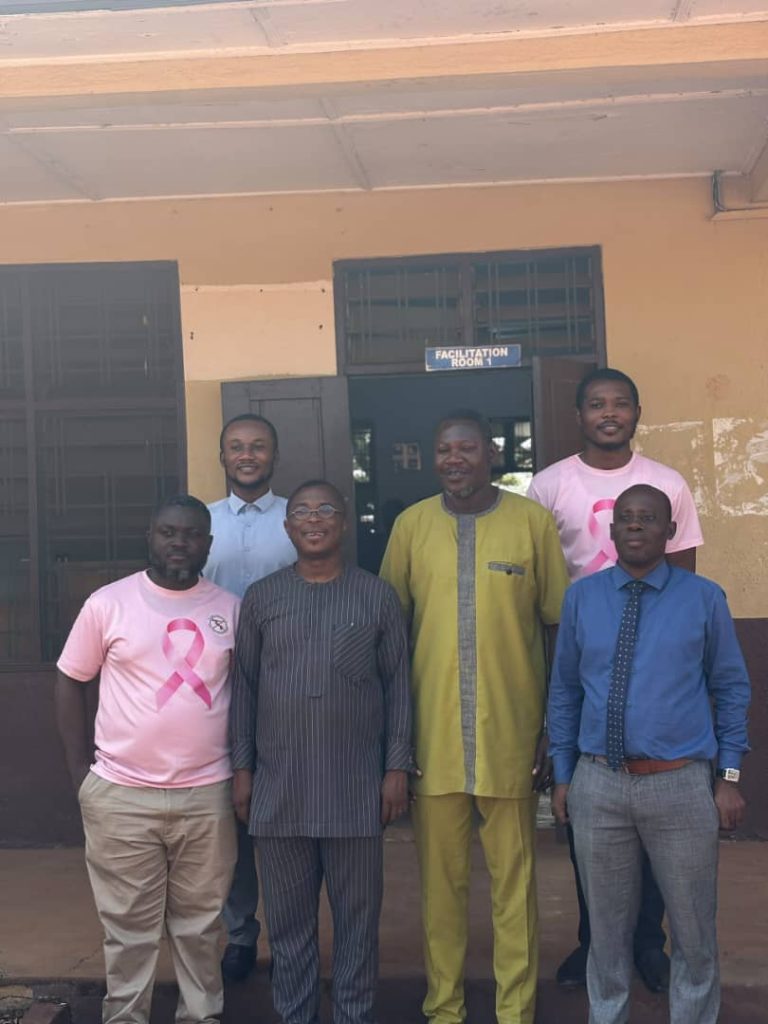
The programme brought together representatives of the Ashanti Regional Peace Council, the National Commission on Small Arms and Light Weapons, and the management, teachers, and students of Suntreso Technical Institute.
Dignitaries present included:
-
Rev. Dr. Emmanuel Badu Amoah – Regional Executive Secretary, ARPC.
-
Mr. Emmanuel Kenneth Oduro – Regional Director, NACSA.
-
Mr. Ebenezer Quarcoo – Principal, Suntreso Technical Institute.
-
Mr. Daniel Adjetey Doku – Vice Principal, Suntreso Technical Institute.
-
Mr. Godwin Nana Amponsah – Senior Programmes Manager, ARPC.
-
Mr. Jake Abedi Commey – Programmes Officer, NACSA.
The participation of over 500 students underscored the importance of engaging young people in peace education and sensitisation as part of broader efforts to prevent violence and strengthen social cohesion.
Conclusion
The engagement reaffirmed the commitment of the Ashanti Regional Peace Council and the National Commission on Small Arms and Light Weapons to promoting peace education, preventing vigilantism, and discouraging the illegal possession and misuse of firearms among young people.
Through continued collaboration with educational institutions, the two organisations seek to nurture a generation of responsible young people who appreciate diversity, resolve disagreements peacefully, and contribute meaningfully to conflict prevention and sustainable peace in their schools and communities.