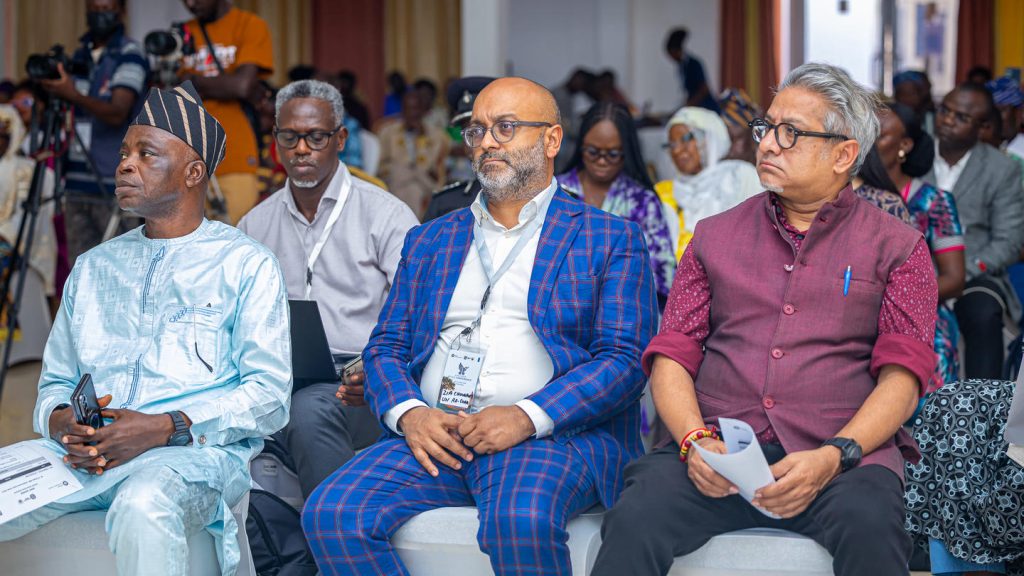
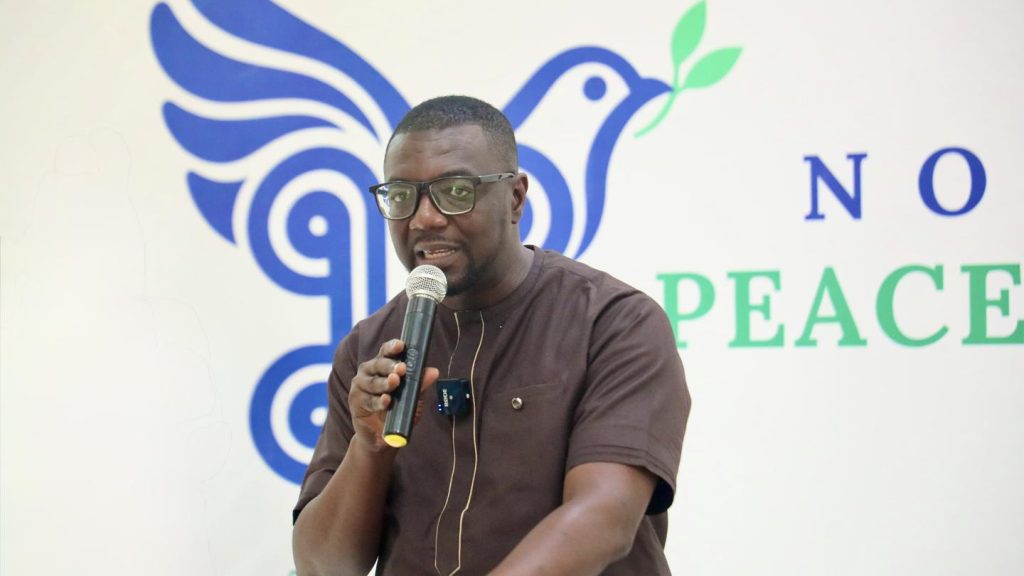
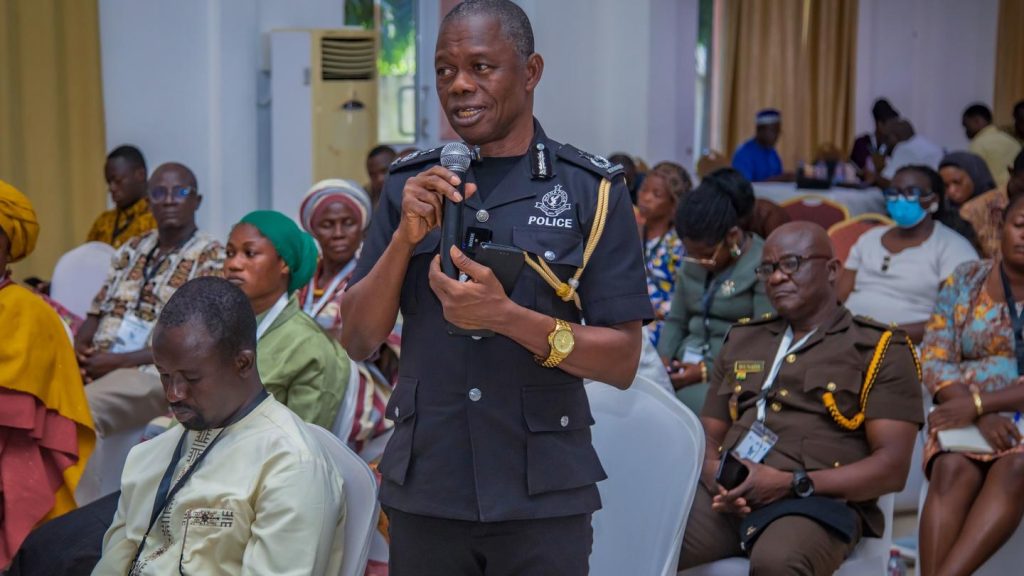
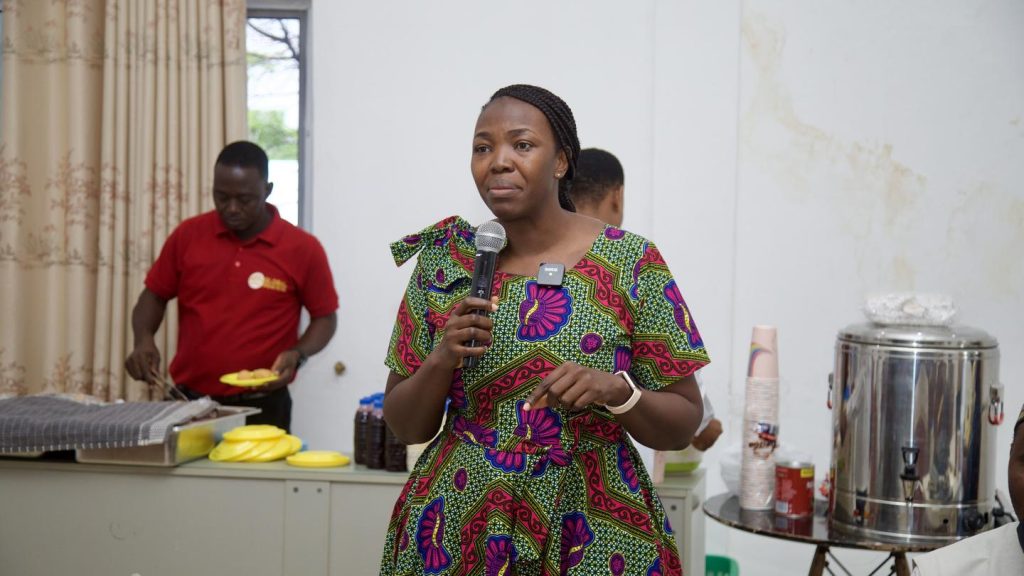
What does it take to keep the peace when a disagreement begins at school, a divisive claim appears online, or a young person feels shut out of decisions affecting their community? These everyday moments anchored the national webinar convened by the National Peace Council and UNDP Ghana to commemorate the International Day of Peace.
Held under the national theme “Shaping Minds, Securing Peace: Educating Youth Against Violence”, and the global theme “Invest in Peace – For Everyone, Everywhere, Every Day,” the webinar explored the role young people can play in building a more peaceful Ghana. The discussion centered on the theme “Building a Non-violent Ghana: The Role of Youth in Promoting Peace.”
Opening the webinar, which brought together peacebuilding practitioners and participants from across the country, Emelia Ainooson, who leads communications at UNDP Ghana, reflected on a message from the UNDP Administrator: peace means more than the absence of war. For Ghana, she said, it calls for attention to the physical, emotional and verbal forms of violence young people encounter, including in schools and online.
She pointed to the ongoing development of Ghana’s first National Action Plan on Youth, Peace and Security as an effort to make young people active partners in preventing conflict and sustaining peace. Young people, she stressed, should be engaged as mediators and partners in prevention, rather than brought in only after peace has broken down.
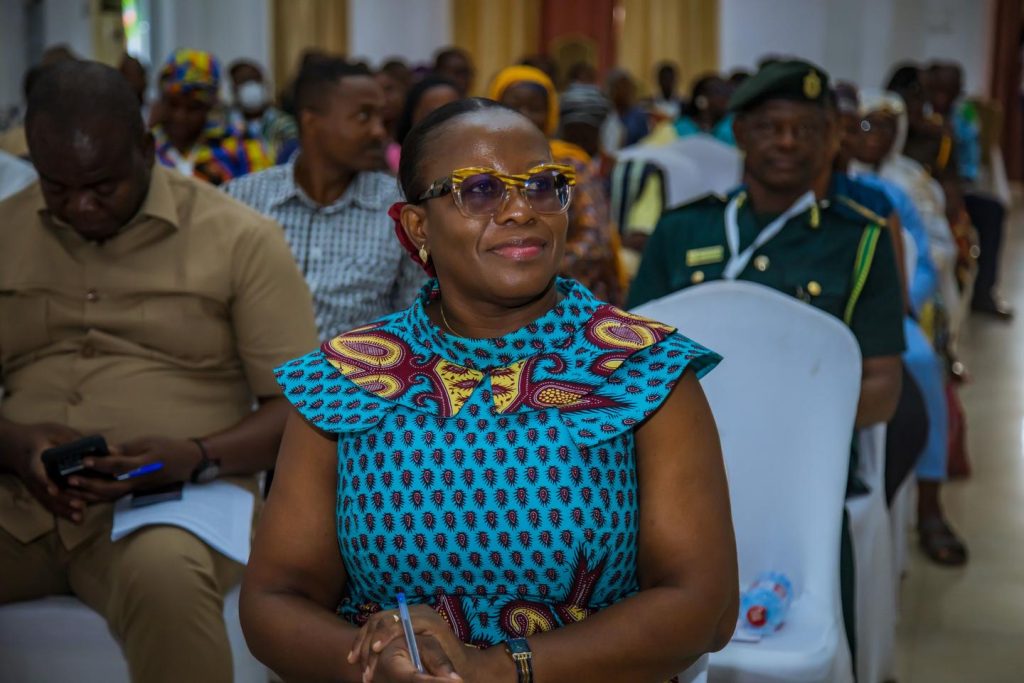
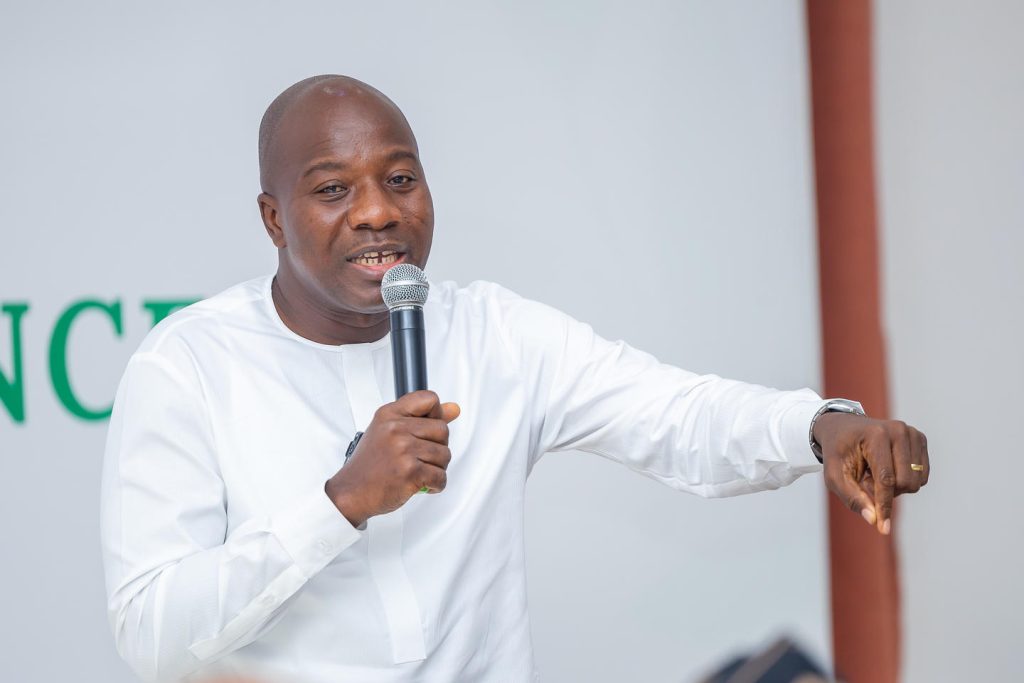
Emelia Ainooson, Head of Communications, UNDP Ghana, moderating the discussion.
Delivering remarks on behalf of the National Peace Council, Senior Public Relations Officer Kwesi Yirenkyi Boateng said the growing influence of young people in Ghana’s political, social and digital spaces makes their involvement essential. He urged institutions and communities to keep shaping young people’s understanding of peace and to support them as advocates and leaders. The work, he said, must continue beyond a single webinar and in the places where people live, learn and interact.
That call to invest early ran through the panel discussion. Dr. Festus Aubyn, Regional Coordinator for Research and Capacity Building at the West Africa Network for Peacebuilding (WANEP), described how intense political competition, economic exclusion, local disputes, declining trust in institutions and harmful information can contribute to violence. These pressures, he noted, extend beyond physical confrontation to the way people experience exclusion and hostility.
Schools can help change that pattern, he argued, if they prepare students to live with differences and resolve disagreements, rather than focusing solely on examinations. Peace education should give young people practical skills in dialogue, communication and critical thinking. It must also be visible in school life.
“We cannot effectively teach peaceful conflict resolution in our schools if students are experiencing bullying, humiliation, exclusion, and violence in our schools,” he said. Teachers and other adults, he added, shape what young people learn through their own conduct.
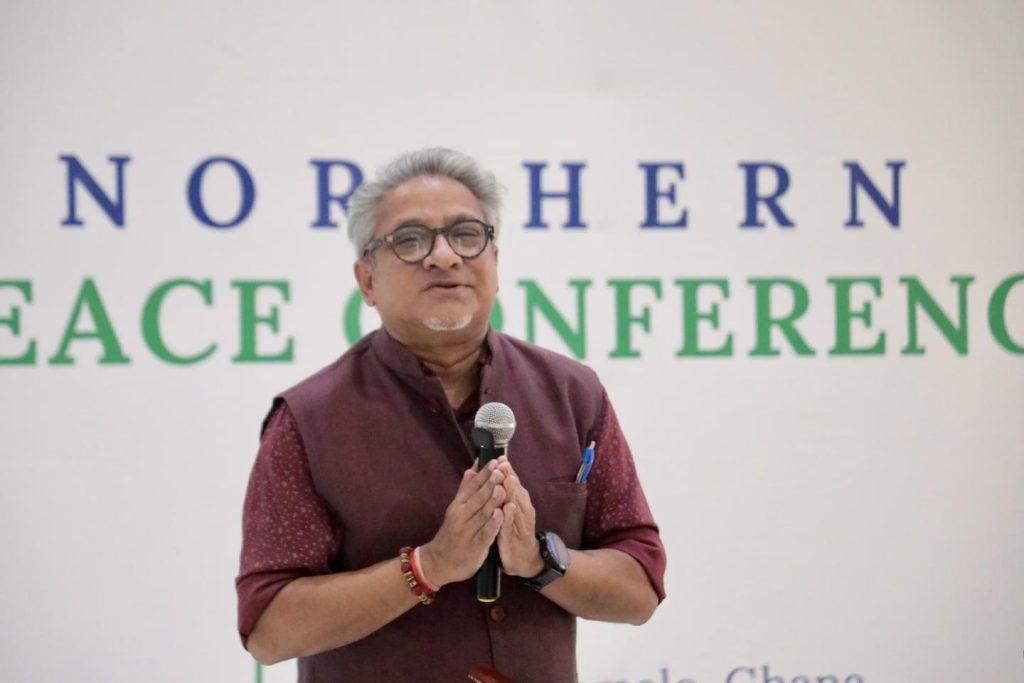
Dr. Festus Aubyn, Regional Coordinator for Research and Capacity Building, WANEP, discussing the role of schools in helping young people manage conflict peacefully.
Felicia Fordjour Oppong of the National Peace Council shared how the Council’s school outreach and peace clubs seek to put those skills into practice. Through engagements with students and support from teachers and counsellors, the initiative encourages peer mediation, respectful communication and early reporting of bullying, threats and harassment. She said the Council had reached about 118 senior high schools and equipped about 12,650 students with conflict prevention skills through its outreach activities.
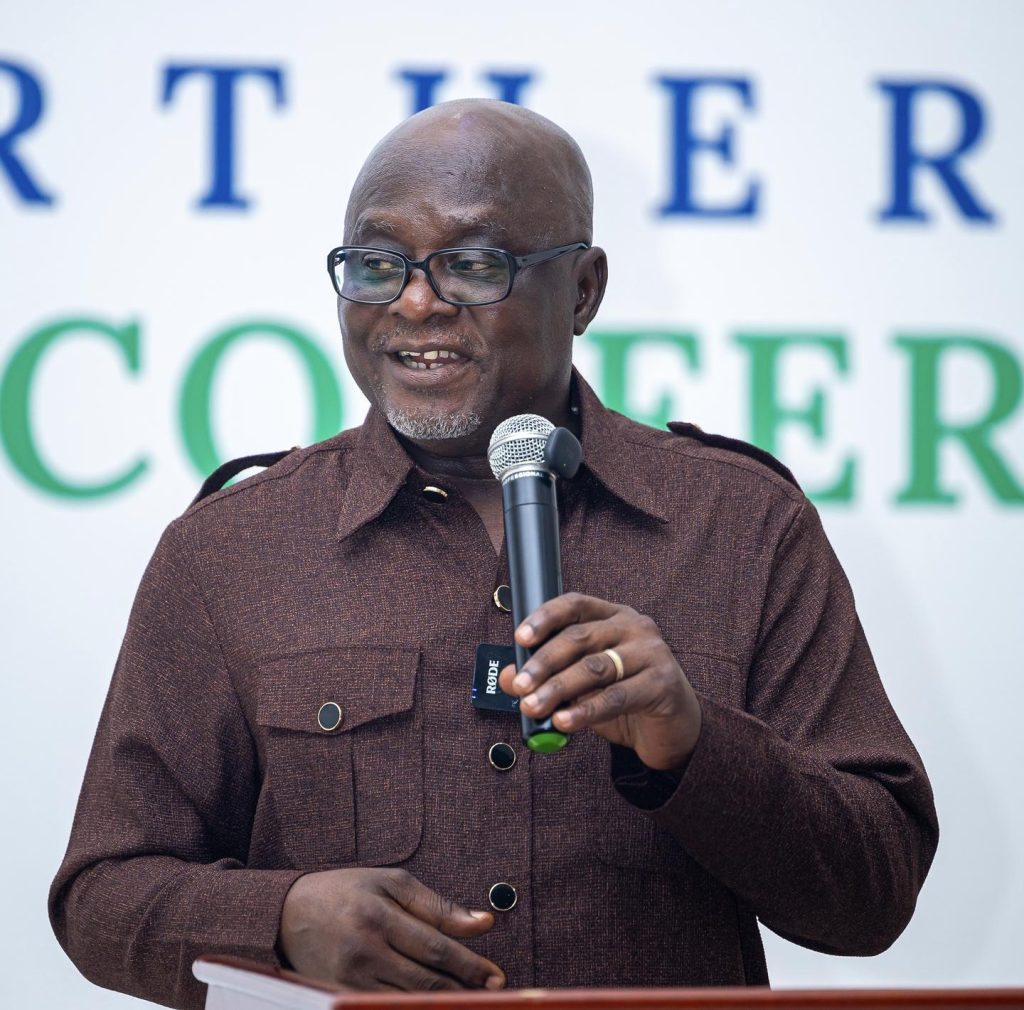
Felicia Fordjour Oppong of the National Peace Council sharing insights from the Council’s school outreach and peace clubs.
For Melody Azinim, Peace and Governance Programme Analyst at UNDP Ghana, meaningful participation must continue beyond the classroom. She called for young people to have a place in community dialogue, mediation and decision-making, and for their own peace initiatives to receive guidance and support. Young people experience conflict in ways that older generations may not, she noted, making their perspectives vital to finding solutions.
The online space presents another opportunity and a responsibility. Azinim urged young people to use digital platforms to learn from others and promote understanding across Ghana’s different communities. She also called on social media users and media practitioners to understand conflicts and verify information before sharing stories or headlines that could heighten tensions.
The discussion was highly interactive, with participants sharing their experiences and perspectives through the chat.
The conversation also turned to digital responsibility, a topic participants felt strongly about. As Bismark noted in the chat: “The main cause of this is the inability to differentiate between exercising one’s rights and infringing on another’s rights… If ethnic, political, and religious leaders can step aside and let the law work, the young people will be responsible on social media and put a stop to it. Digital responsibility is key to national peace.”
Jedidiah raised a related question: “Young people are often asked to be peaceful, but rarely see leaders held accountable when they fuel division. So how can we build a culture where the responsibility for peace is shared fairly between leaders and youth?”
Responding, Dr. Aubyn stressed that peace is a shared responsibility. “You can’t tell a young person to be peaceful when a traditional leader or a religious leader is inciting violence elsewhere,” he said.
The webinar ended with participants making a peace pledge together: to choose dialogue over violence, respect difference, reject hate and incitement, verify information before sharing it, resist manipulation and use their voices, skills and influence to build peace in their schools, communities and Ghana.
The discussion showed that young people are ready to play an active role in building peace. They need the skills and space to do so, alongside adults and institutions willing to model the dialogue and accountability they ask of young people.