Ashanti Regional Peace Council Engages Media on the Role of the Media in Peacebuilding and National Development
The Ashanti Regional Peace Council (ARPC) has engaged media practitioners on the importance of responsible journalism and the media’s contribution to peacebuilding, political stability, democratic governance, and national development.
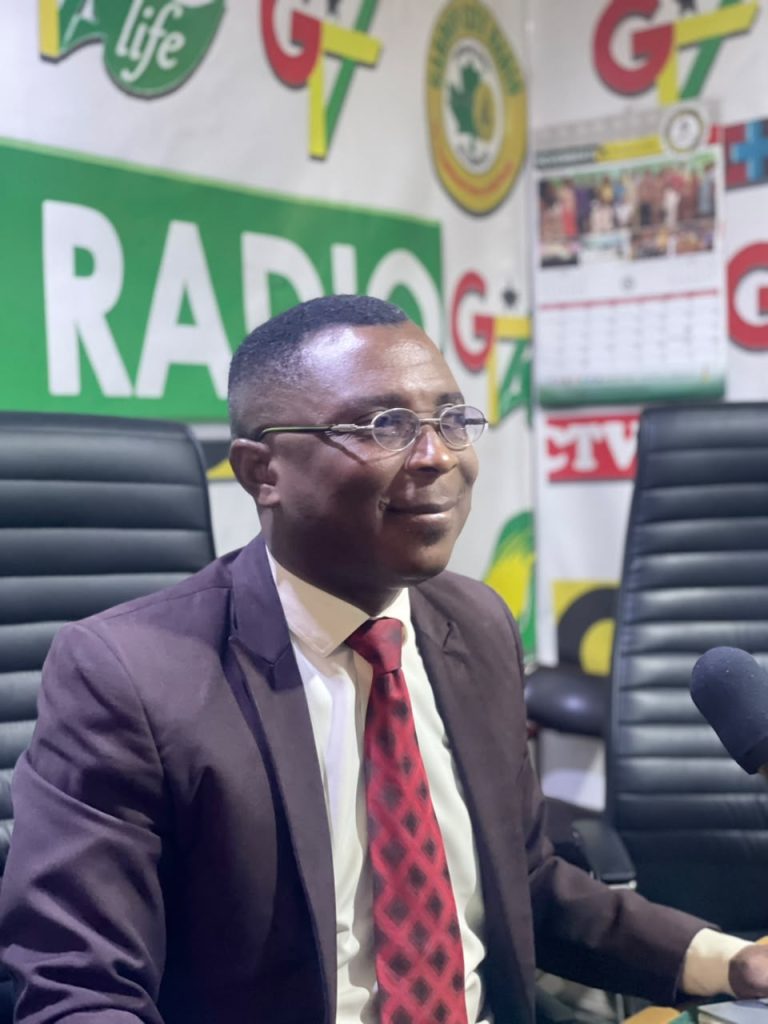
The engagement, held on Monday, 23 November 2026, at Garden City Radio/Ghana Broadcasting Corporation (GBC), Kumasi, was organised under the theme “Media Role in the Daily Political Economy of Peacebuilding.”
The programme sought to deepen public understanding of the relationship between political and economic activities and sustainable peace, while highlighting the dangers of misinformation, disinformation, hate speech, and inflammatory media publications. It also emphasised the need for ethical journalism and conflict-sensitive reporting to promote social cohesion and prevent conflicts.
The Media as an Instrument for Peacebuilding
Addressing participants, the Regional Executive Secretary of the Ashanti Regional Peace Council, Rev. Dr. Emmanuel Badu Amoah, emphasised that peacebuilding goes beyond preventing violent conflicts. He explained that sustainable peace also requires addressing the underlying political, economic, and social inequalities that threaten peaceful coexistence.
He highlighted the significant role of the media in shaping public opinion, promoting national unity, encouraging tolerance, and strengthening peaceful relationships among citizens.
He noted that media organisations have a responsibility to provide balanced, objective, and factual information, particularly when reporting on politically sensitive issues. Responsible political reporting, he explained, is essential to preventing misinformation, political hostility, and unnecessary tensions.
Political Economy and Sustainable Peace
Rev. Dr. Badu Amoah further examined the relationship between political and economic decisions and their implications for peace and stability.
He explained that decisions relating to resource allocation, employment opportunities, taxation, and access to public services directly affect citizens’ welfare and can influence social cohesion.
He stressed that economic inequalities, unemployment, and social exclusion can create grievances and tensions if not adequately addressed. Consequently, the media has an important role in promoting public understanding of these issues and encouraging constructive discussions on economic fairness and inclusive development.
Promoting Accountability and Combating Misinformation
The Regional Executive Secretary highlighted the media’s watchdog role in holding political leaders, public institutions, and other stakeholders accountable for decisions and actions that affect citizens.
He encouraged media practitioners to actively challenge fake news, propaganda, hate speech, and inflammatory narratives that could undermine social cohesion and trigger conflicts.
He also emphasised the importance of conflict-sensitive reporting, urging journalists to report on conflicts in ways that promote understanding, dialogue, reconciliation, and peaceful resolution rather than sensationalism and escalation.
Amplifying Marginalised Voices in Peacebuilding
Rev. Dr. Badu Amoah further called on media organisations to create opportunities for marginalised and vulnerable groups to participate in national conversations and peacebuilding processes.
He identified women, young people, traditional authorities, persons with disabilities, and vulnerable communities as important voices that should be represented in media discussions on governance, development, and peace.
He noted that inclusive media engagement contributes to a better understanding of community concerns and strengthens citizens’ participation in decisions that affect their lives.
Strengthening the Media’s Role in Conflict Prevention
The engagement reinforced the importance of the media as a platform for constructive public dialogue, peaceful political engagement, and conflict prevention.
It highlighted the media’s potential contribution to identifying early warning signs of conflict, drawing attention to emerging tensions, and supporting preventive interventions, mediation, and reconciliation processes.
The programme also underscored the need for journalists to exercise professional responsibility when reporting on sensitive political, social, and economic issues, particularly in an environment where misinformation and inflammatory content can spread rapidly.
Conclusion
The engagement reaffirmed the Ashanti Regional Peace Council’s commitment to promoting peace education and strengthening collaboration with media institutions in advancing sustainable peace.
Rev. Dr. Badu Amoah emphasised that sustainable peace cannot be achieved through security interventions and political agreements alone. It also requires an informed society, responsible political leadership, economic fairness, social inclusion, and a media environment that promotes truth, accountability, tolerance, and constructive public engagement.
Through continued engagement with media practitioners, the Council seeks to strengthen the media’s role as a partner in conflict prevention, national cohesion, and sustainable peacebuilding in Ghana.