Ashanti Regional Peace Council Engages the Public on the Implications of Ongoing Conflicts and Militarization for Sustainable Peace
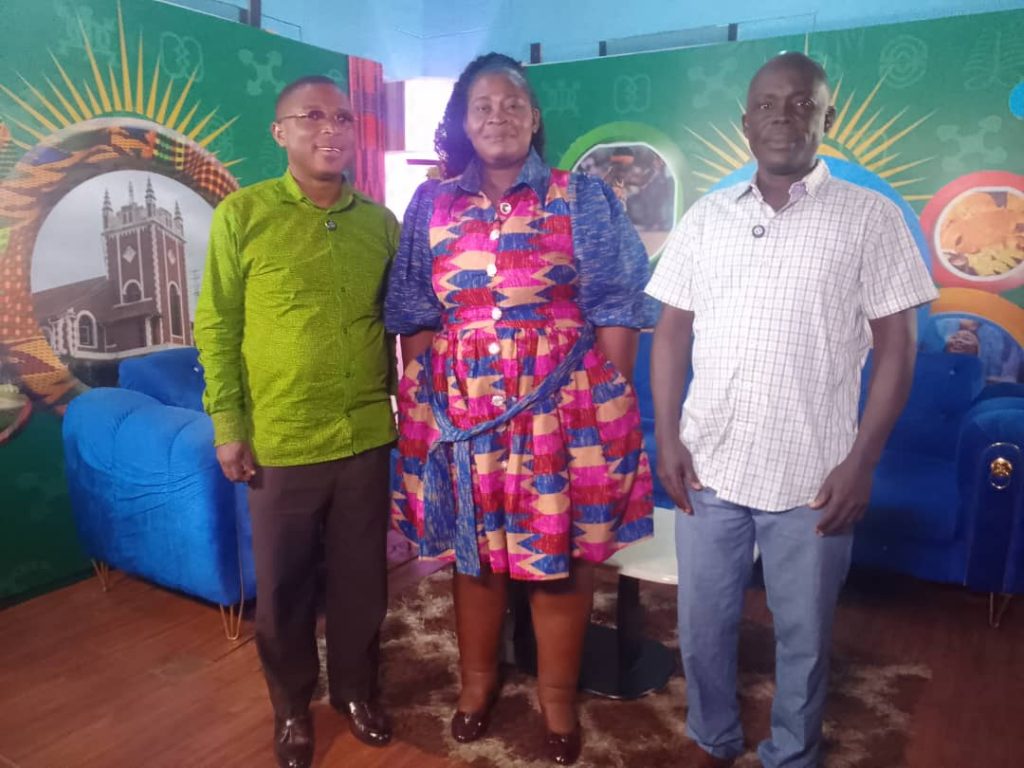
The Ashanti Regional Peace Council (ARPC), in collaboration with Garden City Television and the Ghana Broadcasting Corporation (GBC), Kumasi, organized a public peace education and sensitization programme on Wednesday, 28th October 2026, under the theme “Ongoing Conflicts and Militarization: Implications for Sustainable Peace.”
The media engagement formed part of the Council’s ongoing efforts to promote public awareness of emerging conflict dynamics, examine the implications of militarization for peace and development, and encourage the adoption of peaceful approaches to conflict prevention and resolution.
Understanding the Causes and Dynamics of Conflicts
Speaking during the engagement, Rev. Dr. Emmanuel Badu Amoah, Regional Executive Secretary of the ARPC, highlighted several factors that contribute to ongoing conflicts across societies. These include political disagreements, competition over natural resources, ethnic and religious tensions, territorial disputes, social inequalities, and institutional failures to address grievances effectively.
He explained that although military interventions may sometimes be necessary to address immediate security threats, excessive reliance on military force can intensify existing conflicts, increase civilian casualties, displace populations, destroy critical infrastructure, and deepen mistrust among communities.
He emphasized that sustainable peace requires addressing the underlying causes of conflicts rather than focusing exclusively on their immediate security implications.
Militarization and Its Implications for Sustainable Development
The discussion further examined the economic, social, humanitarian, and security consequences of militarization.
Nana Owusu Akyiaw Brempong, Peace Volunteer, highlighted how excessive investment in military buildup and security operations can divert critical resources from essential sectors such as education, healthcare, infrastructure, and employment creation.
He noted that such resource redirection can undermine socio-economic development and create conditions that contribute to further instability and insecurity.
The engagement also highlighted concerns surrounding heightened militarization in vulnerable and conflict-prone areas. It was noted that strained relations between civilian populations and state security forces can undermine public trust and potentially create conditions that expose communities to radicalization and violent extremism.
Promoting Dialogue and Non-Violent Conflict Resolution
A key message from the engagement was the need to prioritize dialogue, mediation, negotiation, and reconciliation as essential approaches to managing and resolving conflicts.
Rev. Dr. Emmanuel Badu Amoah stressed that sustainable peace extends beyond the absence of violence. It requires inclusive governance, justice, accountability, respect for human rights, strong institutions, and equitable development.
Participants and the general public were encouraged to recognize their collective responsibility in preventing conflicts, promoting tolerance, and strengthening social cohesion.
The discussion reinforced the importance of constructive engagement among governments, traditional authorities, civil society organizations, security agencies, and community members in addressing grievances and preventing conflicts from escalating.
Promoting Public Awareness Through Media Engagement
The collaboration with Garden City Television and GBC Kumasi provided an important platform for reaching a wider audience with information on the relationship between conflict, militarization, security, and sustainable development.
Through media sensitization, the Ashanti Regional Peace Council continues to leverage radio and television platforms to promote peace education, encourage informed public discourse, and strengthen citizens’ participation in conflict prevention and peacebuilding initiatives.
Participating Institutions
The programme featured representatives from:
-
Ashanti Regional Peace Council (ARPC)
-
Garden City Television / Ghana Broadcasting Corporation (GBC), Kumasi
Dignitaries and resource persons included:
-
Rev. Dr. Emmanuel Badu Amoah – Regional Executive Secretary, ARPC
-
Nana Owusu Akyiaw Brempong – Peace Volunteer
-
Godwin Nana Amponsah – Senior Programmes Manager, ARPC
Conclusion
The media engagement reaffirmed the importance of adopting comprehensive and inclusive approaches to conflict prevention and resolution. While security interventions may be necessary in addressing immediate threats, lasting peace can only be achieved through dialogue, justice, reconciliation, accountable governance, and sustainable development.
The Ashanti Regional Peace Council remains committed to promoting public education, strengthening stakeholder collaboration, and advancing peaceful coexistence and sustainable peace across the region and Ghana as a whole.