Central Regional Peace Council Educates Students on Violence Prevention at Bakatsir Methodist Basic School
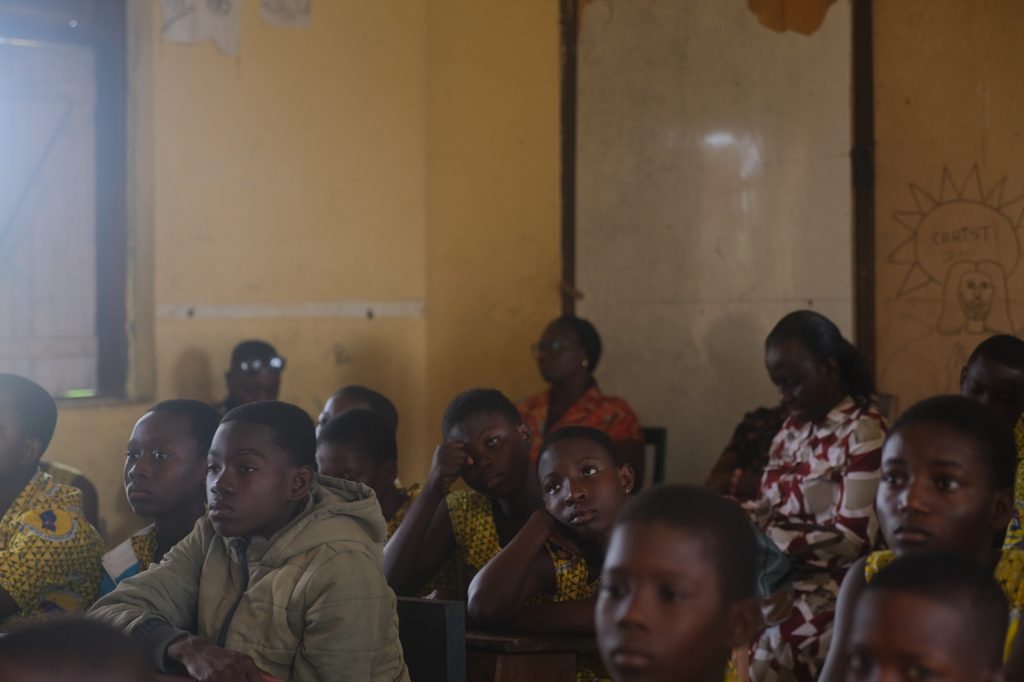
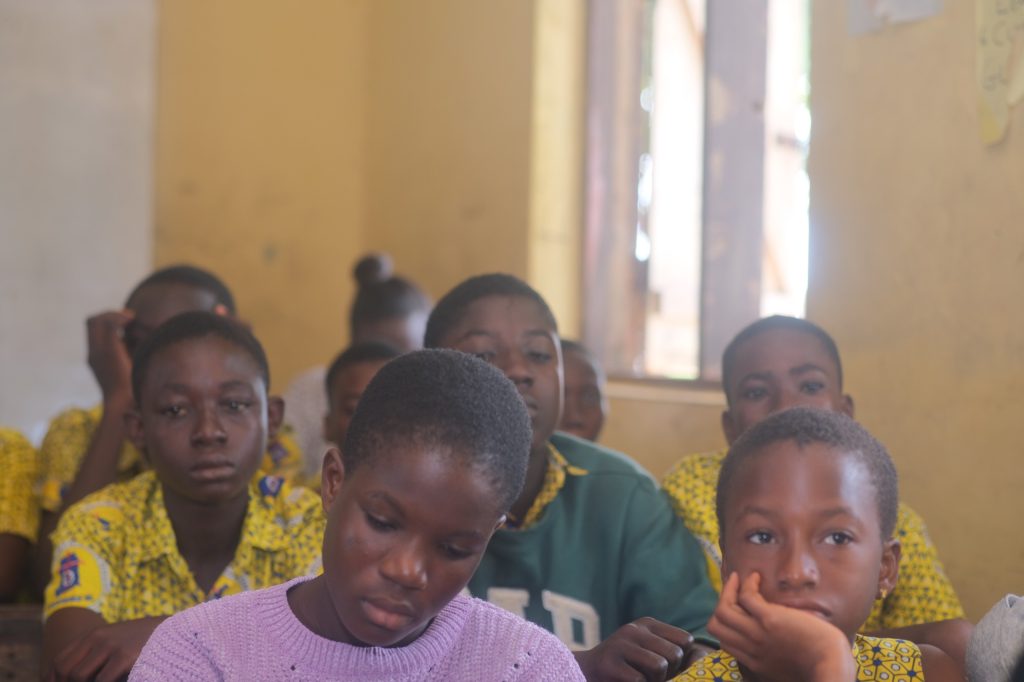
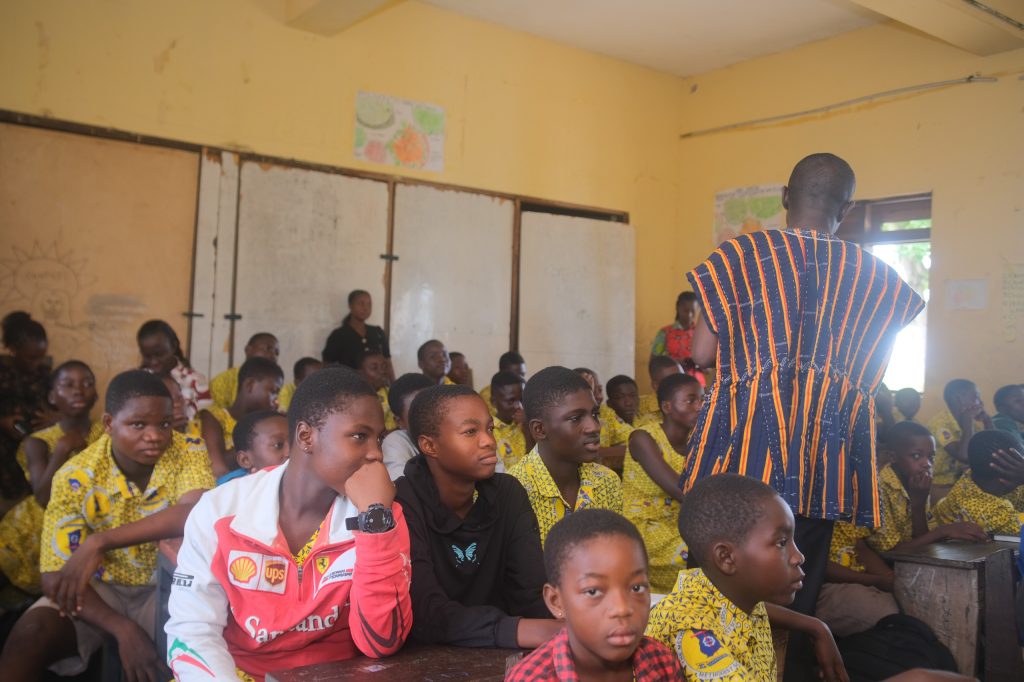
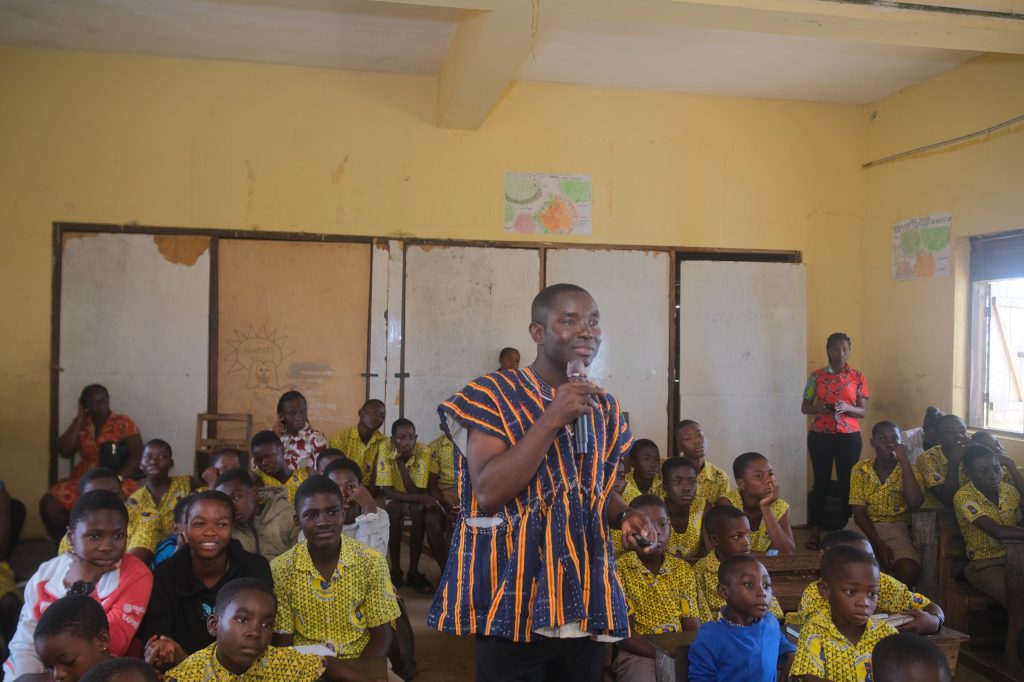
The Central Regional Peace Council has organised a peace education programme for students of Bakatsir Methodist Basic School in Cape Coast to raise awareness of school-related violence and equip young people with practical skills for preventing conflict and promoting peaceful coexistence.
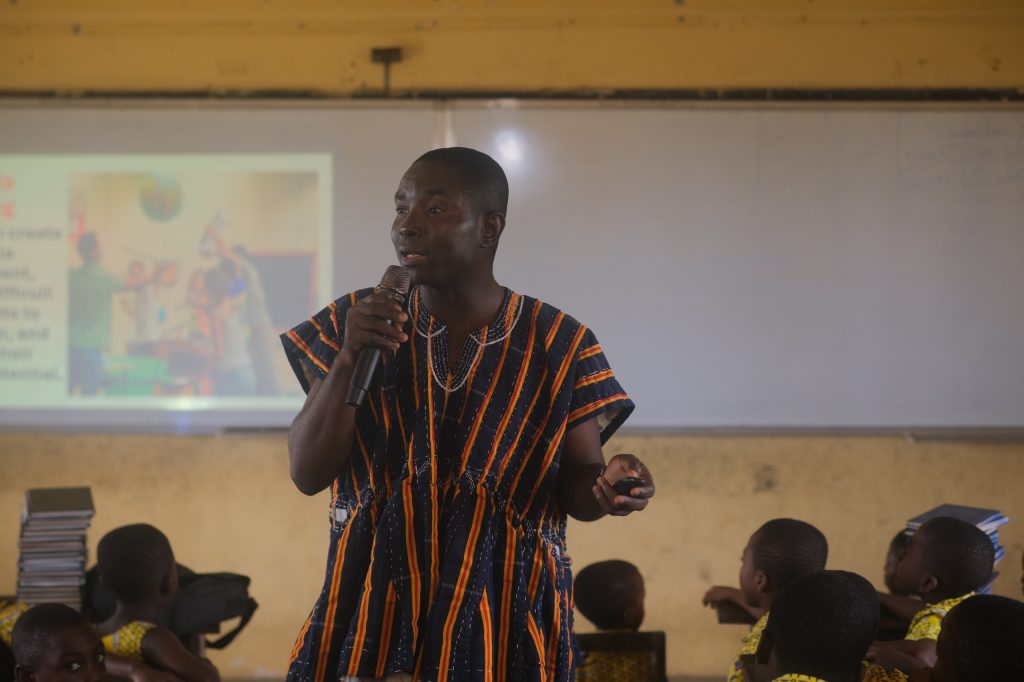
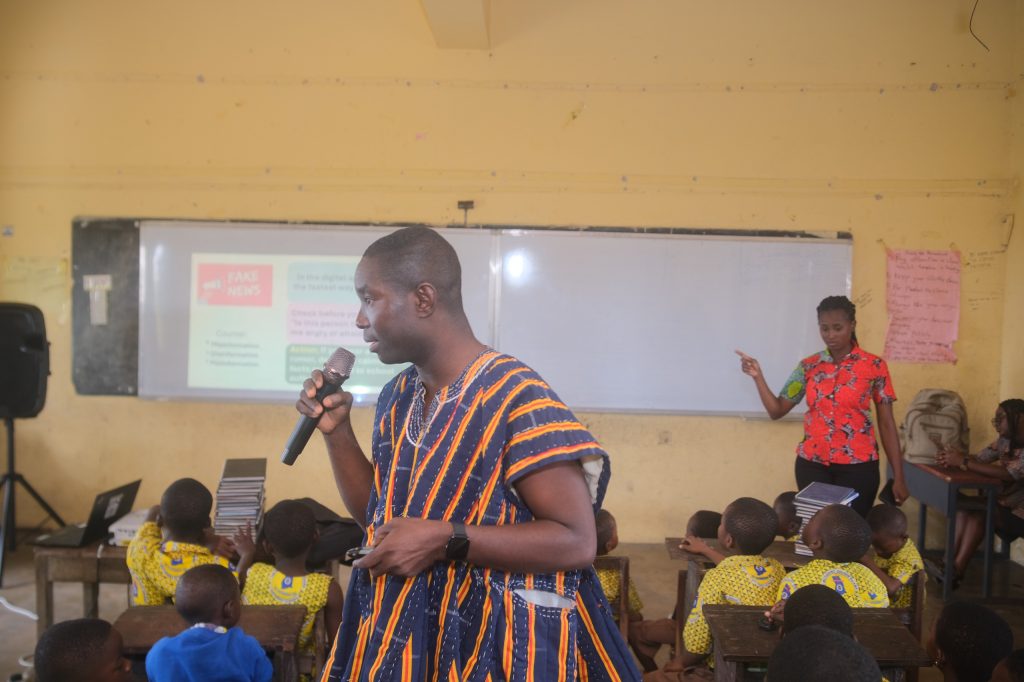
The engagement, held on Wednesday, 11 November 2026, brought together 68 students (39 boys and 29 girls) and 10 teachers, representing a total of 78 participants. The programme focused on “Peace Education on Violence in Schools” and was facilitated by Dr. Charles Ohene-Amoh, Regional Executive Secretary of the Central Regional Peace Council.
The initiative sought to educate Junior High School students on the nature, forms, and consequences of violence in schools while encouraging tolerance, forgiveness, responsible behaviour, and peaceful conflict resolution.
Understanding Conflict and Violence in Schools
During the presentation, Dr. Ohene-Amoh explained the mandate of the National Peace Council under the National Peace Council Act, 2011 (Act 818). He distinguished between conflict, which is a natural part of human interaction, and violence, which represents a harmful response to disagreements.
He outlined three major forms of violence commonly experienced in school environments: verbal, physical, and emotional violence. He also highlighted their consequences, including physical injuries, emotional distress, disruption of teaching and learning, disciplinary sanctions, social stigma, criminal records, and damage to the reputation of educational institutions.
The facilitator encouraged students to recognise that disagreements do not necessarily have to result in violence and that differences can be managed constructively through dialogue, understanding, and mutual respect.
Encouraging Responsible Behaviour and Peaceful Conflict Resolution
Dr. Ohene-Amoh urged students to take personal responsibility for maintaining a peaceful school environment. He encouraged them to practise tolerance and forgiveness, resist negative peer pressure, and avoid allowing themselves to be used by adults to engage in harmful activities.
He further advised students to counter misinformation, disinformation, and malinformation, while promoting responsible communication among their peers.
Students were also encouraged to serve as peer mediators, refuse to keep weapons or other dangerous items in school, and seek justice through appropriate channels whenever they experience or witness harmful behaviour.
Interactive Learning and Student Engagement
As part of the programme, a teacher from the school led an interactive question-and-answer session to assess students’ understanding of the issues discussed.
The questions covered the programme’s topic, the meaning of conflict prevention, items students should not bring to school, and the importance of tolerating fellow students.
The session provided an opportunity to reinforce key lessons and encourage students to reflect on their individual responsibilities in preventing violence and maintaining positive relationships within the school community.
Conclusion
The engagement reinforced the importance of early peace education in preventing school-related violence and nurturing responsible young people. It highlighted the need for students to understand the difference between conflict and violence and to embrace non-violent approaches when dealing with disagreements.
Through continued collaboration with educational institutions, the Central Regional Peace Council remains committed to promoting tolerance, responsible behaviour, and peaceful conflict resolution among young people as part of broader efforts to build a culture of peace in Ghana.