Stakeholder Engagement on Strengthening Council Operations and Inter-Institutional Collaboration (Greater Accra Region)
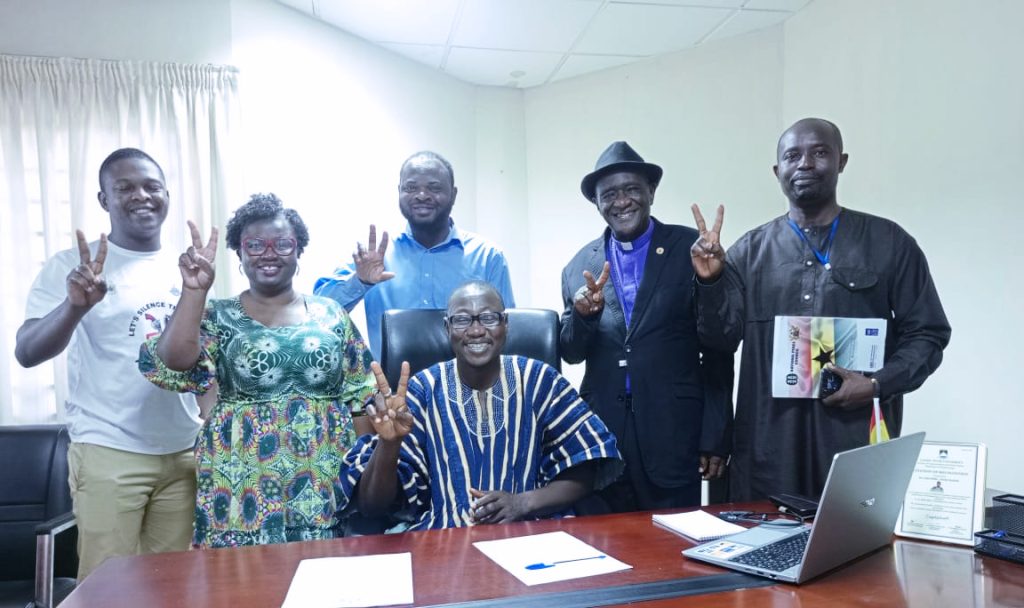
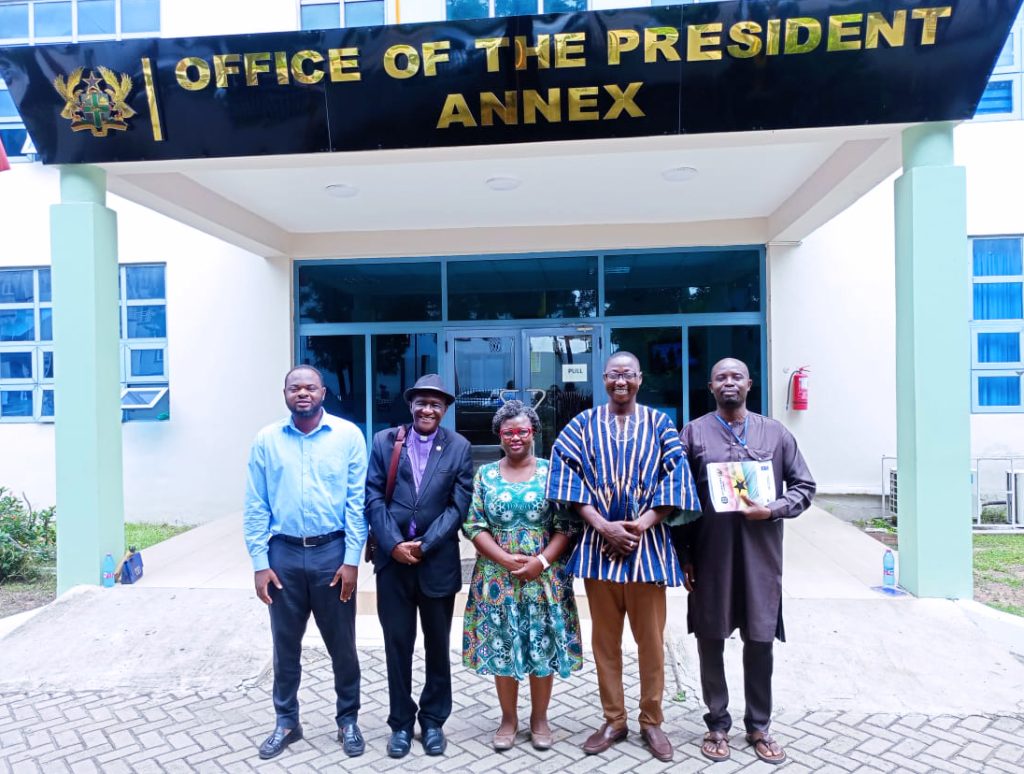
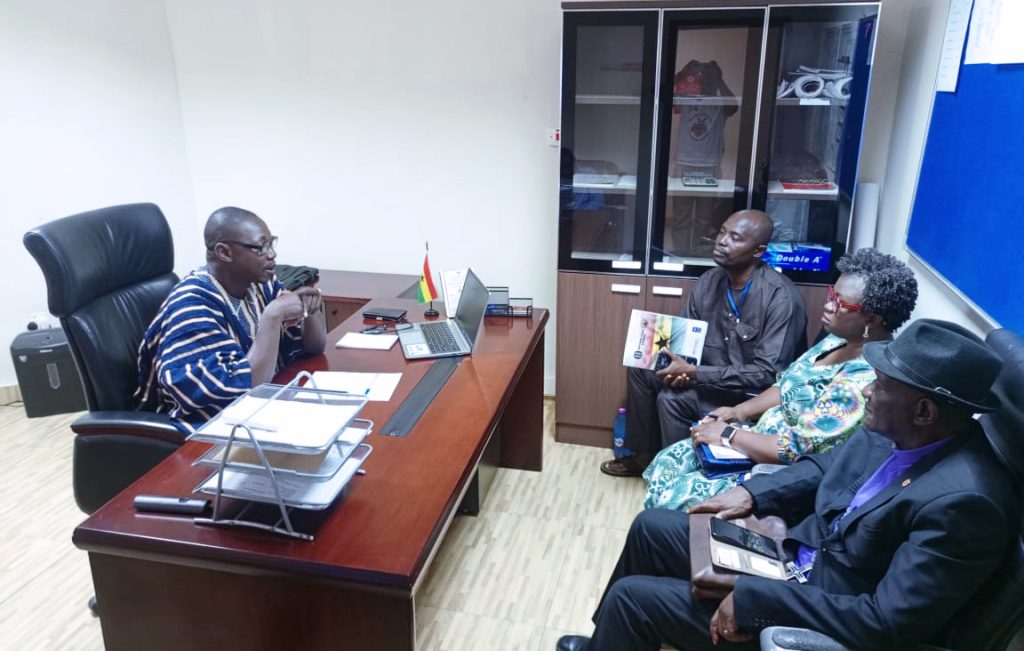
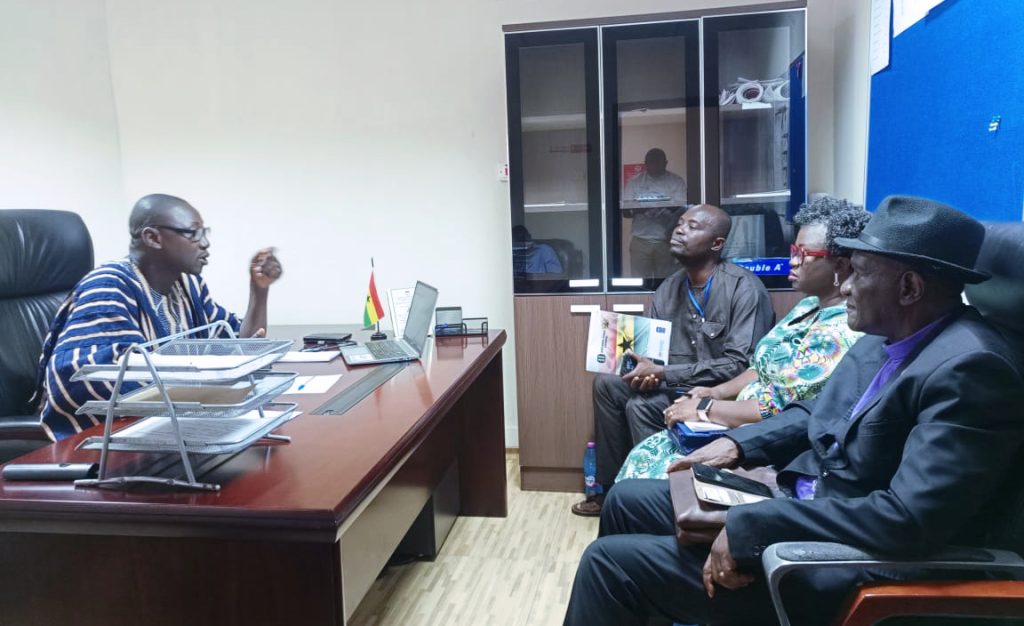
The Greater Accra Regional Peace Council (GARPC) convened a strategic stakeholder engagement at the Office of the President Annex, Ridge, aimed at enhancing institutional cooperation and strengthening the performance of council operations. The meeting was held in collaboration with the National Commission on Small Arms and Light Weapons (NCSALW) and focused on promoting synergy, coordination, and shared responsibility in advancing national peace and security.
The objective of the engagement was to promote increased understanding of the Council’s operations, enhance its visibility and utilization, raise awareness of its mandate, promote the exchange of institutional goodwill, encourage cooperative and collaborative relationships, foster synergy among stakeholders, and educate partners on the Council’s relevance to national peace and development.
The expected outcomes included improved stakeholder understanding of Council operations, increased visibility and utilization of the Council, strengthened cooperative and collaborative relationships, enhanced exchange of institutional goodwill, improved synergy among stakeholders, and greater appreciation of the Council’s role in national peace and development.
The programme was funded by the Greater Accra Regional Peace Council (GARPC) and implemented in collaboration with the National Commission on Small Arms and Light Weapons. It took place on 12th June 2026 at the Office of the President Annex, Ridge.
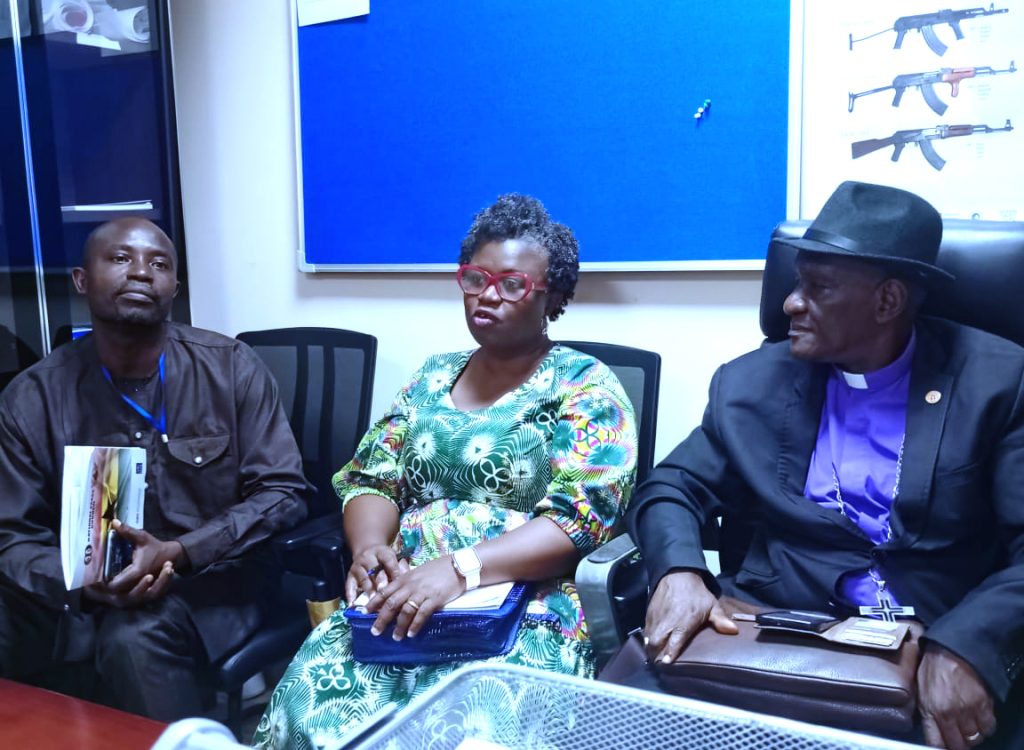
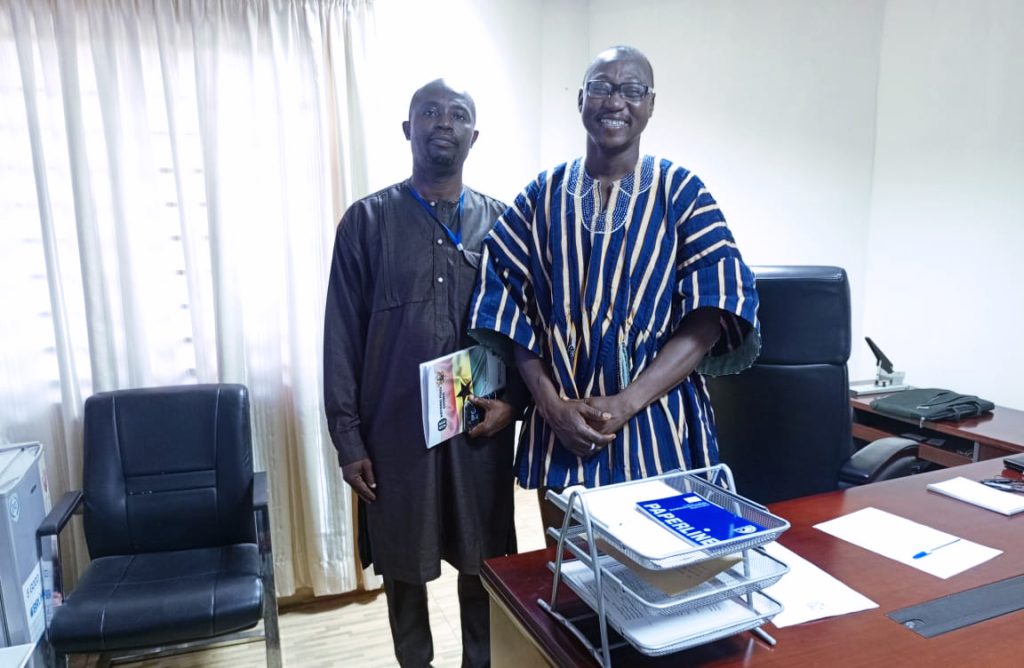
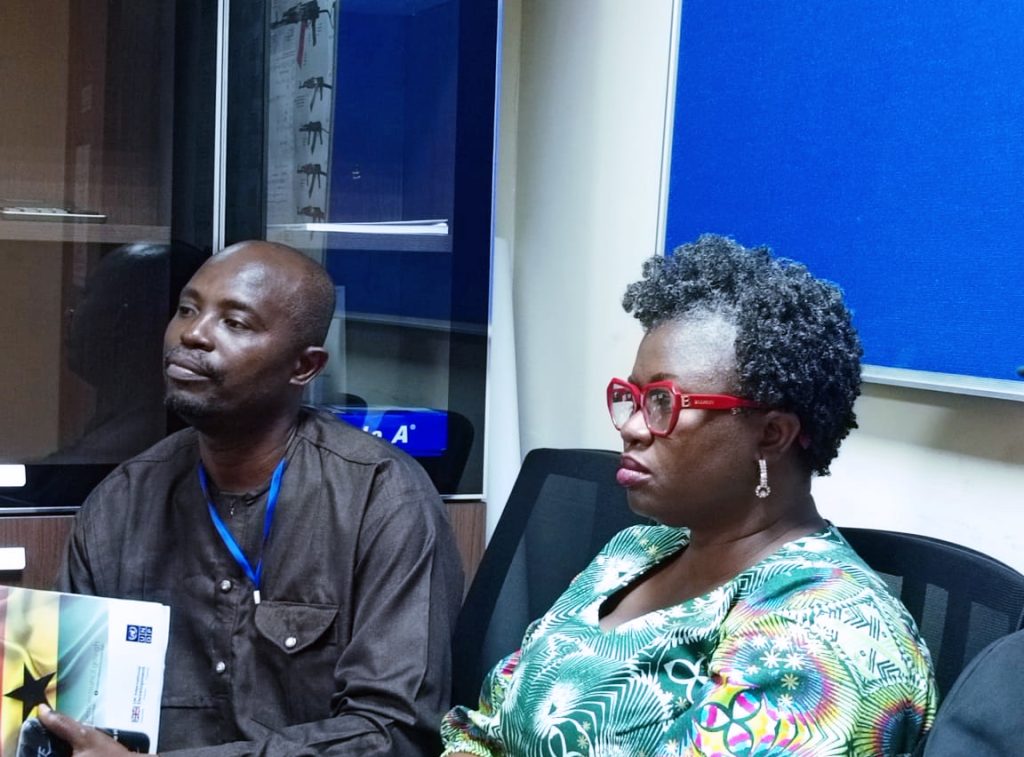
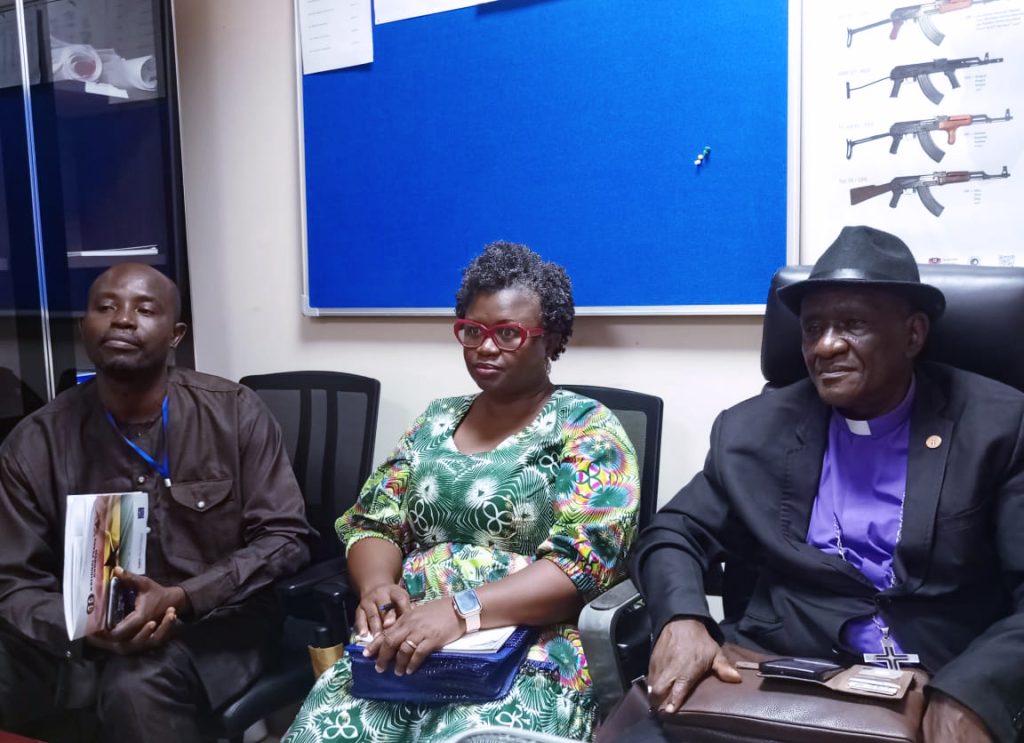
Dignitaries present included Rt. Rev. Samuel Kofi Osabutey (GARPC Chairman), Dr. Afua Boatemaa Yakohene (GARPC Council Member), Mr. George Oko Mensah (Ag. Regional Executive Secretary, GARPC), and Dr. Rashid Gbabmu (Regional Director, NCSALW).
In his remarks, Mr. George Oko Mensah emphasized the purpose of the engagement, highlighting the Council’s mandate in preventing, managing, and resolving conflicts while fostering sustainable peace. He noted that both institutions operate under the Ministry of Interior and stressed the importance of strengthening inter-institutional collaboration for national safety, peace, and security. He also outlined ongoing peace education initiatives in basic schools and community outreach programmes in mosques, churches, schools, and constituencies, explaining that early peace education is essential in preventing violence as students transition to higher levels of education.
Dr. Rashid Gbabmu commended GARPC for the initiative and highlighted the Commission’s mandate in preventing illicit arms proliferation, strengthening control mechanisms, and enhancing human security nationwide. He underscored the benefits of collaboration, including resource pooling, enhanced visibility, and capacity development through joint training and knowledge exchange. Discussions further focused on improving operational efficiency through strategic alliances, integrated programme implementation, strengthening the link between peacebuilding and arms control in violence prevention, and addressing funding challenges and opportunities.
The engagement brought together the Greater Accra Regional Peace Council and the National Commission on Small Arms and Light Weapons, reinforcing their shared commitment to peacebuilding, conflict prevention, and national security cooperation.