National Peace Council Calls for Stronger Civil-Security Partnerships to Prevent Violent Extremism
The National Peace Council (NPC) has called for stronger collaboration between security agencies, civil society organisations, traditional and religious leaders, families and local communities to prevent violent extremism and strengthen peacebuilding across Ghana.
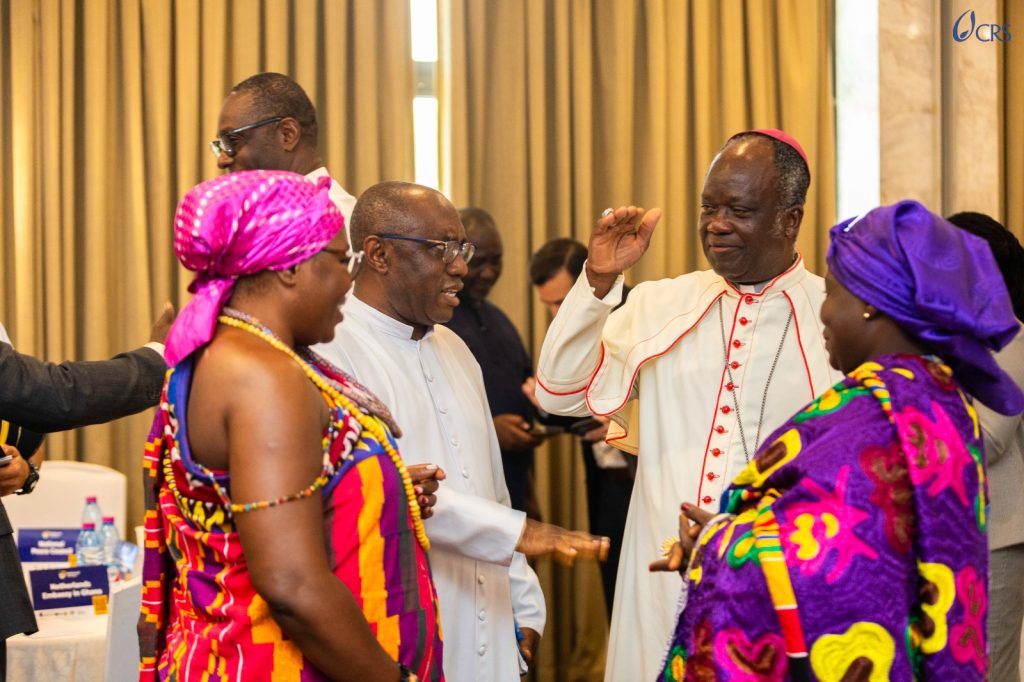
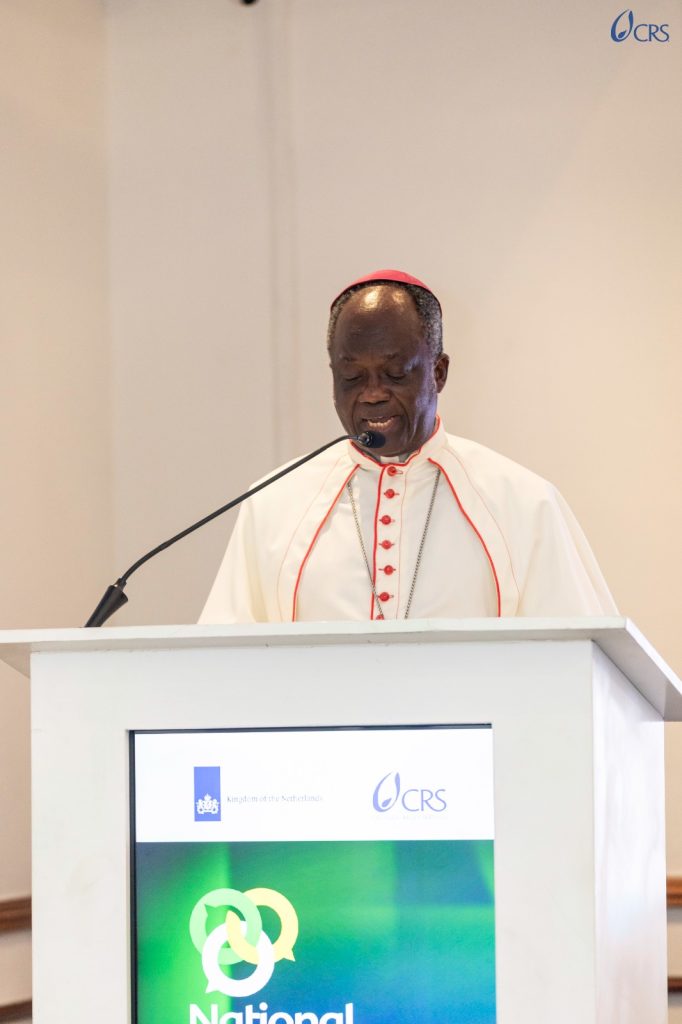
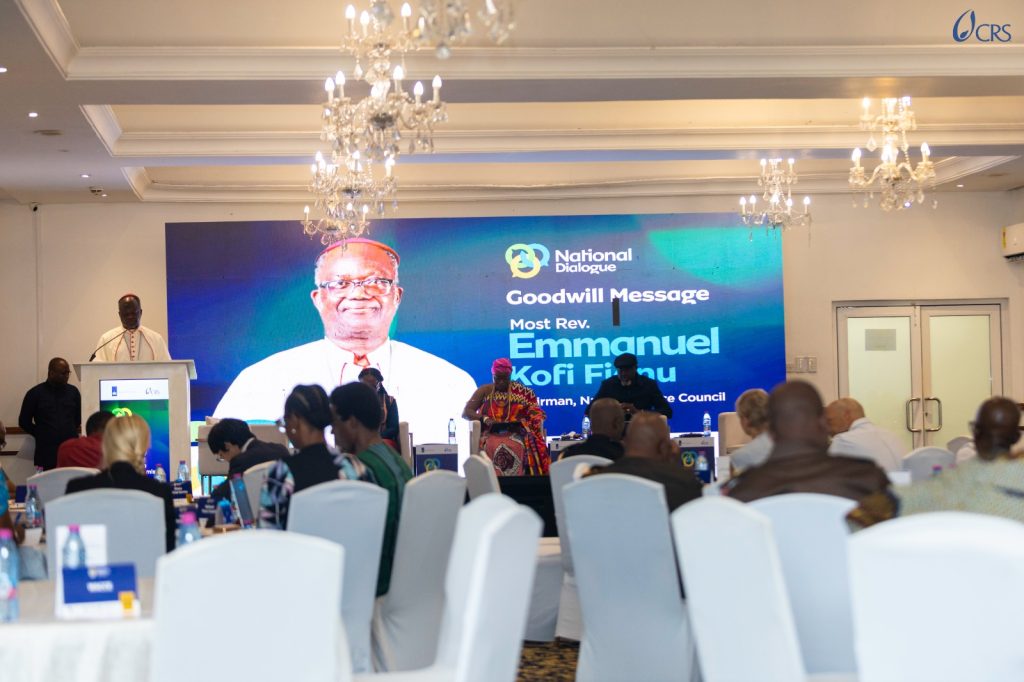
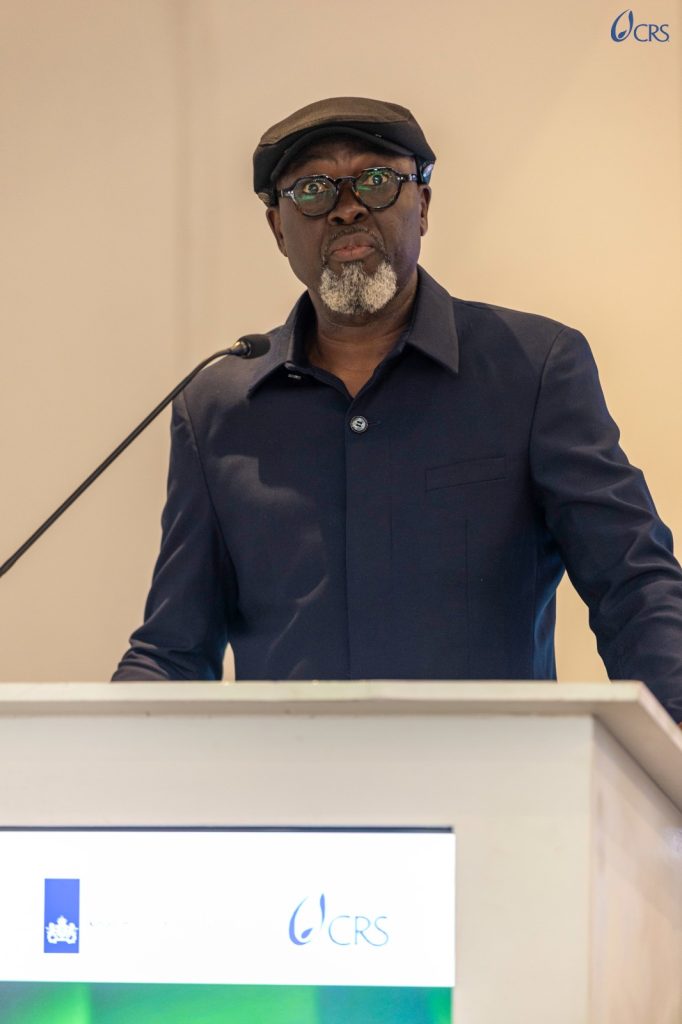
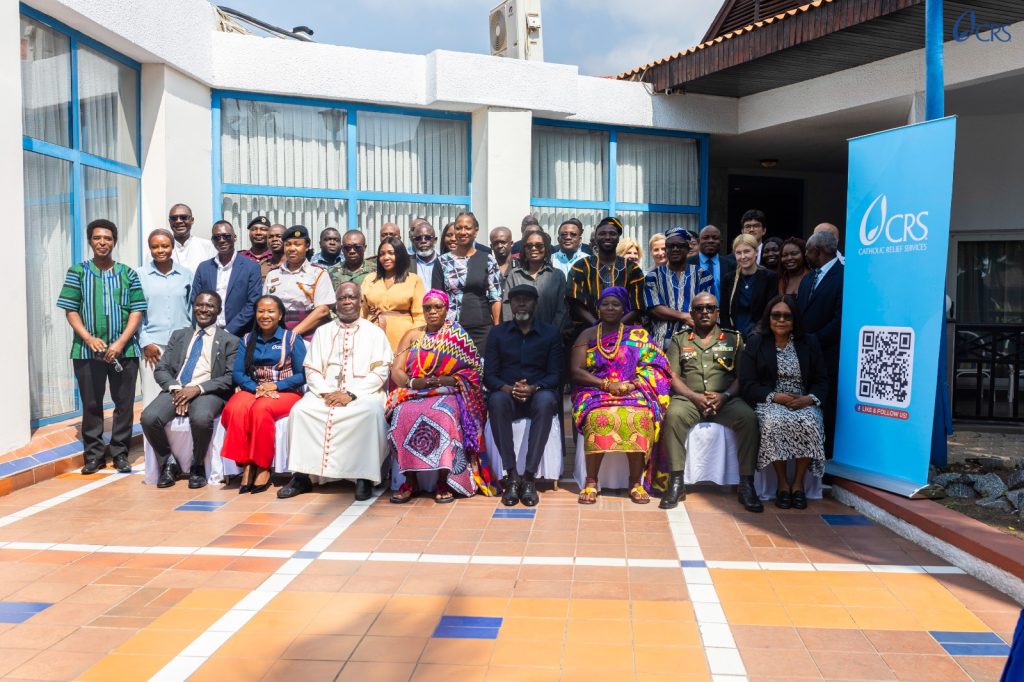
Speaking at the National Dialogue on Civil-Security Engagement in Preventing Violent Extremism at La Palm Royal Beach Hotel in Accra on 28 October 2026, the Chairman of the National Peace Council Governing Board, Most Rev. Emmanuel Kofi Fianu, emphasised that preventing violent extremism requires a coordinated, whole-of-society approach that addresses both immediate security threats and the underlying conditions that make communities vulnerable to radicalisation.
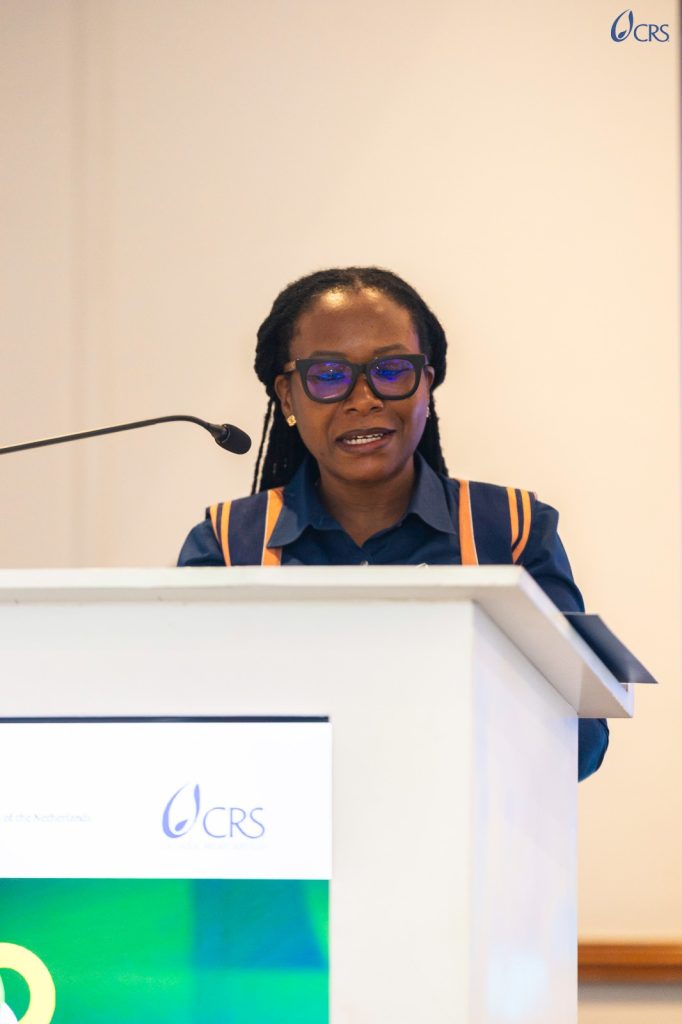
The dialogue forms part of the Prevention of Violent Extremism Through Social Accountability (PoVETSA) Project, implemented by Catholic Relief Services (CRS) with funding from the Netherlands Ministry of Foreign Affairs to strengthen social accountability and civil-security collaboration.
The Chairman underscored the importance of trust between civilians and security actors, noting that communities are critical partners in identifying early warning signs and reporting potential threats. He called for stronger community-based early warning and response systems, inclusive governance, respect for civil rights and socio-economic opportunities for young people.
“Hard security alone cannot solve violent extremism,” the Chairman stressed, advocating an integrated approach that combines effective security operations with good governance, the rule of law, anti-corruption measures, psychosocial support and livelihood opportunities.
Bishop Fianu highlighted the National Peace Council’s partnership with Catholic Relief Services (CRS), initiated in 2023, to strengthen trust between civilians and security actors as a strategic measure for preventing violent extremism. He expressed appreciation to CRS and the Government of the Netherlands for their support.
He also commended security agencies working to sustain peace in Ghana’s five northern regions and acknowledged the cooperation of Mamprusi and Kusasi leadership, alongside other stakeholders, in efforts to establish lasting peace in Bawku. He urged aggrieved groups to pursue dialogue and peaceful, democratic processes to resolve their differences.
The Council reaffirmed that lasting peace depends on collective responsibility, community trust, inclusive development and sustained cooperation among state and non-state actors to prevent violence before it escalates.
Building on regional civil-security engagement trainings and research into the drivers of violent extremism in marginalised communities in Northern Ghana, the dialogue sought to consolidate evidence and stakeholder experiences into actionable recommendations for strengthening prevention efforts in Ghana.