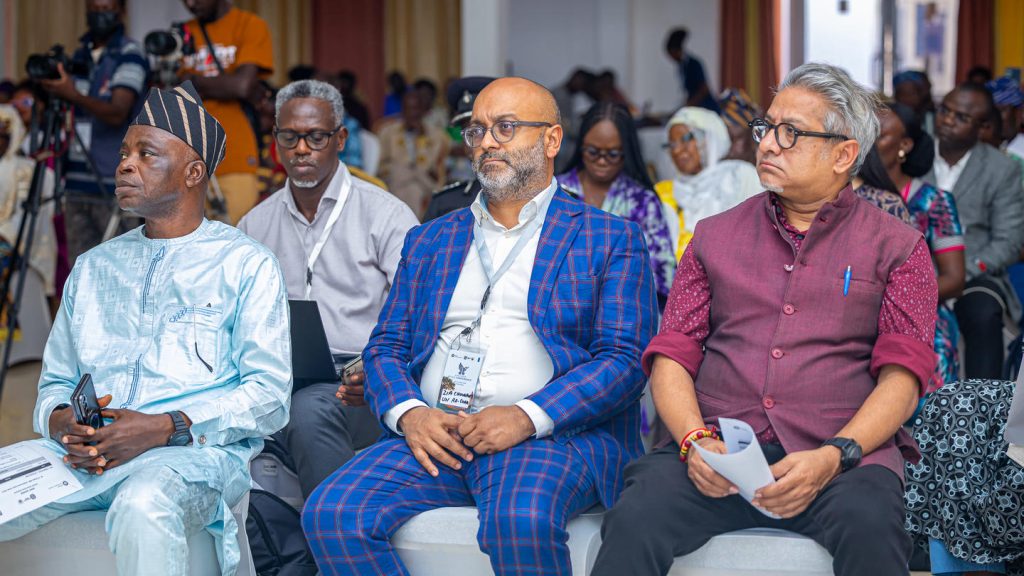
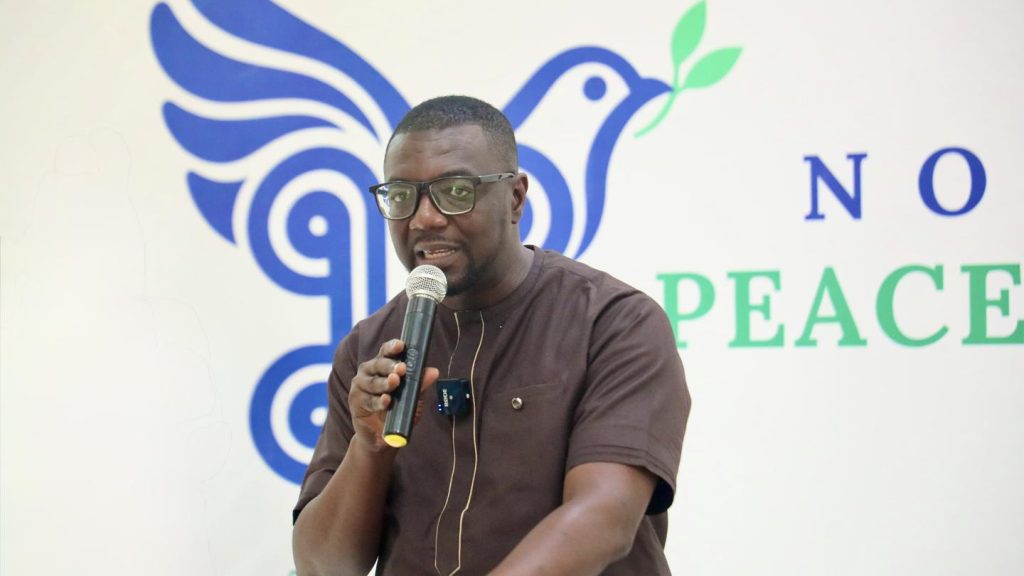
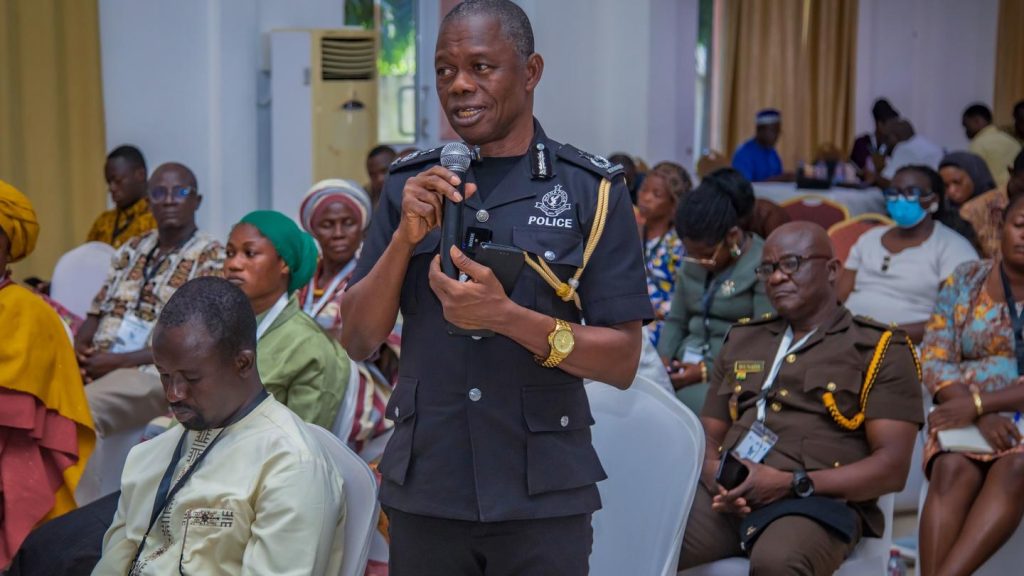
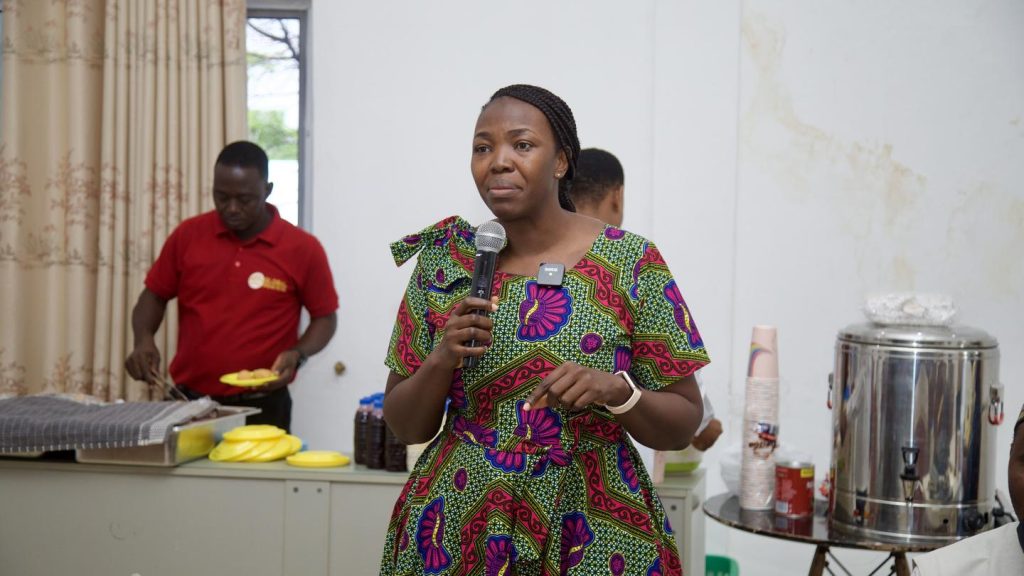
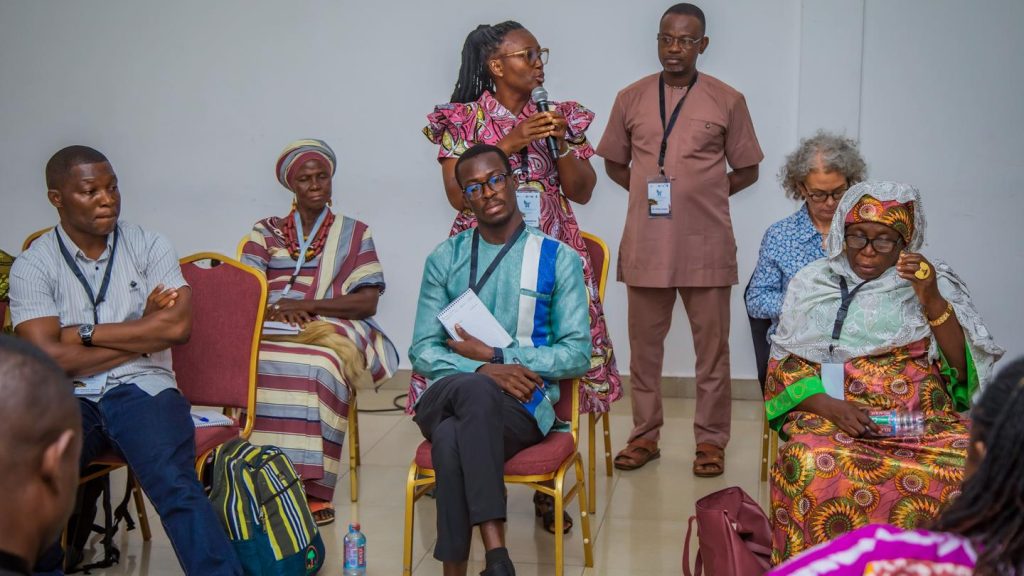
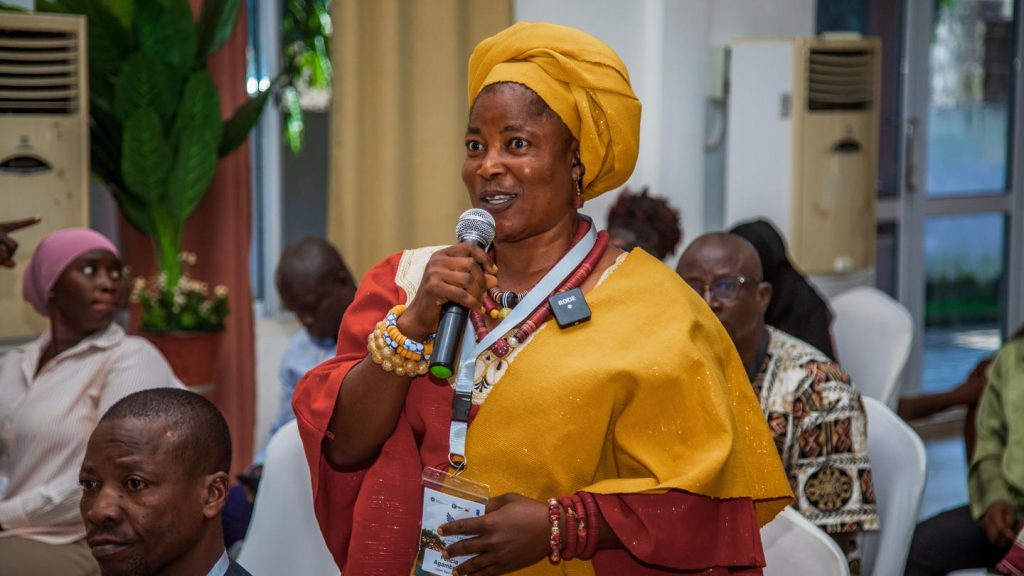
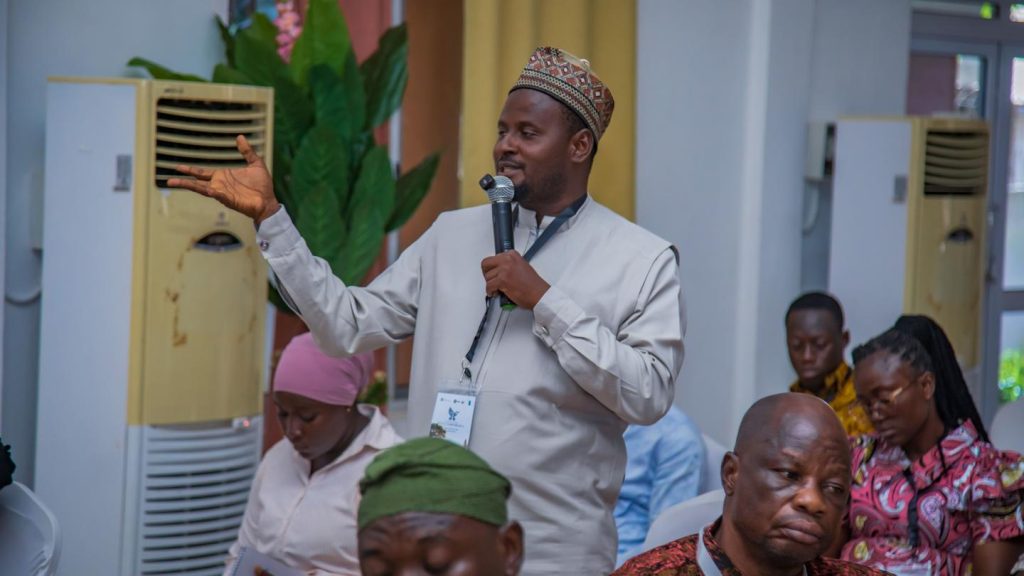
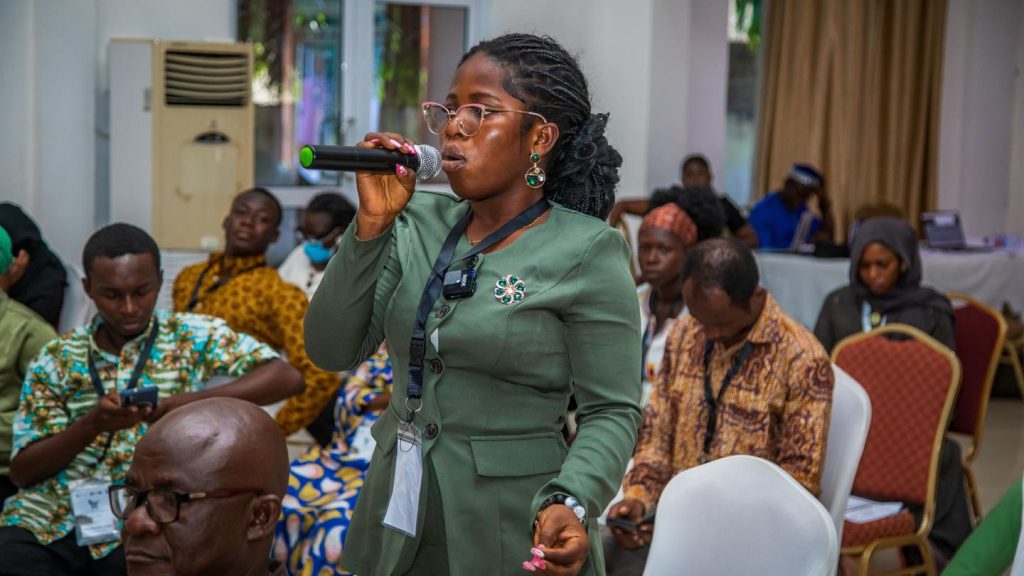
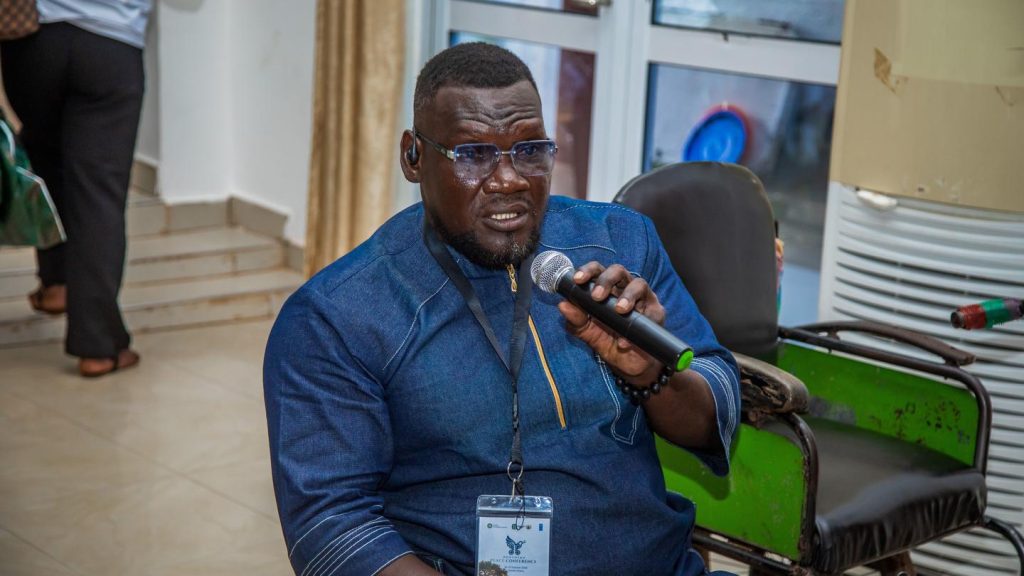
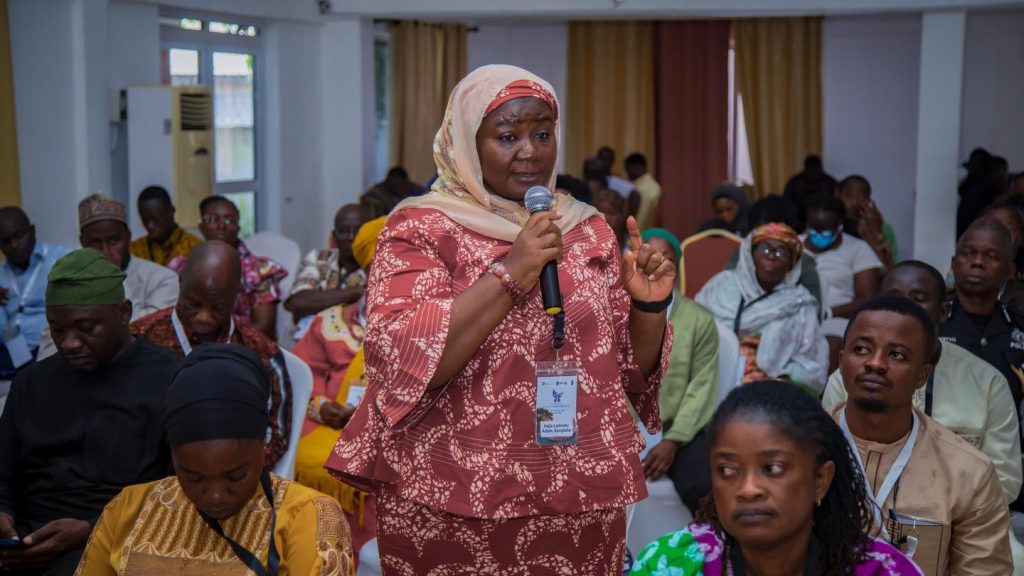
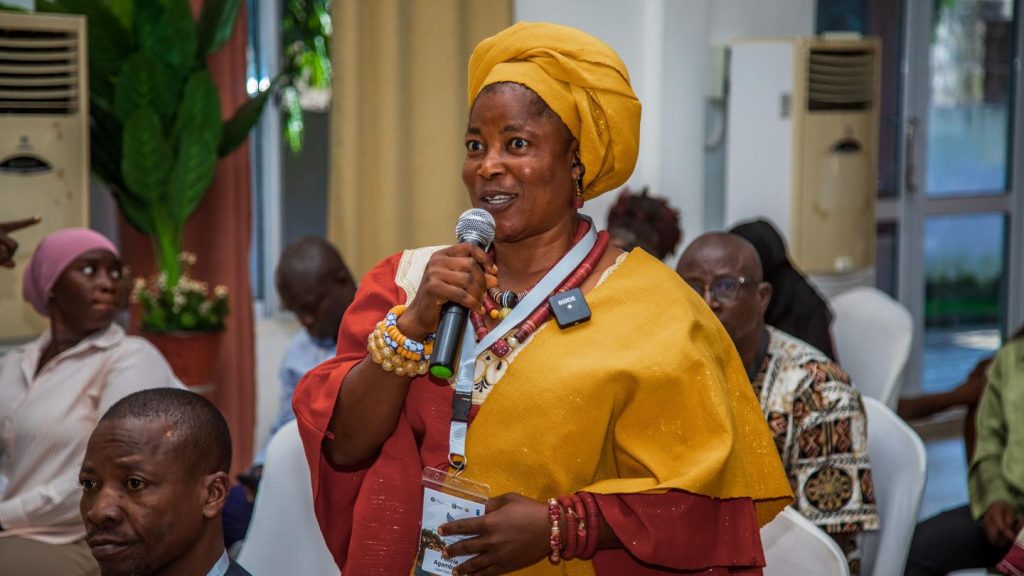
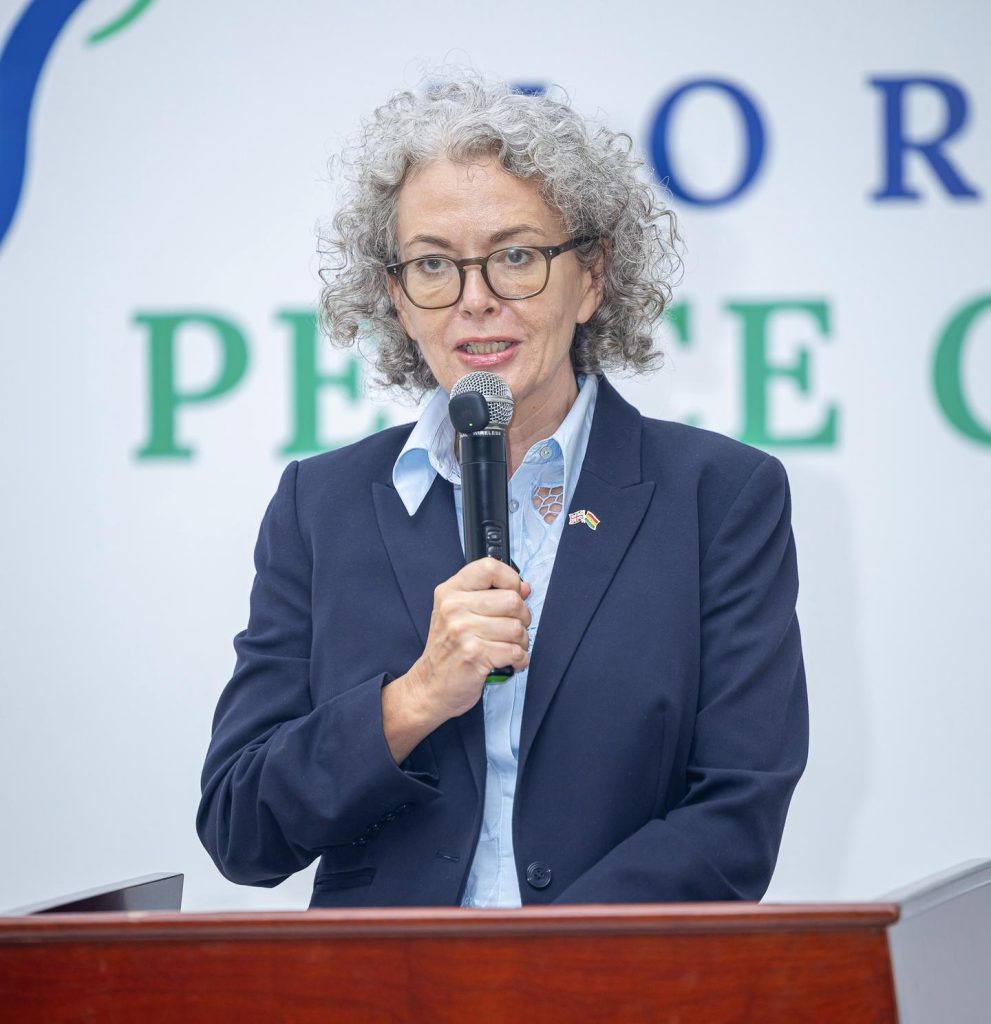
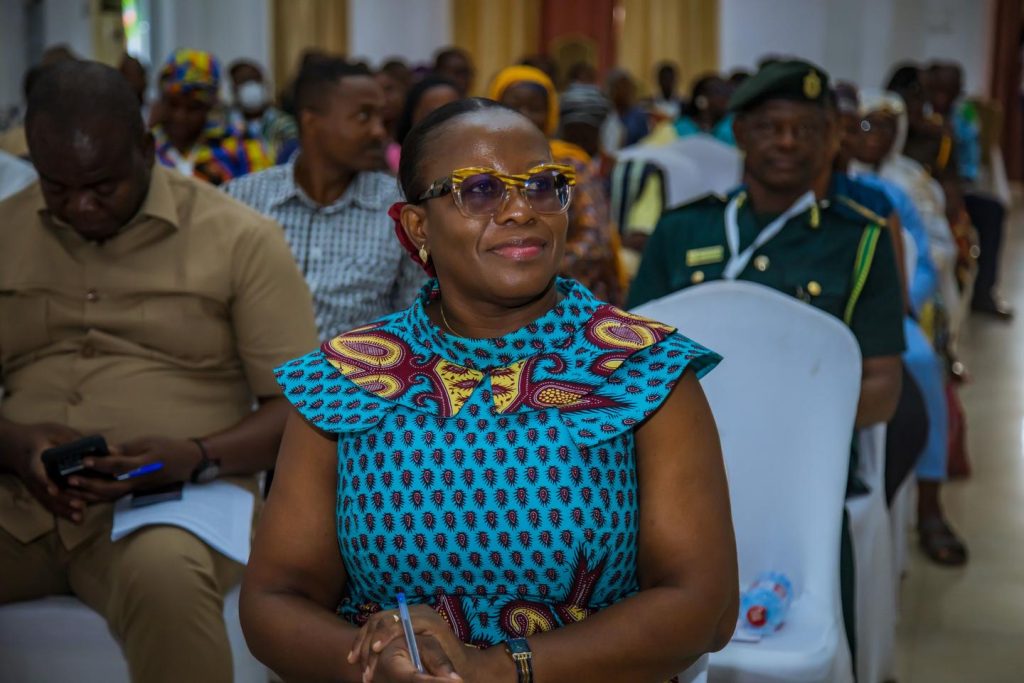
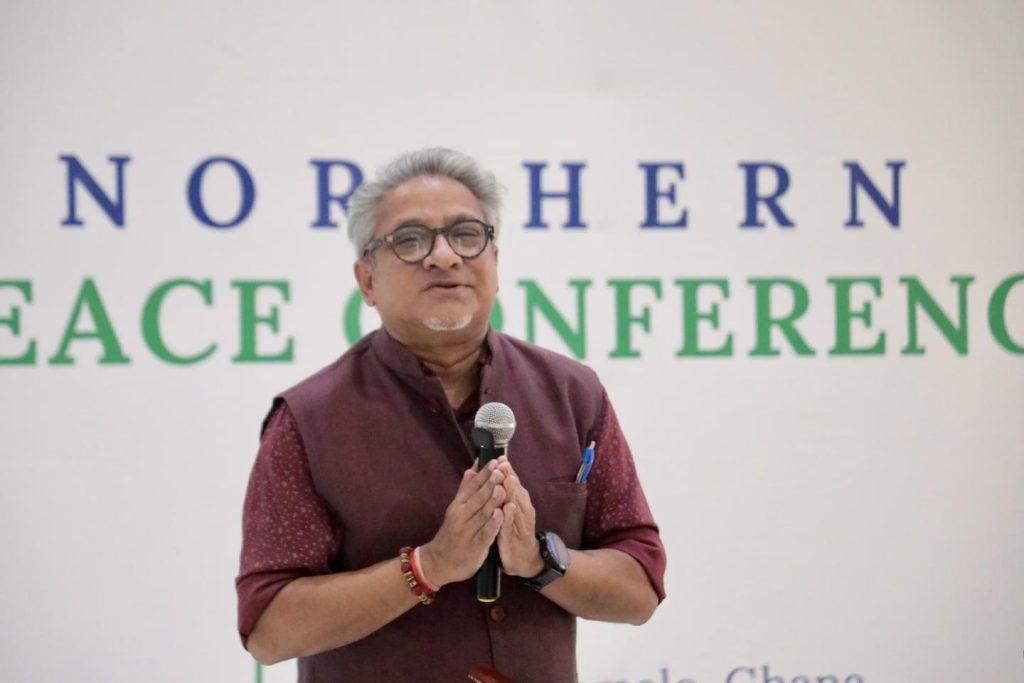
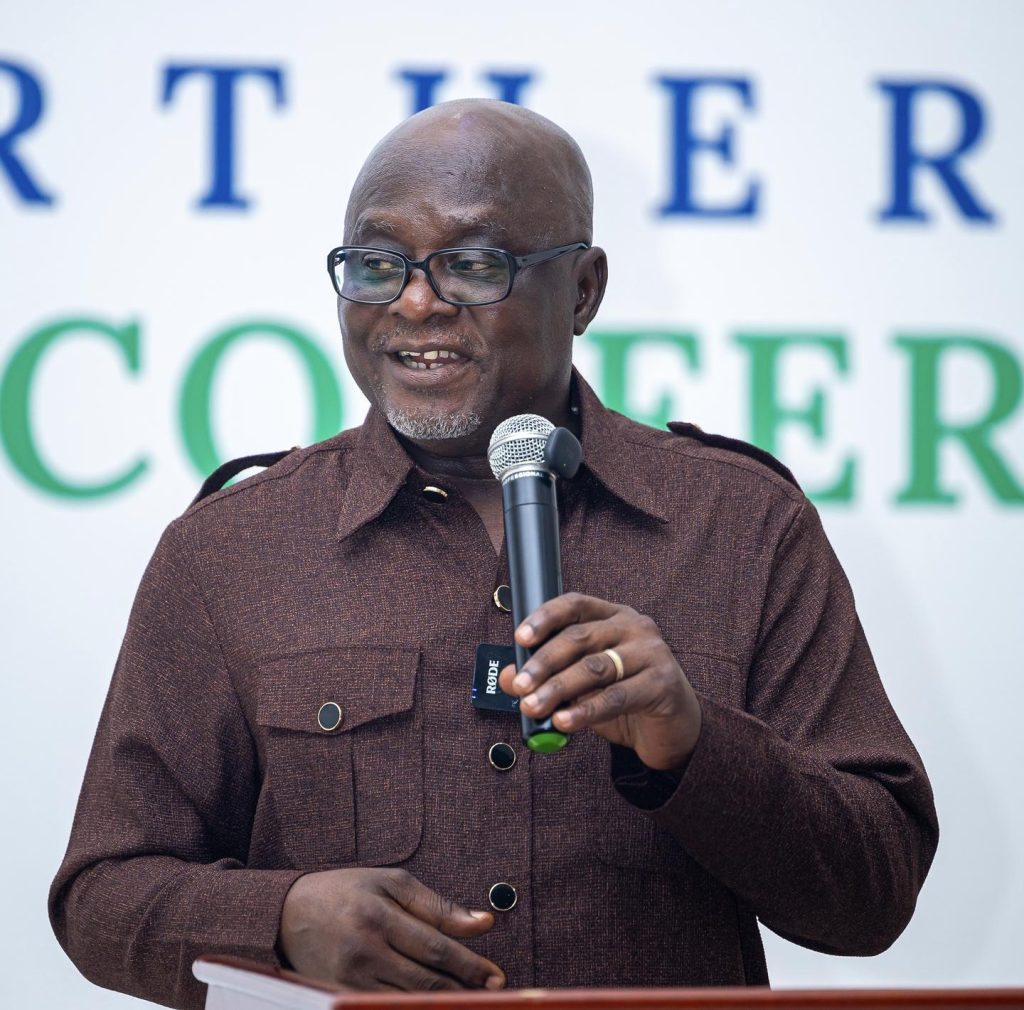
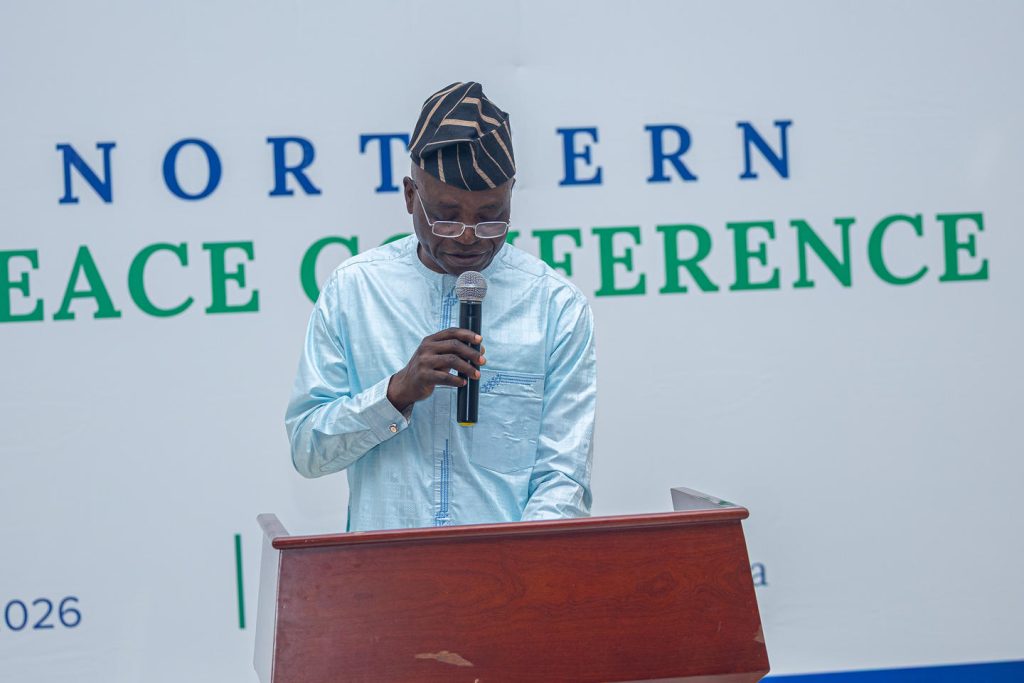
Tamale, Ghana, — Stakeholders at the Northern Peace Conference have called for stronger traditional conflict-resolution mechanisms, improved land governance, expanded economic opportunities and greater participation of women, young people and persons with disabilities in efforts to build sustainable peace across Northern Ghana.
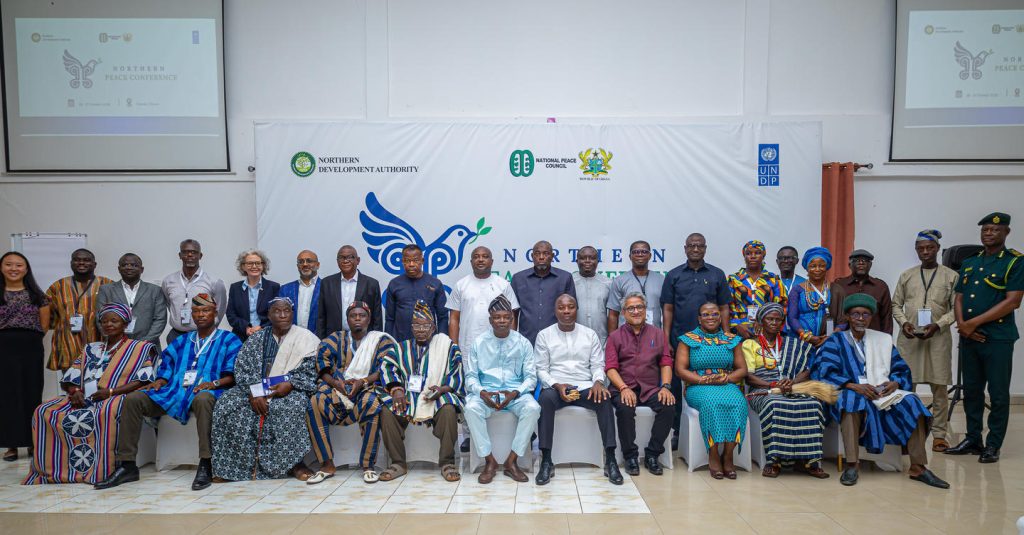
The two-day conference, held from 26–27 October 2026 in Tamale, brought together Ministers of State, government officials, parliamentarians, traditional authorities, development partners, researchers, civil society organisations and community representatives to examine the underlying drivers of conflict and identify practical solutions.
Jointly organised by the United Nations Development Programme (UNDP) in Ghana, the National Peace Council (NPC), the Northern Development Authority (NDA) and the Parliamentary Northern Caucus, the conference explored how inclusive governance, land justice, economic development and stronger community institutions can contribute to lasting peace.
The conference provided an opportunity to reflect on years of peacebuilding investments in Northern Ghana, assess progress and lessons learned, and examine the persistent drivers of conflict. It also sought to gather stakeholders’ experiences and recommendations to inform future peacebuilding interventions, including UNDP Ghana’s Country Programme Document for 2027-2032.
Discussions highlighted the interconnected challenges affecting Northern Ghana, including chieftaincy and land disputes, farmer–herder tensions, climate pressures, youth unemployment, misinformation and the threat of violent extremism in the wider West African subregion.
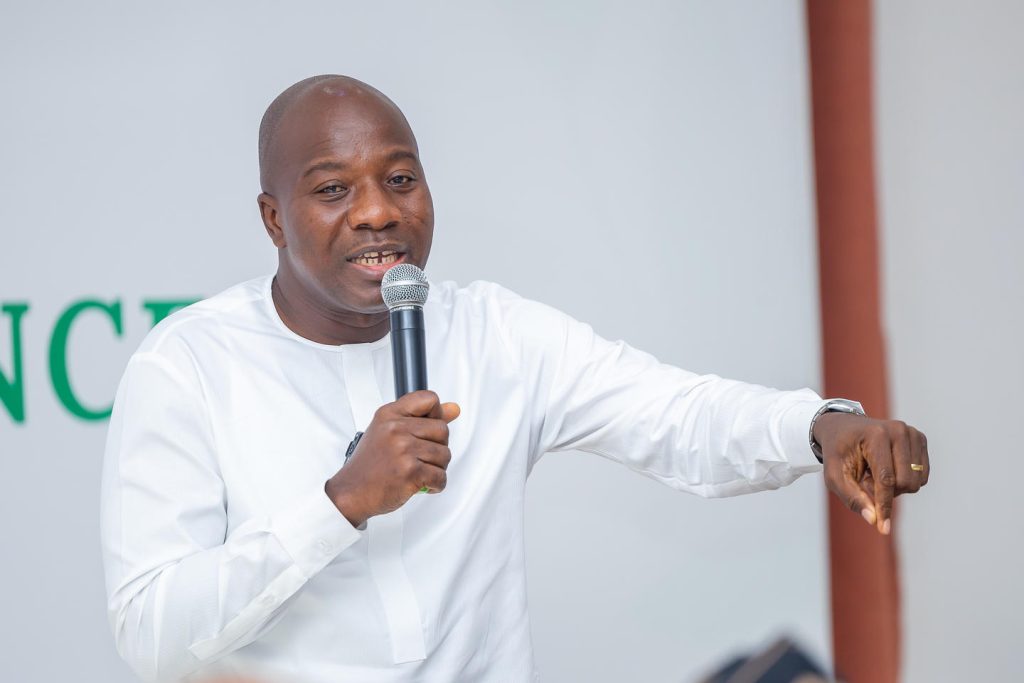
Delivering the keynote address, Hon. Mahama Ayariga, Minister for Local Government, Chieftaincy and Religious Affairs, emphasised the importance of addressing the economic and governance challenges that contribute to instability. He highlighted agriculture, agro-processing and irrigation as important areas for investment, while calling attention to the need for stronger traditional dispute-resolution mechanisms and improved approaches to land and chieftaincy governance.
Hon. Ali Adolf John, Northern Regional Minister, reinforced the importance of responsive local governance and community participation. He stressed that inclusion must go beyond representation, with women, young people and other community members having meaningful opportunities to influence decisions. He also highlighted the need for effective early warning and timely responses to grievances before they escalate.
Presenting an assessment of peace, security and resilience in Northern Ghana, Major General (Rtd.) William Ayamdo, Deputy National Security Coordinator in charge of Operations, outlined how local disputes, competition over natural resources, economic vulnerabilities and emerging security threats can reinforce one another.
He called for coordinated responses that combine security measures with mediation, inclusive development and stronger community resilience.
“Peace is not merely the absence of violence; it is the presence of justice, opportunity and trust. That is the peace we must build together,” he stated.