Ashanti Regional Peace Council Trains 100 Youth Peace Ambassadors to Promote Community Peace
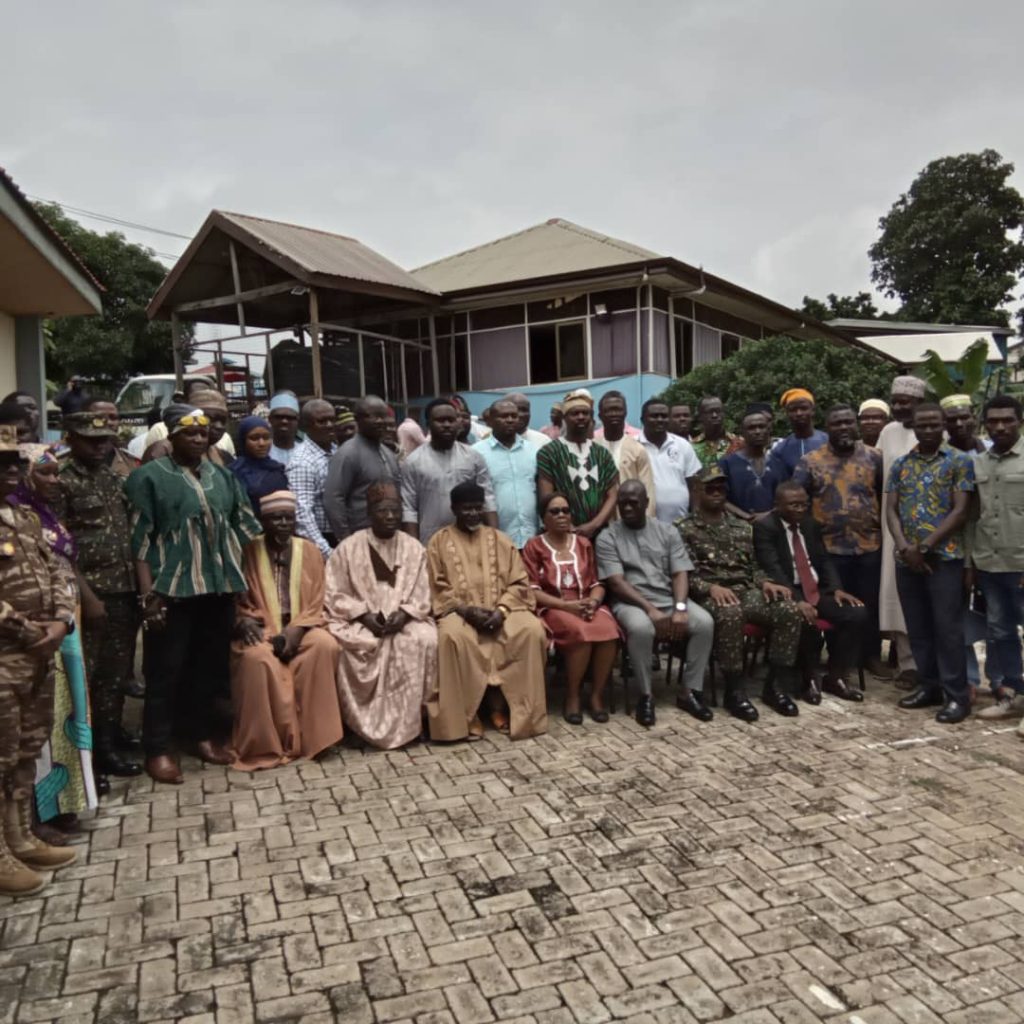
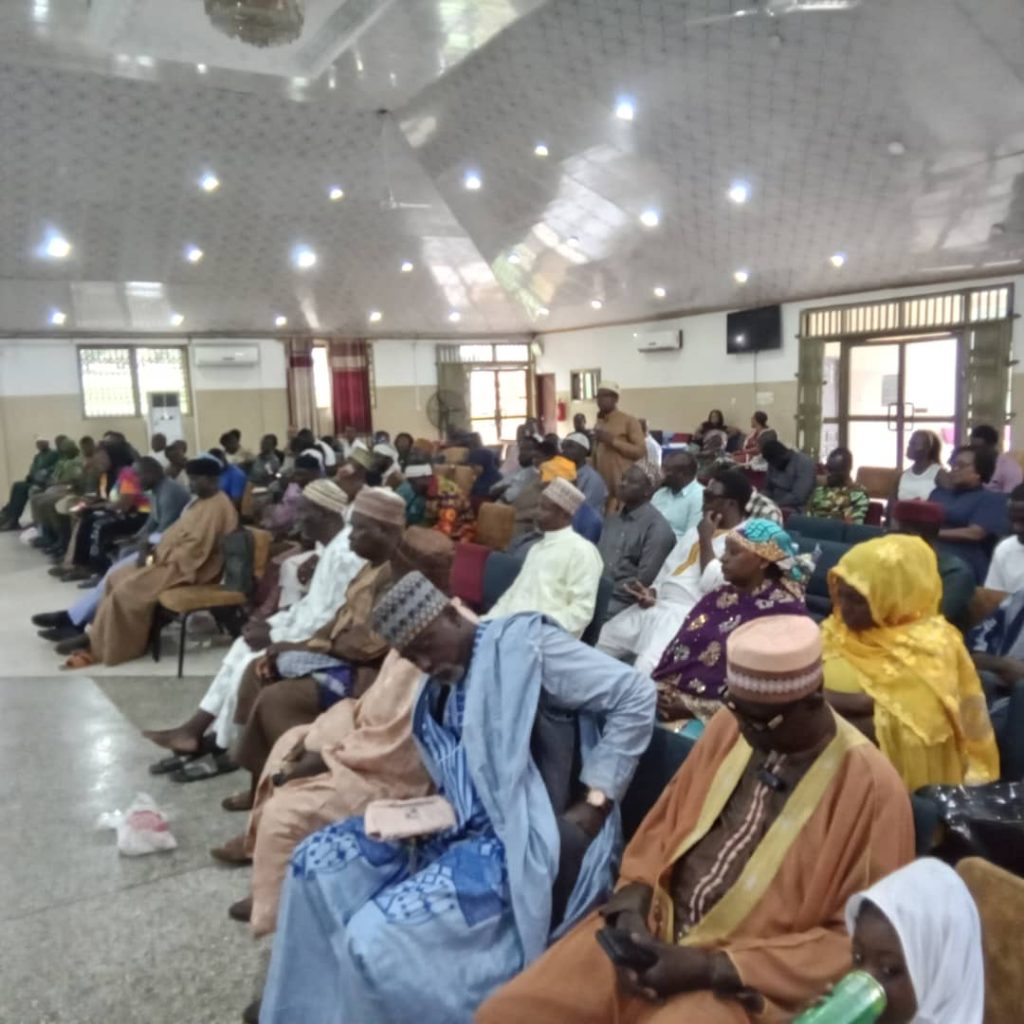
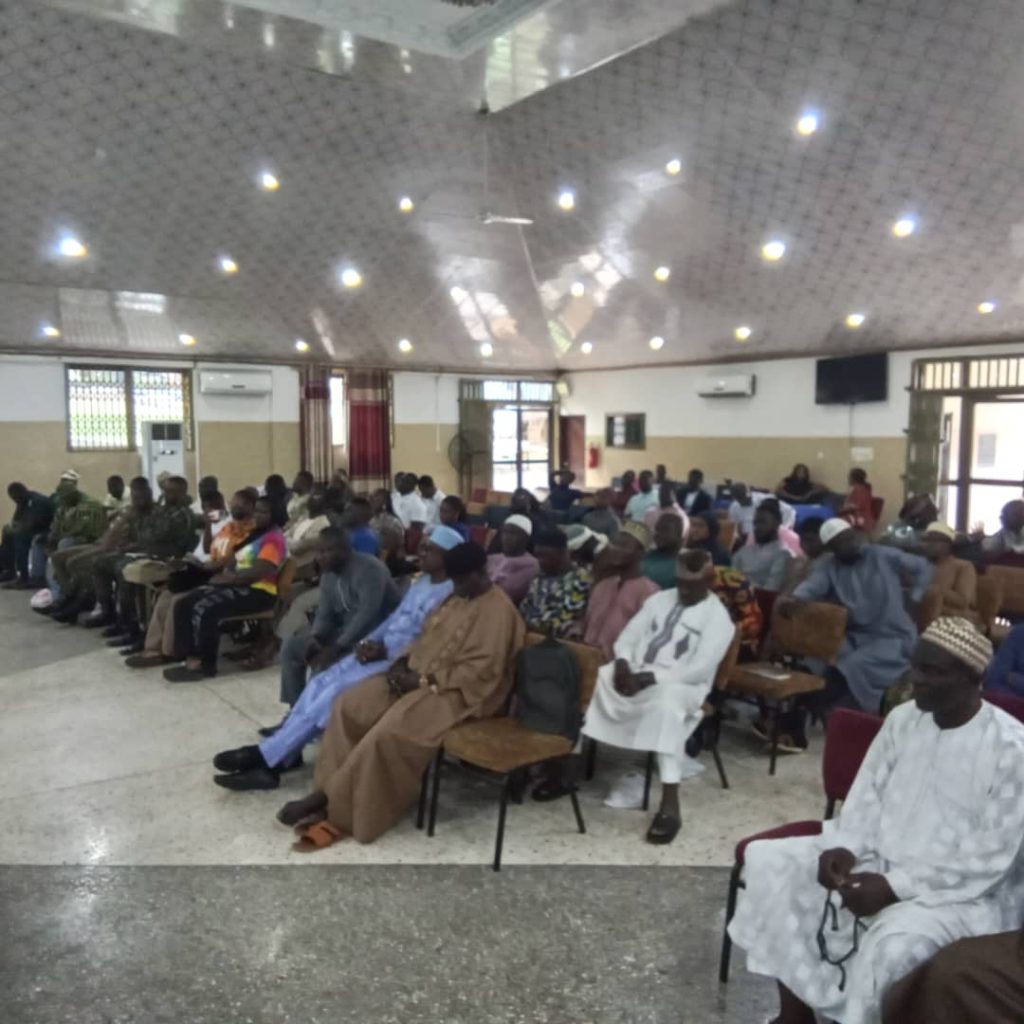
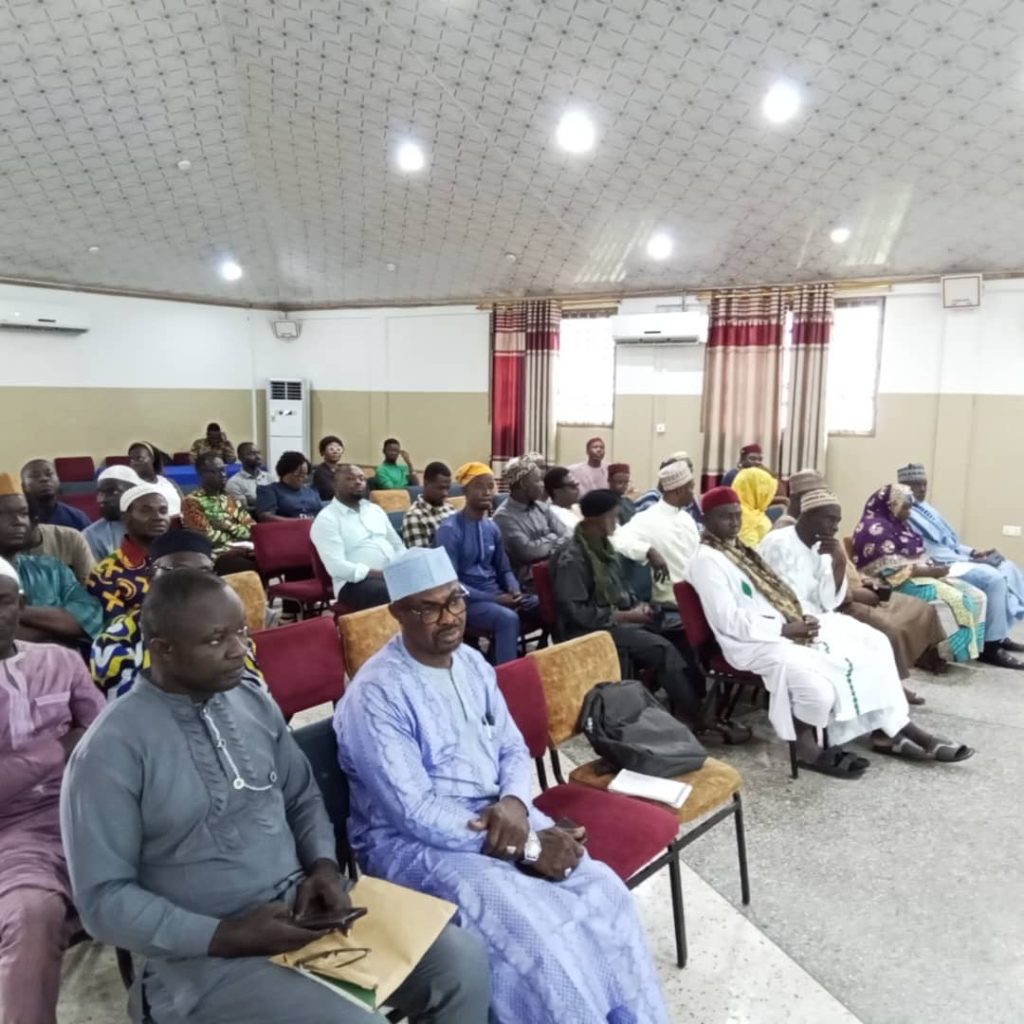
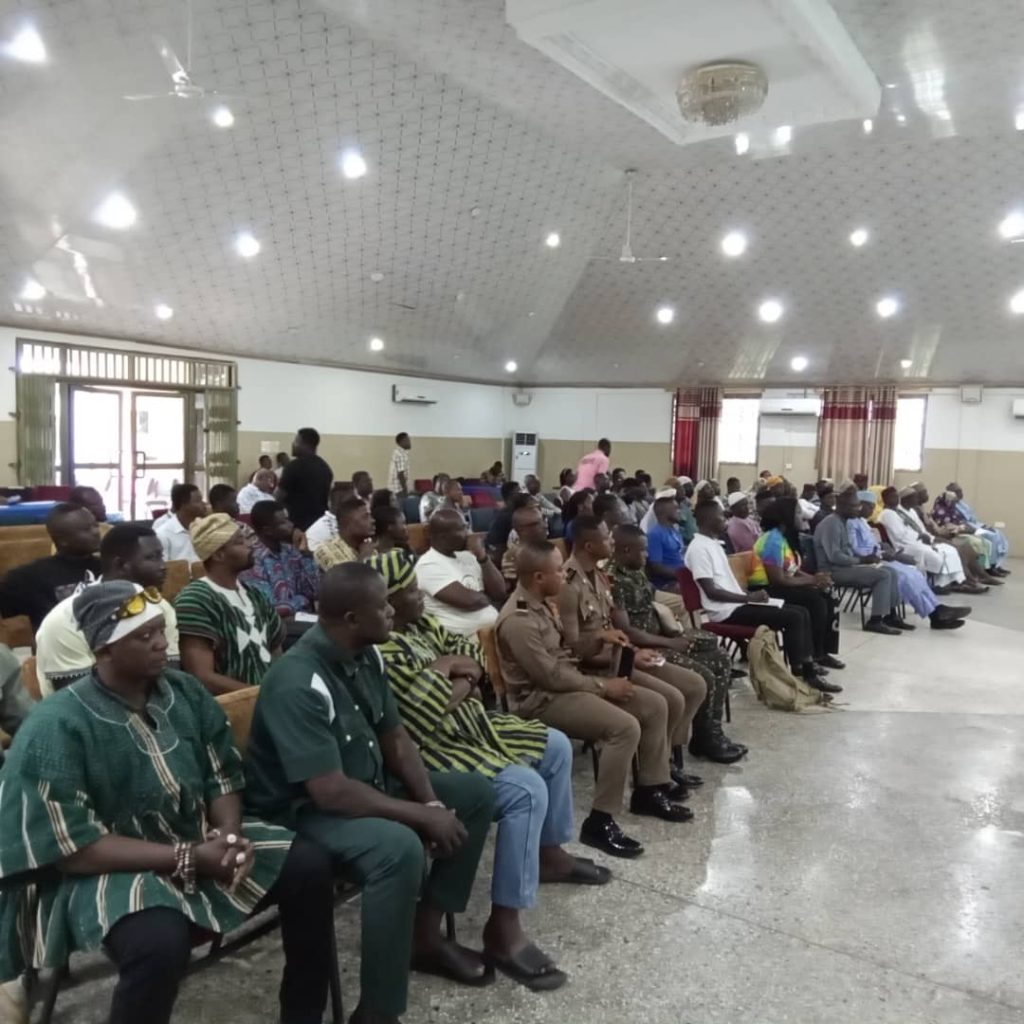
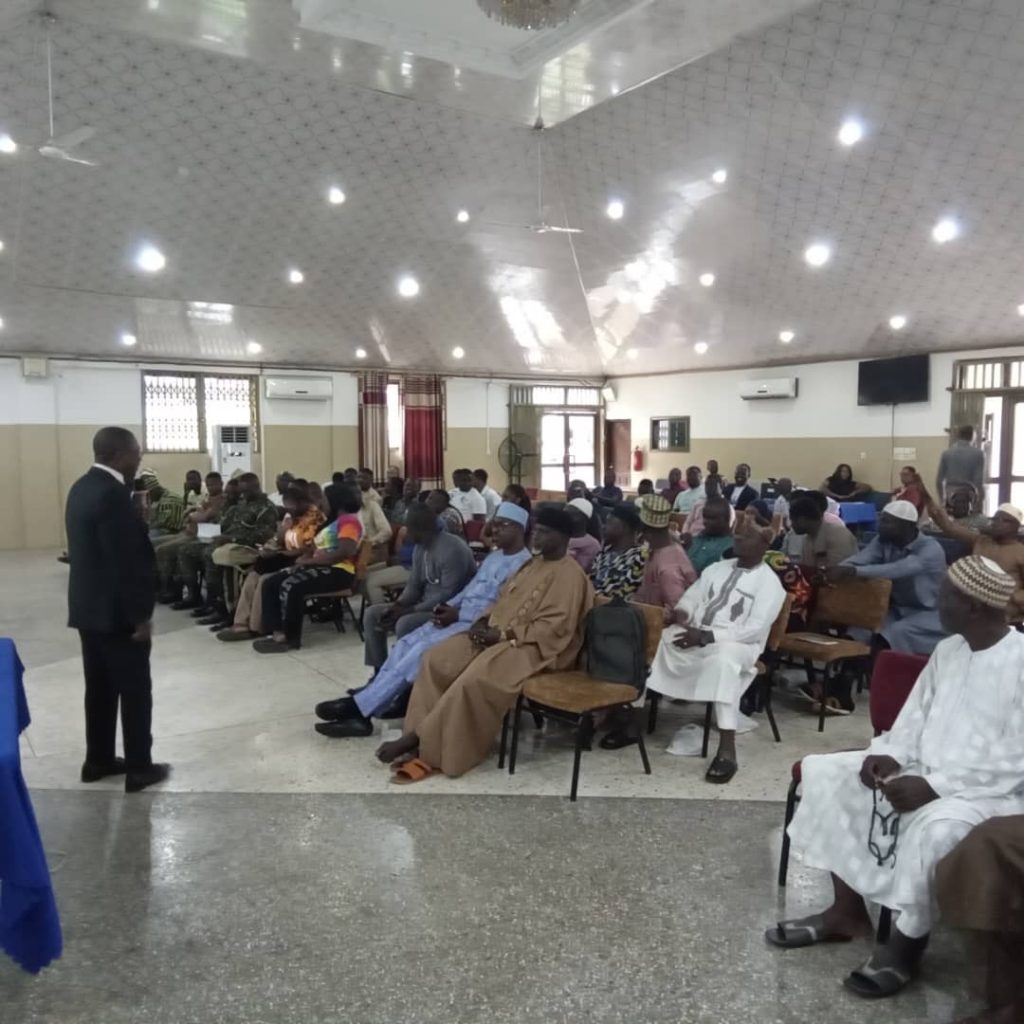
The Ashanti Regional Peace Council (ARPC), in collaboration with the National Commission on Small Arms and Light Weapons and the National Commission for Civic Education (NCCE), has organised a training workshop for 100 Community Youth Peace Ambassadors drawn from nine selected municipalities and districts in the Ashanti Region.
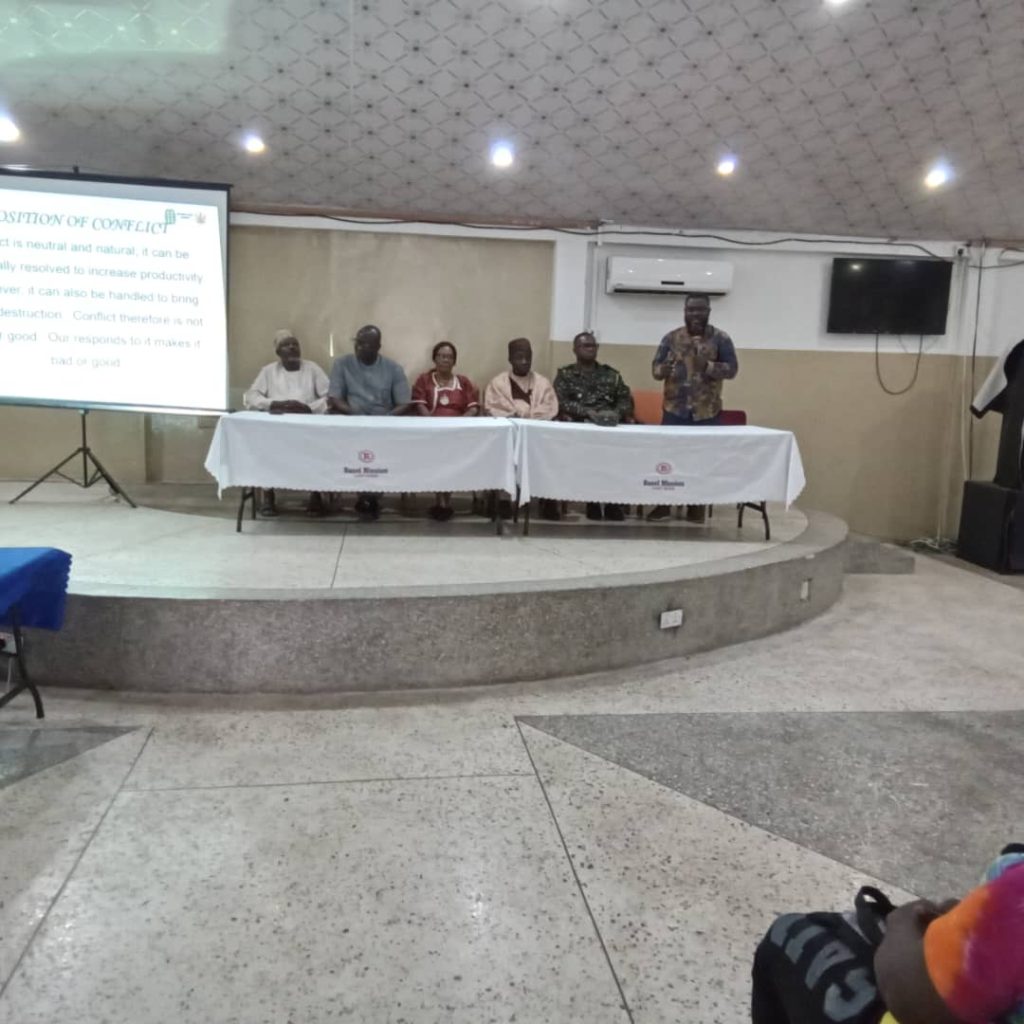
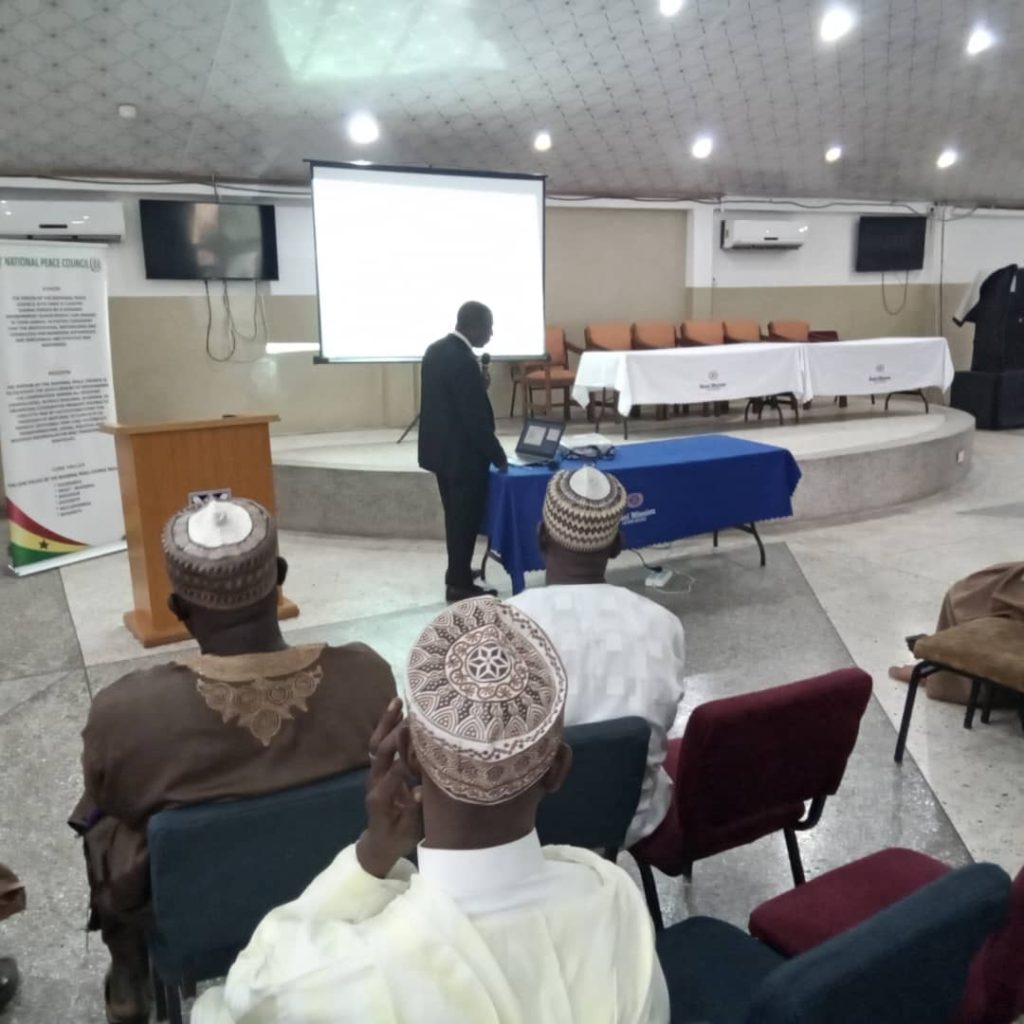
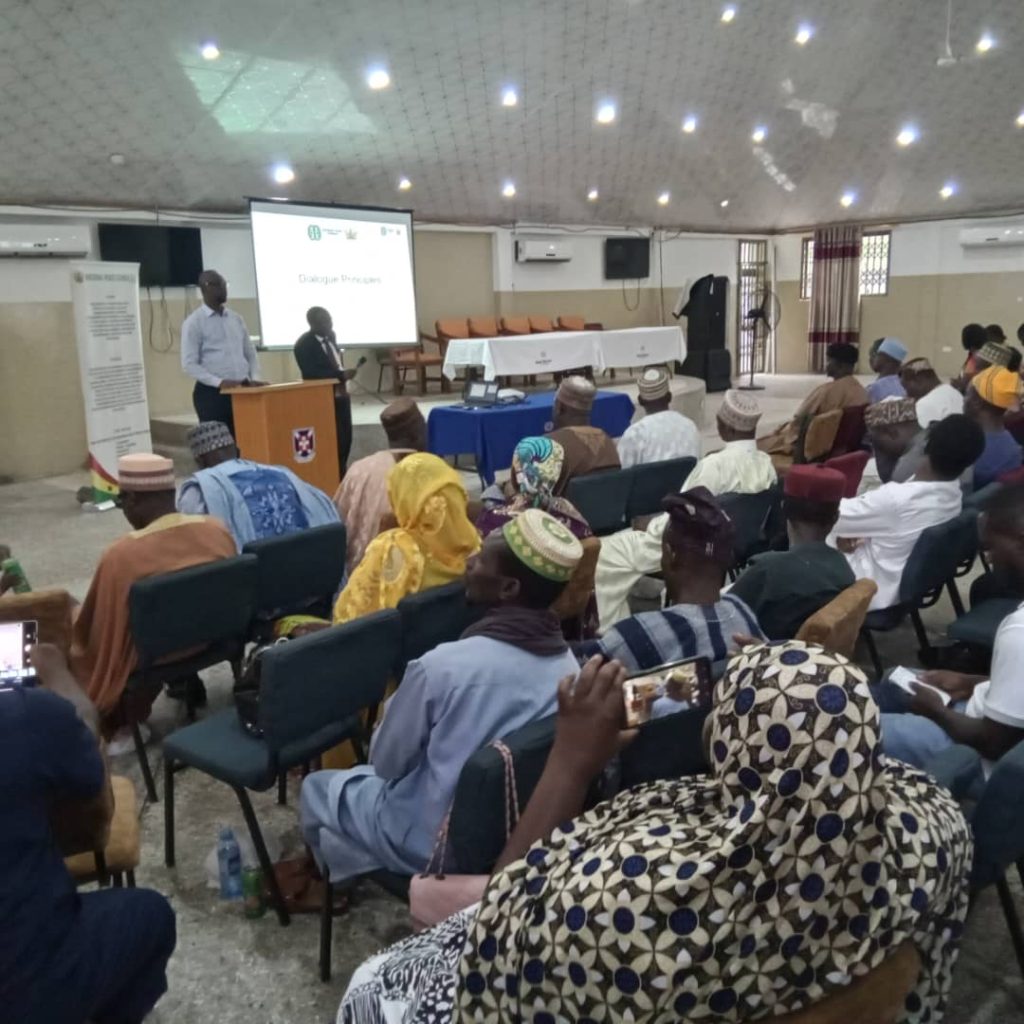
The training, held on Monday, 10th August 2026 at the Presby Guest House Conference Room, Adum, sought to strengthen young people’s understanding of conflict and peacebuilding, build their capacity in conflict analysis and early warning, and enhance their communication, mediation, leadership and community mobilisation skills.
The workshop also focused on promoting dialogue, tolerance, social cohesion and peaceful coexistence, while educating the youth on the dangers and consequences of the illegal possession and use of firearms and other weapons.
In her address, the Chairperson of the Ashanti Regional Peace Council, Dr. Harriet Takyi, emphasised that peace is the foundation for development and the wellbeing of communities. She highlighted the important role of young people in shaping the future, noting that their energy, creativity and passion make them powerful agents of positive change.
Dr. Takyi encouraged the newly trained Community Youth Peace Ambassadors to actively promote tolerance, understanding and dialogue among people from different backgrounds. She urged them to go beyond advocating for peace and take practical steps within their communities to prevent conflict and promote peaceful coexistence.
The Regional Executive Secretary of the Ashanti Regional Peace Council, Rev. Dr. Emmanuel Badu Amoah, explained that conflict is a natural part of human interaction and does not necessarily lead to violence. He noted, however, that poorly managed conflicts can escalate into violence and disrupt peace and development.
He identified competition over scarce resources, political disagreements, land and chieftaincy disputes, ethnic and religious tensions, misinformation and socio-economic inequalities among some of the factors that can contribute to conflict in communities. He also highlighted the importance of recognising early warning indicators and taking appropriate action before tensions escalate.
Rev. Dr. Badu Amoah encouraged the youth to serve as peace advocates by identifying early warning signs, promoting tolerance and dialogue, and working closely with community leaders and local authorities to respond constructively to emerging tensions and threats.
The Regional Director of the Commission on Small Arms and Light Weapons, Mr. Emmanuel Kenneth Oduro, sensitised participants on the dangers associated with the proliferation and illegal use of firearms. He explained that despite existing laws regulating firearm ownership and use in Ghana, unregistered and illegally acquired weapons continue to pose significant risks to communities.
Mr. Oduro noted that the proliferation of firearms can contribute to armed robbery, communal conflicts, political violence, loss of lives and destruction of property. He stressed that the presence and misuse of illegal weapons create fear, undermine peace and development, and can negatively affect the future of young people who become involved in violent activities.
The workshop brought together representatives from the Ashanti Regional Peace Council, Local Councils of Churches, Ghana Police Service, Ghana Immigration Service, Ghana Prisons Service, Ghana National Fire Service, as well as Imams and Muslim representatives from participating municipalities and districts.
The 100 participants, selected from nine municipalities and districts across the Ashanti Region, are expected to apply the knowledge and skills acquired to support conflict prevention, early warning, peaceful dialogue and social cohesion within their respective communities.
The Ashanti Regional Peace Council remains committed to empowering young people to become active partners in conflict prevention and peacebuilding and to strengthening community-level structures that contribute to sustainable peace across the region.